Aldo Francia
Directing
Biography
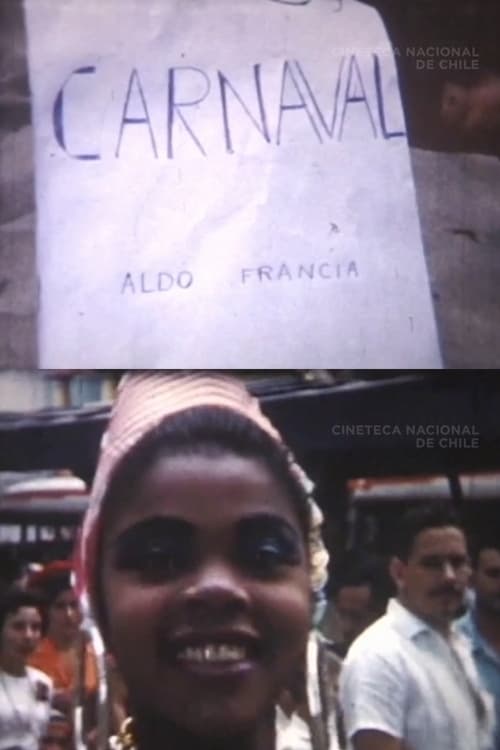
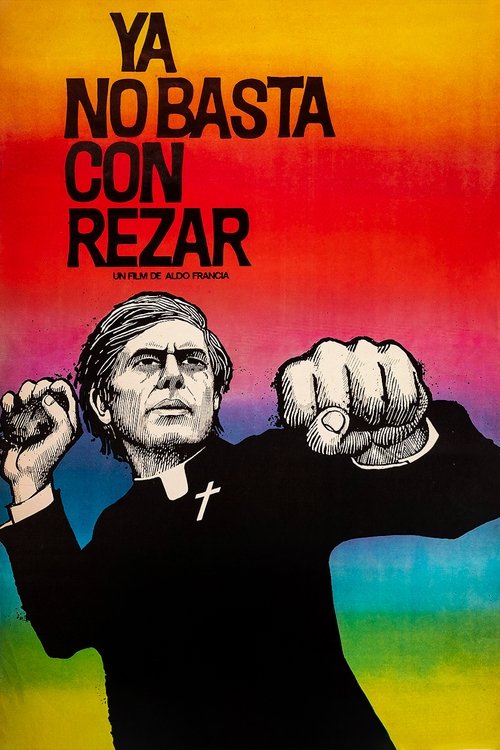
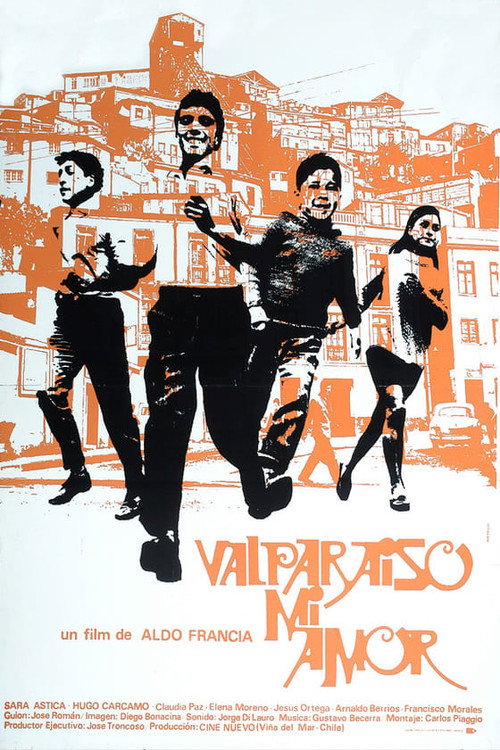
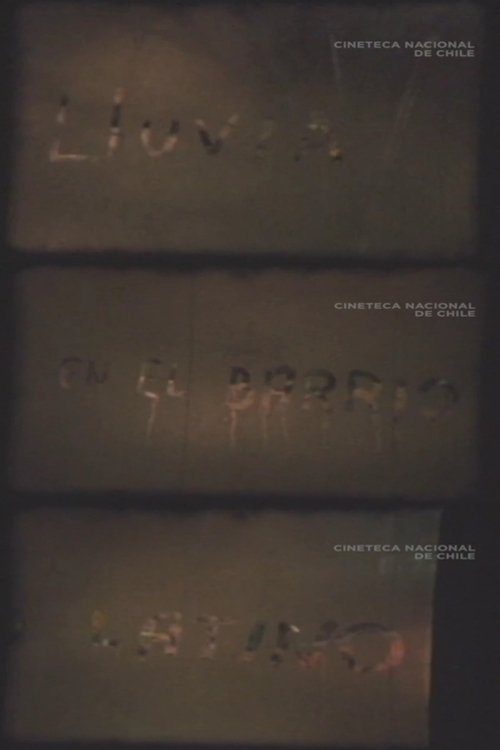
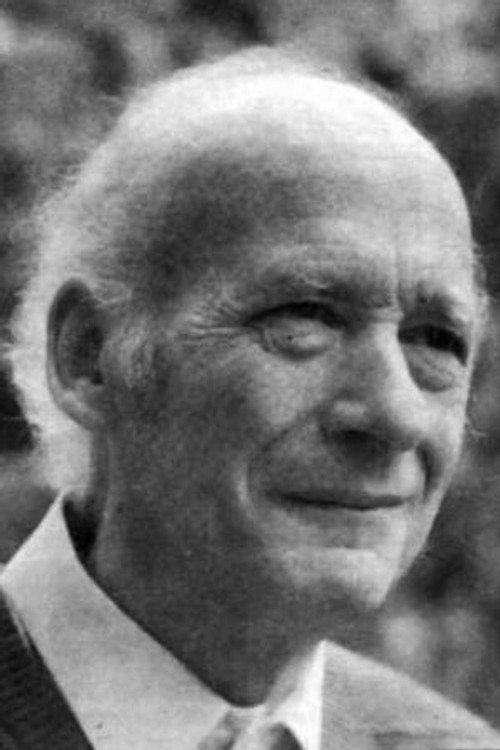
If there is a filmmaker who embodies the so-called New Chilean Cinema, it is Aldo Francia. Although he was the author of a short filmography of only two finished films, Valparaíso mi amor (1969) and Ya no basta con rezar (1972), France understood cinema from the first moment as a collective action and his individual authorship always remained in the background with respect to his most beloved creation: the Viña del Mar Film Festival. A pediatrician by profession, Aldo Francia developed as a self-taught filmmaker. As he recalls in his book New Latin American Cinema in Viña del Mar (1990), his first approach to cinema took place in Paris on a cold autumn afternoon in November 1949. "On one of those evenings in a small cinema in the quartier, on the side of Boulevard Saint Michel, where the film projector had just been turned off and the lights on in the room, we all found ourselves with tearful eyes, without any possibility of concealing it. They had just projected Bicycle Thief by Vittorio de Sica. And we had the feeling that something new had started in the cinema. At that moment, being already a doctor, I decided that one day I would also be a filmmaker" (Francia, Aldo. New Latin American Cinema in Viña del Mar Santiago: CESOC: Chile-America, 1990. 242 p.). The exhibition of the classic of Italian Neorealism left a deep impression in Francia. He soon got a Paillard 8mm camera and began a career as an amateur filmmaker. Paris in autumn (1957); Paceña (1959), about the indigenous neighborhoods of the city of La Paz; Carnaval (1960), filmed in Rio de Janeiro; and Lluvia (1961), made in the Latin quarter of Paris, were his first works. He later founded a Cine Club (1962), built the Cine Arte cinema in Viña del Mar, created a film magazine and, once all that was achieved, launched an international call for other amateur filmmakers from around the world. Thus was born the first Viña del Mar Amateur Film Festival (1963).In that city, the greatest Latin American film meeting of the time was held and Aldo Francia was its host par excellence. He discovered that his desire to make and learn was also a way to generate social change. The airs and graces of the revolution turned Viña del Mar into the ideal space for reflection and dissemination of a cinema in process.