Acting
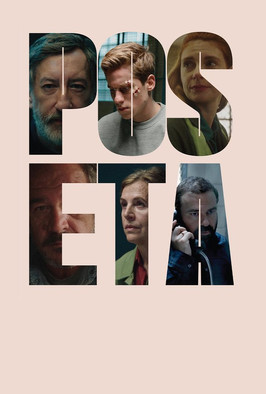
4 different stories, 4 episodes per story, so many familiar actors from Serbia and region. Visit (in jail) is connecton between stories and each story is finished at the end od fourth episode.
A film about peripheral theatre called Bagatella.
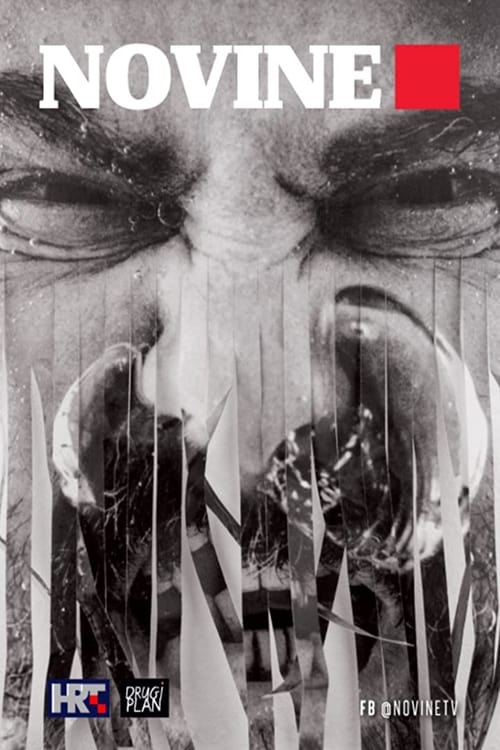
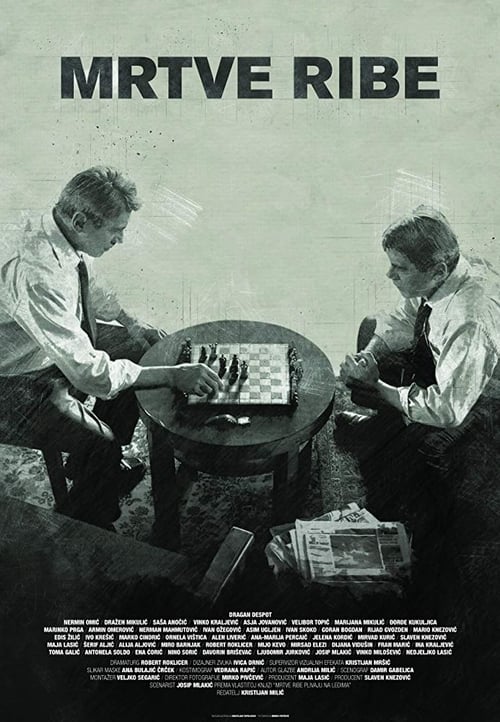
The last independent newsroom in the country is taken over by a construction magnate for the reasons that have nothing to do with love or respect for journalism.
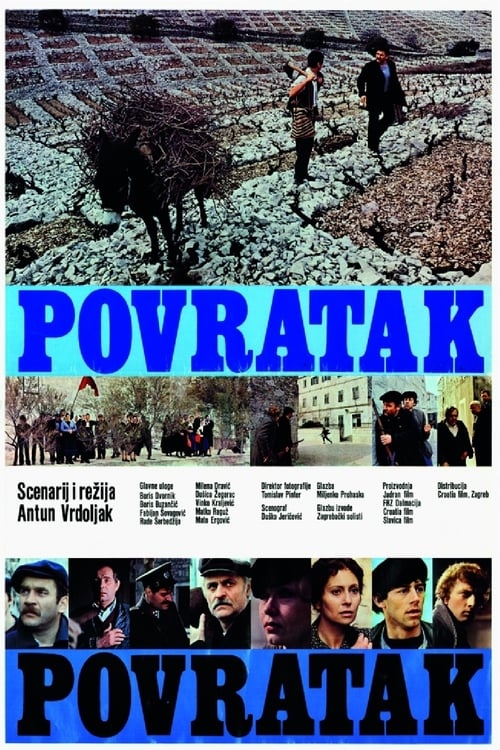
With WWI finally ending in 1918, Croatian journalist Kresimir Horvat travels from Zagreb to his village of Vucjak in Zagorje and becomes a witness of history as Austria-Hungarian Empire dissolves.
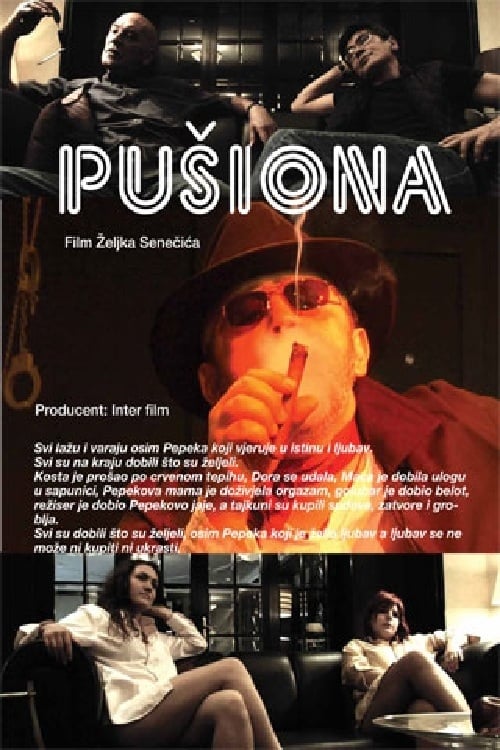
After a series of unfortunate events, TV subscription collector Pero falls into a deep emotional crisis from which he cannot escape. His only goal is - spiritual peace and, if possible - revenge. People he holds responsible are randomly chosen citizens of the Pusca Bistra village. After he accidently finds out certain facts, Pero finds irrefutable evidence about unhonorable acts of Pusca's citizens and accidently blackmails the entire village.
Drama set in a small provincial town in post-war Croatia about 20 locals who try to understand why one of their neighbors killed himself.
Despite the ongoing WW2, most of the people were just minding their own business. But everything changes when police arrests the group of youths under suspicion of being resistance sympathizers. Outraged townsfolk organize the siege of police station.
Old woman was taken by her son to live in the big city. She finds adapting difficult and longs for return home.
Through both personal and political conflicts, the film tells the story of emperor Diocletian's rise to power and his complicated place in ancient Rome's court politics.
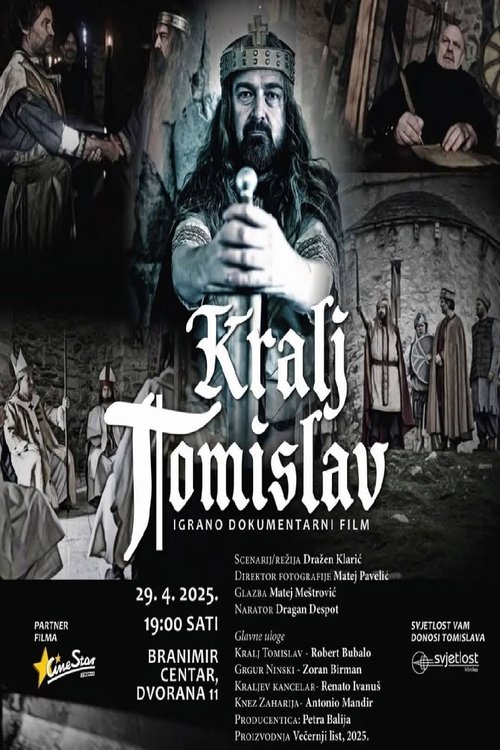
Tomislav the First of the Croatian Trpimirović dynasty is a figure shrouded in mystery. Was he really Croatia's first king? Was his army as powerful, feared and strong in numbers as Byzantine sources from the time claim? How did he manage to unite continental Croatia and the coastal cities in Dalmatia? How big was his kingdom? And which parts of his story are fact and which are fiction?
In the mid-1950s, an unnamed convict succsesfully manages to escape from the Goli Otok prison island, seeking shelter in a monastery on the nearby island of Rab and striking a kinship with one of the nuns in it. A few days later, an agent of the Yugoslav State Security Service arrives on the island, desperate to find the man's whereabouts. The nuns and the monks face a decision of their lifetime. Are they going to turn the wounded man they know nothing about to the authorities, or will they continue concealing him and risk their lives in the process?
The movie takes place in the early 18th century on the borders between Bosnia and Dalmatia, the crossroad between the Ottoman Empire and the Republic of Venice. It deals with issues relating to the region's native Croats as they struggle between to live between two empires and two faiths: Catholicism and Islam.
When journalist Lucija Car is sent to report on the demolition of Croatia’s oldest prison, she stumbles across a graveyard of unclaimed bodies and senses that there are more secrets to be unearthed. An absorbing crime thriller that interweaves the story of each newly discovered victim with Croatia’s dark political history.
Petar Gorjan is a 40-year-old successful propagandist and cynical strategist of consumerist society that is faced with family and identity crisis. He embarks on a journey from Zagreb to Dubrovnik, transporting humanitarian aid in his off-road vehicle, and on his way he will be accompanied by slightly mentally troubled Lukas and a vagabond girl.
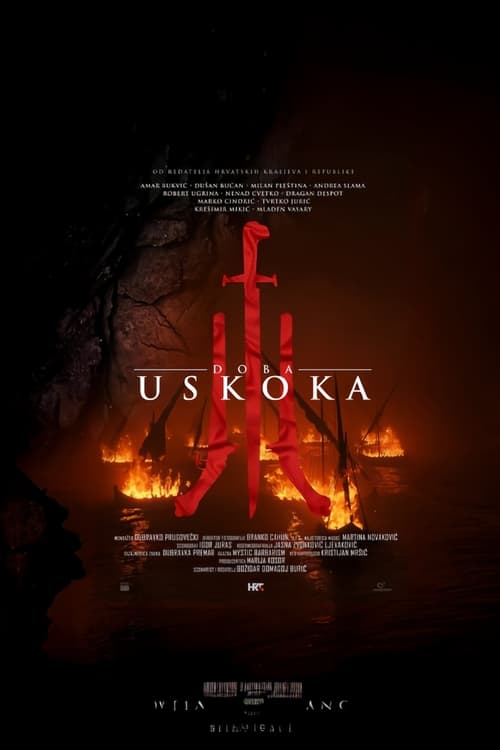
Feature documentary film on the phenomenon of Uskoks of Senj, legendary corsairs and anti-Osman soldiers from 16th and 17th century.
Apart from the fact that he feels neither as a citizen nor as a peasant, nothing binds the main protagonist to his place of birth in this typical Simunovic work about homo duplex, deeply contaminated with a feeling of pain.
An obscure actor is hired by the police to get a confession out of a dying mafioso.
Based on Krleza’s essay written in 1935 which warned about the rise of fascism and Nazism in pre-WWII Europe.
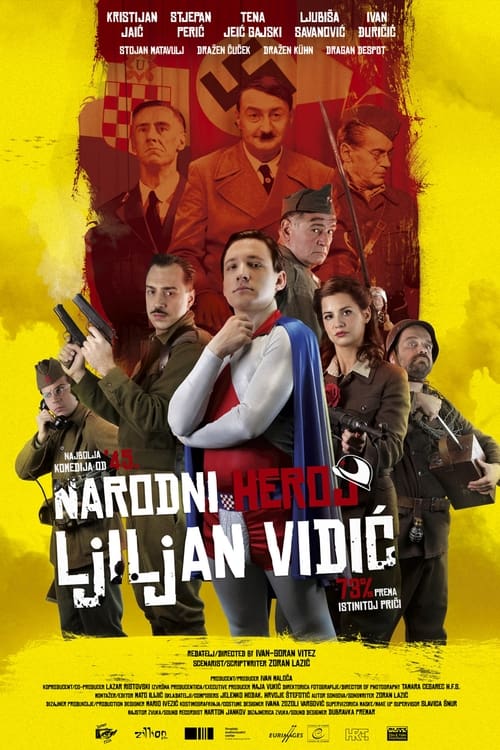
This comedy of the absurd is set in the Nazi puppet Independent State of Croatia (NDH) during World War II. The hero, Ljiljan is a young peasant poet who joins the Partisan movement just before it falls apart, abandoned by its leader Tito. The last remaining hope for resisting Nazism is to assassinate Hitler. Ljiljan’s task is to write a song that will allow his Partisan band to infiltrate the inner sanctum of the SS – by entering an SS talent show. If they win the competition, they will be invited to perform before Hitler and the NDH’s high command. This is a satirical coming-of-age tale with a difference, capturing the craziness, comedy and horror of war in the Balkans.
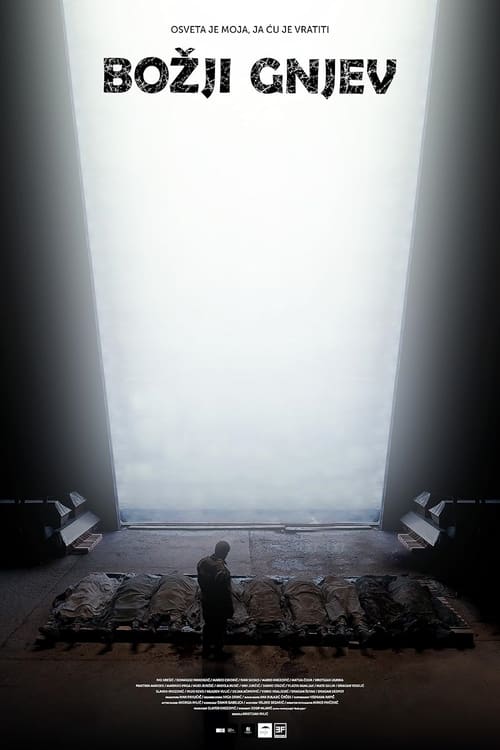
Ilija is a member of the Croatian Defence Council (HVO) somewhere in Central Bosnia in late 1993. One morning, after a routine mine laying campaign, he learns his younger brother Goran was killed far beyond enemy lines, together with eight other soldiers. Through a friend from the secret service, he finds out the mission was an unofficial one and that Goran and the others were acting as mercenaries. Ilija begins to expose a network of illegal activity involving not only the military, but high-ranking officials. As the investigation becomes more dangerous, his original intention to find out the truth slowly turns into a pathological mission of vengeance.