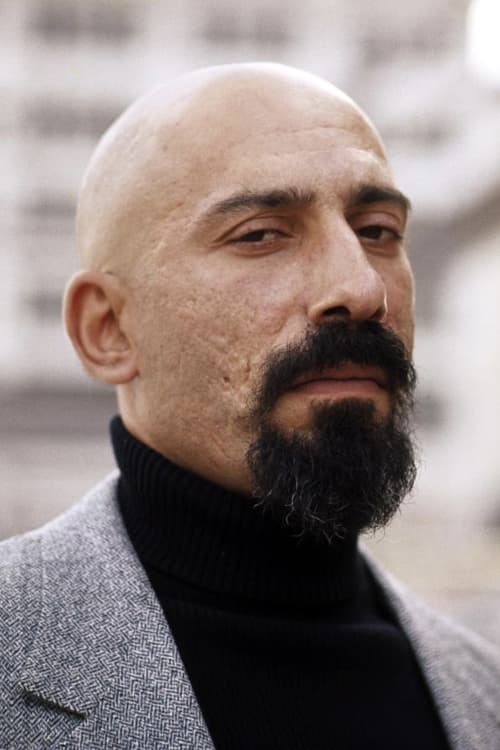
Sid Haig
Acting
Biography
Sid Haig (July 14, 1939 – September 21, 2019) was an American film actor known for blaxploitation films of the 1970s as well as his role as Captain Spaulding in Rob Zombie's horror films House of 1000 Corpses and The Devil's Rejects. He has appeared in many television programs during his career.
Known For

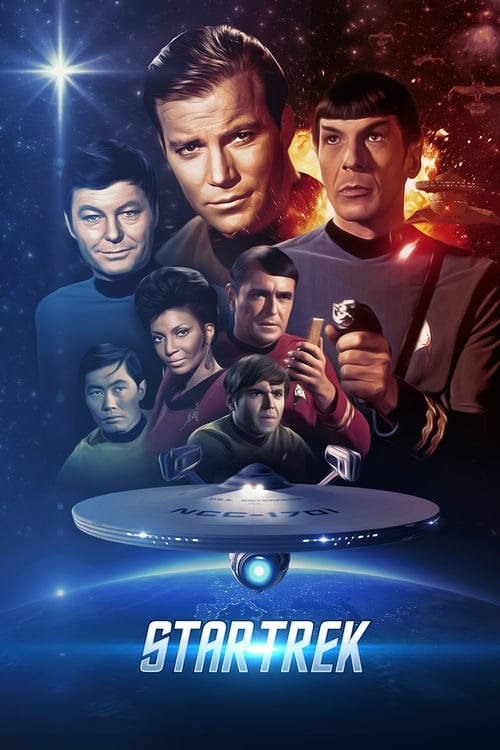
Space. The Final Frontier. The U.S.S. Enterprise embarks on a five year mission to explore the galaxy. The Enterprise is under the command of Captain James T. Kirk with First Officer Mr. Spock, from the planet Vulcan. With a determined crew, the Enterprise encounters Klingons, Romulans, time paradoxes, tribbles and genetic supermen led by Khan Noonian Singh. Their mission is to explore strange new worlds, to seek new life and new civilizations, and to boldly go where no man has gone before.
Star Trek

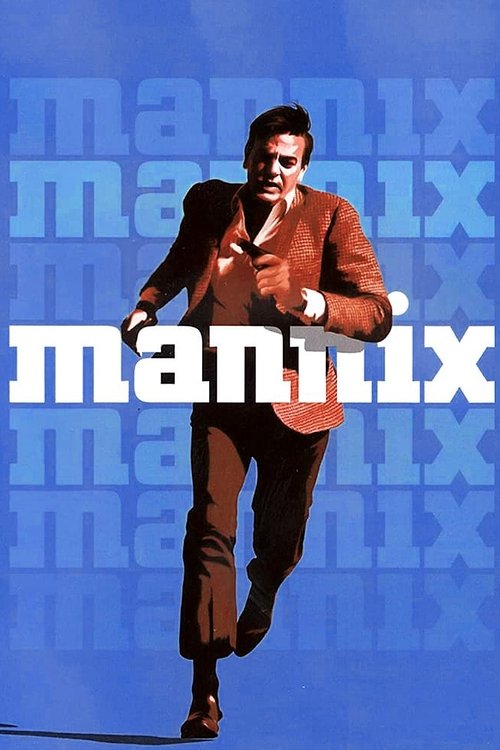
Mannix is an American television detective series that ran from 1967 through 1975 on CBS. Created by Richard Levinson and William Link and developed by executive producer Bruce Geller, the title character, Joe Mannix, is a private investigator. He is played by Mike Connors. Mannix was the last series produced by Desilu Productions.
Mannix

He's everyone's favorite action hero... but he's a hero with a difference. Angus MacGyver is a secret agent whose wits are his deadliest weapon. Armed with only a knapsack filled with everyday items he picks up along the way, he improvises his way out of every peril the bad guys throw at him. Making a bomb out of chewing gum? Fixing a speeding car's breaks... while he's riding in it? Using soda pop to cook up tear gas? That's all in a day's adventures for MacGyver. He's part Boy Scout, part genius. And all hero.
MacGyver

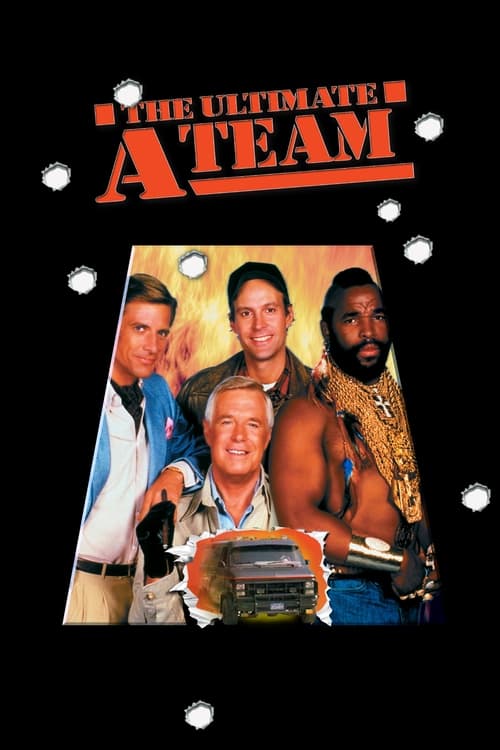
A fictional group of ex-United States Army Special Forces personnel work as soldiers of fortune while on the run from the Army after being branded as war criminals for a "crime they didn't commit."
The A-Team

Wealthy entrepreneur Bruce Wayne and his ward Dick Grayson lead a double life: they are actually crime fighting duo Batman and Robin. A secret Batpole in the Wayne mansion leads to the Batcave, where Police Commissioner Gordon often calls with the latest emergency threatening Gotham City. Racing to the scene of the crime in the Batmobile, Batman and Robin must (with the help of their trusty Bat-utility-belt) thwart the efforts of a variety of master criminals, including The Riddler, The Joker, Catwoman, and The Penguin.
Batman

A realistic glimpse into the daily lives of the officers and detectives at an urban police station.
Hill Street Blues

Beautiful, intelligent, and ultra-sophisticated, Charlie's Angels are everything a man could dream of... and way more than they could ever handle! Receiving their orders via speaker phone from their never seen boss, Charlie, the Angels employ their incomparable sleuthing and combat skills, as well as their lethal feminine charm, to crack even the most seemingly insurmountable of cases.
Charlie's Angels

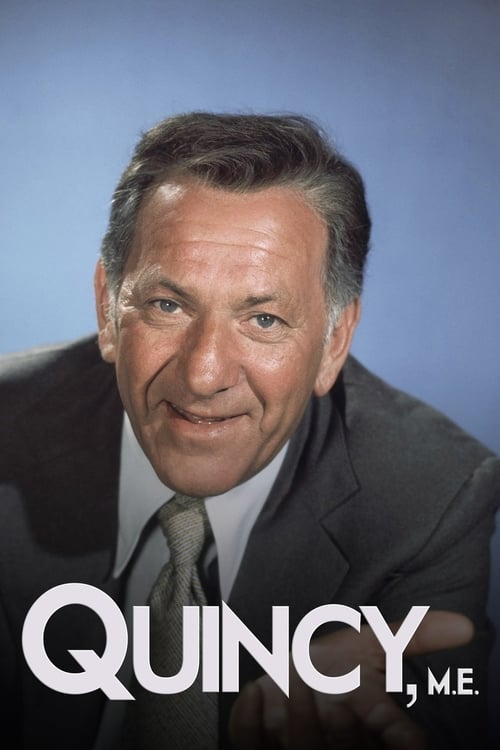
Los Angeles County medical examiner Quincy routinely engages in police investigations.
Quincy, M.E.

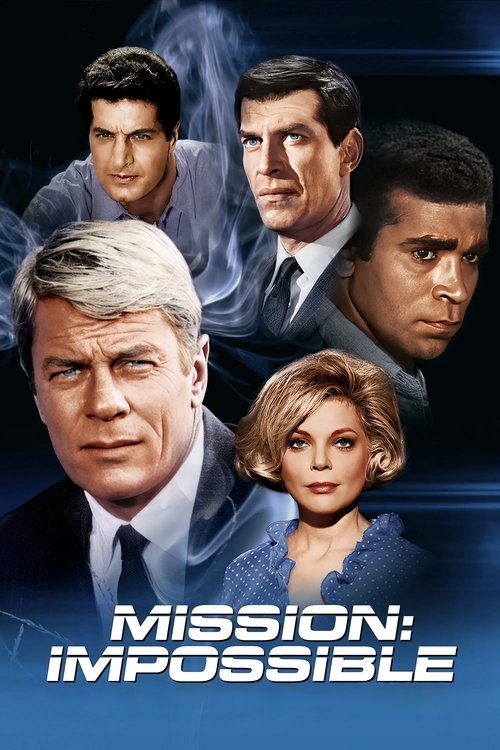
Mission: Impossible is an American television series that was created and initially produced by Bruce Geller. It chronicles the missions of a team of secret government agents known as the Impossible Missions Force. In the first season, the team is led by Dan Briggs, played by Steven Hill; Jim Phelps, played by Peter Graves, takes charge for the remaining seasons. A hallmark of the series shows Briggs or Phelps receiving his instructions on a recording that then self-destructs, followed by the theme music composed by Lalo Schifrin. The series aired on the CBS network from September 1966 to March 1973, then returned to television for two seasons on ABC, from 1988 to 1990, retaining only Graves in the cast. It later inspired a popular series of theatrical motion pictures starring Tom Cruise, beginning in 1996.
Mission: Impossible

Get Smart is an American comedy television series that satirizes the secret agent genre. Created by Mel Brooks with Buck Henry, the show stars Don Adams, Barbara Feldon, and Edward Platt. Henry said they created the show by request of Daniel Melnick, who was a partner, along with Leonard Stern and David Susskind, of the show's production company, Talent Associates, to capitalize on "the two biggest things in the entertainment world today"—James Bond and Inspector Clouseau. Brooks said: "It's an insane combination of James Bond and Mel Brooks comedy." This is the only Mel Brooks production to feature a laugh track. The success of the show eventually spawned the follow-up films The Nude Bomb and Get Smart, Again!, as well as a 1995 revival series and a 2008 film remake. In 2010, TV Guide ranked Get Smart's opening title sequence at No. 2 on its list of TV's Top 10 Credits Sequences, as selected by readers.
Get Smart

In the fictional town of Fernwood, Ohio, suburban housewife Mary Hartman seeks the kind of domestic perfection promised by Reader’s Digest and TV commercials. Instead she finds herself suffering the slings and arrows of outrageous fortune: mass murders, low-flying airplanes and waxy yellow buildup on her kitchen floor.
Mary Hartman, Mary Hartman

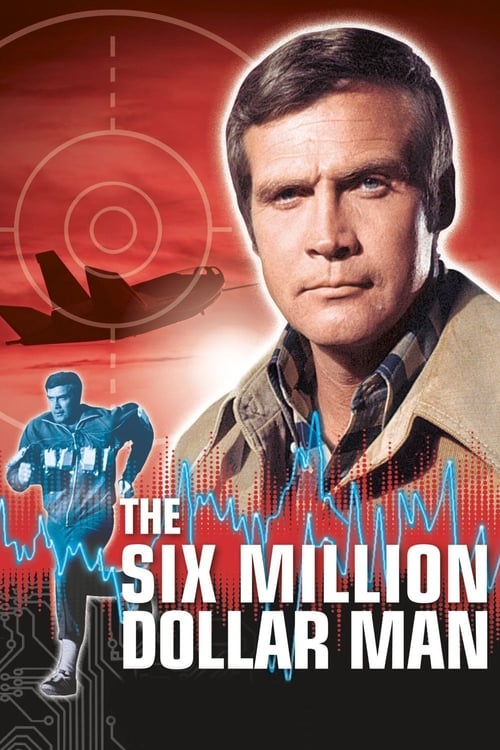
Follow the adventures of Steve Austin, cybernetically enhanced astronaut turned secret agent, employed by the OSI, under the command of Oscar Goldman and supervised by the scientist who created his cybernetics, Rudy Wells. Steve uses the superior strength and speed provided by his bionic arm and legs, and the enhanced vision provided by his artificial eye, to fight enemy agents, aliens, mad scientists, and a wide variety of other villains.
The Six Million Dollar Man

Cranky but likable L.A. PI Jim Rockford pulls no punches (but takes plenty of them). An ex-con sent to the slammer for a crime he didn't commit, Rockford takes on cases others don't want, aided by his tough old man, his lawyer girlfriend and some shady associates from his past.
The Rockford Files

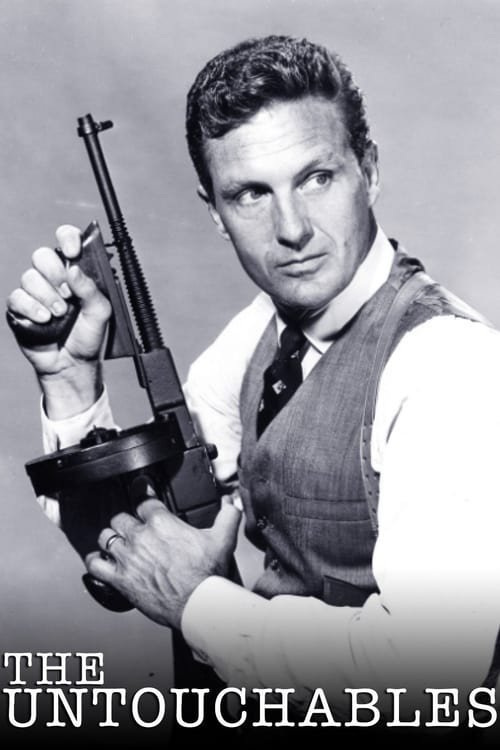
Special Agent Eliot Ness and his elite team of incorruptible agents battle organized crime in 1930s Chicago.
The Untouchables

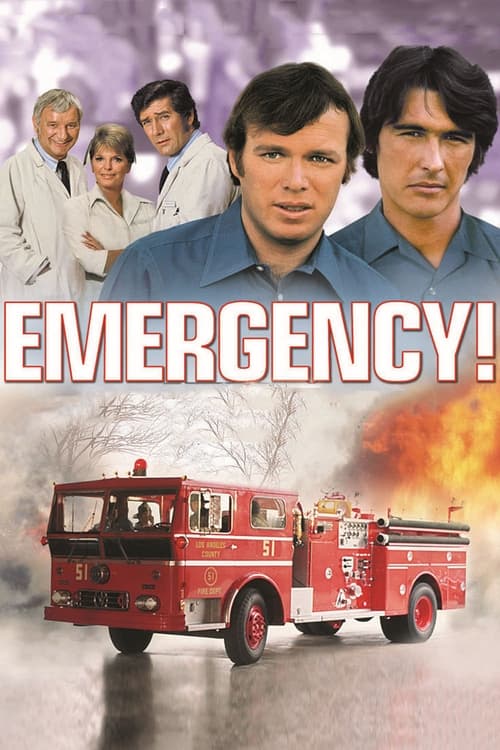
The crew of Los Angeles County Fire Department Station 51, particularly the paramedic team, and Rampart Hospital respond to emergencies in their operating area.
Emergency!

Sergeant Thomas Jefferson Hooker is a tough-as-nails veteran police officer with the LCPD who turns his back on a gold badge and goes back to patrolling the streets and training recruits. Along with his young partners in blue, Hooker take on Lake City's toughest criminals.
T. J. Hooker

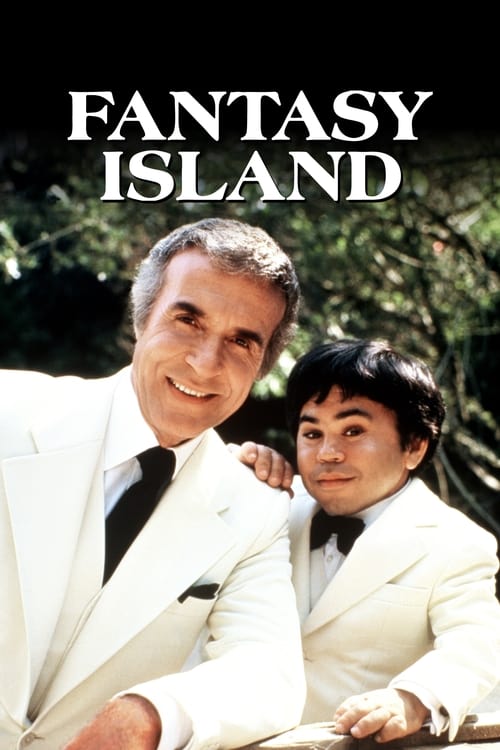
A magical island hosted by Mr Roarke and Tattoo where weekly guests learn valuable life lessons in their pursuit of fulfilling their dreams. Not all dreams are fulfilled as expected.
Fantasy Island

Daniel Boone is an American action-adventure television series starring Fess Parker as Daniel Boone that aired from September 24, 1964 to September 10, 1970 on NBC for 165 episodes, and was made by 20th Century Fox Television. Ed Ames co-starred as Mingo, Boone's Cherokee friend, for the first four seasons of the series. Albert Salmi portrayed Boone's companion Yadkin in season one only. Dallas McKennon portrayed innkeeper Cincinnatus. Country Western singer-actor Jimmy Dean was a featured actor as Josh Clements during the 1968–1970 seasons. Actor and former NFL football player Rosey Grier made regular appearances as Gabe Cooper in the 1969 to 1970 season. The show was broadcast "in living color" beginning in fall 1965, the second season, and was shot entirely in California and Kanab, Utah.
Daniel Boone

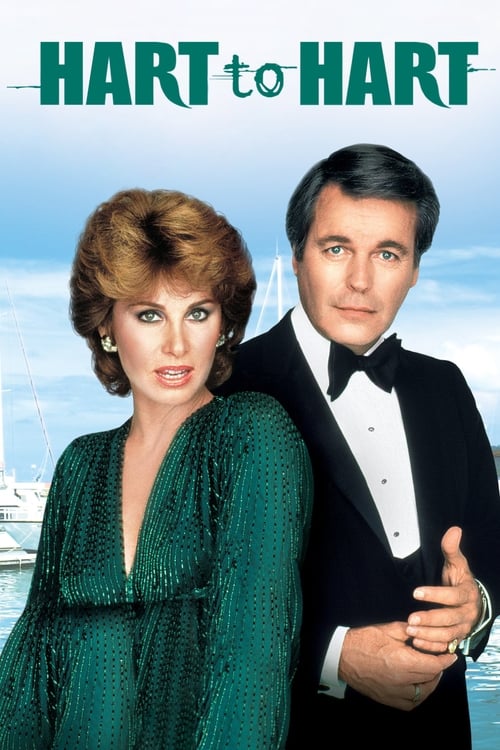
Wealthy couple Jonathan and Jennifer Hart, a self-made millionaire and his journalist wife, moonlight as amateur detectives.
Hart to Hart

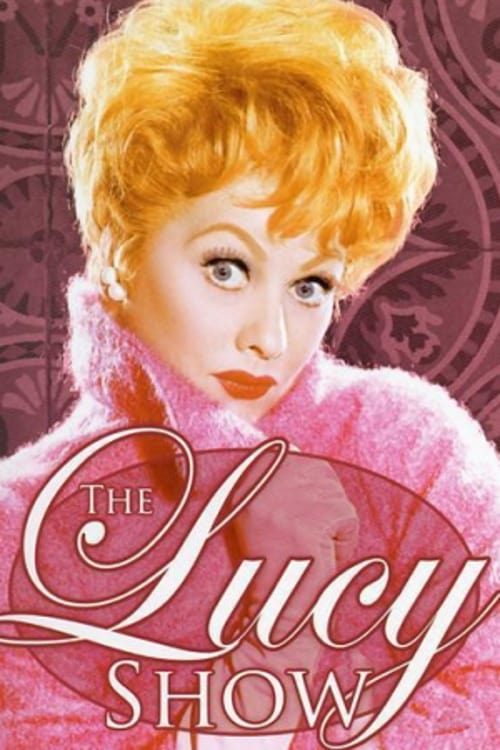
The Lucy Show is an American sitcom that aired on CBS from 1962–68. It was Lucille Ball's follow-up to I Love Lucy. A significant change in cast and premise for the 1965–66 season divides the program into two distinct eras; aside from Ball, only Gale Gordon, who joined the program for its second season, remained. For the first three seasons, Vivian Vance was the co-star. The earliest scripts were entitled The Lucille Ball Show, but when this title was declined, producers thought of calling the show This Is Lucy or The New Adventures of Lucy, before deciding on the title The Lucy Show. Ball won consecutive Emmy Awards as Outstanding Lead Actress in a Comedy Series for the series' final two seasons, 1966–67 and 1967–68.