FEEL IT.STREAM
Louis Aimé Augustin Le Prince

Louis Aimé Augustin Le Prince

Directing

Biography

Louis Aimé Augustin Le Prince was an inventor who shot the first moving pictures on paper film using a single lens camera. He has been heralded as the "Father of Cinematography" since 1930. A Frenchman who also worked in the United Kingdom and the United States, Le Prince conducted his ground-breaking work in 1888 in the city of Leeds, West Yorkshire, England. In October 1888, Le Prince filmed moving picture sequences, Roundhay Garden Scene and Traffic Crossing Leeds Bridge, using his single-lens camera and Eastman's paper film. These were several years before the work of competing inventors such as Auguste and Louis Lumière or Thomas Edison. He was never able to perform a planned public demonstration in the United States because he mysteriously vanished from a train on 16 September 1890. His body and luggage were never found, but, over a century later, a police archive was found to contain a photograph of a drowned man who could have been him. Not long after Le Prince's disappearance, Thomas Edison tried to take credit for the invention. But Le Prince’s widow and son, Adolphe, were keen to advance his cause as the inventor of cinematography. In 1898, Adolphe appeared as a witness for the defense in a court case brought by Edison against the American Mutoscope Company, claiming that Edison was the first and sole inventor of cinematography (and thus entitled to royalties for the use of the process). He was not allowed to present the two cameras as evidence (and so establish Le Prince’s prior claim as inventor) and eventually the court ruled in favor of Edison. A year later that ruling was overturned.

Known For

Buzzfeed Unsolved: True Crime
8.2

Hosts Ryan & Shane discuss mysteries surrounding notorious unsolved crimes.

Buzzfeed Unsolved: True Crime

2016
Roundhay Garden Scene
6.4

The earliest surviving motion-picture film, and believed to be one of the very first moving images ever created, was shot by Louis Aimé Augustin Le Prince using the LPCCP Type-1 MkII single-lens camera. It was taken on paper-based photographic film in the garden of Oakwood Grange, the Whitley family house in Roundhay, Leeds, West Riding of Yorkshire (UK), on 14 October 1888. The film shows Adolphe Le Prince (Le Prince’s son), Mrs. Sarah Whitley (Le Prince’s mother-in-law), Joseph Whitley, and Miss Harriet Hartley walking around in circles, laughing to themselves, and staying within the area framed by the camera. Roundhay Garden Scene is often associated with a recording speed of around 12 frames per second and runs for about 2 to 3 seconds.

Roundhay Garden Scene

1888
Man Walking Around a Corner
5.0

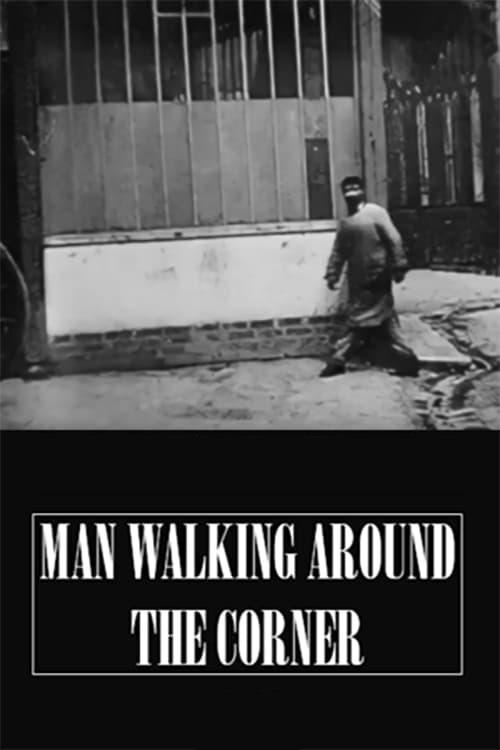
The last remaining production of Le Prince's LPCC Type-16 (16-lens camera) is part of a gelatine film shot in 32 images/second, and pictures a man walking around a corner. Le Prince, who was in Leeds (UK) at that time, sent these images to his wife in New York City in a letter dated 18 August 1887.

Man Walking Around a Corner

1887
Accordion Player
5.0

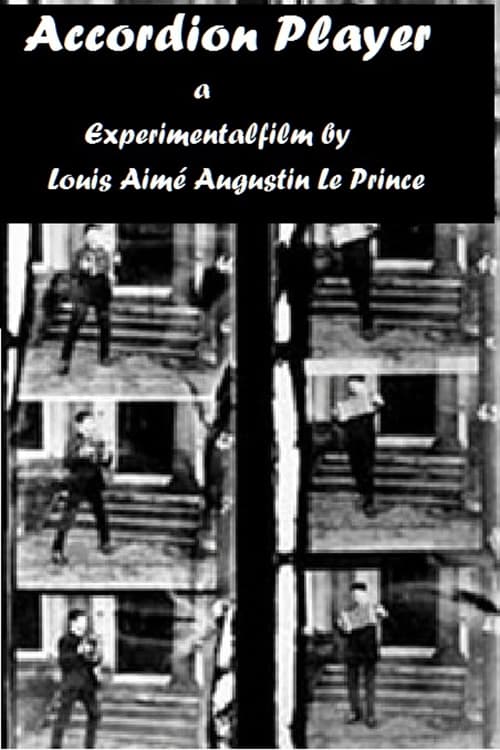
The last remaining film of Le Prince's LPCCP Type-1 MkII single-lens camera is a sequence of frames of his son, Adolphe Le Prince, playing a diatonic button accordion. It was recorded on the steps of the house of Joseph Whitley, Adolphe's grandfather.

Accordion Player

1888
Traffic Crossing Leeds Bridge
6.1

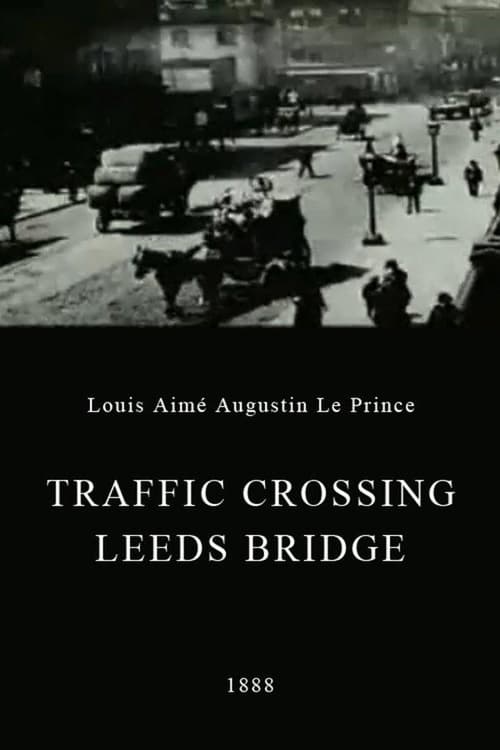
A film by Louis Aimé Augustin Le Prince, shot in late October 1888, showing pedestrians and carriages crossing Leeds Bridge.

Traffic Crossing Leeds Bridge

1888
EQUITY 6928
N/A

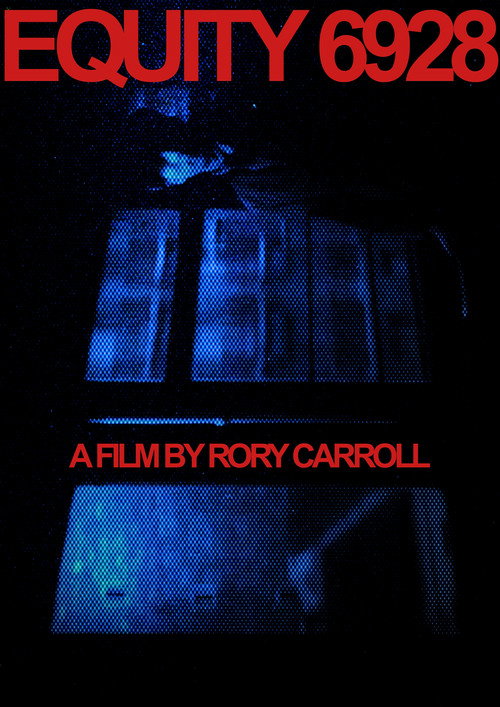
At the dawn of cinema and the notion of a moving image, a fierce battle commenced between inventors Louis Le Prince and Thomas Edison to conceive and design a machine capable of projecting multiple frames a second, thus taming light and shadow. EQUITY 6928, slips back in time through the archives and spins a tale of intrigue, murderous intent and nefarious corporate interests.

EQUITY 6928