Samuel Armstrong
Directing
Biography
Samuel Armstrong was an American animation director. Armstrong was an American animator and director best known for his work at Walt Disney Studios. He co-directed segments of the animated classics Fantasia (1940), including "Toccata and Fugue in D Minor" and "Night on Bald Mountain/Ave Maria," and Dumbo (1941). Armstrong's innovative contributions to animation helped shape the early successes of Disney's feature films.
Known For

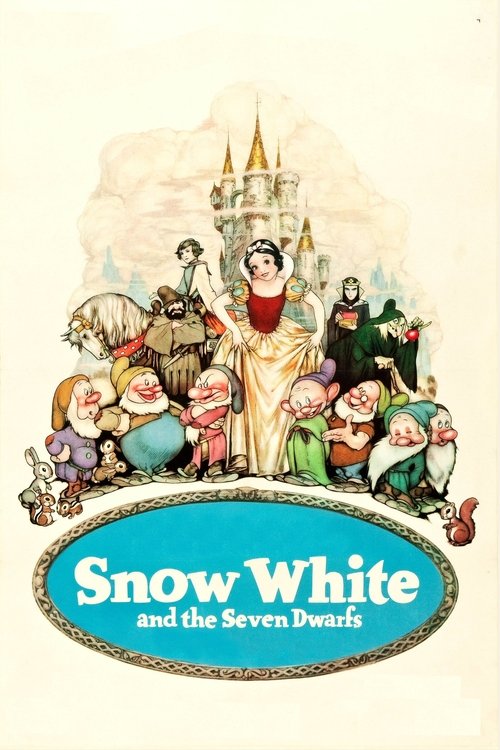
A beautiful girl, Snow White, takes refuge in the forest in the house of seven dwarfs to hide from her stepmother, the wicked Queen. The Queen is jealous because she wants to be known as "the fairest in the land," and Snow White's beauty surpasses her own.
Snow White and the Seven Dwarfs

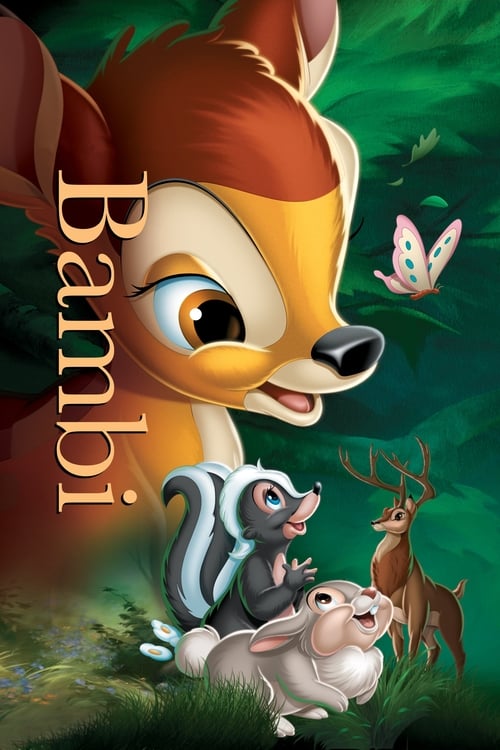
Bambi's tale unfolds from season to season as the young prince of the forest learns about life, love, and friends.
Bambi

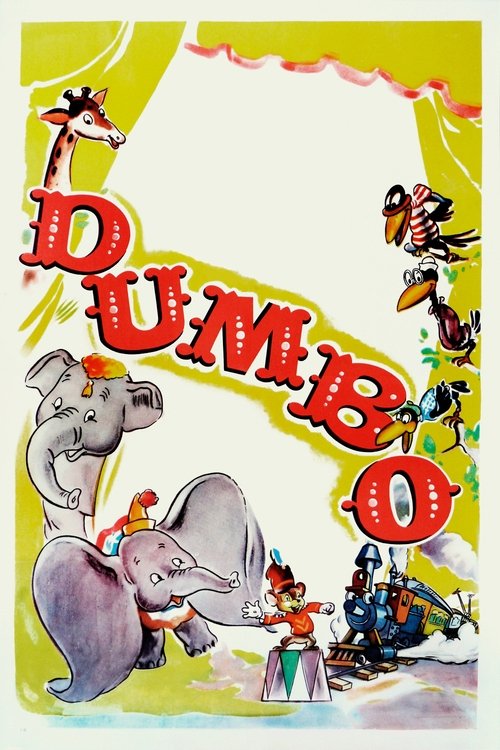
Dumbo is a baby elephant born with over-sized ears and a supreme lack of confidence. But thanks to his even more diminutive buddy Timothy the Mouse, the pint-sized pachyderm learns to surmount all obstacles.
Dumbo

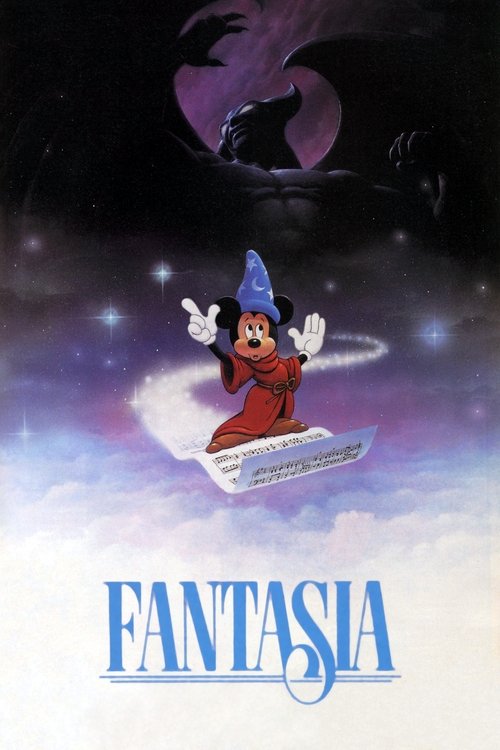
Walt Disney's timeless masterpiece is an extravaganza of sight and sound! See the music come to life, hear the pictures burst into song and experience the excitement that is Fantasia over and over again.
Fantasia

A meditative nighttime tour through a swamp to the title song. A stork walks slowly through the water, takes a brief flight, and lands again; we examine the ripples his movement makes. A second stork joins in on a second slow, sweeping flight.
Blue Bayou

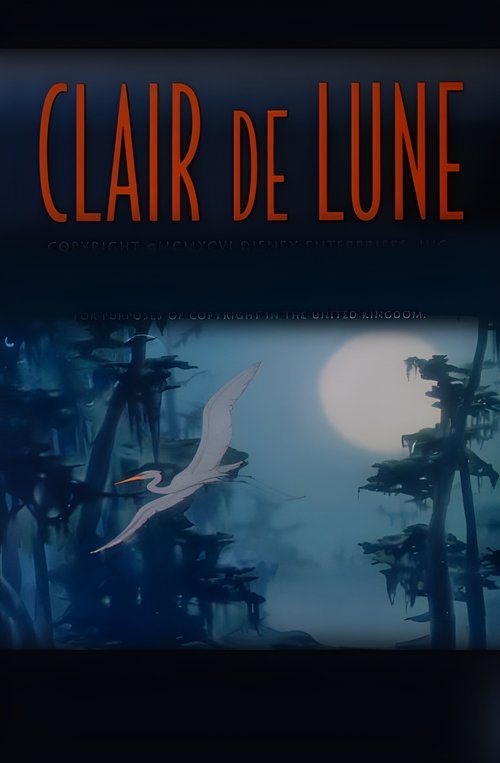
"Clair de Lune" was fully animated and scored when it was deleted from Fantasia in early 1940, a casualty of Fantasia's excessive length. In February 1942, inking, painting and technicolor photography were completed for "Clair de Lune" as a short subject, but it was not released. In 1946 it was edited , reshaped and re-scored as the popular music sequence "Blue Bayou" in "Make Mine Music". Previous attempts to recreate "Clair de Lune" were frustrated by missing animation and Stokowski footage. A nitrate workprint of the original version located in 1992 has allowed "Clair de Lune" to be completely reconstructed as Walt Disney intended it to be seen.
Clair de Lune

Behind the scenes of Snow White and the Seven Dwarves, as well as a general look at the different departments involved in making a cartoon. This short is a re-edit of A Trip Through the Walt Disney Studios. That short was intended for RKO executives, whereas this new expanded version was for the general public.
How Walt Disney Cartoons Are Made

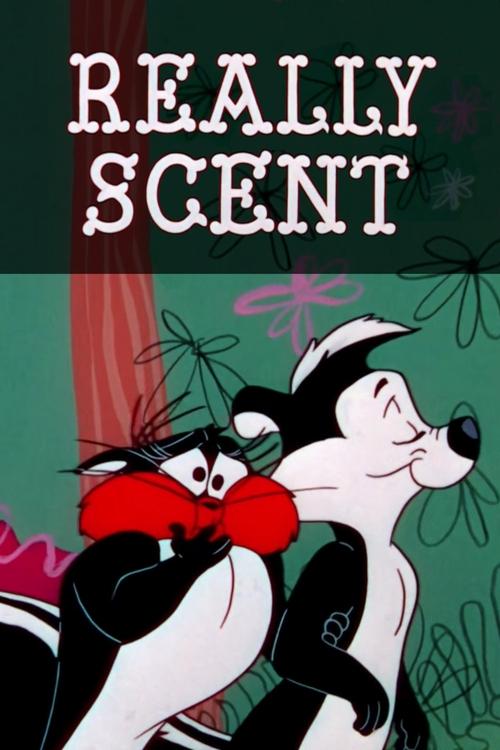
Pepe le Pew arrives in New Orleans, where Fabrette the black cat has been cursed with white stripes like a skunk, interfering with her chances to get married. Of course, a skunk is her perfect match... if she can stand the smell!
Really Scent

This 1937 short film was made at the request of Walt's distributor RKO Radio Pictures to show executives and theater managers who were interested in seeing how Walt Disney made his films. The footage was shot in early July of 1937 and features a plethora of notable Walt Disney Legends at work on some of Walt's most beloved films. While this film was never intended to be viewed by the general public, during the following year another documentary film was produced for general release titled How Walt Disney Cartoons Are Made that included some footage from this short.