Oscar Wilde
Writing
Biography
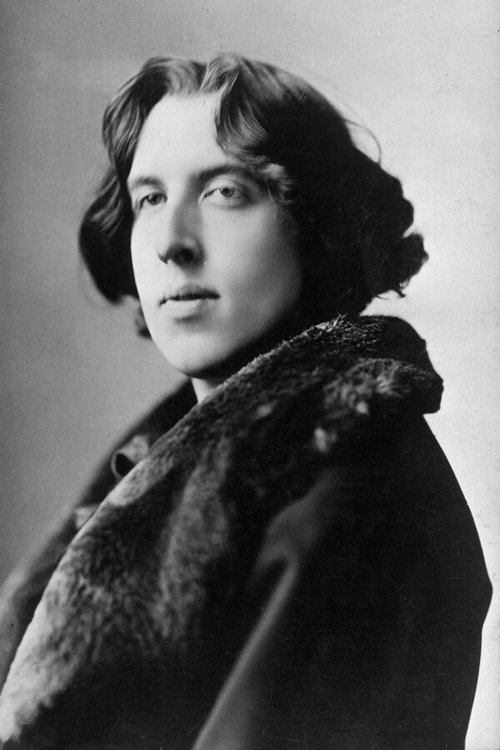
From Wikipedia, the free encyclopedia Oscar Fingal O'Flahertie Wills Wilde (16 October 1854 – 30 November 1900) was an Irish writer and poet. After writing in different forms throughout the 1880s, he became one of London's most popular playwrights in the early 1890s. Today he is remembered for his epigrams, plays and the circumstances of his imprisonment, followed by his early death. Wilde's parents were successful Dublin intellectuals, and their son showed his intelligence early by becoming fluent in French and German. At university Wilde read Greats; he proved himself to be an outstanding classicist, first at Dublin, then at Oxford. He became known for his involvement in the rising philosophy of aestheticism (led by two of his tutors, Walter Pater and John Ruskin), though he also profoundly explored Roman Catholicism, to which he would later convert on his deathbed. After university, Wilde moved to London into fashionable cultural and social circles. As a spokesman for aestheticism, he tried his hand at various literary activities: he published a book of poems, lectured in the United States of America and Canada on the new "English Renaissance in Art", and then returned to London where he worked prolifically as a journalist. Known for his biting wit, flamboyant dress, and glittering conversation, Wilde had become one of the most well-known personalities of his day. At the turn of the 1890s, he refined his ideas about the supremacy of art in a series of dialogues and essays, and incorporated themes of decadence, duplicity, and beauty into his only novel, The Picture of Dorian Gray (1890). The opportunity to construct aesthetic details precisely, and combine them with larger social themes, drew Wilde to write drama. He wrote Salome (1891) in French in Paris but it was refused a licence. Unperturbed, Wilde produced four society comedies in the early 1890s, which made him one of the most successful playwrights of late Victorian London. At the height of his fame and success, whilst his masterpiece, The Importance of Being Earnest (1895), was still on stage in London, Wilde sued the father of his lover, Lord Alfred Douglas, for libel. After a series of trials, Wilde was convicted of gross indecency with other men and imprisoned for two years, held to hard labour. In prison he wrote De Profundis (1905), a long letter which discusses his spiritual journey through his trials, forming a dark counterpoint to his earlier philosophy of pleasure. Upon his release he left immediately for France, never to return to Ireland or Britain. There he wrote his last work, The Ballad of Reading Gaol (1898), a long poem commemorating the harsh rhythms of prison life. He died destitute in Paris at the age of forty-six. Description above from the Wikipedia article Oscar Wilde, licensed under CC-BY-SA, full list of contributors on Wikipedia.

Known For

The best in the performing arts from across America and around the world including a diverse programming portfolio of classical music, opera, popular song, musical theater, dance, drama, and performance documentaries.
Great Performances

A BBC television anthology series featuring productions of classic and contemporary stage plays usually broadcast on BBC1. Each production featured a different work, often using prominent British stage actors in the leading roles. The series was transmitted from October 1965 to September 1983.
BBC Play of the Month

ITV Playhouse is a British comedy-drama TV series that ran from 1967 to 1983, which featured contributions from playwrights such as Dennis Potter, Rhys Adrian and Alan Sharp. The series began in black and white, but was later shot in colour and was produced by various companies for the ITV network, a format that would inspire Dramarama. Actors appearing in the series included Leslie Anderson, Gwen Nelson, Ricky Alleyne, Pat Heywood, Michael Elphick, Ian Hendry, Edward Woodward, Margaret Lockwood, Jessie Matthews and Lloyd Peters.
ITV Playhouse

No description available.
Alta comedia

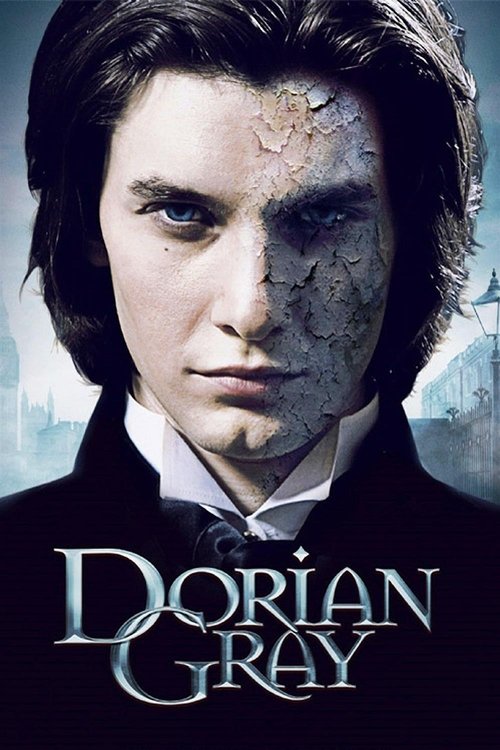
Seduced into the decadent world of Lord Henry Wotton, handsome young aristocrat Dorian Gray becomes obsessed with maintaining his youthful appearance, and commissions a special portrait that will weather the winds of time while he remains forever young. When Gray's obsession spirals out of control, his desperate attempts to safeguard his secret turn his once-privileged life into a living hell.
Dorian Gray

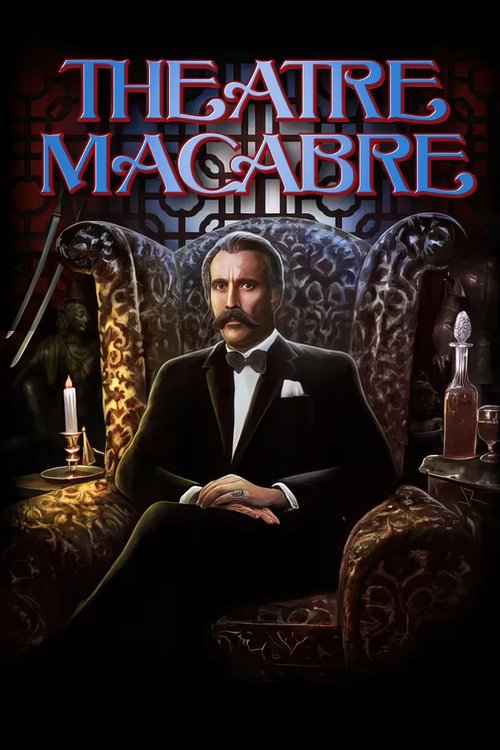
Christopher Lee hosts this horror anthology series from Poland with stories from various classic authors.
Theatre Macabre

A series of dramas featuring staged theatre plays.
Theatre Night

Armchair Theatre is a British television drama anthology series of single plays that ran on the ITV network from 1956 to 1974. It was originally produced by Associated British Corporation, and later by Thames Television from mid-1968.
Armchair Theatre

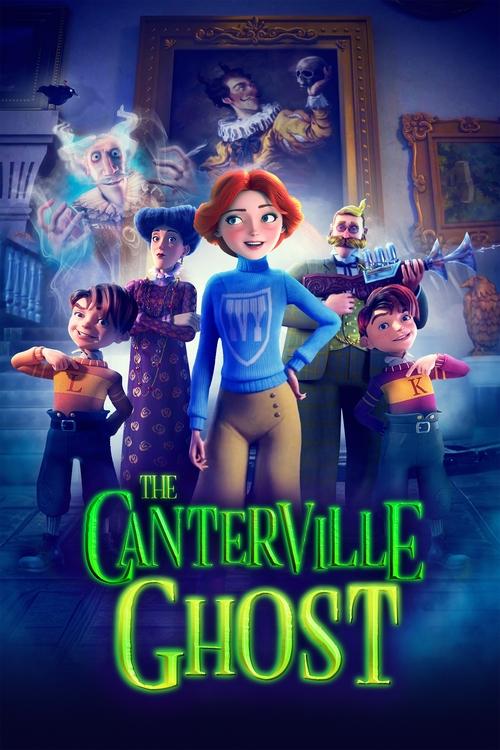
An American family moves in to the Canterville Chase, a London mansion that has been haunted by ghost Sir Simon De Canterville for 300 years.
The Canterville Ghost

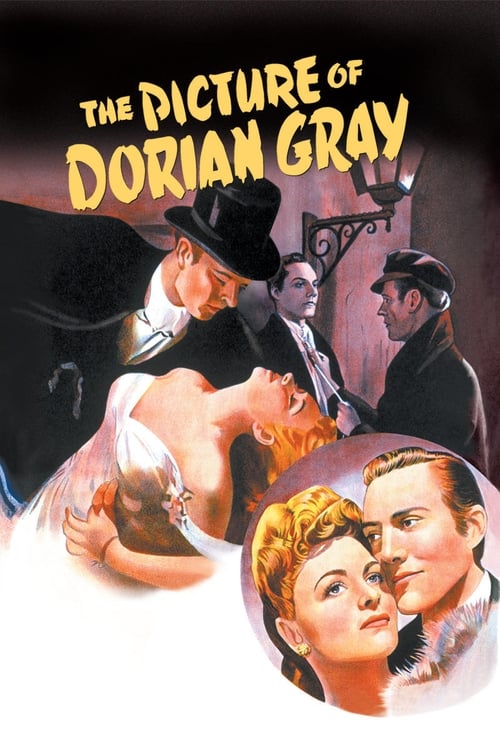
A corrupt young man somehow keeps his youthful beauty, but a special painting gradually reveals his inner ugliness to all.
The Picture of Dorian Gray

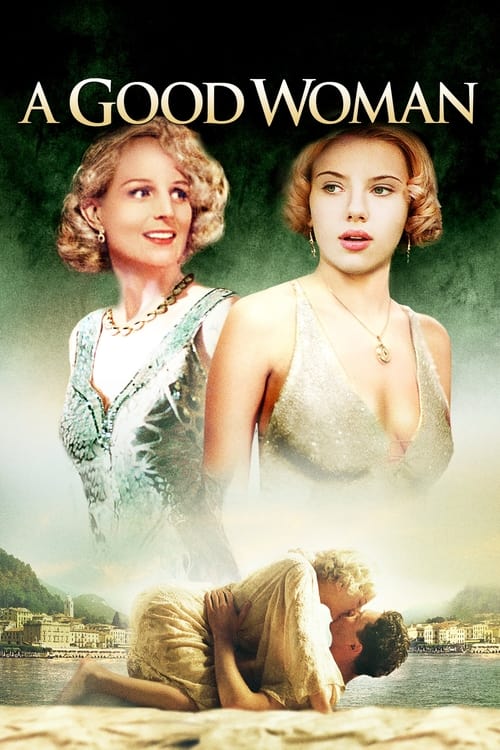
Fleeing 1930s New York and leaving behind a chequered past, the giltzy divorcee Mrs Stella Erlynne travels to Italy's sun-dappled Amalfi coast. Mrs Erlynne's appearance causes a stir amongst the visiting aristocracy. Based on the Oscar Wilde play "Lady Windemere's Fan."
A Good Woman

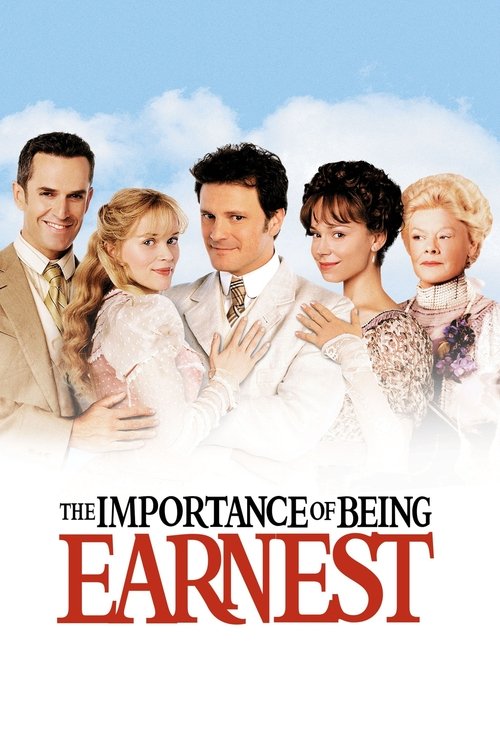
Two young gentlemen living in 1890s England use the same pseudonym ('Ernest') on the sly, which is fine until they both fall in love with women using that name, which leads to a comedy of mistaken identities.
The Importance of Being Earnest

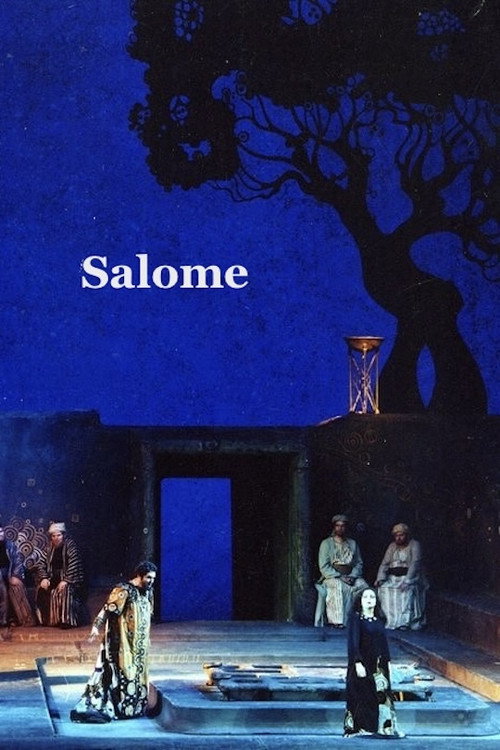
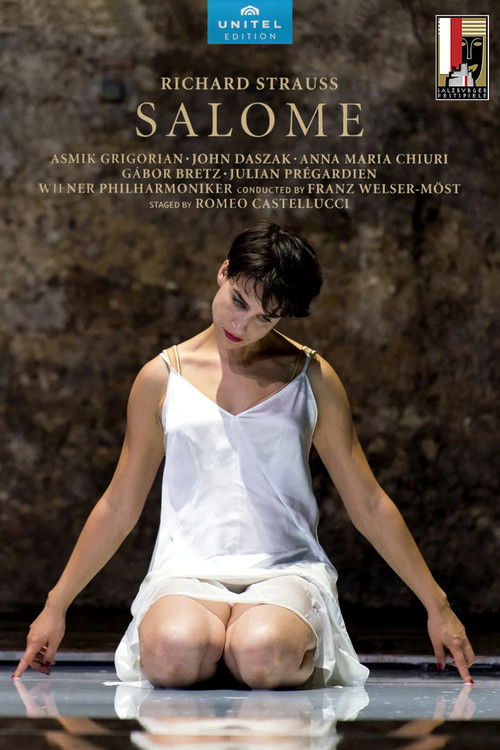
John the Baptist, the prophet of Israel, is imprisoned by Herod, governor of Judea for protesting Herod's marriage to his brother's wife. Jealousies rage and Herod's step-daughter and niece Salome seduces Herod by means of a torrid dance to give her the head of the prophet - but then tries to save the life of the man she has thus condemned. Updated to a WWII setting
Salomé

Sir Robert Chiltern is a successful government minister, well-off and with a loving wife. All this is threatened when Mrs Cheveley appears in London with damning evidence of a past misdeed. Sir Robert turns for help to his friend Lord Goring, an apparently idle philanderer and the despair of his father. Goring knows the lady of old, and, for him, takes the whole thing pretty seriously.
An Ideal Husband

Schroeter's virtuosic staging of the Oscar Wilde tragedy is a complex montage of image and sound, filmed on the grand steps of Baalbeck, the ancient Roman temple in Lebanon, and interweaving Lebanese and German folk songs with the music of Verdi, Wagner, Strauss, Mozart, Bellini, and Donizetti. Elfi Mikesch, the cinematographer of Schroeter’s later films, designed the film’s sumptuous costumes. A contemporary critic for Le Monde wrote admiringly of Schroeter’s depiction of "the deadly struggle between dark Christian morality and luminous paganism.“
Salome

When a teenaged girl moves to England, with her brothers and parents into the ancient Canterville Hall, she's not at all happy. Especially as there's a ghost and a mysterious re-appearing bloodstain on the hearth. She campaigns to go back home, and her dad, believing the ghost's pranks are Ginny's, is ready to send her back. But then Ginny actually meets the elusive 17th-century Sir Simon de Canterville (not to mention the cute teenaged duke next door), and she sets her hand to the task of freeing Sir Simon from his curse.
The Canterville Ghost

In documentary style, Al Pacino tells the story of how he came to stage a production of Oscar Wilde's Salomé. He travels to the Mojave Desert ("dessert?"), to Ireland and the United Kingdom to show who Wilde was as a private person and as a writer.
Wilde Salomé
No description available.
Portrét Doriana Graya

Lord Windermere appears to all – including his young wife Margaret – to be the perfect husband. The couple's happy marriage is placed at risk when he starts paying visits to a mysterious beautiful newcomer, Mrs. Erylnne, who is determined to make her entry into London's high society. Worse, the secret gets back to Margaret that Windermere has been giving Mrs. Erylnne large sums of money.
The Fan

Anthology film of three tales of the supernatural. The first story is set at the Mardi Gras in New Orleans. The second involves a psychic who predicts murder. The third is about a man who literally meets the girl of his dreams.