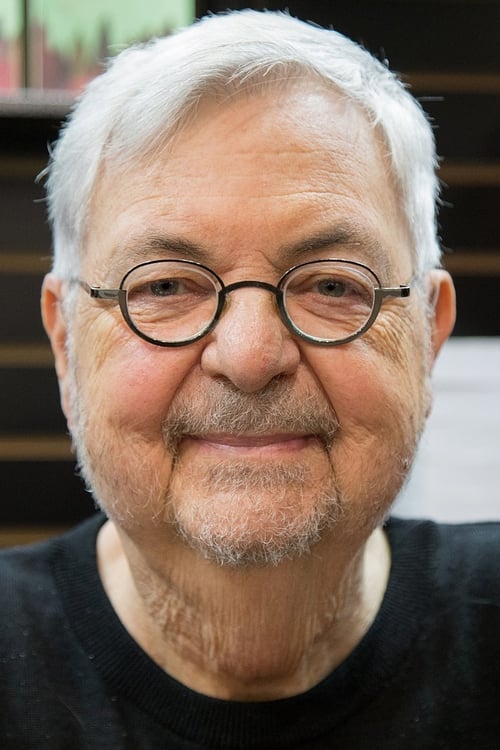
Michel Tremblay
Writing
Biography
Michel Tremblay (born 25 June 1942) is a French-Canadian novelist and playwright. Tremblay was born in Montreal, Quebec, where he grew up in the French-speaking neighbourhood of Plateau Mont-Royal; at the time of his birth, a neighbourhood with a working-class character and joual dialect - something that would heavily influence his work. Tremblay's first professionally produced play, Les Belles-Sœurs, was written in 1965 and premiered at the Théâtre du Rideau Vert on August 28, 1968. It transformed the old guard of Canadian theatre and introduced joual to the mainstream. It stirred up controversy by portraying the lives of working-class women and attacking the strait-laced, deeply religious society of mid-20th century Quebec. The most profound and lasting effects of Tremblay's early plays, including Hosanna and La Duchesse de Langeais, were the barriers they toppled in Quebec society. Until the Quiet Revolution of the early 1960s, Tremblay saw Quebec as a poor, working-class province dominated by an English-speaking elite and the Roman Catholic Church. Tremblay's work was part of a vanguard of liberal, nationalist thought that helped create an essentially modern society. His most famous plays are usually centred on gay characters. The first Canadian play about and starring a drag queen was his play Hosanna, which was first performed at Théâtre de Quat'Sous in Montreal in 1973. The women in his plays are usually strong but possessed with demons they must vanquish. It is said he sees Quebec as a matriarchal society. He is considered one of the best playwrights for women. In the late 1980s, Les Belles-sœurs ("The Sisters-in-Law") was produced in Scotland in Scots, as The Guid-Sisters ("guid-sister" being Scots for "sister-in-law"). His work has been translated into many languages, including Yiddish, and including such works as Sainte-Carmen de la Main, Ç'ta ton tour, Laura Cadieux, and Forever Yours, Marilou (À toi pour toujours, ta Marie-Lou). He has been openly gay throughout his public life, and he has written many novels (The Duchess and the Commoner, La nuit des princes charmants, Le Coeur découvert, Le Coeur éclaté) and plays (Hosanna, La duchesse de Langeais, Fragments de mensonges inutiles) centred on gay characters. In a 1987 interview with Shelagh Rogers for CBC Radio's The Arts Tonight, he remarked that he has always avoided behaviours he has considered masculine; for example, he does not smoke and he noted that he was 45 years old and did not know how to drive a car. "I think I am a rare breed," he said, "A homosexual who doesn't like men." He claims one of his biggest regrets in life was not telling his mother that he was gay before she died. ... Source: Article "Michel Tremblay" from Wikipedia in English, licensed under CC-BY-SA 3.0.
Known For
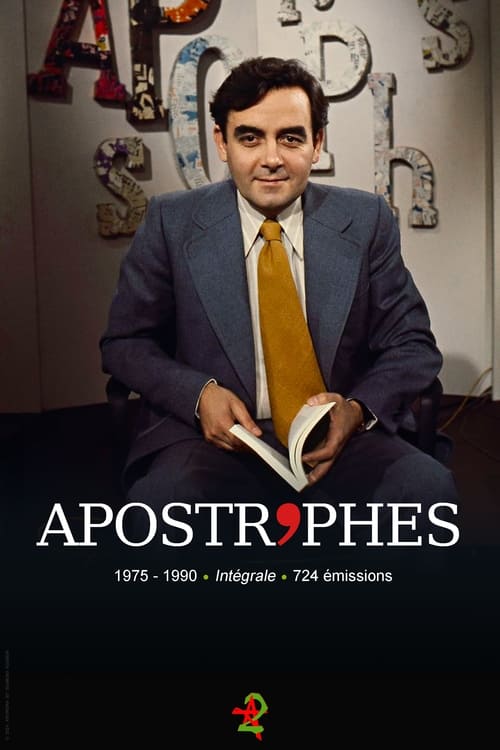
Apostrophes was a live, weekly, literary, prime-time, talk show on French television created and hosted by Bernard Pivot. It ran for fifteen years (724 episodes) from January 10, 1975, to June 22, 1990, and was one of the most watched shows on French television (around 6 million regular viewers). It was broadcast on Friday nights on the channel France 2 (which was called "Antenne 2" from 1975 to 1992). The hourlong show was devoted to books, authors and literature. The format varied between one-on-one interviews with a single author and open discussions between four or five authors.
Apostrophes
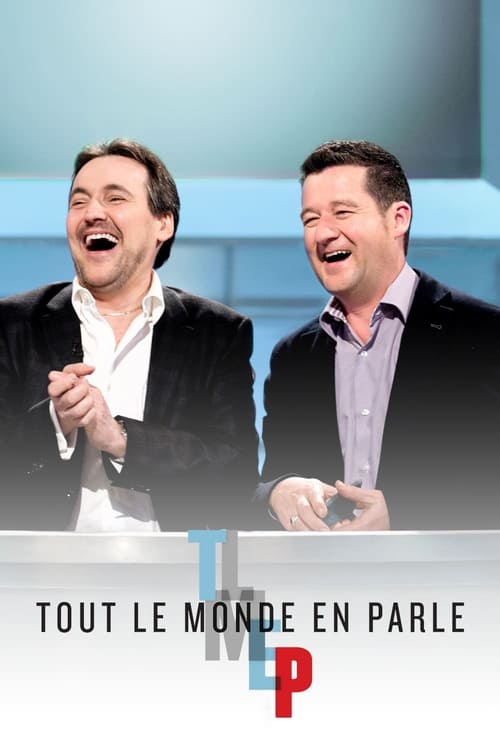
Host Guy A. Lepage brings together six to eight personalities from different milieus—sports, politics, stage productions and more—that are the subject of everyone’s conversations and/or are important figures in recent events. Participants are invited to speak freely, voicing their opinions on headline news or on a subject that is near and dear to them.
Tout le monde en parle
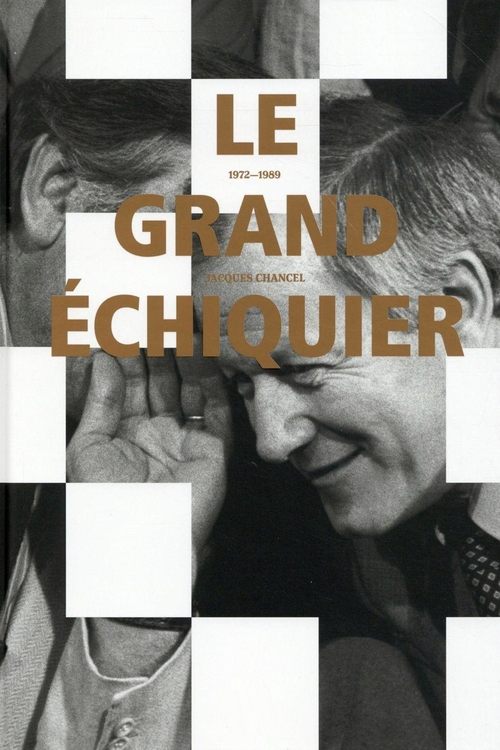
Le Grand Échiquier is a French variety television program created and presented by Jacques Chancel. It aired at 8:30 pm on the first channel of the ORTF from January 12, 1972 to July 12, 1972, then on the second color channel of the ORTF from September 1972 to December 1974, and finally on Antenne 2 from January 1975 to December 21, 1989. The program returned to France 2 on December 20, 2018 and is hosted by Anne-Sophie Lapix.
Le Grand Échiquier
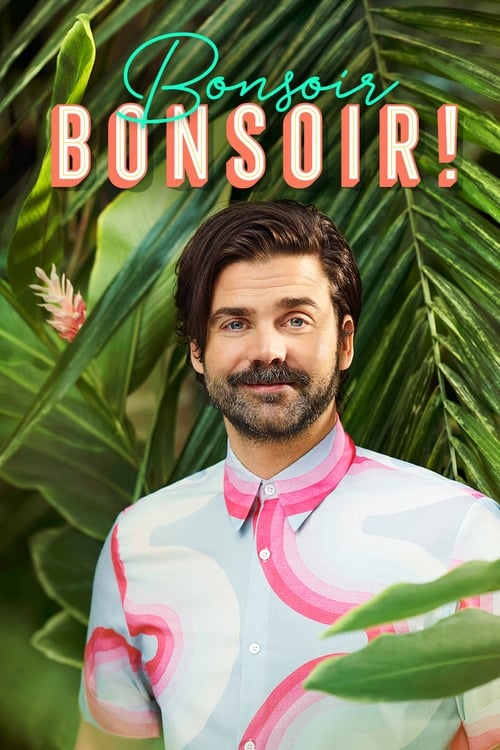
Each day, Jean-Philippe Wauthier welcomes guests on the show in warm, friendly setting. His interviews focus on their newsworthy achievements but also, and most importantly, on their passions, interests and opinions.
Bonsoir bonsoir!

No description available.
En direct de l'univers

Host Penelope McQuade welcomes three celebrities each evening, along with two different swapping contributors who will intervene, make critical comments and spice up the conversations!
Les échangistes

Public figures from different backgrounds meet each week. At first glance, these guests would seem to have little in common. However, something does unite them all: an event or experience that they have graciously agreed to share that justifies their seat at the same table. As the program unfolds, their shared history is gradually revealed.
Y'a du monde à messe
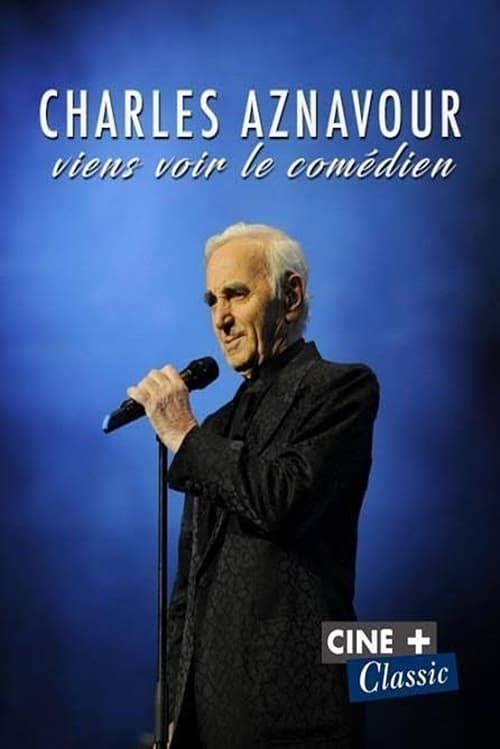
Viens voir les comédiens is a television show on the Canadian French-language arts and culture television network ARTV.
Viens voir les comédiens

Presented in the form of a large live set, the hosts enlightening interviews with personalities from all walks of life who have made their mark in the news.
Deux hommes en or

A culture show set hosted by Marc Labrèche and his collaborators, Simon Boulerice, Émilie Perreault and Fred Savard. Each week, based on a significant year in history, they revisit a cultural event of a previous era and compare it with today’s yardstick. The hosts and their guests examine subjects that link the chosen year to what’s hot in cultural circles right now.
Cette année-là

Patrice Bélanger and his team are here to give Quebecers a little boost to their lives with this show where fun and pleasure prevail. With a front row seat to events happening across the province, the show is the reference for summer culture. Above and beyond the artists featured, the show puts our entire province in the spotlight.
Sucré salé
A program that tackles major subjects – human, political, cultural, economic and ethical issues – and presents them in a debate format that encourages lively discussion.
Il va y avoir du sport
A magazine show about culture and trends and how they can shape society in unexpected ways.
Club social
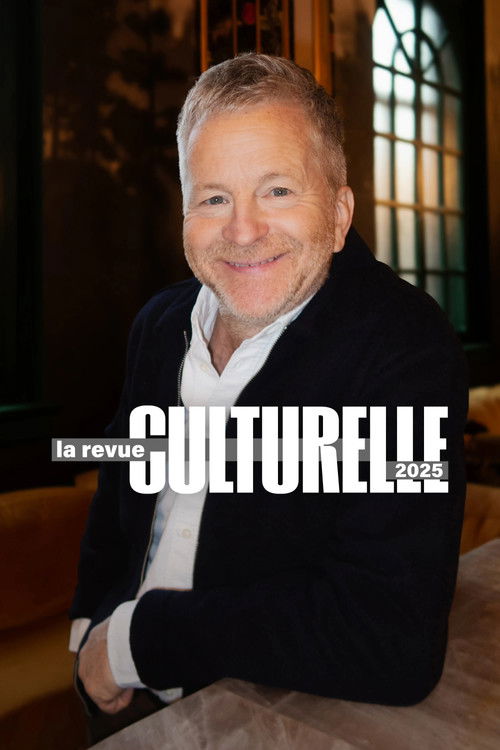
No description available.
La revue culturelle
No description available.
Cabine C
No description available.
MTL
No description available.
Les amuse-gueules
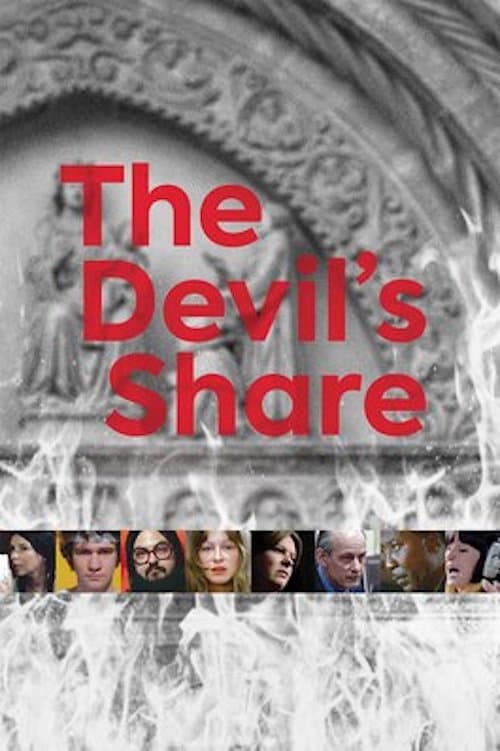
Quebec, on the cusp of the 1960s. The province is on the brink of momentous change. Deftly selecting clips from nearly 200 films from the National Film Board of Canada archives, director Luc Bourdon reinterprets the historical record, offering us a new and distinctive perspective on the Quiet Revolution.
The Devil's Share

A grocery-store worker in a small Canadian town gets a chance to appear on a popular television game show.
Geraldine's Fortune
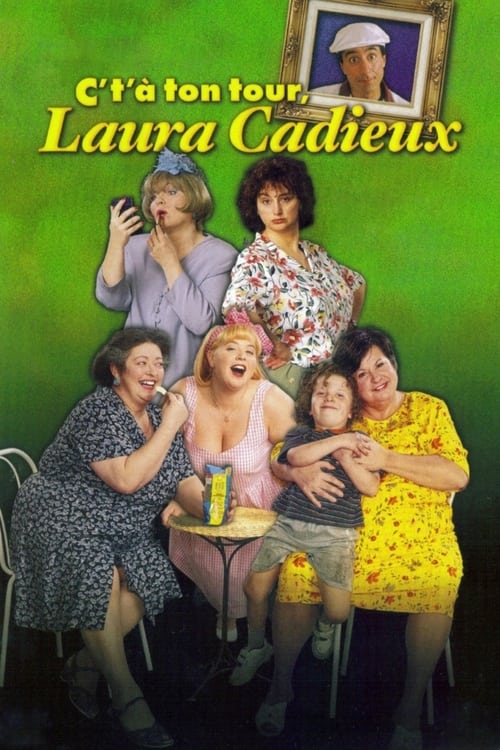
Large women with a zest for life gather weekly at a Montreal doctor's office to receive diet injections.