Acting
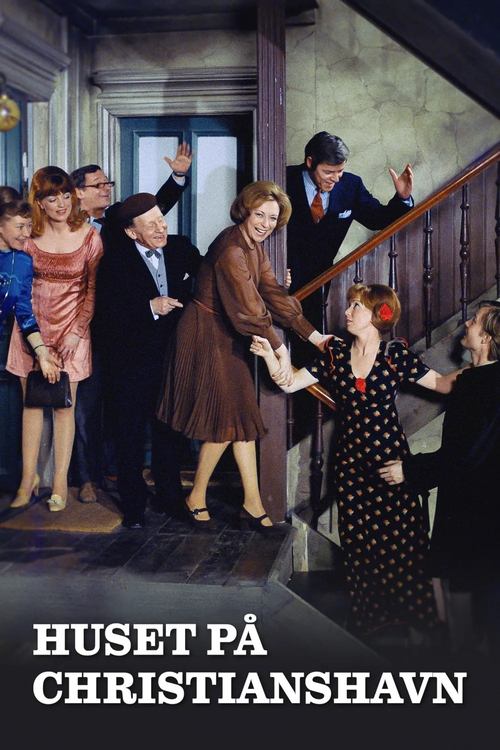
The series follows the residents of an apartment building on Copenhagen's Christianshavn, as they go about their daily lives and challenges. There is Olsen, a mover with an old fashion view of the world, Clausen who runs the local pet shop, Egon the career focused assistant, their wives who work hard to keep their spouses lives together, the young couple Tue and Rikke who recently moved in, the hard working caretaker Meyer, who never puts in to much effort, and of course Emma, the innkeeper of Rottehullet, where all the important decisions are made while running up the bar tab. The series was produced by Nordisk Film for Danmarks Radio TV station between the years 1970-77. The series' first director was Ebbe Langberg, then Erik Balling and Tom Hedegaard respectively. The series was conceived by an author team of well-known Danish authors such Leif Panduro, Benny Andersen, and Lise Nørgaard.
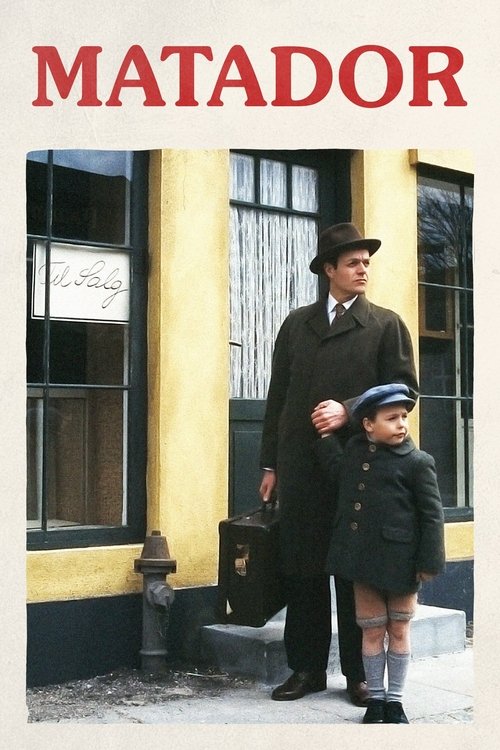
Matador is a Danish TV series produced and shown between 1978 and 1982. It is set in the fictional Danish town of Korsbæk between 1929 and 1947. It follows the lives of a range of characters from across the social spectrum, focusing specifically on the rivalry between the families of two businessmen: The banker Hans Christian Varnæs, an established local worthy, and social climber Mads Skjern, who arrives in town as the series opens. The name Matador was taken from the localised edition of the boardgame Monopoly, also the series' tentative English title. In addition, in contemporary Danish a "matador" is often used to describe a business tycoon, in the series referring to the character of Mads Skjern and his craftiness as a self-made entrepreneur. Directed by famed Danish film maker Erik Balling, Matador was the idea of author Lise Nørgaard who wrote the bulk of the episodes alongside Karen Smith, Jens Louis Petersen and Paul Hammerich. The series is one of the most well-known and popular examples of Danish television and represents the peak of longtime development of Danish TV drama by the public service channel Danmarks Radio. The series has become part of the modern self-understanding of Danes, partly because of its successful mix of melodrama and a distinct warm Danish humour in the depiction of characters, which were portrayed by a wide range of the most popular Danish actors at the time; but also not least because of its accurate portrayal of a turbulent Denmark from around the start of the Great Depression and through Nazi Germany's occupation of Denmark in World War II.
No description available.
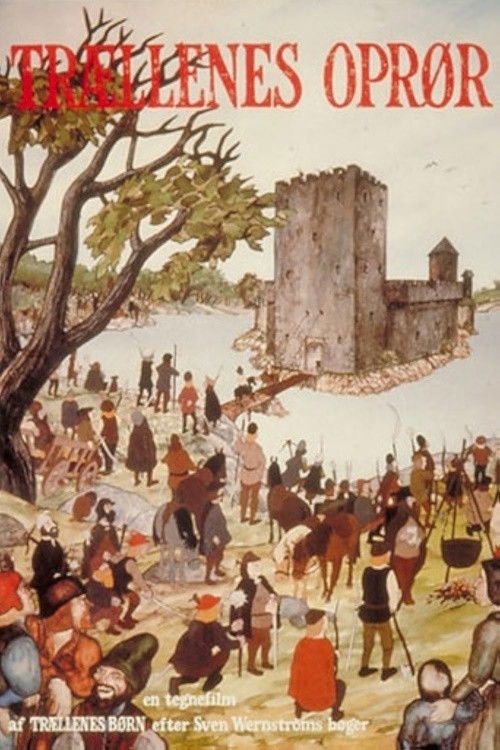
A three part story about the plague, religion and revolt in Northern Europe in the period 1349 to 1542.
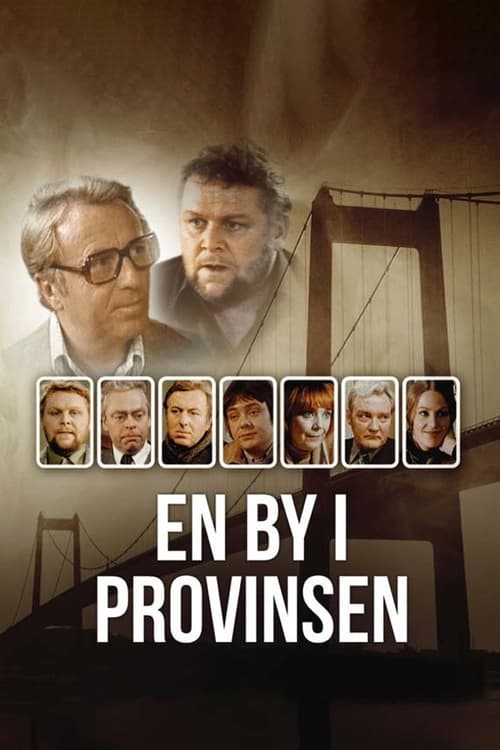
In 1970s Denmark, the criminal police in a provincial town solve different criminal cases, when the police was dominated by men and DNA was not yet a tool in investigation.
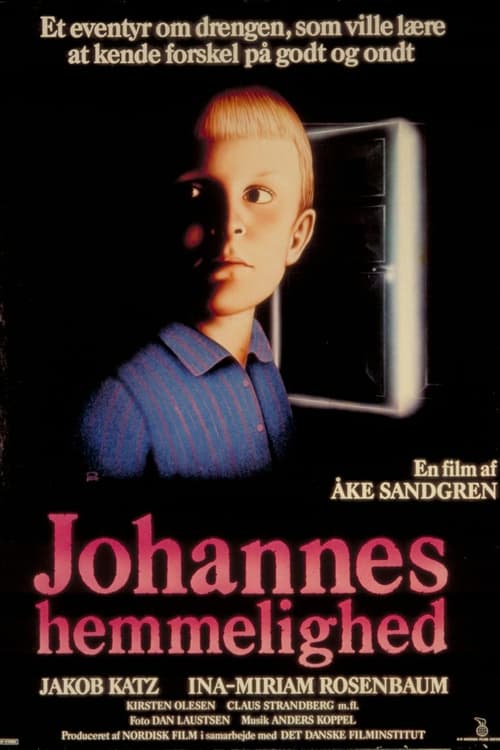
Johannes is upset because his parents have divorced and because his father never phones him. Before going to bed he wants his mother to read something from the Bible for him, instead of one of the usual stories from Superman. She reads some lines from the Revelation of St. John. Johannes asks her what "the end is near" means. She explains that it is when Jesus comes back, and sends the good people to Paradise and the evil ones to Hell. In the middle of the night Johannes sees a dazzling light and lots of water pouring out from the toilet. Suddenly an androgynous being is standing in the bathroom. Johannes thinks it's Jesus, and the being doesn't deny it. Johannes asks Jesus if his parents are going to Hell, as he thinks they are evil.
With sinister intentions, evil sorcerer Noureddin lures the young Aladdin into a dark cave to retrieve an old lamp that doesn't look like anything special. But: When Aladdin rubs it, the genie of the lamp appears and can grant any of his wishes, whether it's the princess or the entire kingdom.
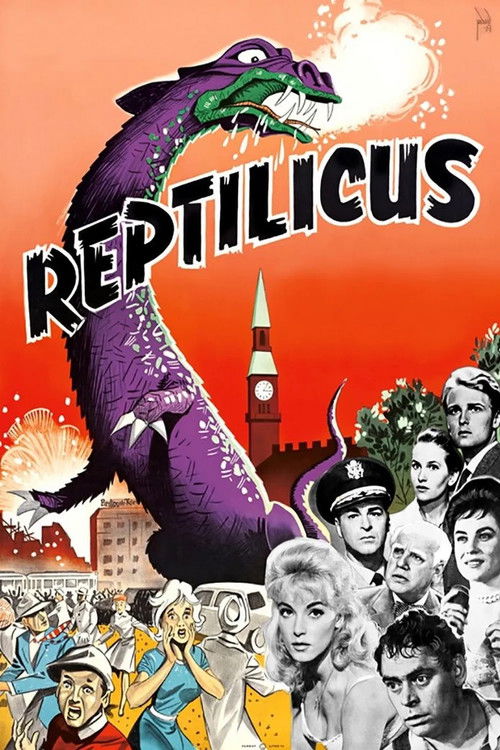
A portion of the tail of a prehistoric reptile is discovered in Denmark. It regenerates into the entire reptile, which proceeds to destroy buildings and property and generally make a nuisance of itself. It can fly, swim, and walk, and has impenetrable scales, which makes it difficult to kill.
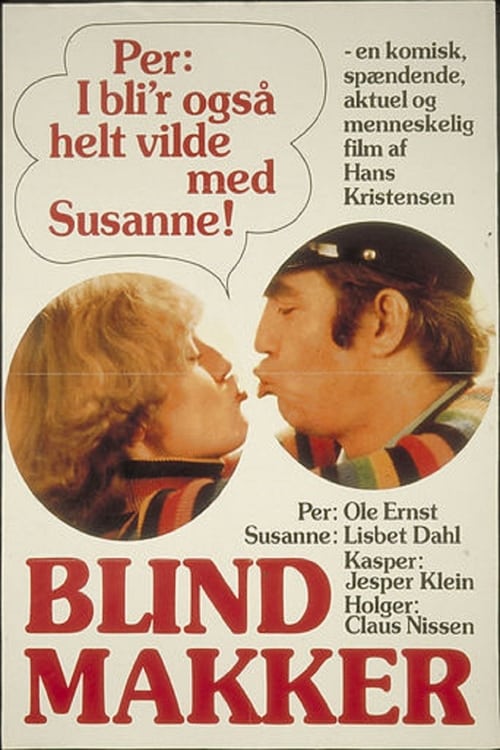
The last part of the trilogy about the Vesterbro Root Per, which differs from "The Flight" (1973) and "Per" (1975) by being more comedy. Per has become socially adapted, he gets married and gets permanent work. In his rise live two originals, Kasper and his blind friend Holger, who are busy revealing housing fraud in the neighborhood.
Samson is a young whale that doesn't have friends. He spends his time listening to his mother's stories about the legendary whale Moby Dick. Samson becomes fascinated about it and decides to go on a journey to find Moby Dick.
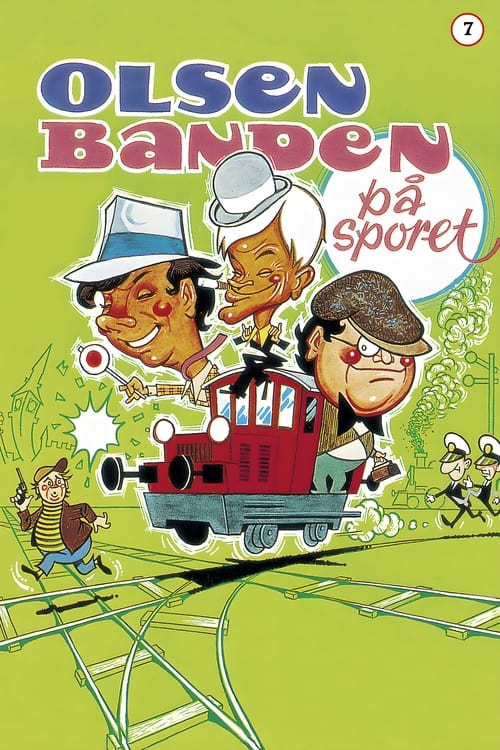
The first of 14 Olsen Gang films presents us with Egon Olsen, head of the gang, and his friends Benny and Kjeld, who want to become the best known gang in Denmark and eventually Europe by stealing a famous Bavarian work of art currently displayed in a Copenhagen museum. Although Egon's plan works out fine, there is only trouble ahead for the little gang.
After copper miners discover a piece of the frozen tail of a giant prehistoric reptile in Lapland, scientists inadvertently bring it back to life.
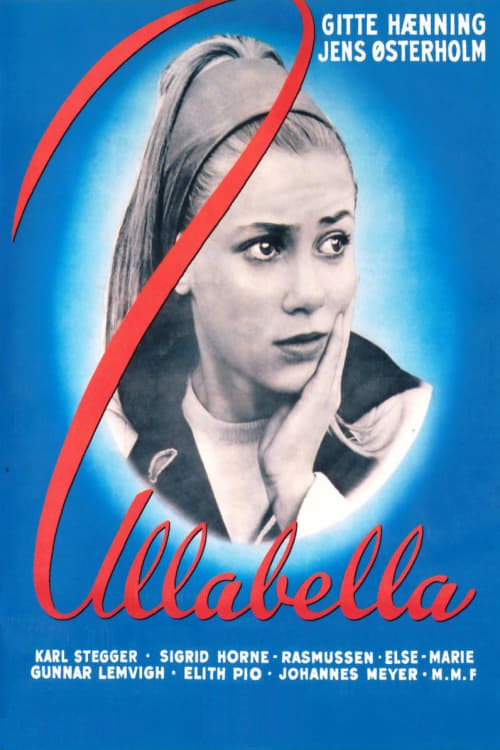
Ullabella is a dreamy teenager who is in love with her teacher. But one day, when she refuses to do as he says, he slaps her. Ullabella tells her family about it, and then the case begins. Ullabella's mother and uncle, who is a politician, take the case all the way to the political level and demand at least an apology from the teacher. He refuses to give one, but a solution to the case is found nonetheless.
Egon and his two cronies managed to sneak a fortune with them to Spain. Here they live a life in a whirl of pleasures, but they are not truly happy. While Egon always has the money chained to him, Bøffen still manages to steal them. Egon ends up in jail once again, and when he comes out, he has a brilliant plan.