Patricio Guzmán
Directing
Biography
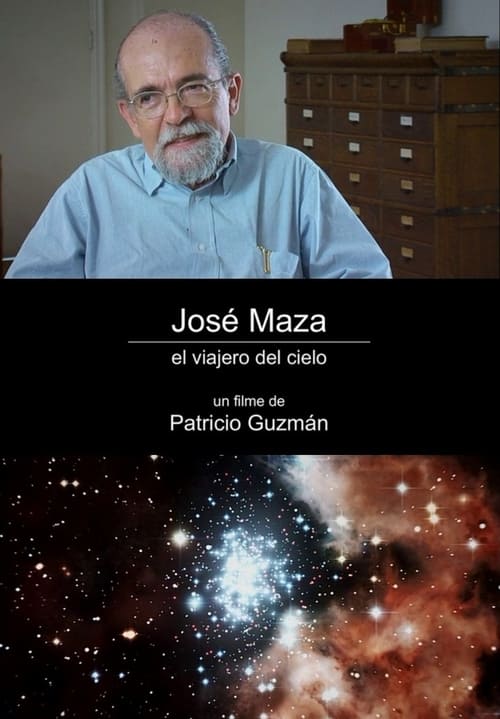
Patricio Guzmán Lozanes is a Chilean documentary film director. He is internationally renowned for films such as The Battle of Chile and Salvador Allende. Guzmán also teaches documentary film classes in Europe and Latin America, and is the founder and director of the International Documentary Festival of Santiago (Fidocs). He currently lives in France. His 1983 film The Compass Rose was entered into the 13th Moscow International Film Festival.

Known For

Daily interviews discussing the guest's personal lives and national contingency.
Mentiras verdaderas

Underappreciated actor Jack Noah is on location in Parador at the time the dictator dies. The dictator's right-hand man makes Jack an offer he cannot refuse... to play the dictator. Jack's acting skills fool the masses but not close friends and employees of the dictator.
Moon Over Parador

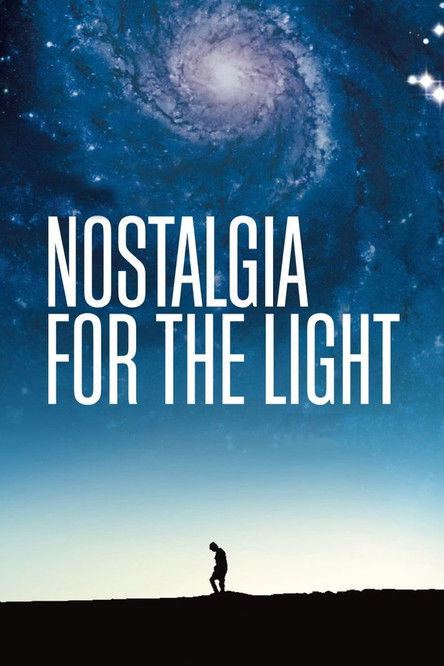
In Chile's Atacama Desert, astronomers peer deep into the cosmos in search for answers concerning the origins of life. Nearby, a group of women sift through the sand searching for body parts of loved ones, dumped unceremoniously by Pinochet's regime.
Nostalgia for the Light

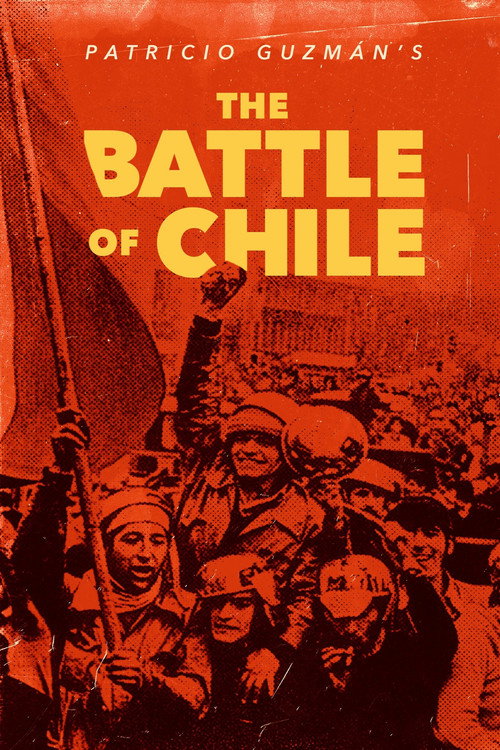
The chronicle of the political tension in Chile in 1973 and of the violent counter revolution against the democratically elected government of Salvador Allende.
The Battle of Chile: Part I

Why are we still able, today, to view images that were captured over 125 years ago? As we enter the digital age, audiovisual heritage seems to be a sure and obvious fact. However, much of cinema and our filmed history has been lost forever. Archivists, technicians and filmmakers from different parts of the world explain what audiovisual preservation is and why it is necessary. The documentary is a tribute to all these professionals and their important work.
Film: The Living Record of Our Memory

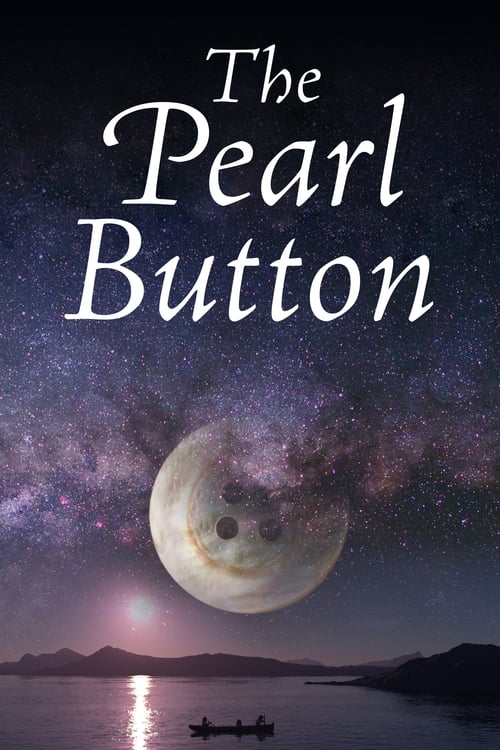
The ocean contains the history of all humanity. The sea holds all the voices of the earth and those that come from outer space. Water receives impetus from the stars and transmits it to living creatures. Water, the longest border in Chile, also holds the secret of two mysterious buttons which were found on its ocean floor. Chile, with its 2,670 miles of coastline and the largest archipelago in the world, presents a supernatural landscape. In it are volcanoes, mountains and glaciers. In it are the voices of the Patagonian Indigenous people, the first English sailors and also those of its political prisoners. Some say that water has memory. This film shows that it also has a voice.
The Pearl Button

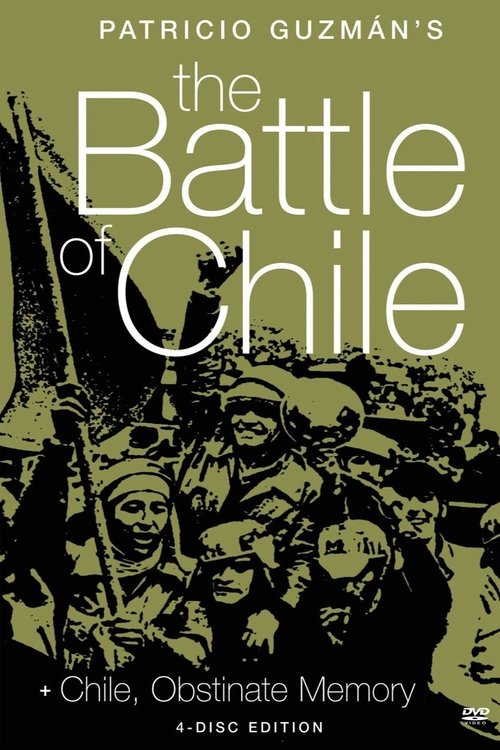
On September 11, 1973, President Salvador Allende's democratically elected Chilean government was overthrown in a bloody coup by General Augusto Pinochet's army. Patricio Guzmán and five colleagues had been filming the political developments in Chile throughout the nine months leading up to that day. The bombing of the Presidential Palace, in which Allende died, would now become the ending for Guzmán's seminal documentary The Battle of Chile (1975-76), an epic chronicle of that country's open and peaceful socialist revolution, and of the violent counter-revolution against it. This four part series includes interviews with survivors and Patricio Guzman
The battle of Chile

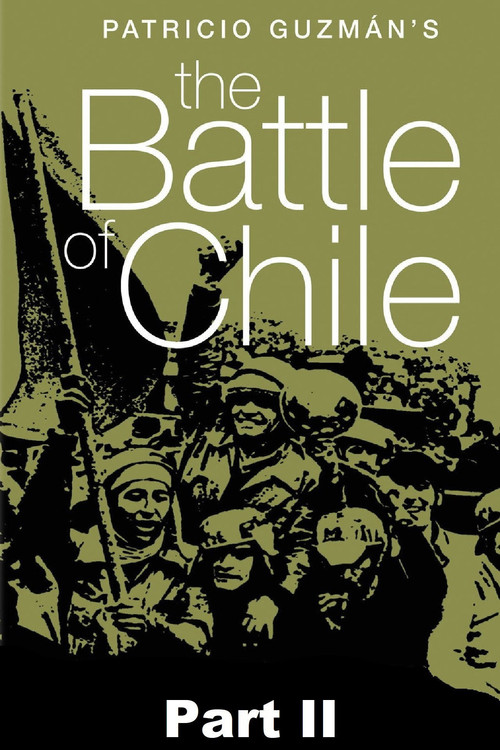
Chronicles the events immediately surrounding the CIA- supported coup itself.
The Battle of Chile: Part II

"In Chile, when the sun rises, it had to climb hills, walls and tops before reaching the last stone of the Cordillera. In my country, the Cordillera is everywhere. But for the Chilean citizens, it is an unknown territory. After going North for Nostalgia for the Light and South for The Pearl Button, I now feel ready to shoot this immense spine to explore its mysteries, powerful revelations of Chile’s past and present history." Patricio Guzmán
The Cordillera of Dreams

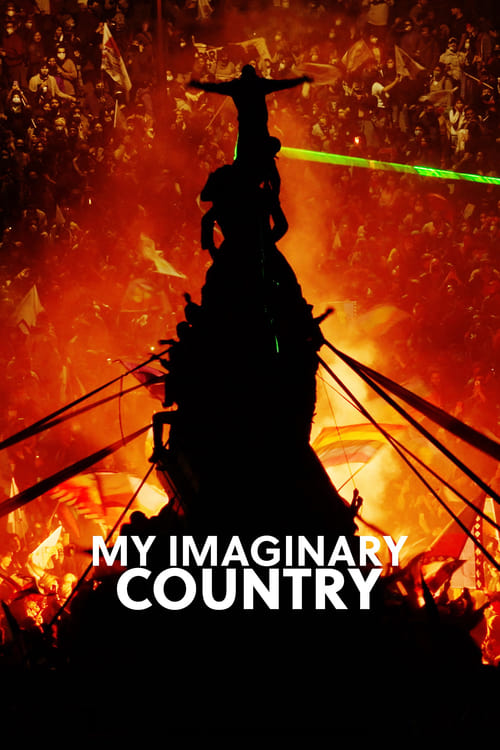
This documentary explores the protests that exploded onto the streets of Chile’s capital of Santiago in 2019 as the population demanded more democracy and social equality around education, healthcare and job opportunities.
My Imaginary Country

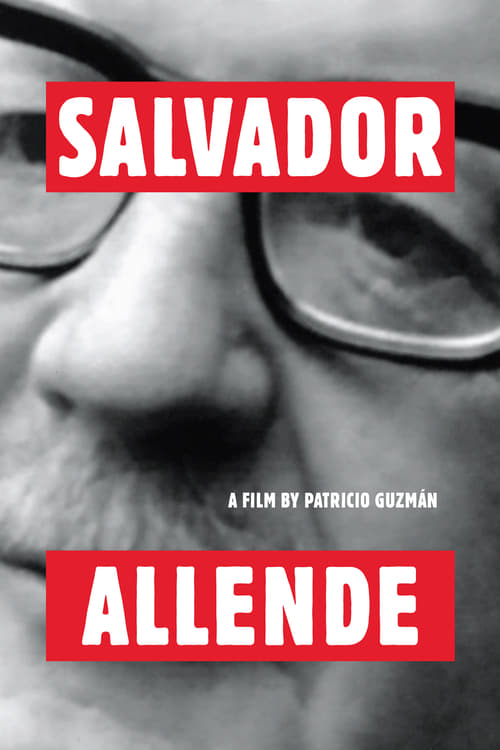
A leftist revolutionary or a reformist democrat? A committed Marxist or a constitutionalist politician? An ethical and moral man or, as Richard Nixon called him, a "son of a bitch"? In SALVADOR ALLENDE, acclaimed Chilean filmmaker Patricio Guzmán (The Battle of Chile and Chile, Obstinate Memory) returns to his native country thirty years after the 1973 military coup that overthrew Chile's Popular Unity government to examine the life of its leader, Salvador Allende, both as a politician and a man.
Salvador Allende

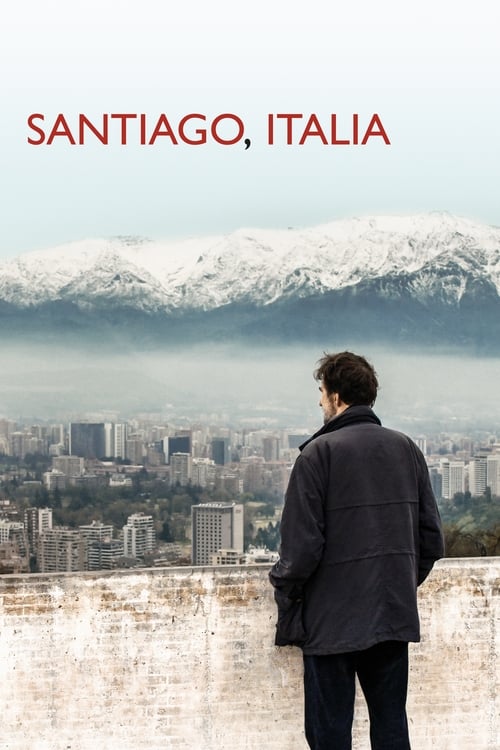
After the coup d'État of the Democratic government of Allende, the embassy of Italy in Santiago played a major role in helping the opposers of the regime, and extradited many of them to Italy.
Santiago, Italia

The documentary narrates the events that took place during the first year of the Unidad Popular government, in chronological order.
The First Year

A passionate fan of Daniel Defoe’s Robinson Crusoe as a 13-year-old boy, Guzmán was delighted to find in his adult years that the story is based on actual events & a real place in the middle of the Pacific Ocean, 700 kilometres from the Chilean coast. This moves him to film & construct a kind of ironic travel journal as he sets out to rediscover the island, all the while in constant play with the fields of history, literature & imagination.
Robinson Crusoe Island

Guzmán’s final installment shifts from covering the actions of Allende’s opponents to those who battled to revive & promote their toppled leader’s vision for a new Chile.
The Battle of Chile: Part III

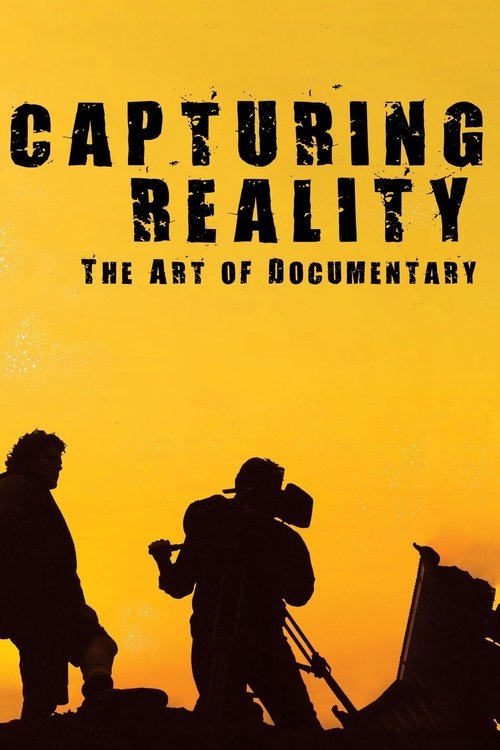
From cinema-verite; pioneers Albert Maysles and Joan Churchill to maverick movie makers like Errol Morris, Werner Herzog and Nick Broomfield, the world's best documentarians reflect upon the unique power of their genre. Capturing Reality explores the complex creative process that goes into making non-fiction films. Deftly charting the documentarian's journey, it poses the question: can film capture reality?
Capturing Reality

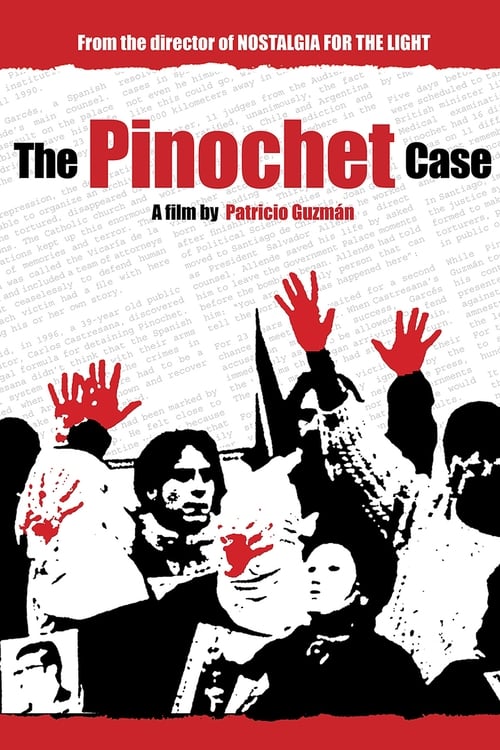
True story of the saga that was hoped to be the long-awaited justice brought to bear upon Augosto Pinochet, Chilean dictator from 1973 to 1990. In September 1998, Pinochet flew to London on a pleasure trip but experienced back pain and underwent an operation in the London Clinic. Upon waking, he was arrested by Scotland Yard. Could it be that this was to become the first Latin American dictator to answer for crimes while serving as Head of State? After 500 days of house arrest, he nevertheless eventually returned unscathed to Chile, despite the compelling case built against him before & during this period by a young Spanish prosecutor, Carlos Castresana.
The Pinochet Case

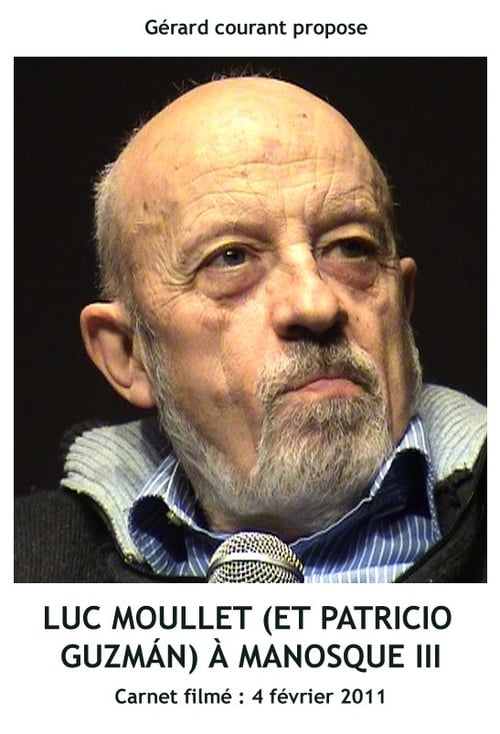
No description available.
Luc Moullet (et Patricio Guzmán) à Manosque III

In a country subjected to a cruel dictatorship, a political activist is savagely tortured, unleashing the indignation of certain leftist intellectuals.
Apuntes sobre la tortura y otras formas de diálogo

With confidential and unpublished documentation, the film shows the background and behind-the-scenes of the coup in Chile that took place on September 11, 1973 - and General Pinochet's dictatorship, which lasted 17 years.