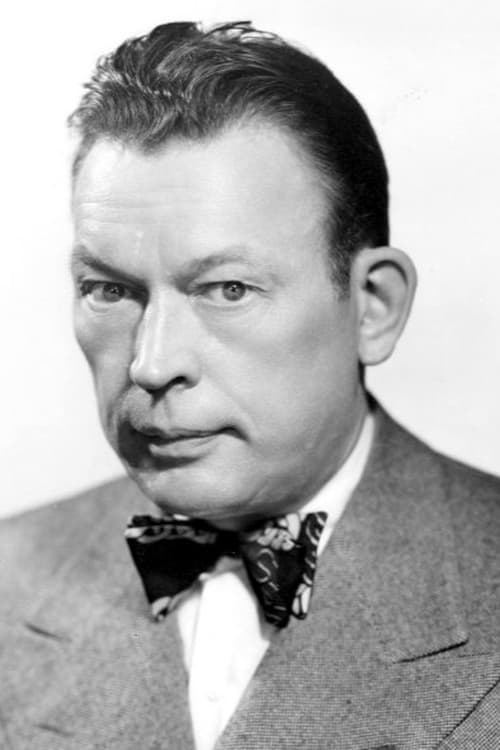
Fred Allen
Acting
Biography
John Florence Sullivan (May 31, 1894 – March 17, 1956), known professionally as Fred Allen, was an American comedian whose absurdist, topically pointed radio show (1932–1949) made him one of the most popular and forward-looking humorists in the so-called classic era of American radio. His best-remembered gag was his long-running mock feud with friend and fellow comedian Jack Benny, but it was only part of his appeal; radio historian John Dunning (in On the Air: The Encyclopedia of Old-Time Radio) wrote that Allen was radio's most admired comedian and most frequently censored. A master adlibber, Allen often tangled with his network's executives (and often barbed them on the air over the battles), while developing routines the style and substance of which influenced contemporaries and futures among comic talents, including Groucho Marx, Stan Freberg, Henry Morgan and Johnny Carson, but his fans also included President Franklin D. Roosevelt, and novelists William Faulkner, John Steinbeck and Herman Wouk (who began his career writing for Allen). Ironically, in view of his often barbed observations of the medium, Fred Allen was honored with a star on the Hollywood Walk of Fame for contributions to television
Known For

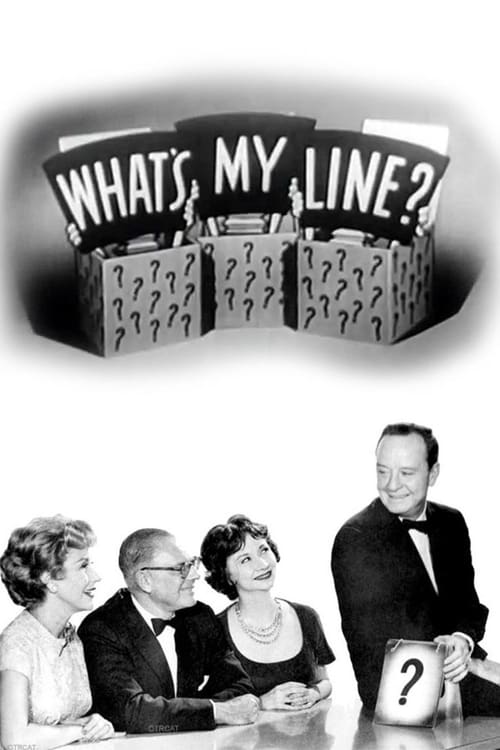
Four panelists must determine guests' occupations - and, in the case of famous guests, while blindfolded, their identity - by asking only "yes" or "no" questions.
What's My Line?

The Colgate Comedy Hour is an American comedy-musical variety series that aired live on the NBC network from 1950 to 1955. The show starred many notable comedians and entertainers of the era, including Eddie Cantor, Dean Martin and Jerry Lewis, Fred Allen, Donald O'Connor, Bud Abbott and Lou Costello, Bob Hope, Jimmy Durante, Ray Bolger, Gordon MacRae, Ben Blue, Robert Paige, Tony Curtis, Burt Lancaster, Broadway dancer Wayne Lamb and Spike Jones and His City Slickers.
The Colgate Comedy Hour

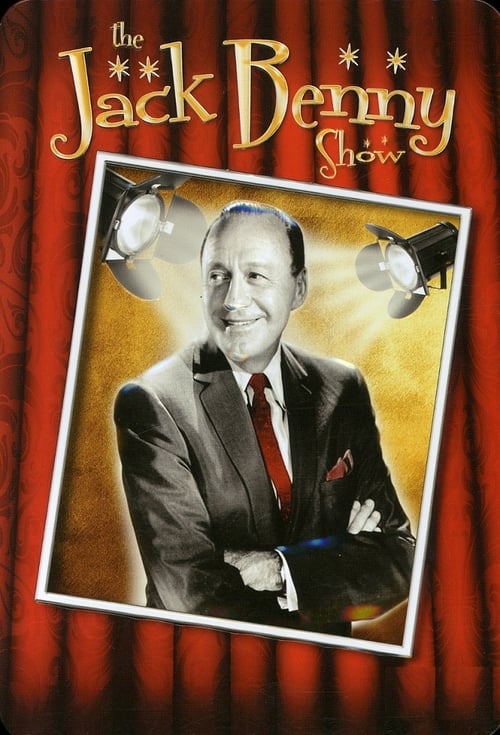
Laugh along with funnyman Jack Benny as he brings his underplayed humor to TV along with regular performers from his radio show days.
The Jack Benny Program

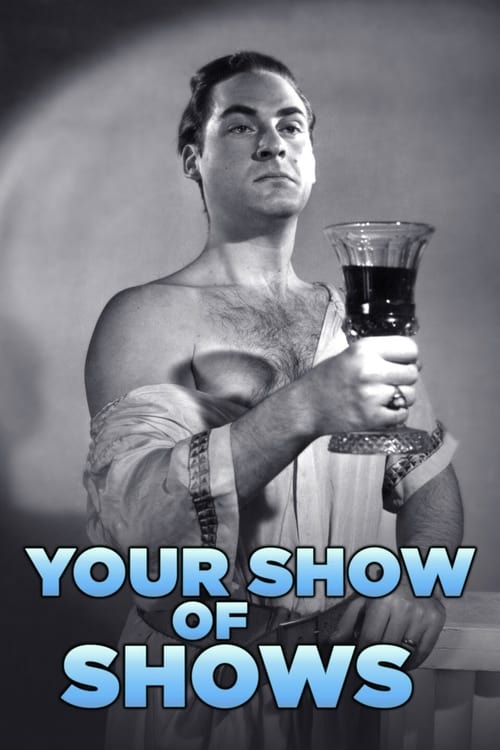
Your Show of Shows was a live 90-minute variety show that was broadcast weekly in the United States on NBC, from February 25, 1950, until June 5, 1954, featuring Sid Caesar and Imogene Coca. Other featured performers were Carl Reiner, Howard Morris, Bill Hayes, Judy Johnson, The Hamilton Trio and the soprano Marguerite Piazza. José Ferrer made several guest appearances on the series. The series was telecast from the now-demolished International Theatre at 5 Columbus Circle and the Century Theater, now demolished, in New York. During 2002, Your Show of Shows was ranked #30 on TV Guide's 50 Greatest TV Shows of All Time.
Your Show of Shows

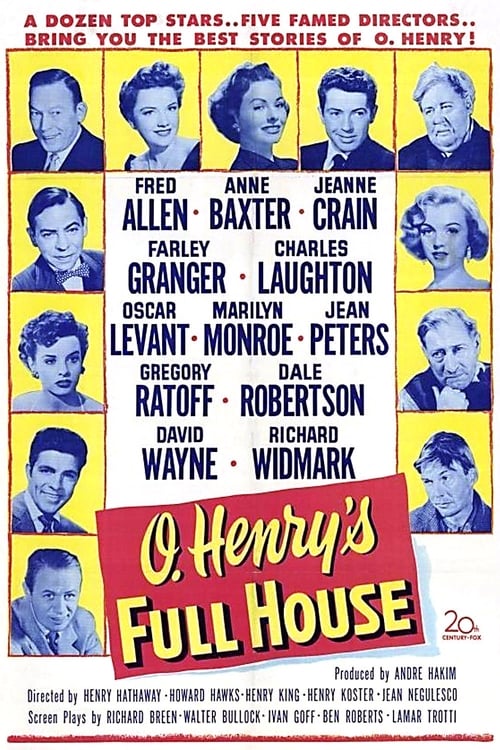
Five O. Henry stories, each separate. The primary one from the critics' acclaim was "The Cop and the Anthem". Soapy tells fellow bum Horace that he is going to get arrested so he can spend the winter in a nice jail cell. He fails. He can't even accost a woman; she turns out to be a streetwalker. The other stories are "The Clarion Call", "The Last Leaf", "The Ransom of Red Chief", and "The Gift of the Magi".
O. Henry's Full House

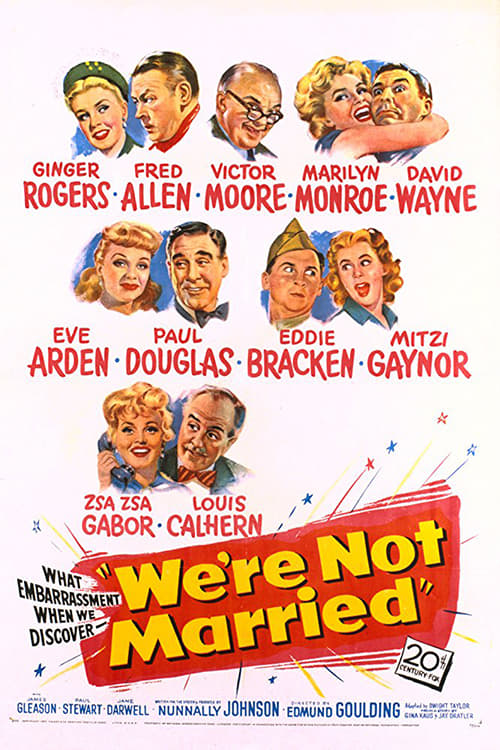
A Justice of the Peace performed weddings a few days before his license was valid. A few years later five couples learn they have never been legally married.
We're Not Married!
Bob's favorite memories and funniest moments on TV The biggest Stars! ... The biggest laughs! On DVD for the first time, this special 90 minute collection proves that laughter is the universal language with a sidesplitting salute to slapstick, satire, sketch comedy and zingers. Featuring Bob's funniest moments on television, this tribute includes a virtual who's who of legendary entertainers like Bing Crosby, Jackie Gleason, Roy Rogers, Ingrid Bergman, Bob Newhart, Lucille Ball, Ann-Margret, Jack Benny, Angie Dickinson, Steve Allen, Johnny Carson, Danny Thomas, Don Rickles, Milton Berle, Redd Foxx, Dorothy Lamour, Frank Sinatra, John Wayne, Dyan Cannon, Debbie Reynolds, Lassie and more.
Bob Hope's World of Comedy

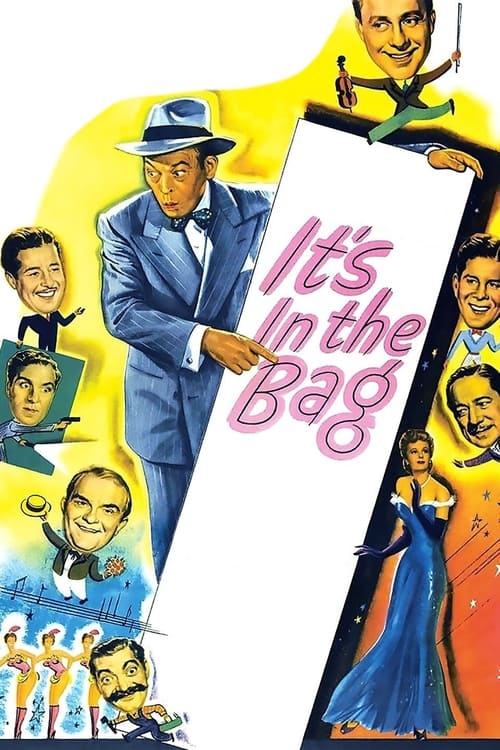
The ringmaster of a flea circus inherits a fortune...if he can find which chair it's hidden in.
It's in the Bag!

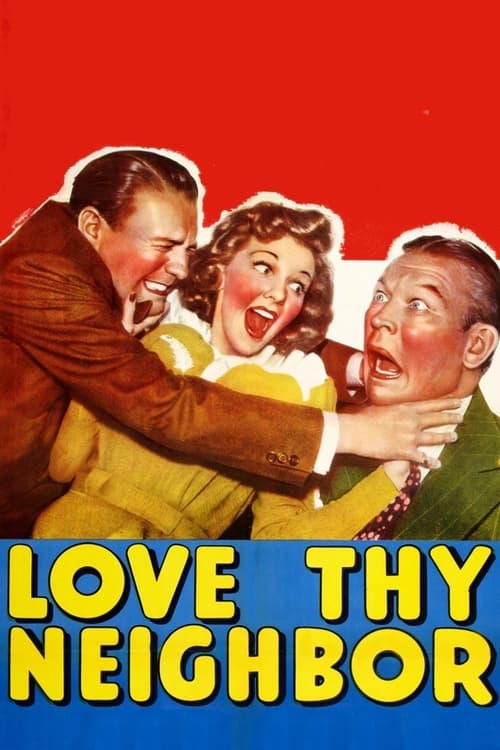
Capitalizing on the famous radio 'feud' between comedians Jack Benny and Fred Allen. The two stars play versions of themselves, constantly at each other's throats due to real and imagined slights.
Love Thy Neighbor

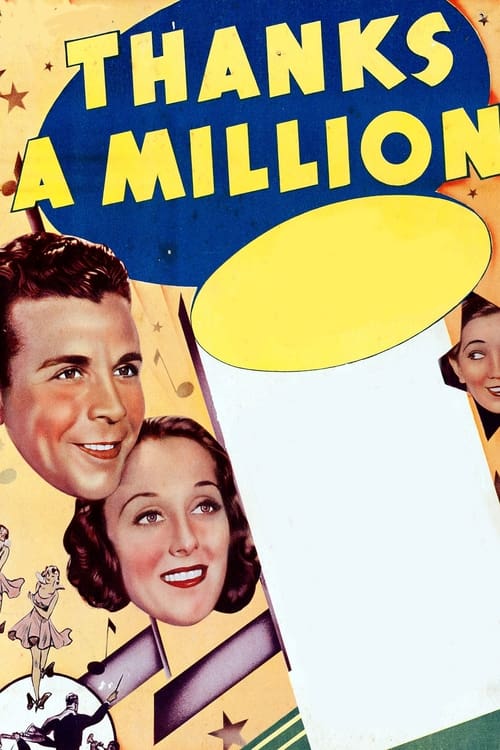
A show troupe is engaged by Judge Culliman, who is running for Governor, to enhance his political campaign. When the inebriated Judge has to be replaced in doing his campaign speech by the troupe crooner, Eric Land, his political backers decide that they want him to run for Governor in the Judge's place. Romance, music, political corruption and the election results follow.
Thanks a Million

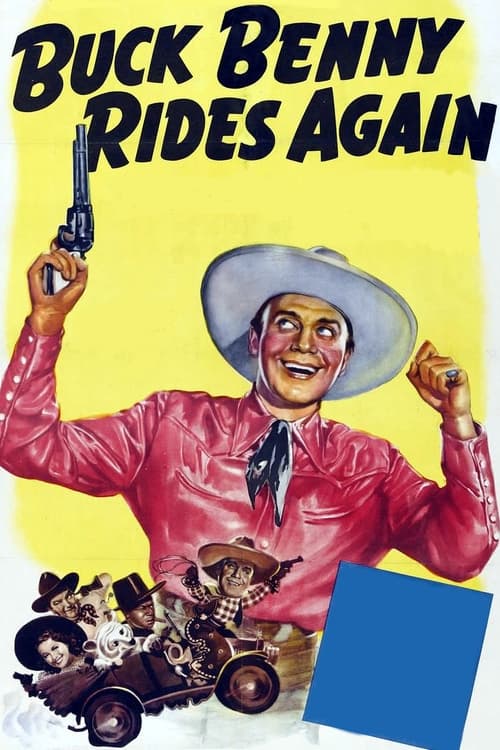
Radio star Jack Benny, intending to stay in New York for the summer, is forced by the needling of rival Fred Allen to prove his boasts about roughing it on his (fictitious) Nevada ranch. Meanwhile, singer Joan Cameron, whom Jack's fallen for and offended, is maneuvered by her sisters to the same Nevada town. Jack's losing battle to prove his manhood to Joan means broad slapstick burlesque of Western cliches.
Buck Benny Rides Again

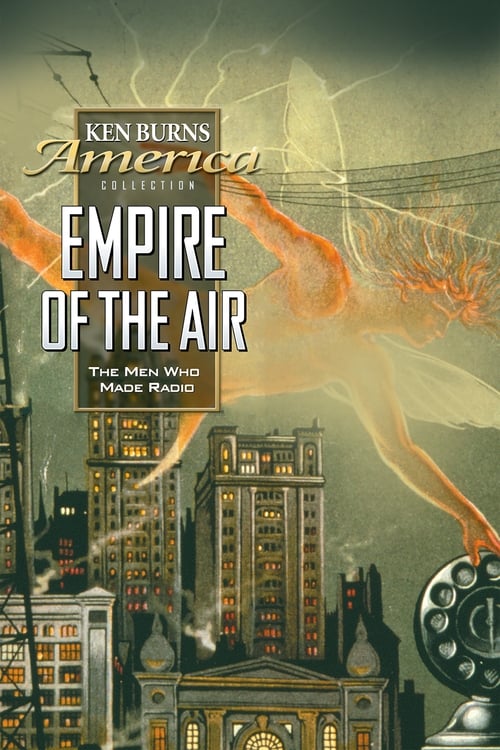
For 50 years radio dominated the airwaves and the American consciousness as the first “mass medium.” In Empire of the Air: The Men Who Made Radio, Ken Burns examines the lives of three extraordinary men who shared the primary responsibility for this invention and its early success, and whose genius, friendship, rivalry and enmity interacted in tragic ways. This is the story of Lee de Forest, a clergyman’s flamboyant son, who invented the audion tube; Edwin Howard Armstrong, a brilliant, withdrawn inventor who pioneered FM technology; and David Sarnoff, a hard-driving Russian immigrant who created the most powerful communications company on earth.
Empire of the Air: The Men Who Made Radio

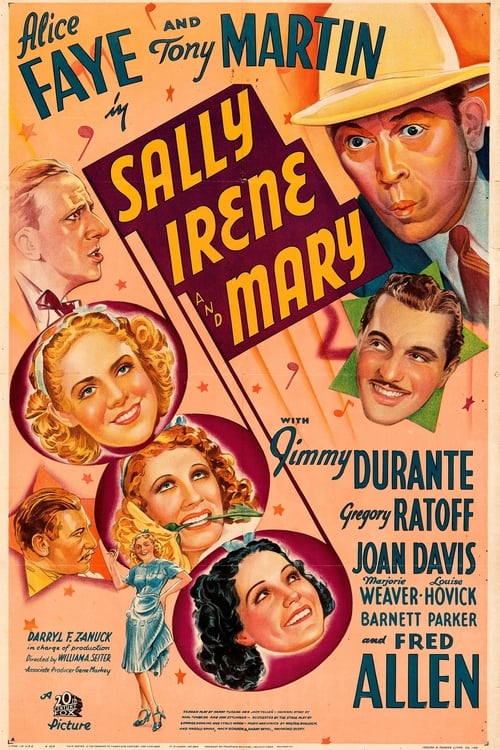
Manicurists Sally, Irene and Mary hope to be Broadway entertainers. When Mary inherits an old ferry boat, they turn it into a successful supper club.
Sally, Irene and Mary
Documentary about radio comedies primarily focused on Burns & Allen, Edgar Bergen & Charlie McCarthy, The Jack Benny Program, Fibber McGee & Molly, The Bob Hope Show, and The Fred Allen Show.
The Great Radio Comedians

Elmer proposes to Molly, but she says he needs her fathers permission. He wants Elmer to become a ballplayer, but his eyesight keeps getting him into trouble. Elmer also needs a new pair of glasses.
Success
A documentary about the 82% of US citizens that listen to the radio for their entertainment, news and sport.
Is Everybody Listening?

Familiar radio voice Ben Grauer leads the viewer on a behind the scenes tour of the National Broadcasting Company studios -- both radio and television -- in Rockefeller Center and Hollywood. The original 25-minute film previewed by network execs and affiliates in the fall of 1948 was cut down to 20 minutes before its first broadcast, reportedly to excise high-profile stars and programs such as Amos 'n' Andy, Jack Benny, and Edgar Bergen that had since left NBC for other networks.
Behind Your Radio Dial
Judge for Yourself, at first subtitled The Fred Allen Show, is a Mark Goodson and Bill Todman nontraditional court show/quiz show, with comedian Fred Allen as the emcee. It aired on NBC from August 18, 1953 to May 11, 1954. Dennis James was the series announcer but took over as host in January 1954. Each week three performers – singers, dancers, musicians, or comedians – were judged by two panels, one of professional entertainers and the other from the studio audience. If one of the amateur judges rated the acts 1, 2, or 3 in the same order as the celebrities, that individual would win a $1,000 prize. Two instrumental jazz groups that appeared on Judge for Yourself had considerable success thereafter, vibraphonist Terry Gibbs and the Marian McPartland Trio. The original intent of the series was to allow Allen to interact with guests, much as Groucho Marx did on his own NBC series, You Bet Your Life. The complicated format first employed, however, was revamped in the middle of the season. On the episode which aired on January 5, 1954, the professional judges were dropped, and the studio audience panel rated new songs to predict future hits, the comparable format of ABC's Jukebox Jury, which also aired in the 1953–1954 season.
Judge for Yourself
Two hotel guests are told the hotel is on fire, but the other guests and firefighters seem unconcerned.
The Still Alarm
Mr. Fiasco, a producer of plays gets three plays explained to him. In one of the plays, a man chooses scotch for a drink and dies. In the second play the man slaps his new wife in the face for nothing. The final play the man leaves his wife for work. The wife greets the iceman who knows the husband just left. He is greeted with open arms. The husband returns early and knows the iceman is under the table. After his wife gives him a lump of sugar, he smashes the iceman on the head with a lump of ice. Mr. Fiasco has the man thrown out.