Diana Dai
Directing
Known For
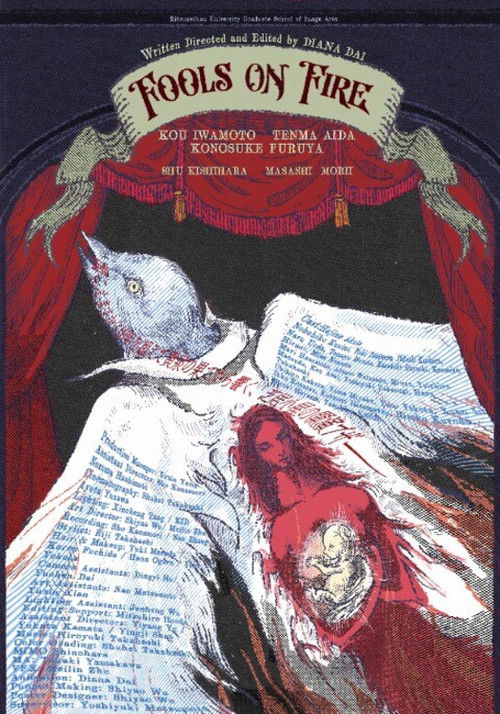
As he wanders a derelict factory in a slum, 70-year-old Yoshifumi Ishibashi encounters ghosts and places from his past as a 15-year-old boy wielding an 8mm camera who was taken into the bosom of an underground theatre troupe in the turbulent era of the 60s.
Fools on Fire
Haku, a 26-year-old Chinese student studying abroad, meets Rion, a 13-year-old girl who is a follower of a certain alien summoning ritual, on a suicide buddy recruitment website. When Haku finds out that Rion has run away from home, he invites her to his house. Rion suffers from bulimia, and binge eats and vomits almost every day. Every time she surprises Haku, she will whimsically lie about having eaten a cigarette, which worries Haku to death. As these exchanges continue, the relationship between the two becomes increasingly sour.
A Cruel Thesis Of Youth
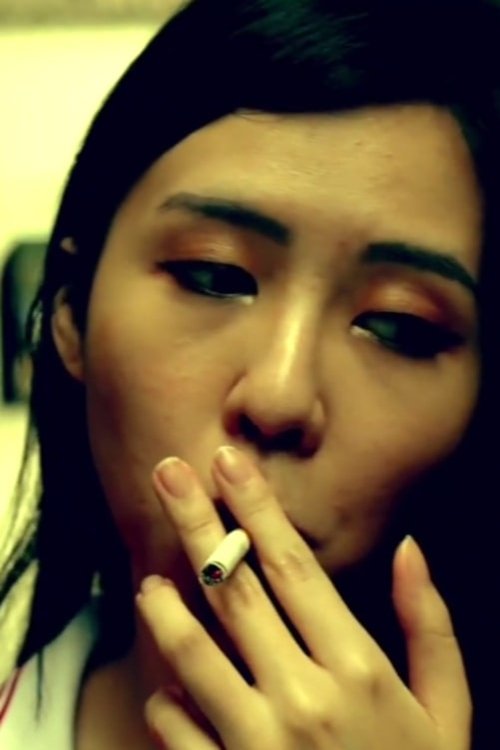
Ming, travels to Hong Kong with her mother to search for her younger brother, Aki, who left home with dreams of becoming a star, only to discover that Aki has become a male prostitute. A-Ming gradually leaves her hometown and becomes close with the people living in the dormitory for staff at an abandoned pharmaceutical factory. Through her interactions with them, she develops an inseparable brotherly bond. However, cold-hearted authorities invade the crumbling temporary paradise built on the ruins.
The Netherworld
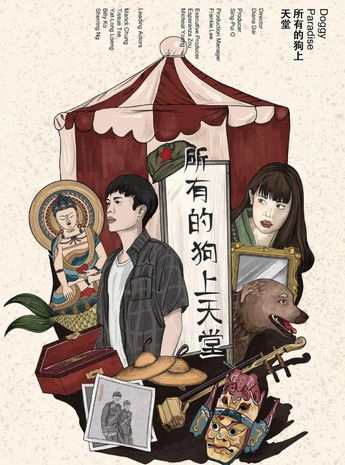
Ah Sheng, the eldest son of a dog meat shop owner in Paradise Town, and his friend Ah Liang meet Ah Li, a girl who performs a striptease at the town's traveling circus. The boys are drawn to the bizarre and free world of these itinerant performers, developing a desire to leave their families and dreaming of eloping together. However, these clumsy, pretentious boys, pretending to be in love, are powerless to sever the entanglements of their newly formed blood ties. It's as if miracles never exist; sacrificing the entire blood-soaked, stinking Paradise Town can neither save the world nor save the boy himself.
Doggy Paradise
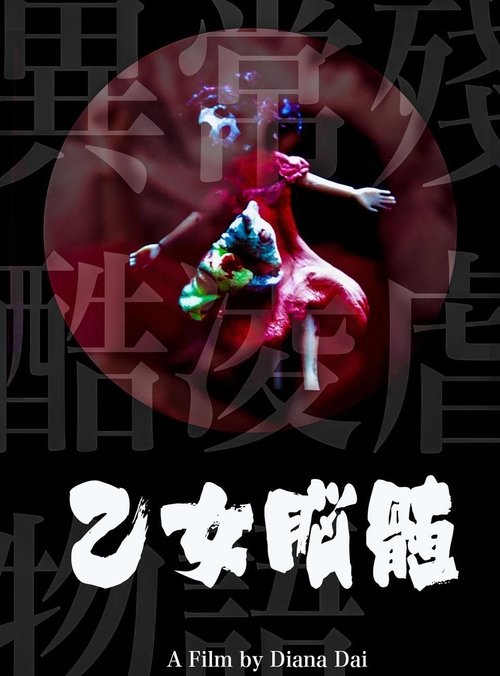
Theater is a fictional world constructed for the viewers. To substitute our ideal selves through imitation, we seek inspirations in such performative acts to satisfy our subconscious and primitive needs for blood and thrill. In reality individual selves are always trapped in a state of isolation, constantly trying to communicate in some deep levels while always falling to do so. This need for intimacy is extended to the virtual world as we try establish the existence of the self. The four parallel stories are implicitly linked, and serve as each other’s metaphors.