Acting
No description available.
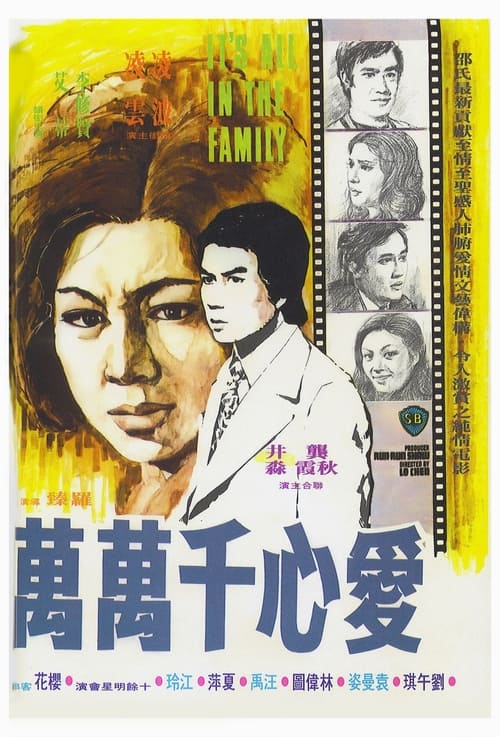
Two half-brothers are reunited after a long break, only to perpetuate an old feud over their desire for the same woman.
Danny Lee is Hsu Chih-yuan, the youngest son of strict patriarch Hsu Hui-tang (Cheng Miu). A sailor, Chih-yuan incurs his father's wrath when he tells the latter of his girlfriend Susan's (Ai Ti) pregnancy. Pressured to leave her by his father, Chih-yuan finally agrees to continue his studies overseas. Eldest brother Chih-wen (Ling Yun) volunteers to raise money but ends up losing the family fortune in the stock market. It starts a roller coaster of tragedies for the family that ends with bitter disillusionment for Chih-yuan. It's a battle between tradition and youthful rebellion that leaves everyone a little poorer off.
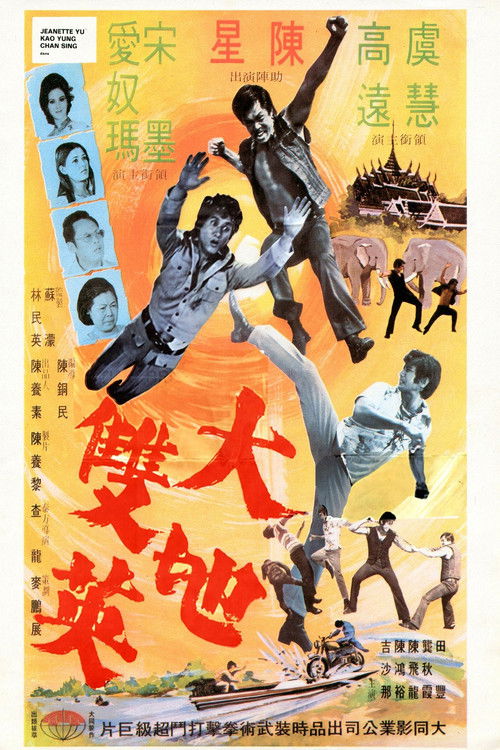
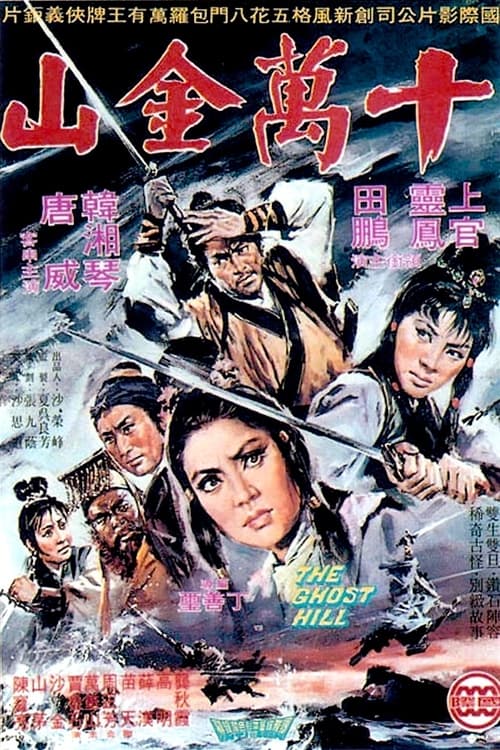
The film opens with a duel on a beach between two master swordsman. An elderly master looks on as the two battle. He stops the duel and proclaims one swordsman the winner and awards him the coveted Purple Light Sword making him the new Sword King. He returns home to show his sickly teacher the treasure but they are attacked by the weird minions of evil King Gold who wants to combine the power of the sword with his developing Fire Ball power. The Sword King loses the sword, his master is killed and is forced to join forces with his opponent from the duel to retrieve it. Along the way they are joined by the daughter of the Blind Master and later the Beggar Army.
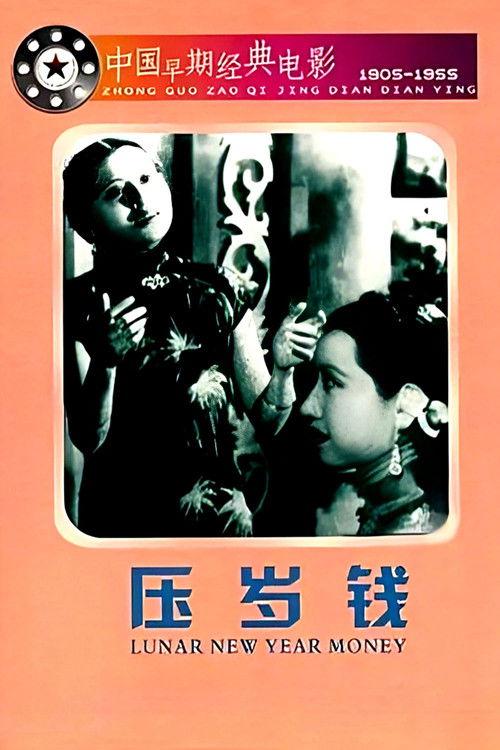
The New Year's Gift is the story of some lucky money gifted to a girl. It then leaves her and passes from hand to hand.
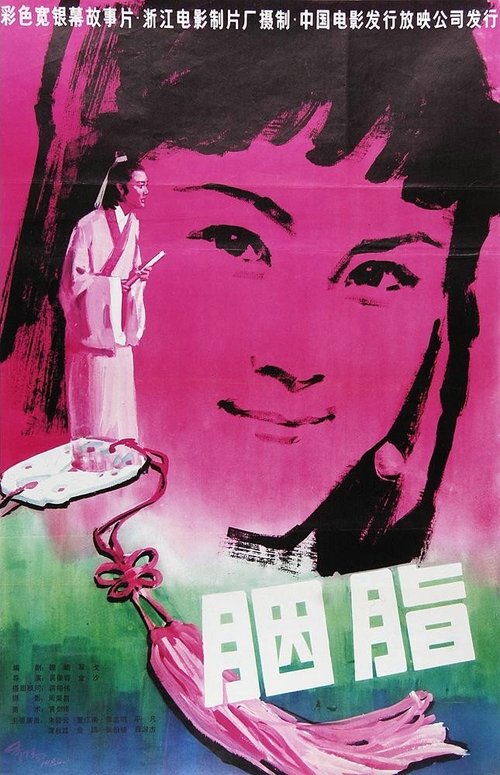
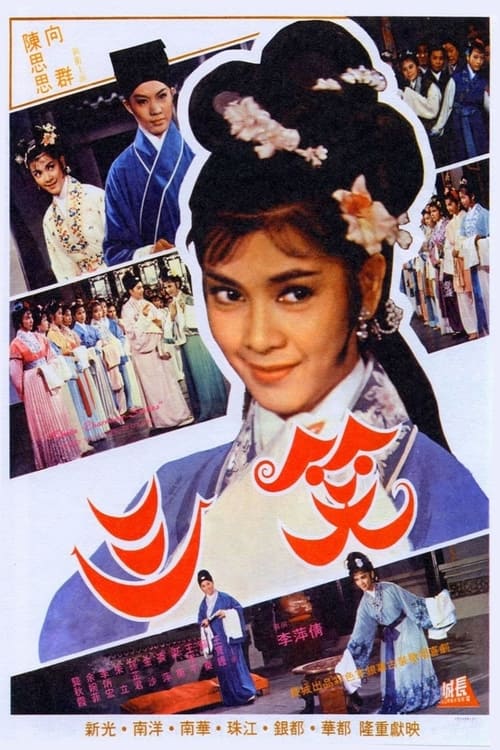
Tang Bohu is smitten by the stunning beauty of Qiuxiang, the maid of Grand Tutor Hua, during his visit to a monastery in Suzhou. Stalking the maid, Tang's affections are finally reciprocated with three charming smiles. To approach the fair maid, Tang seeks work in the Grand Tutor residence as a study companion, and his talents win Hua's attention. As a frustrated suitor, he turns to his resourceful friend Zhu Zhishan for help.
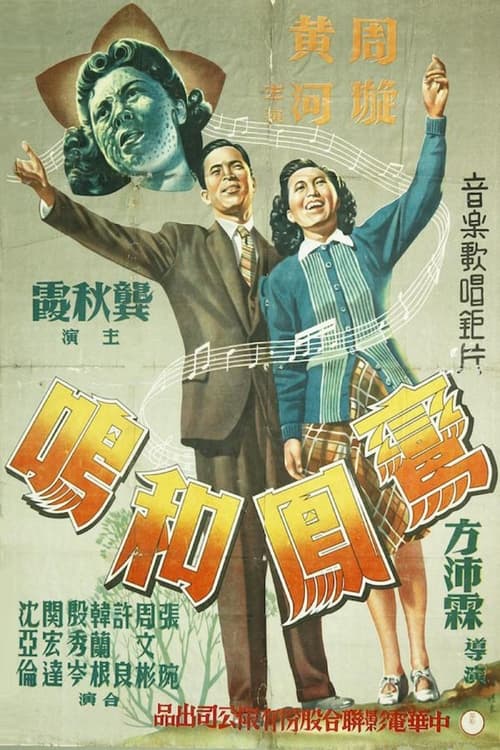
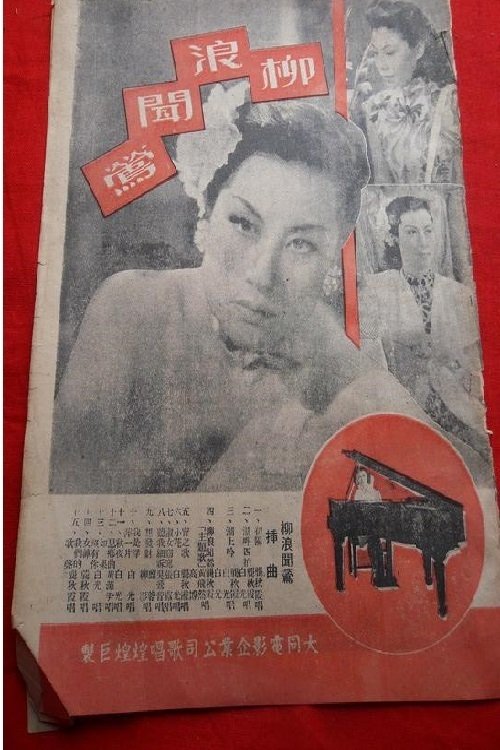
A 1943 film starring Gong Qiuxia. The film features a musical interlude sung by Gong, with lyrics by Chen Gexin. The title is sometimes translated into English as "Torrents"
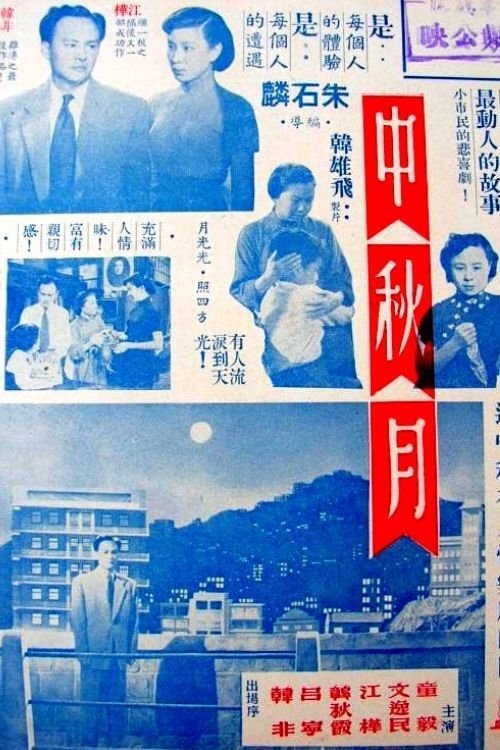
A financially struggling office worker goes into debt in order to afford traditional holiday gifts for his boss and landlord. Part of Hong Kong Film Awards' 100 Best Chinese Movies.
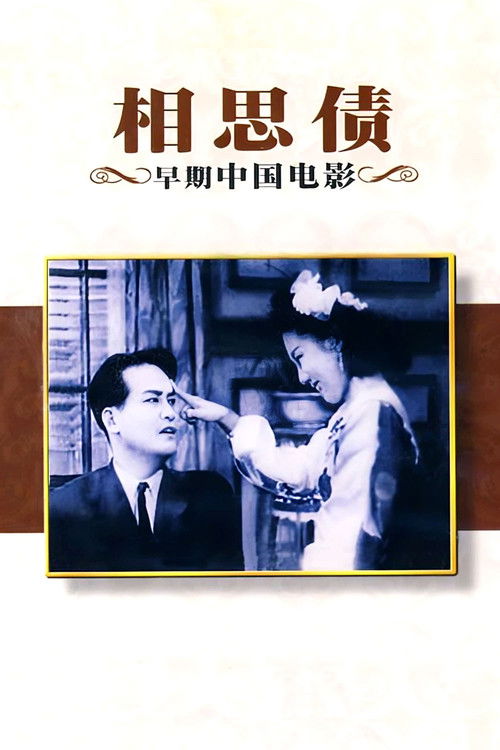
A Chinese drama that tells the story of Luo Jiefu, a widower. He gets involved in the affairs of his cousin Xiaoyan, as she is pursued by a classmate.
Ma the flying bandit calls it quits after his daughter is born. His wife, a onetime prostitute, can’t stand poverty and turns him in to the authorities before resuming her profession. Years later, when the daughter is set to get married, the unabashed mother blackmails her own flesh and blood, so Ma has to escape from prison to thwart her.
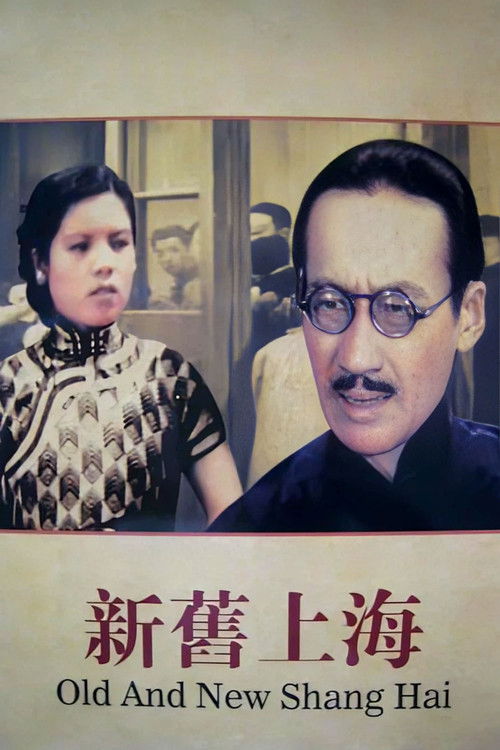
The daily life of ordinary people of Shanghai apartment building: an unemployed person who tries not to lose face by concealing the loss of his job, a singer without an audience, a driver, a teacher, but also the owner of the building and his prodigal son.
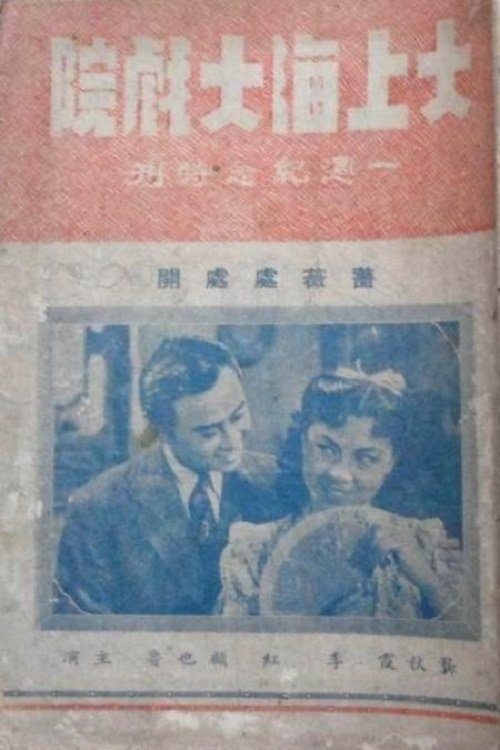
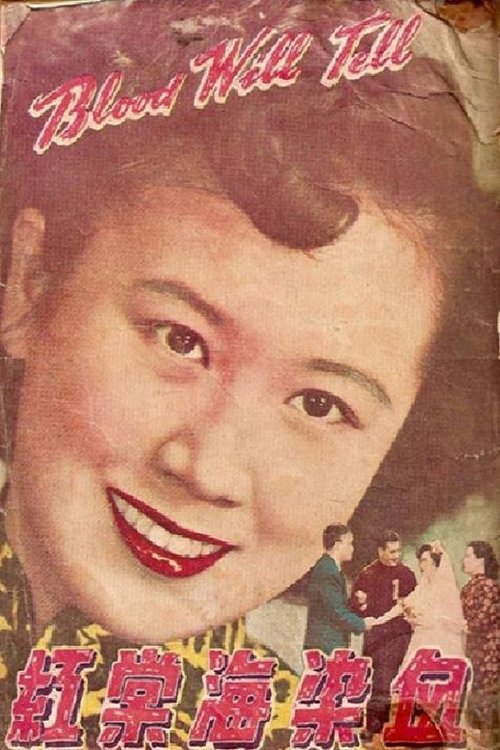
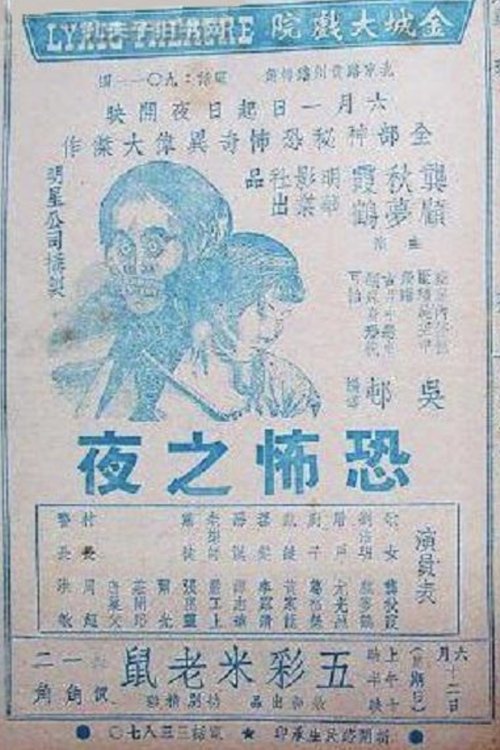
After a flood, the Sea Charity Association sends Liu Hao Ming to a village to direct the burial of corpses. Hao Ming meets the singer Ruyun and her father there, and advises Ruyun not to sing a beautiful song, but to sing “The Beauty of Yu” instead, which Ruyun obeys to the full applause of the audience, but arouses the displeasure of a butcher, Sa-zuo, and others. When the flood comes again, the village people go to Shanghai to evacuate. Sa-zuo and the others ask Hao-ming for help, and Hao-ming leads them to an empty mansion to spend the night, where they run into Ruyun's father and learn that Ruyun has been separated. A female ghost haunts the house and they all escape from the house. Hao Ming does not see Ruyun's father and goes back to look for him, but he sees that the female ghost is Ruyun.
A sadder than sad story about a fun-loving optimist whose interest in comedy performance is despised by both his family and his wealthy future in-laws, Li’s tragic-comedy follows the 50-year-old father (Bao) as he maintains a dignified façade after losing his long-held accounting job in an occupied Tianjin in the 1940s.
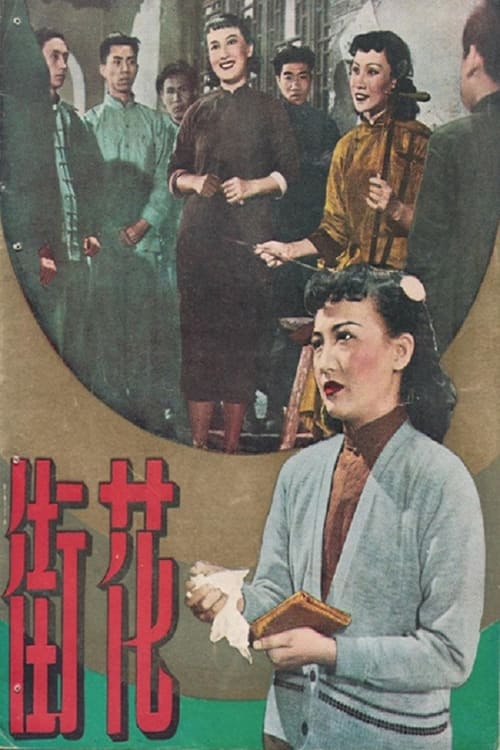
Flower Street is a place where people from the jungle live, and the street is a place where people from the marketplace gather. Zhaogou and his wife, Bai Lanhua, make a living as singers in the House of Delight and have a daughter, Daping. Daping enrolls in school, and her best friend Lian Bao is also helped by Zhaogou to learn the art, and later moves on to work as an apprentice in a factory. During the war, Zhaoxu's family fled, but his grandmother insisted on staying behind. Zhaogou is separated from his wife and daughter on the road; Daping wanders around with his mother and sells songs, and after a few twists and turns, he and his mother are able to return to Flower Street.
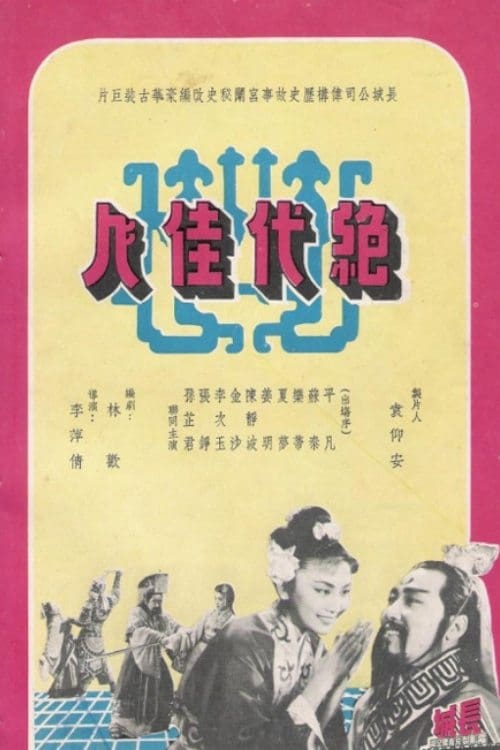
This is a story of how Ru Ji, a farm girl of Chao Kuo, who sacrificed her own life to save her country and people in the year 257 B.C.
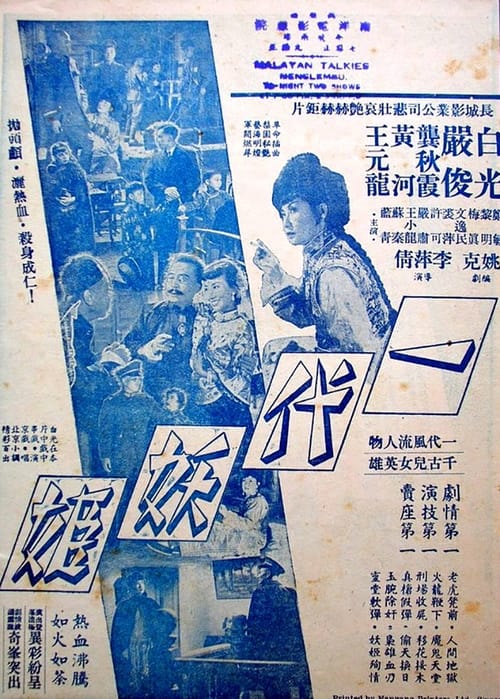
Not seen in Hong Kong for many years, A Strange Woman was Li Pingqian's first film at Great Wall Film Studio. Adapted from the play La Tosca by French playwright Victorien Sardou, opera star Xiao Xiangshui (Bai Guang) helps her lover, a revolutionary, to escape from warlords. She finesses with both the head of the secret service (Yan Jun) and her lover's wife, but things do not turn out as planned. Li changed his usual pace to encompass a more conventional and dramatic film plot. Bold and flirtatious in her role, Bai Guang is equally over the top in appearance as Yan Jun. The tension in winning the heroine over drives the plot more than the themes of patriotism and loyalty in love.