James Mellor
Acting
Biography
James Mellor was born on 4 February 1933 in Huddersfield, Yorkshire, England, UK. He was an actor and producer, known for Doctor Who (1963), Night After Night After Night (1969) and The Six Wives of Henry VIII (1970). He died on 28 January 1976 in Lambeth, London, England, UK.
Known For
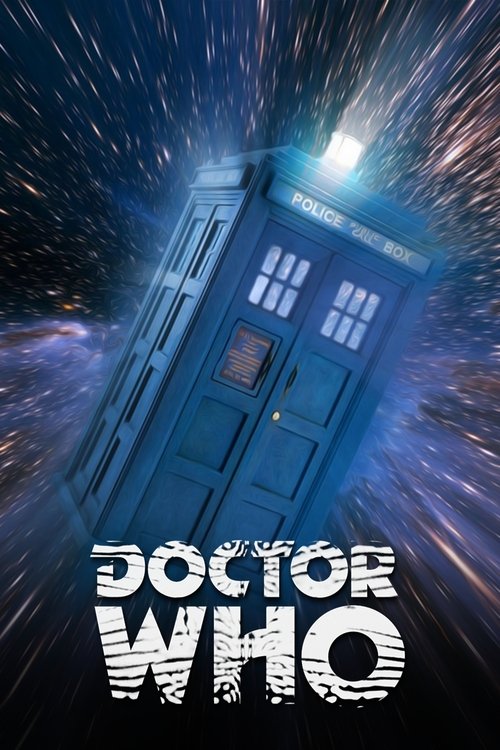
The adventures of The Doctor, a time-traveling humanoid alien known as a Time Lord. He explores the universe in his TARDIS, a sentient time-traveling spaceship. Its exterior appears as a blue British police box, which was a common sight in Britain in 1963 when the series first aired. Along with a succession of companions, The Doctor faces a variety of foes while working to save civilizations, help ordinary people, and right many wrongs.
Doctor Who
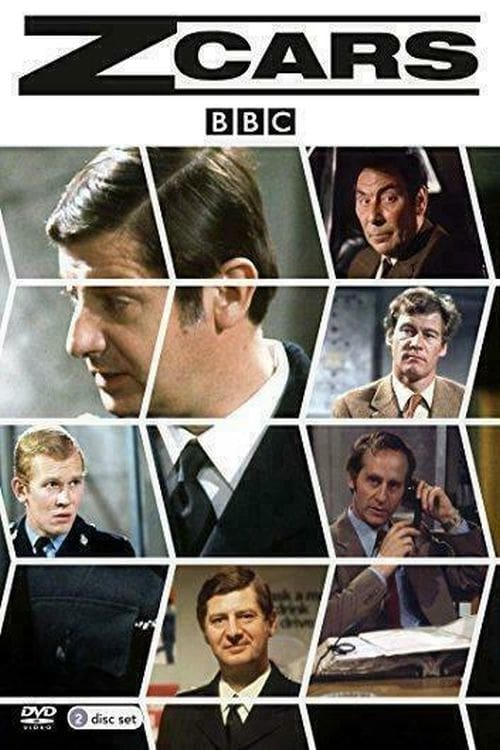
Z-Cars or Z Cars is a British television drama series centred on the work of mobile uniformed police in the fictional town of Newtown, based on Kirkby, Merseyside. Produced by the BBC, it debuted in January 1962 and ran until September 1978.
Z-Cars
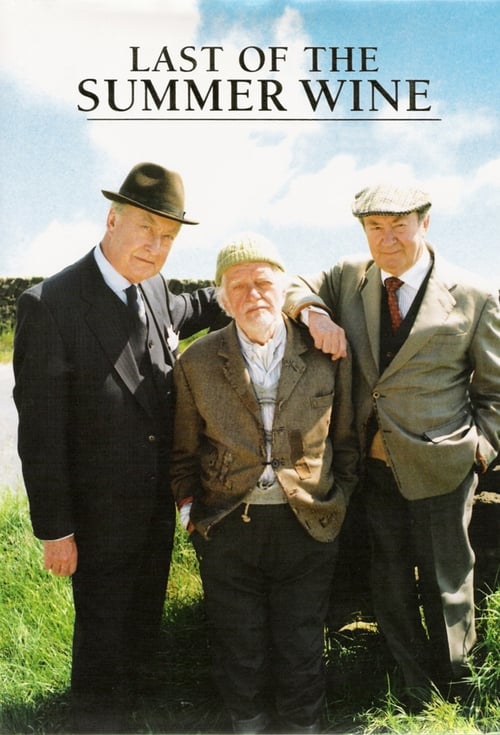
Unencumbered by wives, jobs or any other responsibilities, three senior citizens who've never really grown up explore their world in the Yorkshire Dales. They spend their days speculating about their fellow townsfolk and thinking up adventures not usually favored by the elderly. Last of the Summer Wine premiered as an episode of Comedy Playhouse in 1973. The show ran for 295 episodes until 2010. It is the longest running comedy Britain has produced and the longest running sitcom in the world.
Last of the Summer Wine
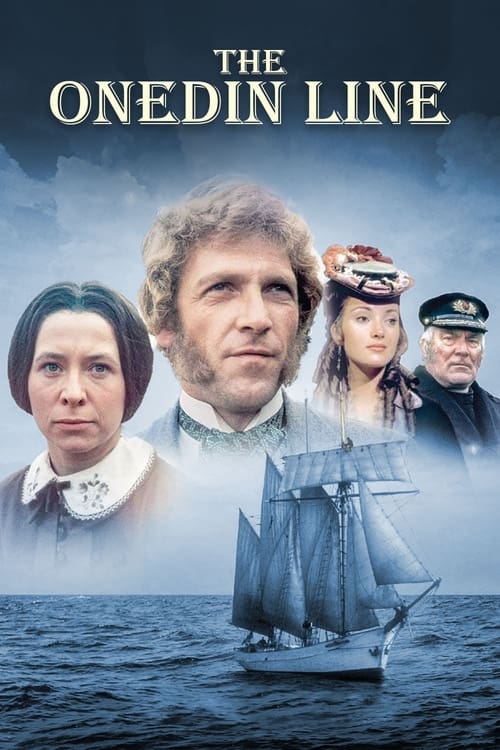
The Onedin Line is a BBC television drama series which ran from 1971 to 1980. The series was created by Cyril Abraham. The series is set in Liverpool from 1860 to 1886 and deals with the rise of a shipping line, the Onedin Line, named after its owner James Onedin. Around this central theme are the lives of his family, most notably his brother and partner, shop owner Robert, and his sister Elizabeth, giving insight into the lifestyle and customs at the time, not only at sea, but also ashore. The series also illustrates some of the changes in business and shipping, such as from wooden to steel ships and from sailing ships to steam ships. It shows the role that ships played in affairs like international politics, uprisings and the slave trade.
The Onedin Line
Churchill's People is a British anthology series based on A History of the English-Speaking Peoples, Winston Churchill's four-volume history of Britain and its former colonies. 26 episodes were produced by the BBC and initially broadcast from 30 December 1974 to 23 June 1975.
Churchill's People
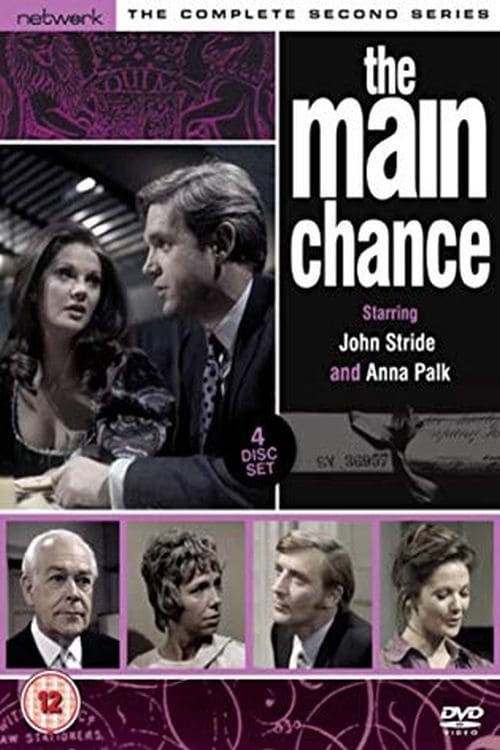
The Main Chance was a British television series which first aired on ITV between 1969,1970,1972 and 1975. A drama, it depicts the sudden transformation in the life of solicitor David Main who relocates from London to Leeds.
The Main Chance

A strand of annual British short television adaptations of classic ghost stories, referencing the oral tradition of telling supernatural tales at Christmas. First broadcast on BBC One from 1971 to 1978, and revived in 2005 on BBC Four.
A Ghost Story for Christmas

Whatever Happened to the Likely Lads? is a British sitcom which was broadcast between 9 January 1973 and 9 April 1974 on BBC1. It was the colour sequel to the mid-1960s hit The Likely Lads. It was created and written, as was its predecessor, by Dick Clement and Ian La Frenais. There were 26 television episodes over two series; and a subsequent 45-minute Christmas special was aired on 24 December 1974. The cast were reunited in 1975 for a BBC radio adaptation of series 1, transmitted on Radio 4 from July to October that year. In 1976, a feature film spin-off was made. Around the time of its release, however, Rodney Bewes and James Bolam fell out over a misunderstanding involving the press and have not spoken since. This long-suspected situation was finally confirmed by Bewes while promoting his autobiography in 2005. Unlike Bewes, Bolam is consistently reluctant to talk about the show, and has vetoed any attempt to revive his character.
Whatever Happened to the Likely Lads?
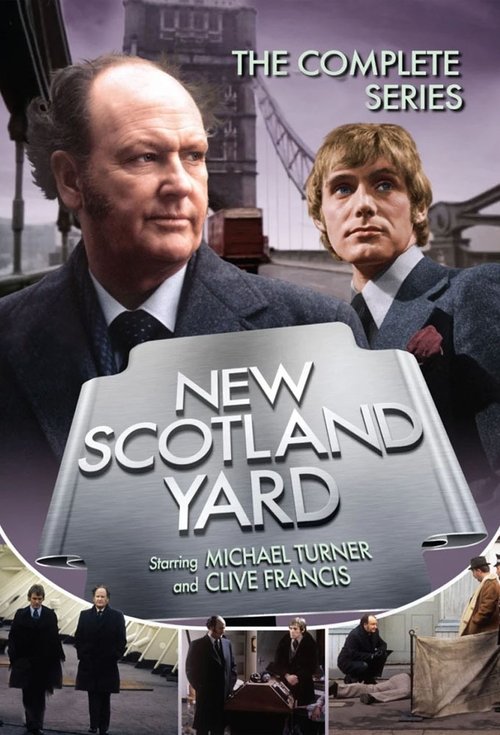
New Scotland Yard is a police drama series produced by London Weekend Television for ITV from 1972 and 1974. It features the activities of two officers from the Criminal Investigations Department in the Metropolitan Police force headquarters at New Scotland Yard, as they dealt with the assorted villains of the day.
New Scotland Yard
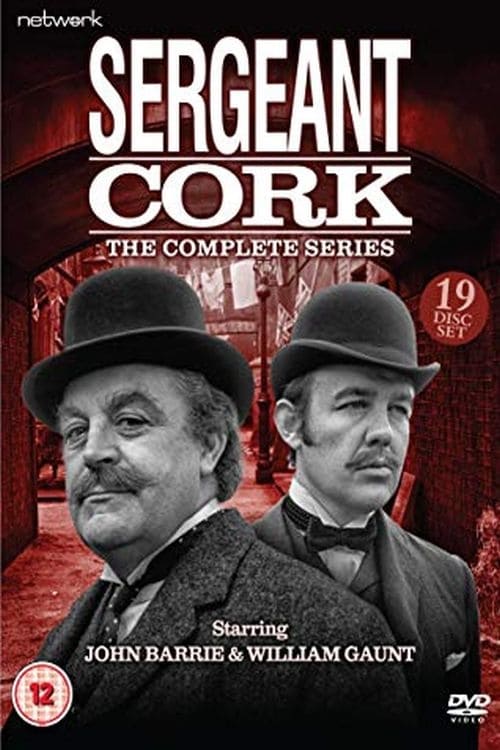
Sergeant Cork is a British detective television series which first aired between 1963 and 1968 on ITV. It was a police procedural show that followed the efforts of two police officers and their battle against crime in Victorian London. In all 66 hour-long episodes were aired during the five-year run, although the last episode was not broadcast until January 1968, 16 months after the others. Journalist Tom Sutcliffe has credited it as a first example of the use of the Victorian-era policeman in a television crime series. A 1969 review in The Age opined that rather than suspense, the strengths of the series were its "excellent period settings and wonderfully thick pea-soupers" which "add up to splendid evocative stuff", as well as the performance of star John Barrie. At no time during the whole series is Sergeant Cork's first name given.
Sergeant Cork
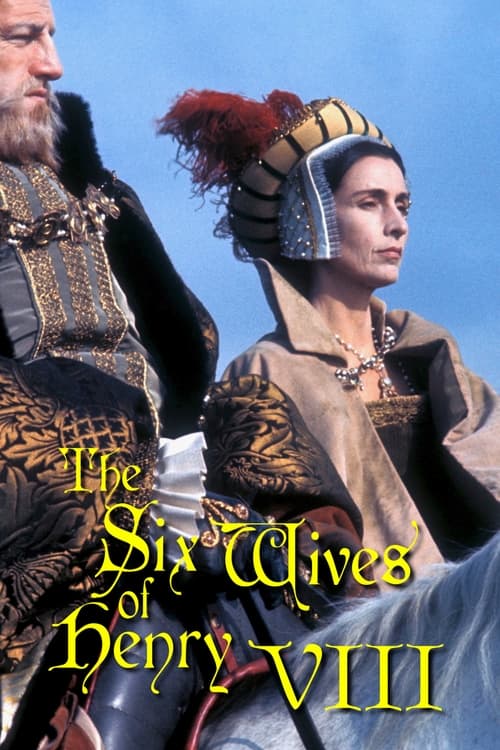
Series of television plays written by six different authors. Each play is a lavish dramatization of the trials and tribulations surrounding Henry and his wives. Keith Michell ties the episodes together with his dignified and magnetic performance as the mighty monarch.
The Six Wives of Henry VIII

The Regiment is a 1972 BBC One television drama series starring Christopher Cazenove and follows the story of a British Army regiment from the view of two families.
The Regiment
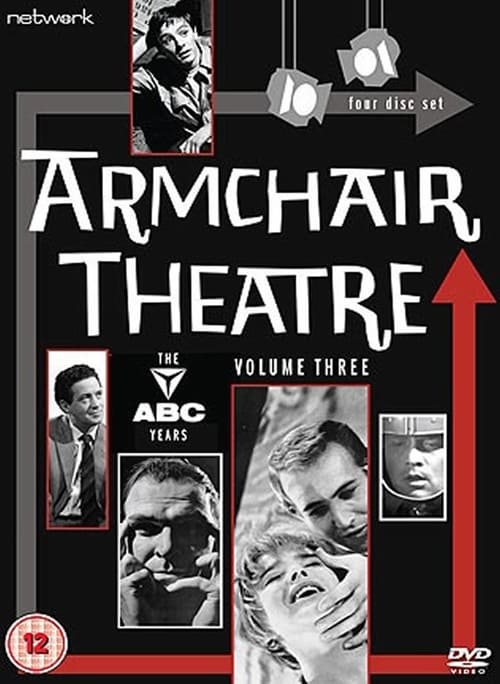
Armchair Theatre is a British television drama anthology series of single plays that ran on the ITV network from 1956 to 1974. It was originally produced by Associated British Corporation, and later by Thames Television from mid-1968.
Armchair Theatre
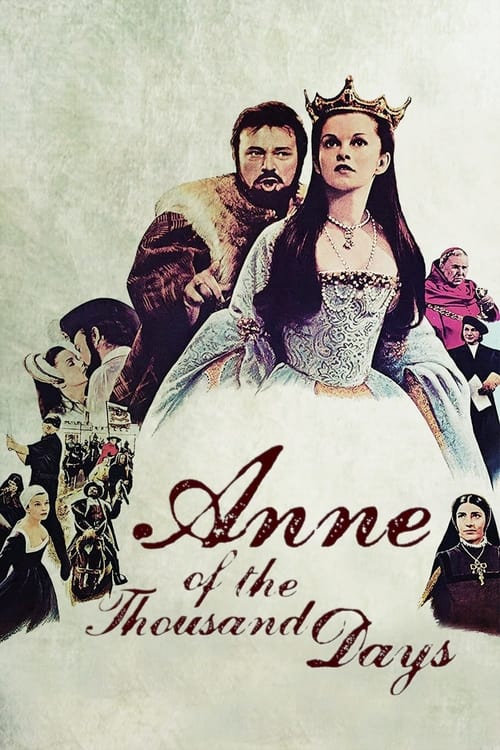
Henry VIII of England discards his wife, Katharine of Aragon, who has failed to produce a male heir, in favor of the young and beautiful Anne Boleyn.
Anne of the Thousand Days
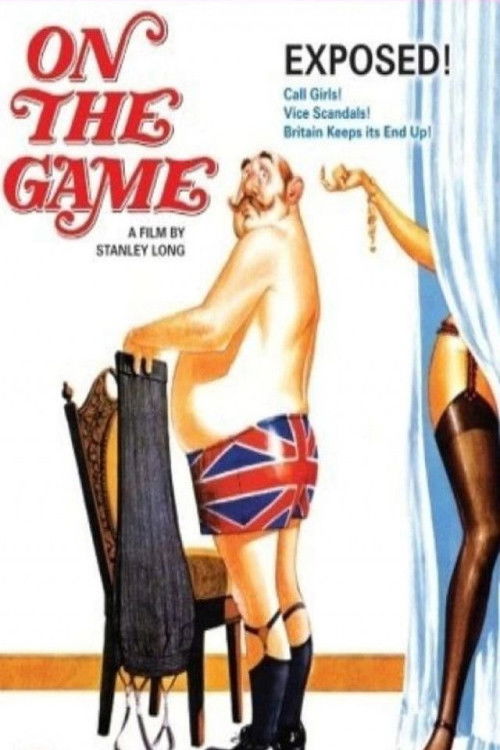
Comic look at the history of prostitution.
On the Game
Frank Clancy goes from penniless working-class idealist in the 1930s to superstar journalist and editor in the London of the swinging '60s — but at what cost to his integrity?
Looking for Clancy
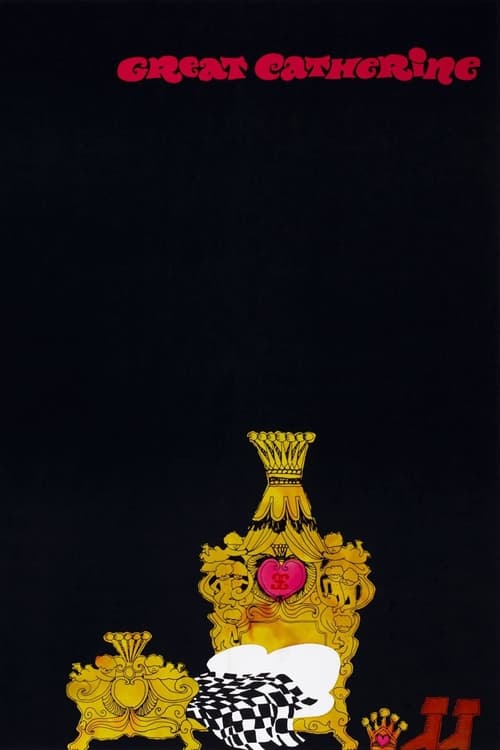
When British Capt. Charles Edstaston arrives at the court of Catherine the Great in St. Petersburg, Russia, he is stunned by the palace's disorderly condition. The severely intoxicated Prince Potemkin concludes that the handsome Edstaston would be a suitable lover for Catherine, and he coerces the bewildered visitor into her bedchamber. Edstaston manages to escape, but he is repeatedly recaptured and delivered to the mischievous Catherine.
Great Catherine
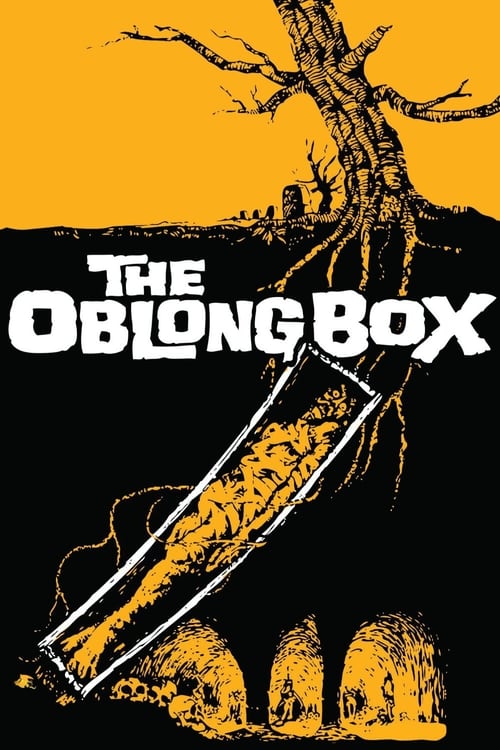
Evil lurks in the gloomy house at Markham Manor where a deranged Sir Edward is the chained prisoner of his brother Julian. When Sir Edward escapes, he embarks on a monstrous killing spree, determined to seek revenge on all those whom he feels have double-crossed him.
The Oblong Box
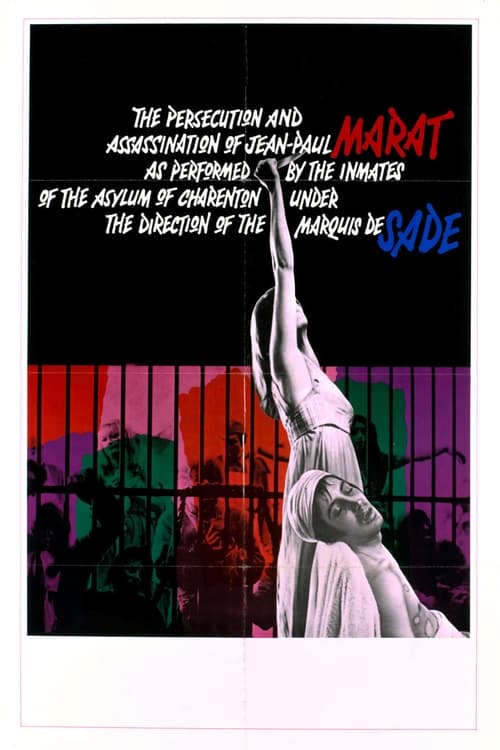
In Charenton Asylum, the Marquis de Sade directs a play about Jean Paul Marat's death, using the patients as actors. Based on 'The Persecution and Assassination of Jean-Paul Marat as Performed by the Inmates of the Asylum of Charenton Under the Direction of the Marquis de Sade', a 1963 play by Peter Weiss.
The Persecution and Assassination of Jean-Paul Marat as Performed by the Inmates of the Asylum of Charenton Under the Direction of the Marquis de Sade
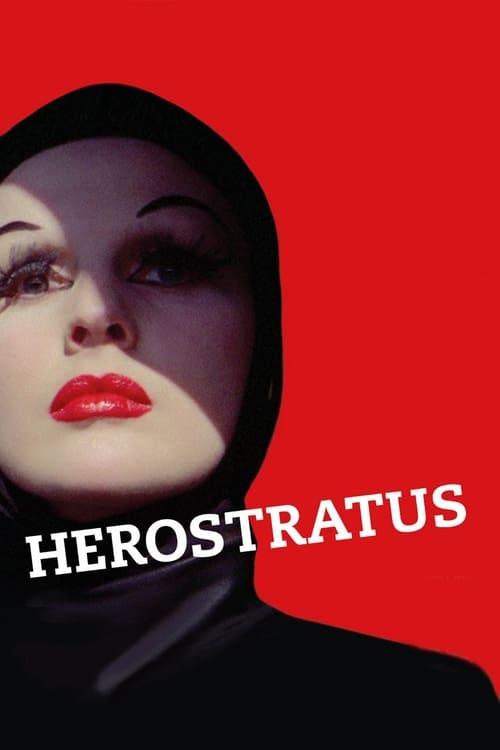
When a young poet hires a marketing company to turn his suicide into a mass-media spectacle, he finds that his subversive intentions are quickly diluted into a reactionary gesture.