Eduard Nazarov
Directing
Biography
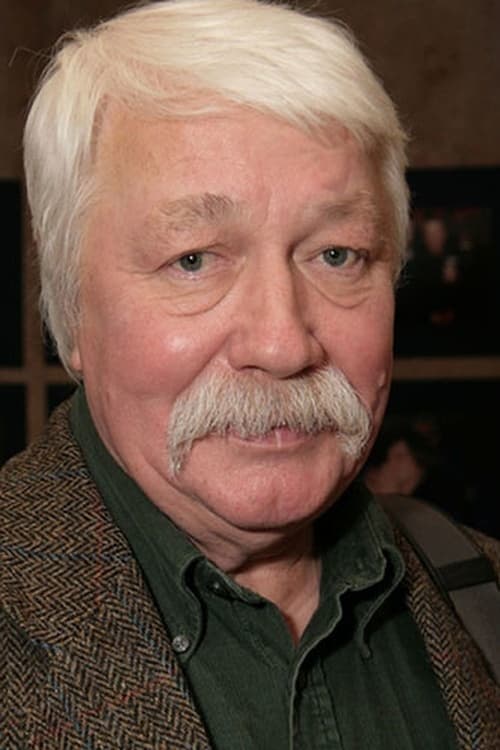
Eduard Vasilievich Nazarov (Russian: Эдуард Васильевич Назаров; 23 November 1941 – 11 September 2016; Moscow) was a Russian (and Soviet) animator, screenwriter, voice actor, book illustrator and educator, artistic director at the Pilot Studio (2007–2016), vice-president of ASIFA (1987–1999) and a co-president of the KROK International Animated Films Festival. Eduard Nazarov was born in a bomb shelter during the Battle of Moscow. His parents were Russian engineers who met at the end of 1930s while studying at Moscow institutes. Nazarov's ancestors came from the Bryansk Oblast and had a peasant background. He became engaged in painting since childhood and while in the 9th grade entered an art school where he got acquainted with Yuri Norstein, his close friend since. After three years in the Soviet Army Nazarov entered Stroganov Institute. Simultaneously he started working at Soyuzmultfilm in 1959 as an apprentice, self-educating, since he was too late for the animation courses. He worked as an artist-renderer, an art director's assistant under Mikhail Tsekhanovsky and as an art director under Fyodor Khitruk, most famously creating Winnie-the-Pooh for the Soviet adaptation of the fairy tale. Since 1973 he had been directing his own short films, often combining duties of an art director, screenwriter and voice actor. "Once Upon a Time there Lived a Dog" (1982) is generally considered his most prominent work; it was awarded the First Prize at the 1983 Odense International Film Festival and a Special Jury Award at the 1983 Annecy International Animated Film Festival. Between 1979 and 2000 Nazarov had been working at the High Courses for Scriptwriters and Film Directors as an educator. He also illustrated various books and magazines. His last film "Martynko" (1987) was made during perestroika and banned for four years because Nazarov refused to change the name of the cartoon princess Raisa. During the 1990s he directed commercials and hosted a number of television shows dedicated to Russian and world animation. In 1991 he became a co-president of the KROK International Animated Films Festival, along with David Cherkassky. In 1993 he co-founded the SHAR animation school-studio along with Andrei Khrzhanovsky, Yuri Norstein and Fyodor Khitruk where he worked until his death. In 2004 Nazarov joined the Pilot Studio in their "Mountain of Gems" project, a grand government-backed TV series that combined efforts of many animators; between 2004 and 2015 they produced around seventy 13-minute shorts based on various traditional fairy tales of different Russian and former Soviet regions. In addition to art direction, Nazarov also co-wrote screenplays and did voice-overs to some of them. After the sudden death of Alexander Tatarsky in 2007 he turned into an artistic director of the studio. Nazarov suffered from diabetes for many years and had to undergone a surgery late in his life, losing one of the legs. He continued teaching students through Skype. Eduard Nazarov died on 11 September 2016 and was buried at the Vagankovo Cemetery in Moscow.
Known For

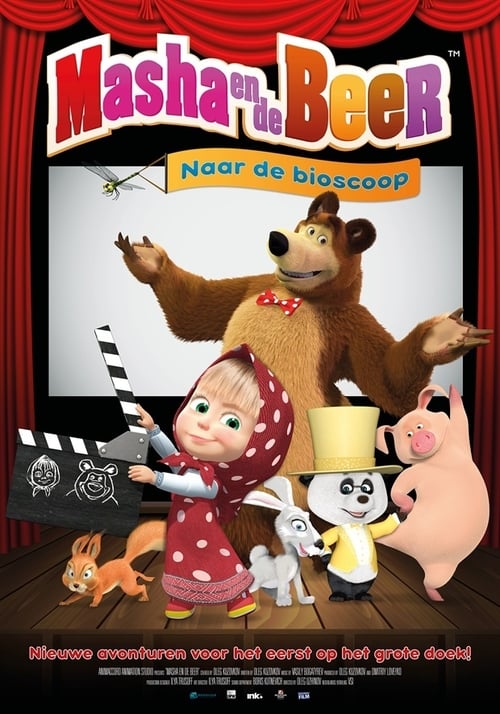
Masha is an energetic three-year-old who can’t seem to keep herself out of trouble. Bear is a warm, fatherly figure that does his best to guide his friend and keep her from harm, often ending up the unintended victim of her misadventures.
Masha and the Bear

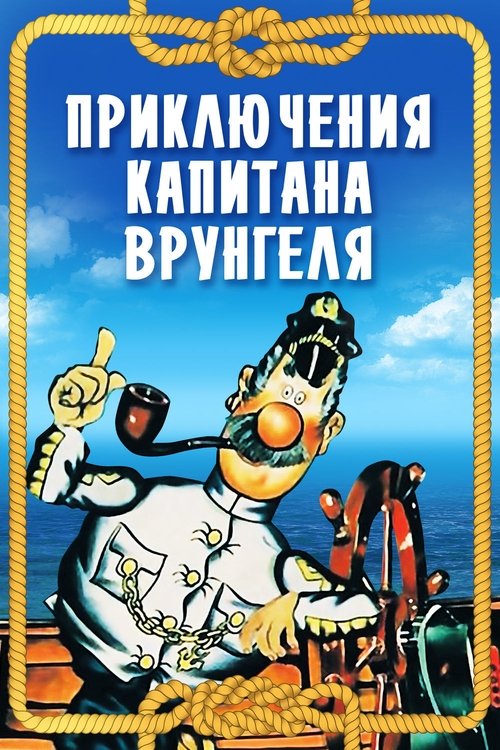
An old sea captain and his student decide to take part in the international regatta. At the same time an amateur thief steals a statue of Aphrodite from Louvre and boards their yacht by mistake. A long, fun adventure is ahead.
Adventures of Captain Vrungel

An old sea captain and his student decide to take part in the international regatta. At the same time an amateur thief steals a statue of Aphrodite from Louvre and boards their yacht by mistake. A long, fun adventure is ahead.
Adventures of Captain Vrungel

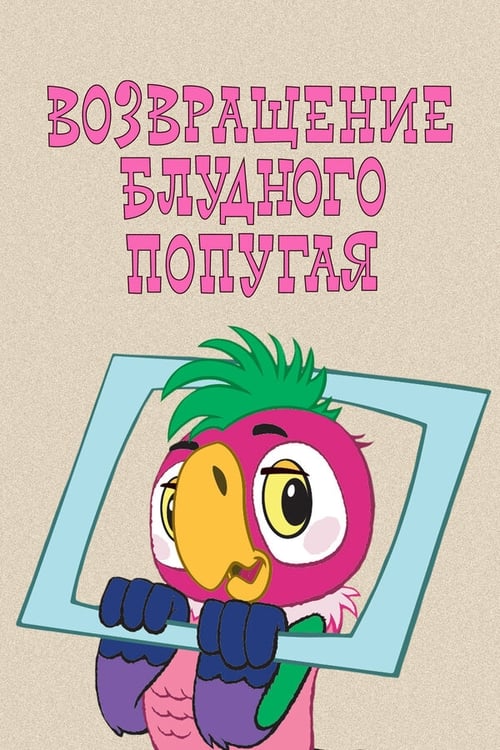
No description available.
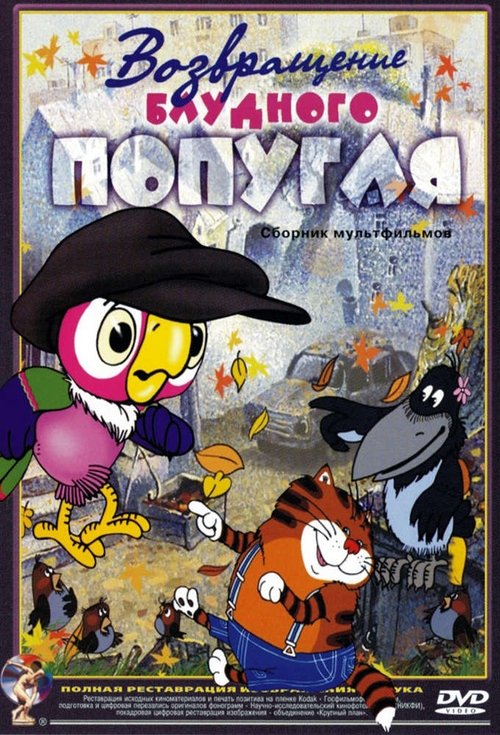
The Return of the Prodigal Parrot

A valiant mongoose enters into an unequal battle with two snakes while tries to protect a human family.
Rikki-Tikki-Tavi

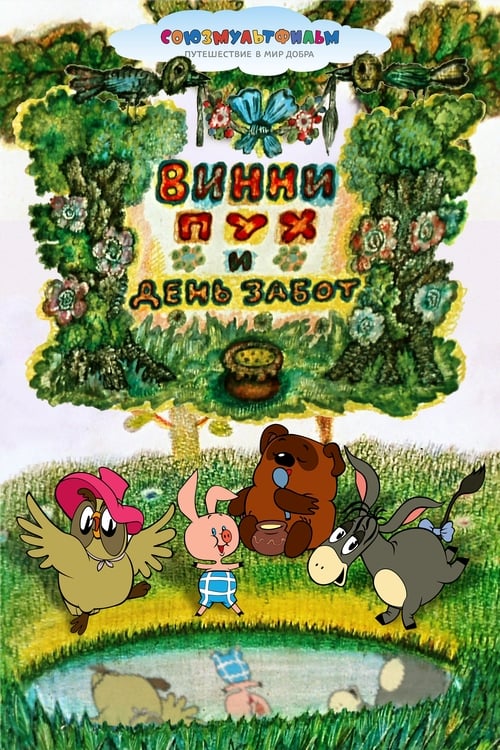
Another Soviet Winnie-the-Pooh story. This time the donkey, known from the Pooh stories as Eeyore, is sad because he has no tail. Pooh goes in search of one and finds it attached to a bell that hangs from the treehouse of one Owl.
Winnie-the-Pooh and a Busy Day

Martynko, while in the guardhouse, found a deck of magic cards with which he could easily beat anyone! He made a quick career to the customs minister, robbing all foreigners to the skin right at the border crossing. However, the princess's unrequited feelings led to the end of his career, and he was abandoned in the forest. After eating wonderful apples, he develops a plan of revenge.
Martinko

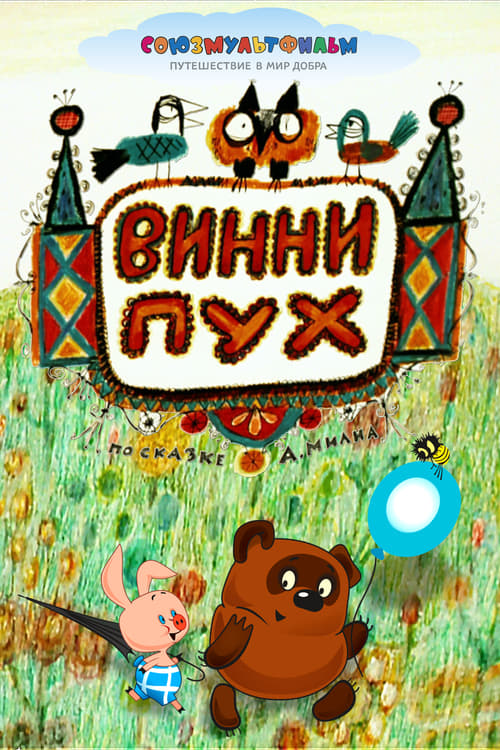
According to Winnie-the-Pooh himself, bears love honey very much. That's why it always runs out very quickly. And you can't do without honey, so Winnie, along with Piglet, sets off for a tall tree with a beehive hanging from it. Winnie fearlessly climbs up to the beehive on a balloon, singing a song about a little cloud.
Winnie-the-Pooh

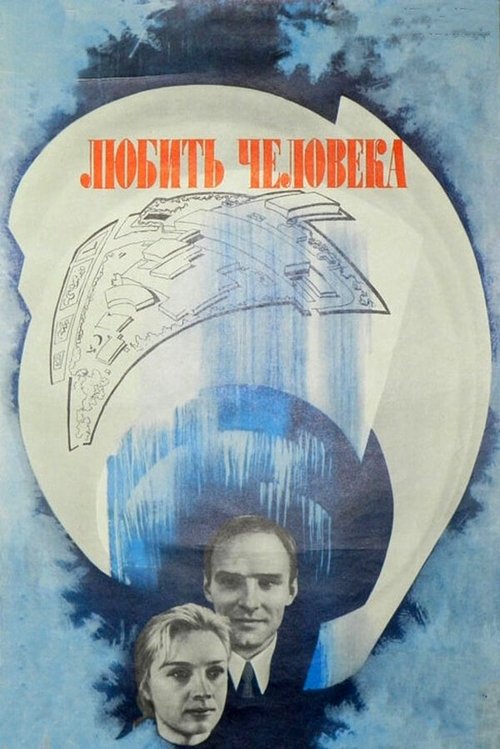
A film about young architects who are building a new city in Siberia (Norilsk), their anxieties, concerns, and victories. Story of subtle psychology of love and personal happiness experienced men and women, behind the shoulders of which the pain of the past
The Love of Mankind

Blending drawings, paintings, filmed interviews, and recorded testimony, this animation-documentary hybrid tells of the tragic fate of the Estonian artist Ülo Sooster.
School of Fine Arts. Juniper Landscape

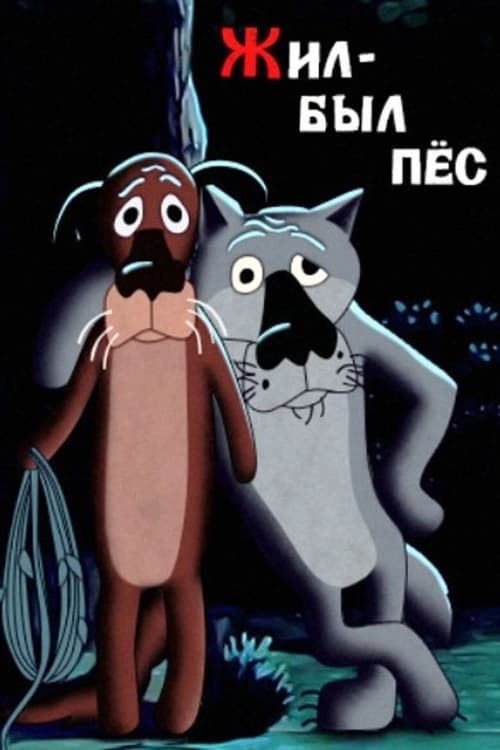
Based on the Ukrainian folktale, the old dog of a village family is not as keen as he once was, and is sent away after he fails to guard their house during a robbery. In the woods, he meets the wolf he protected his masters against long ago, who decides to pay a favor to get his old enemy's rightful place back in the doghouse.
Once Upon a Time, There Lived a Dog
The second part of the duology on the famous Estonian artist Ülo Sooster continues his life story, paying homage to many other great artists who were spiritually consonant with his work.
School of Fine Arts. Return

The goat and the ram ran away from the owner in search of a better life.
About a Ram and a Goat

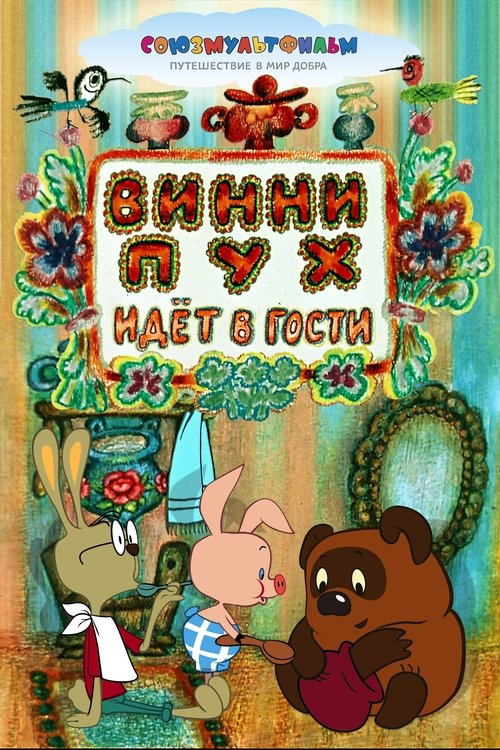
The second of the Soviet Winnie-the-Pooh series. This one had Pooh and Piglet visiting Rabbit for a meal with honey.
Winnie-the-Pooh Goes Visiting

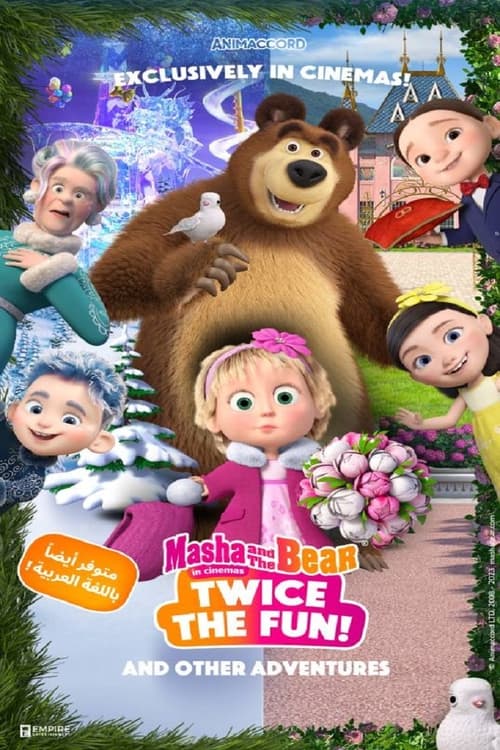
Masha leaves the forest in pursuit of an adventure in the city, where she encounters many unexpected situations and surprises while attending a wedding, and later seeks to do everything in her power to save Christmas.
Masha and the Bear: Twice the Fun
An animated film in two parts, about the tragic fate of Estonian artist Ülo Sooster and about his work.
School of Fine Arts

A circus lion goes on holiday to Africa, but his circus skills doesn't let him be. Based on the tale of the Czech writer Milos Macourek "Boniface and his nephews»
Boniface's Holiday

Self-confident and eccentric Columbus lands on the American shore in the 20th century.
Columbus Docks To The Shore

The Cat tries in vain to get the attention of the beloved Lady-Cat by singing, but she does not pay attention, as she is too busy watching various TV shows. The Cat decides to get on TV and perform with his song there, but he constantly gets claims - "we do not take tails", "why on earth do you have a striped face", and the last remark about "fur mittens" the Cat is angry and shows claws . After that, he is categorically forbidden for the show, to which the Cat responds with the threat of "spoiling all your television."
Cat Which Could Sing

A man decides to escape into the future by the way of hibernation. When he wakes up, feeling lucky that the experiment worked out well, the staff of the hibernation company politely walks him to the outside were he finds a post atomic war desert… He wakes up! Thank God it was just a dream! Or was it?