Editing
When a father is forced to abruptly depart for work, he leaves his children, Aidan and Mia, at their holiday home in the care of his new girlfriend, Grace. Isolated and alone, a blizzard traps them inside the lodge as terrifying events summon specters from Grace's dark past.
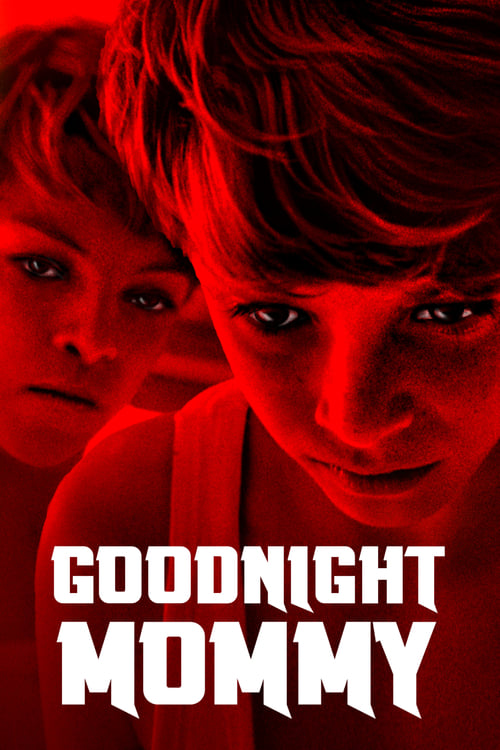
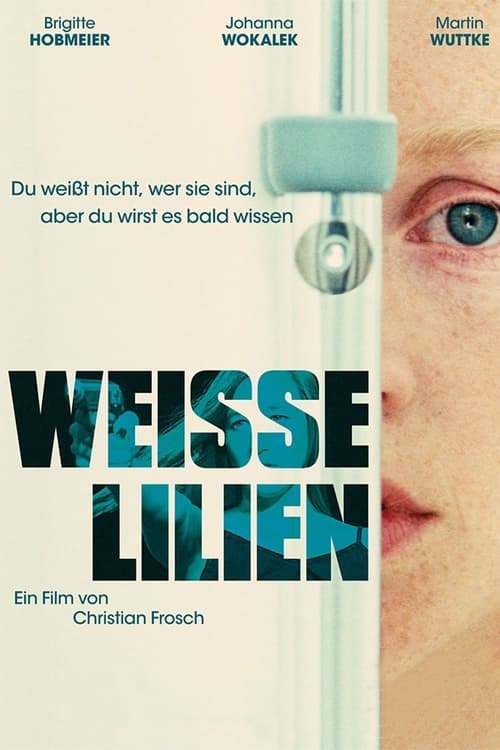
In the heat of the summer lays a lonesome house in the countryside where nine year old twin brothers await their mother’s return. When she comes home, bandaged after cosmetic surgery, nothing is like before and the children start to doubt whether this woman is actually who she says she is.
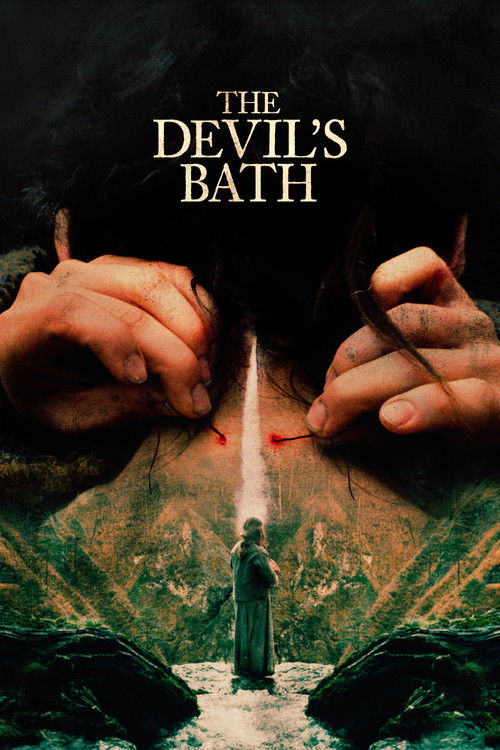
In 1750 Austria, a deeply religious woman named Agnes has just married her beloved, but her mind and heart soon grow heavy as her life becomes a long list of chores and expectations. Day after day, she is increasingly trapped in a murky and lonely path leading to evil thoughts, until the possibility of committing a shocking act of violence seems like the only way out of her inner prison.
At 6am on May 21, 2008, armed police burst into the apartment of Austrian dog trainer and animal-rights activist Sabine Koch, arresting her. After three months in custody, Koch, together with 12 other animal-rights activists, went on trial. They were charged with being members of a criminal organisation and therefore breaching article 273a of the Austrian Penal Code, introduced in the wake of 9/11. The article’s intention is to allow the state to stifle terrorist activity. Years of observation, house searches, and undercover agents – the police left no stone unturned in its bid to prove the animal-rights activists’ guilt. The sobering result: five million Euros worth of investigation, no proof and a great deal of scepticism towards the Austrian justice system – and democracy itself.
The accomplishments of four handicapped ten-year-olds are recorded on camera. Their determination to do and create is obvious in each action.
Elektro Moskva is an essayistic documentary about the Soviet electronic age and its legacy. The story begins with the inventor of the world's first electronic instrument, Leon Theremin, unveiling the KGB's huge pile of fascinating devices, some of which were musical. They all came into existence as a by-product of a rampant defense industry. Nowadays, those aged and abandoned 'musical coffins', as solidly made as a Kalashnikov, are being recycled and reinterpreted by the post-Soviet generations of musicians, sound collectors and circuit benders. The story of the Soviet synthesizers as an allegory to the everyday life under the Soviet system: nothing works, but you have to make the best out of it. An electronic fairy tale about the inventive spirit of the free mind inside the iron curtain- and beyond.
A film about the world's most beautiful woman, a Hollywood goddess and her forgotten breakthrough invention that revolutionized mobile phones. A film about a mother, an emancipated woman and a failed life. The Hedy Lamarr Story tells her tale as a fusion of modern myths, constructed legends and true stories.
A personal essay about the United States viewed through the life and work of the late American film and stage actor Henry Fonda.
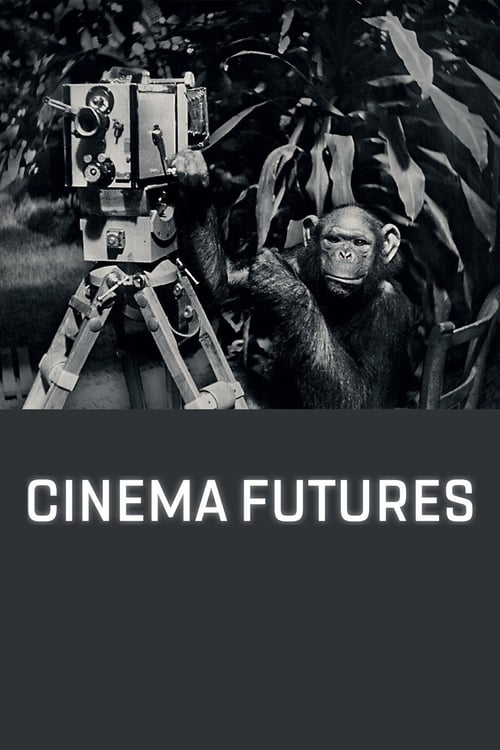
Analog celluloid strips are disappearing. Is film dying, or just changing? Are the world's film archives on the brink of a dark age? Renowned filmmakers, museum curators, historians, and engineers help dramatize the future of film and the cinema in the age of digital moving pictures.
At some point in the not-so-distant future, an unnamed European city has evolved into a bizarre dystopian metropolis, whose residents inhabit towering utopian high-rises and work, collectively, in a single compound.
3 dead women, blood drained through small bites and placed around L.A. The murders catch international attention of a lonely man looking to teach a suspected vampire some morals.
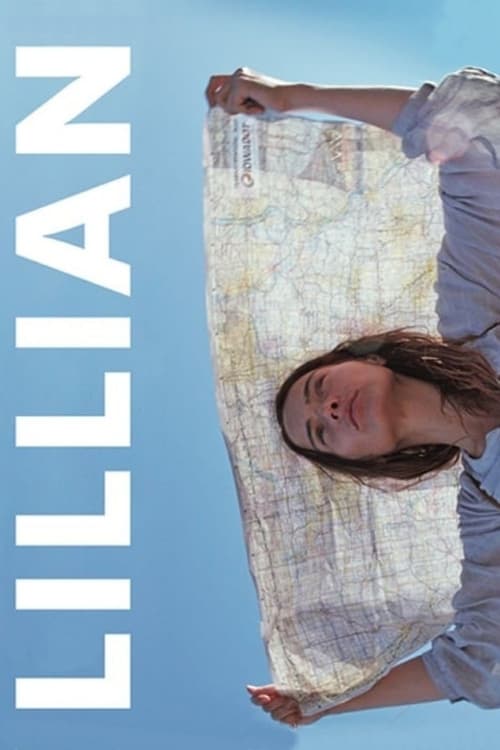
Lillian, stranded as an emigrant in New York, wants to walk back to her native Russia. Determined, she sets out on the long journey. A road movie across the United States into the cold of Alaska. The chronicle of a slow disappearance.
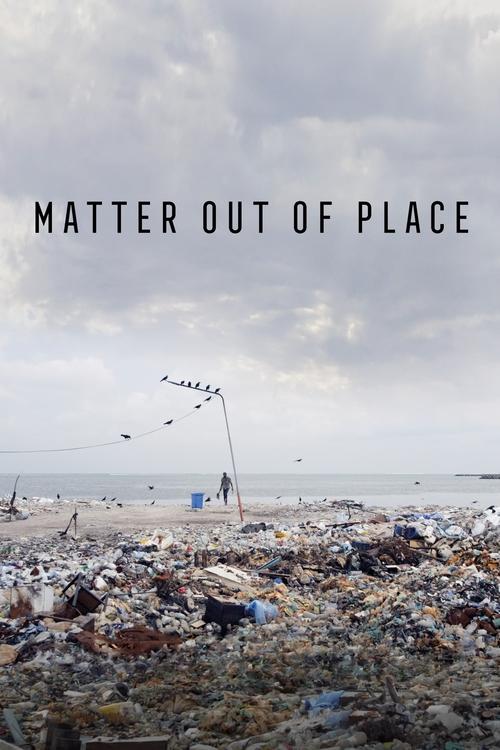
A film about our garbage that is found in the most remote areas and about the people who try to dispose of it. Not only in the sea and on coasts, also in the Arctic, the jungle, high up on the mountains and deep inside the desert, garbage is found almost everywhere in various forms and dimensions, sometimes as whole car wrecks, old TV sets or simply construction rubble, but mostly in the form of disintegrated plastic particles a few millimetres in size. Humanity has handed out its visiting cards thoroughly.
Twenty-eight well-known filmmakers living and working in Austria were invited by WIENER MOZARTJAHR 2006, to produce associative miniatures on Mozart. Requirement: they had to be one-minute artistic short films. The directors come from a whole range of different backgrounds, ranging from animated, experimental and short film to documentaries and feature films. The result is a multi-facetted sampler of diverse formal and contextual positions with regard to Mozart’s person and his influence on today’s society, art and culture. The contributions run the gamut from experimental-conceptual statements through socio-critical and documentary observations to pithy short feature films.
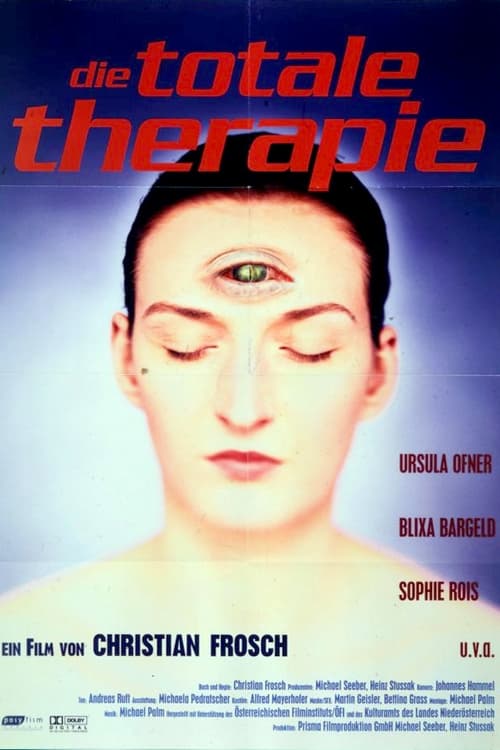
Nine persons sign up for a self-awareness course at an isolated country estate. Dr. Romero, a charismatic therapist, and his assistants confront the patients with their problems. Cut off from the rest of the world, the participants are increasingly drawn into the therapy's spell.
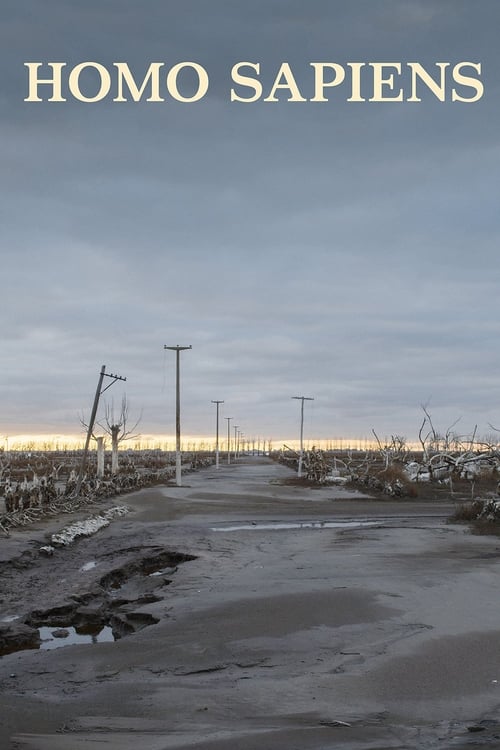
HOMO SAPIENS is visionary documentarian Nikolaus Geyrhalter's exploration of the finiteness and fragility of human existence, the end of the industrial age, and what it means to be a human being. What will remain of our lives after we're gone? Empty spaces, ruins, cities, increasingly overgrown with vegetation, crumbling asphalt: the areas we currently inhabit, now abandoned and decaying, gradually reclaimed by nature. Comprised of a succession of eerily depopulated, dystopian landscapes from across the world, HOMO SAPIENS offers an at once mesmerizing and chilling vision of what a posthuman future might look like.
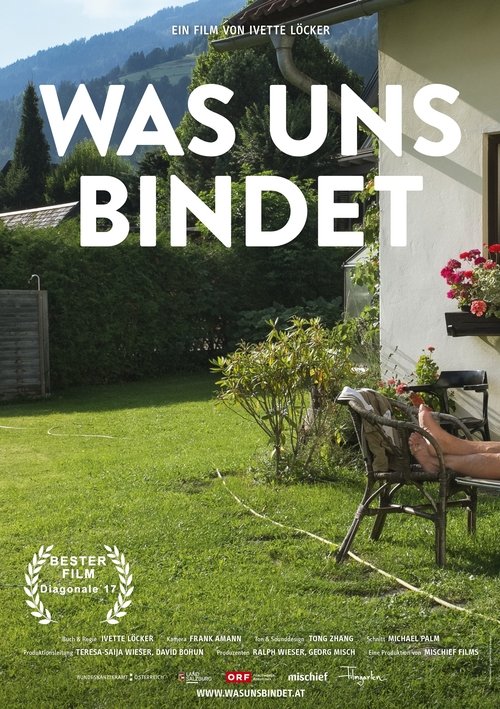
A documentary about the parents of director Ivette Löcker, who have been living apart in their shared home for 20 years.
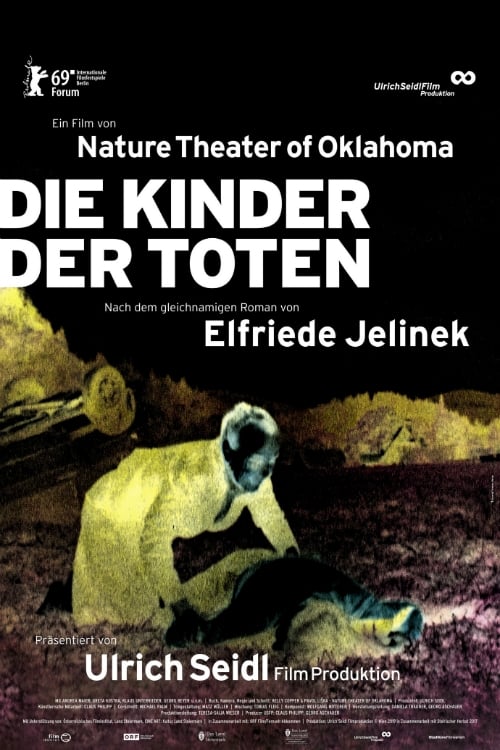
Tourism is booming at the Pension Alpenrose. After a dying in an accident, Karin returns as one of the undead. In a cinema owned by a Nazi widow where the past is mourned, she brings the dead back to life.
"Masculinity" is the subject of this film. Harald, the protagonist, fails in his blind attempt to prove his masculinity at Maria's expense. The Stone Age is over. Is it really?
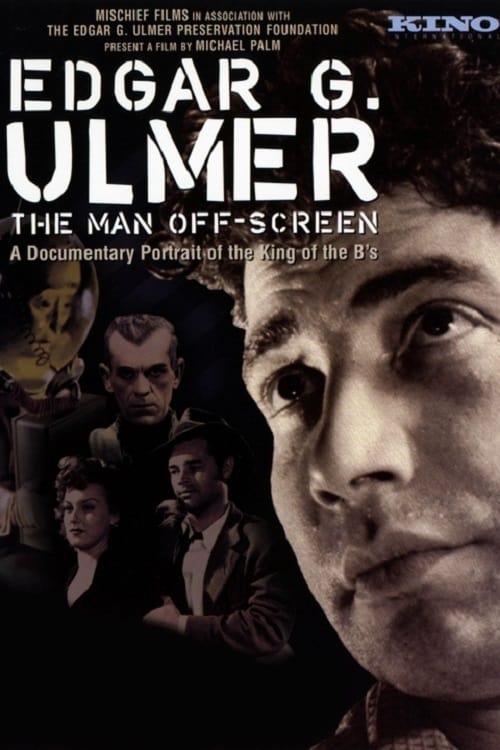
Documentary on the life and work of B-movie filmmaker Edgar G. Ulmer, spanning from his early life to his last film.