Directing
No description available.
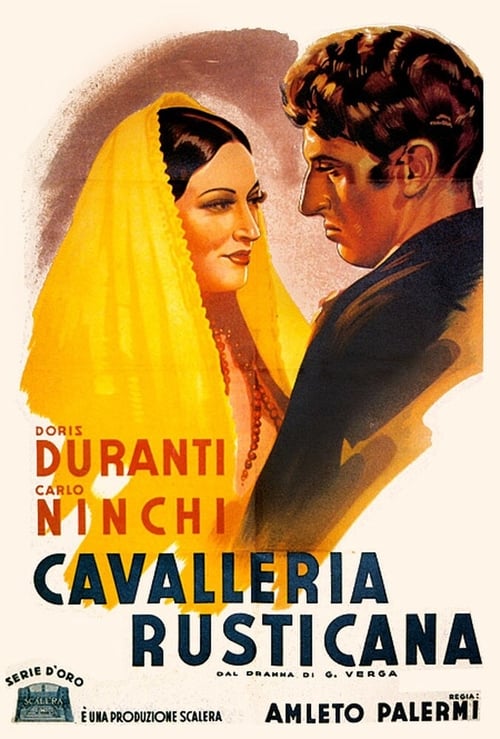
This film was not based on the famous one-act opera of Pietro Mascagni but rather on the original story by the Sicilian writer Giovanni Verga. It's the story of Santuzza, her love Turiddu, and his passion for the married Lola that leads to his death in a duel when Lola's husband Alfio exacts satisfaction.
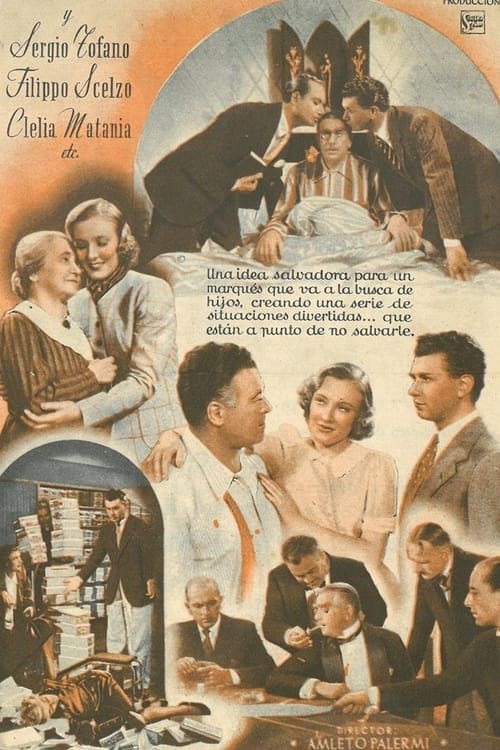
The noble Pantaleo Di Santa Paola has just died, and the preamble to his will is a confession in which he claims that in his youth he had a relationship with a circus rider that produced twin sons.
Giovanna leaves her husband and son for a short holiday and casually finds an old boyfriend in trouble.
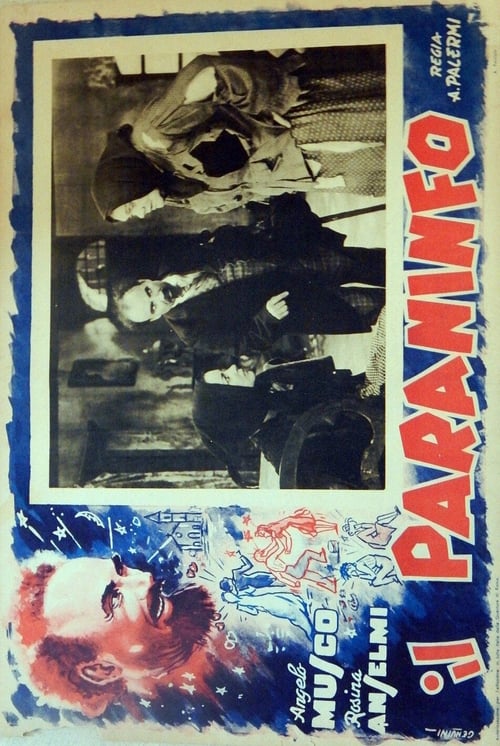
Mastr'Antonio Miciaccio caretaker and shoemaker is devoted to Saint John Beheaded and is trying to find out who has been stealing the oil that keeps the candle to the saint burning. He also does not approve of his daughter's boy friend and he does not want him to marry her.
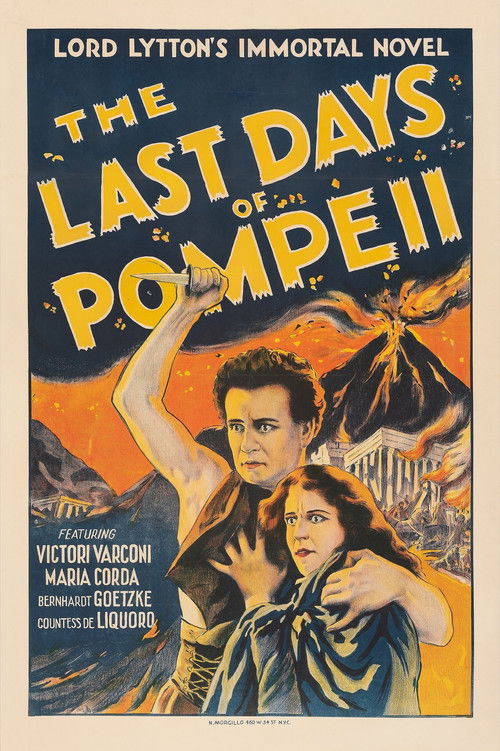
Carmine Gallone and Amleto Palermi’s The Last Days of Pompeii 1926 stages in sumptuous colour tinting the epic fall of the ancient city buried by Mount Vesuvius’ eruption. Adapted from Edward Bulwer-Lytton’s love story, the film was innovative in its special effects and an early major box-office hit. A beautiful tinted restoration print was prepared using photochemical processes by Centro Sperimentale di Cinematografia-Cineteca Nazionale in the mid-1990s and the premiere screening of the restoration print was held in the amphitheatre in Pompeii, followed by a screening at the major restoration festival ‘Il Cinema Ritrovato’ in Bologna in 1998.
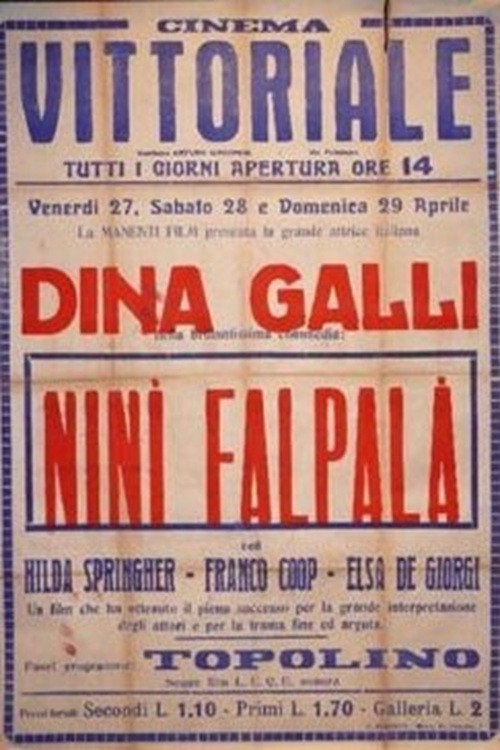
Based on a play by Luigi Capuana, the black-and-white movie revolves around a comical matchmaker.
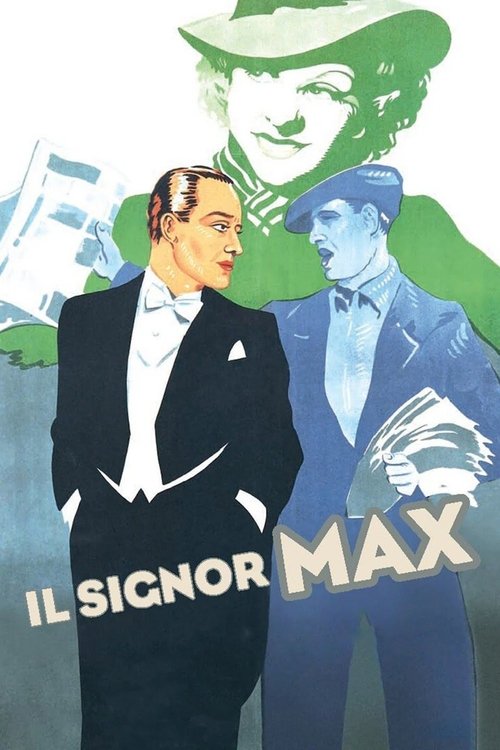
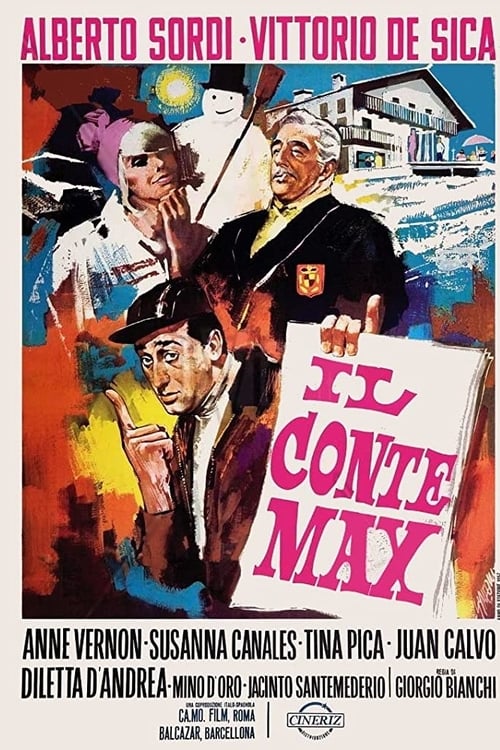
Gianni is a poor, young newspaper salesman in Rome. However, during his vacations he poses as Count Max Varaldo, an aristocrat. Once, on a cruise in Naples, he meets Donna Paola, a wealthy snob, and her shy maid Lauretta. After trying to establish a relationship with Donna Paola, Gianni, disappointed, decides to drop his alter ego Max and propose to Lauretta. However, she now believes that he is a Count, which leads to a series of comic misunderstandings.
Alberto, a newspaper man, tries a one-time shot of living the good life with the help of his penniless mentor.
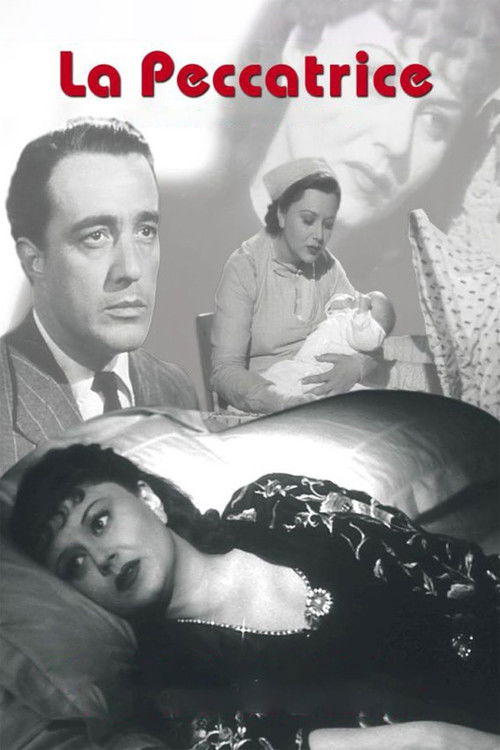
Seduced and abandonned by her fiance, Maria Ferrante leaves home to avoid any scandal. She is trying to find work and place to stay but one misfortune after another comes into her life Venice Film Festival 1940
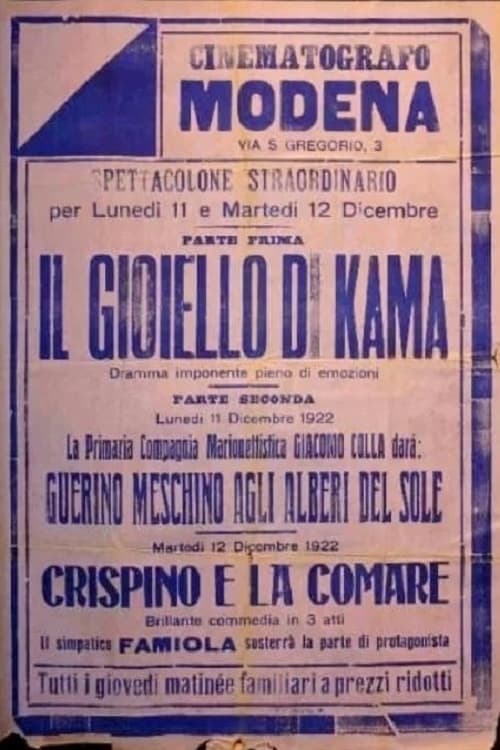
A silent precursor to the Indiana Jones adventures. Sydney played a double role as an American billionaire who has robbed a precious jewel from an Eastern temple and as a penniless painter who substitutes the other, not knowing that the Khama devotees are plotting a merciless revenge. Two kind souls, however, are watching over the menaced painter and help him out of many dangers; one is his girlfriend (Dolly Morgan).
Directed by Amleto Palermi
The Confessions of a Woman (Italian: Le confessioni di una donna) is a 1928 Italian silent drama film directed by Amleto Palermi.[1] The film relates a woman falling into high-class prostitution, and her eventual redemption. It is set in Palermo.
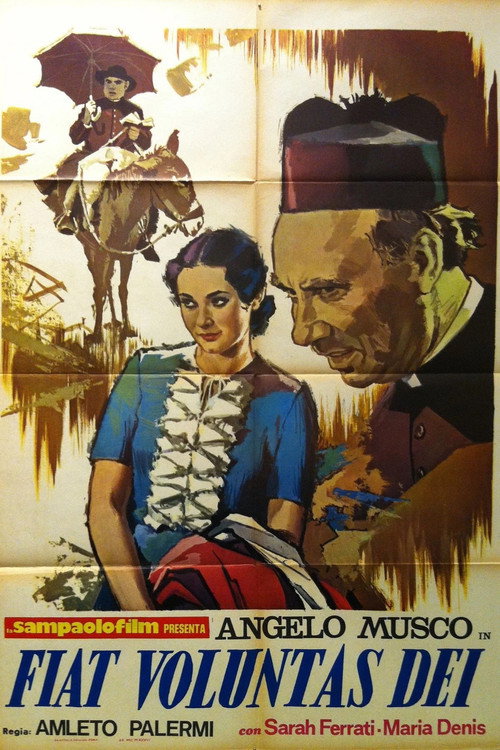
Everyone burdens their troubles in a little Italian village on the local pastor.
Carnevalesca with the beautiful Lydia Borelli is divided into four parts: white carnival - innocent and pure childhood, blue carnival - love and youth, red carnival - violent and destructive passion, black carnival - death and madness.