Acting
It represents the dynamics of the events that lead to the "great stories" to the media.
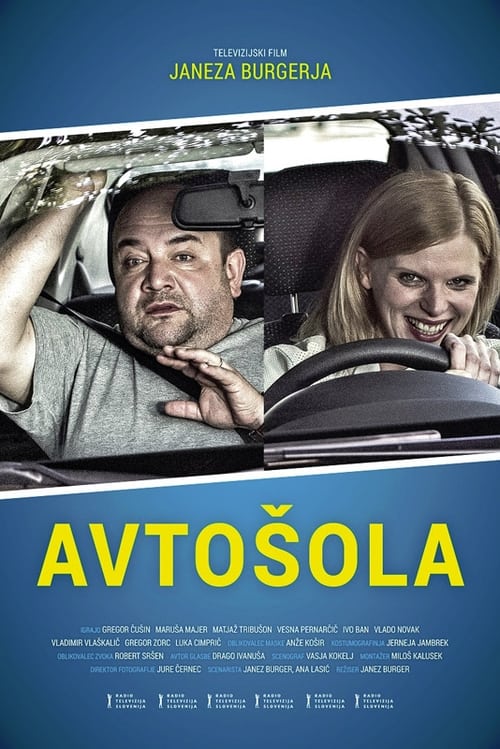
The newest tycoon Robert wants to gets his hands on the land where the driving school stands and build a modern shopping center in it's place instead. It is during this acquisition that lands him in an altercation with Instructor Jože, whose wife left him and Roberts daughter Lija. Lija is determined to go to driving school in spite of his father's prohibition. Besides the tense that portray the ruthlessness of our world, the story offers a range of warm and interesting human relationships seen as part of our everyday lives.
In the revolutionary year of 1968, Stane is an active rebel student. Mojca is a freshman, has a boyfriend named Vid, whom she met at the carnival party. There she also met her later husband Stane. Vid leaves for military service, while Stane successfully avoids it. During the glorification of this event, Mojca and Stane come together intimately. Upon his return from the army, Vid discovers this love triangle. Stane and Mojca get married. The death of the child and the awareness that Stane is cheating on her, leads Mojca to divorce.
Driving home from a New Year's Eve party, Chief Inspector Taras Birsa notices a police car by the road. He stops, and inadvertently gets involved in an investigation of a brutal murder of a young woman.
Nika Owen is a trainee lawyer. A beginner in the world of law. And an initiator in life. Through the mysterious death of Inspector Novak, the unraveling of secrets is triggered, leading her down the path of learning what is really going on in society. Her career is at stake, her friendship, her love. —tvprofil
The main character of the title lives a completely new life every time. Tomaž Kajzer is a classic hero of the series, but with a mistake. It’s always someone else.
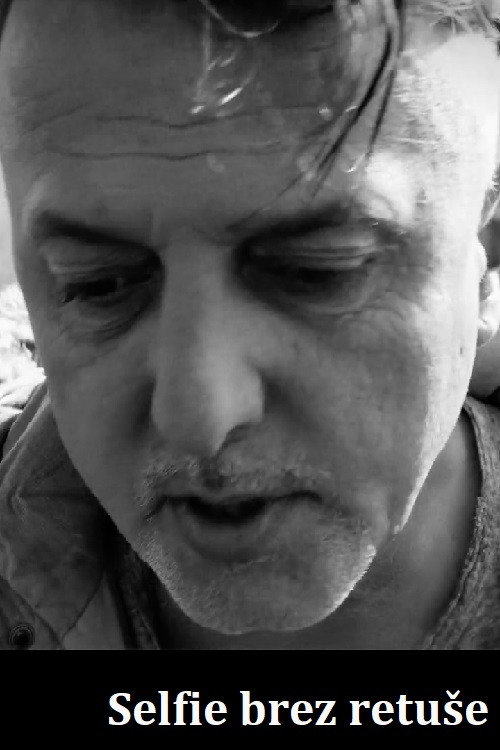
The film explores creativity in a different, not necessarily psychoanalytic, but certainly self-purgative and self-critical way. This is a story of the creative processes of a director, screenwriter, musician and versatile artist Vinci Vogue Anžlovar. A person with a personality disorder, a witty and insightful author with borderline tendencies. Four feature films, music for his band and feature films, theatre, short films. But all this in some state of conflict – clashes with producers, slapping a minister, breaking the jaw of an actor, fits of rage, anxiety, drugs, gambling, divorces, poverty, wealth, depression, rehab...
A story about a couple from the bottom of the social ladder, about smuggling refugees across borders and other 'suspect' things- it is, first and foremost, an attempt to tell a story about the worst in people, wherever they may be coming from.
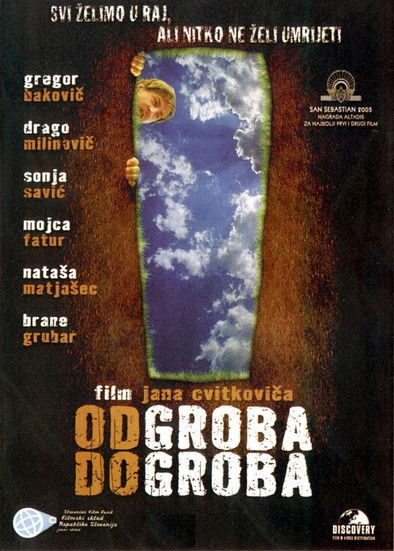
Pero is a professional funeral speaker in a small Slovenian town. His unique gift is to make every funeral that extra bit special. Pero just can't help turning his eulogies into witty personal confessions that bring the grieving crowd to tears for all the wrong reasons.
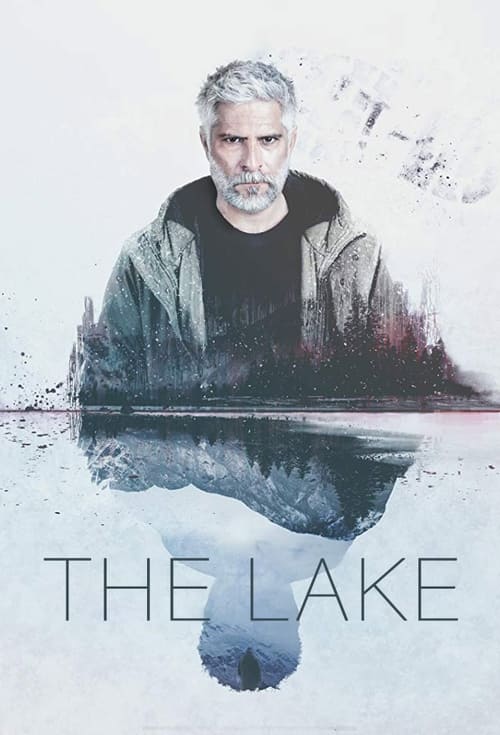
In a small town where everyone knows everybody else, independent researcher Vesna is investigating the death of the director of the local radio station. Although the director evidently committed suicide, Vesna, who has uncovered evidence of a conspiracy, is convinced that he was murdered. When several of the people she has spoken to about the matter find out that the director (Milan) was Vesna's father, they become even more withdrawn about the matter. Will Vesna succeed in unraveling the mystery--despite the many warnings that she should stop trying to uncover the truth?
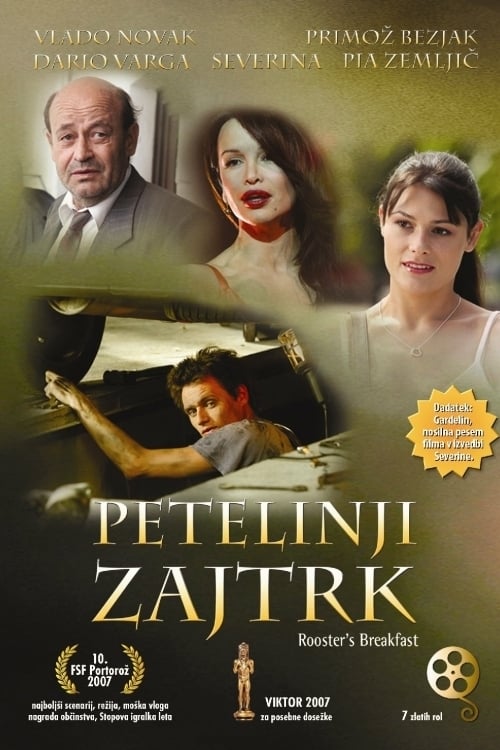
After being fired, a young car mechanic Đuro gets recommendation to look for another job in a remote village. His new boss is warm, old fashioned and naive - completely opposite from the world he's coming from. The peaceful atmosphere is shaken when Đuro falls for a regular customer's wife.
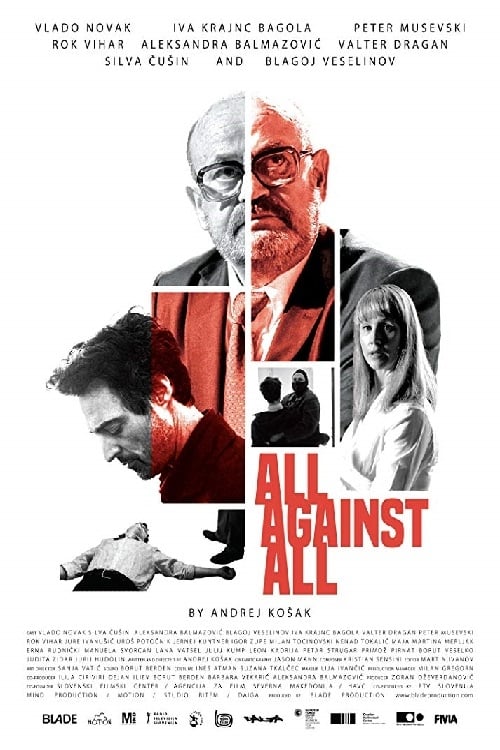
A political drama with elements of a thriller discusses politics, electoral fraud, and the decay of moral values, taking place in the fictional town of Rovte under the idyllic Alps. Franta, a corrupt mayor, is about to lose the election. After a TV debate, where he fails utterly, Franta calls his mistress Jozica in desperation. She advises him to seek the aid of Fleischmann, a criminal who is the only one capable of solving the problem on such short notice. After all, there are only four days left until the elections.
Documentary drama Partisan Priest is based on the dramatic life story of Slovenian priest and partisan Jože Lampret. All his life, this uncompromising fighter for justice and equality strived to reconcile the irreconcilable: Christian practice and international socialism. In the end, he was betrayed by both – not the ideas, but by those who saw him as the enemy or merely the means to get what they wanted. A story which indirectly reflects the present day.
Tadej and Lana, a young couple, are struggling through the world of drugs, dealers, addicts and prostitution. He is addicted to heroin and she is trying to help her boyfriend. When she realizes that all her efforts are in vain she becomes so desperate that she decides to take heroin herself in order to show Tadej how weak he is. Unfortunately the drug is stronger then her too and a year later she finds herself in the same situation. Now they are both in continuous search for daily fix.
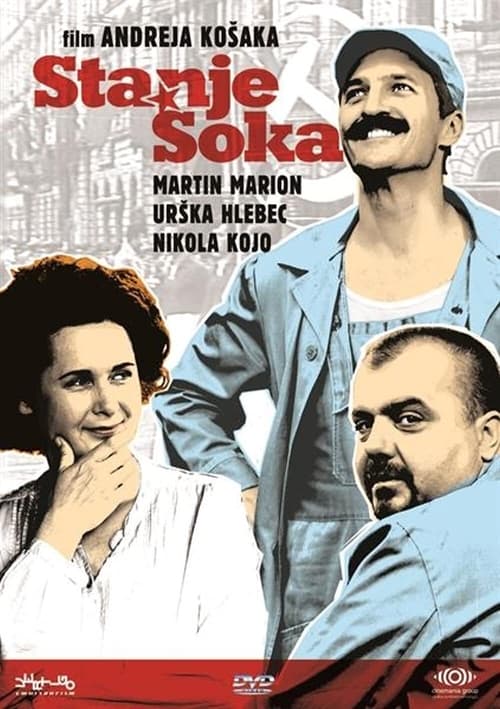
Set in socialist Yugoslavia in 1986, a humble and diligent factory worker falls into a 10-year shock right at his working place. He wakes up from coma in hospital in 1996 capitalist Slovenia, only to find out that he's left without job as being redundant.
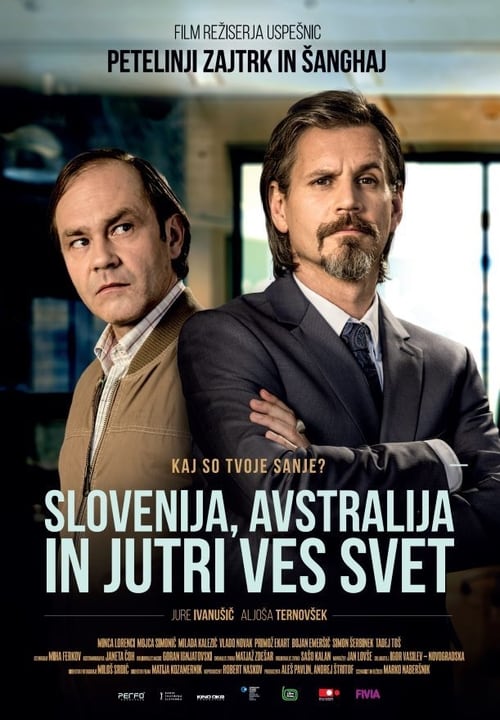
Slovenia, Australia and Tomorrow the World is a drama film with elements of comedy. The central character Boris works as a machinery maintenance man in a factory, hoping that his work and efforts will be awarded in the future. And indeed, he is given an opportunity by Cosmica, a company providing door-to-door sales and counselling services as well as investment in securities.
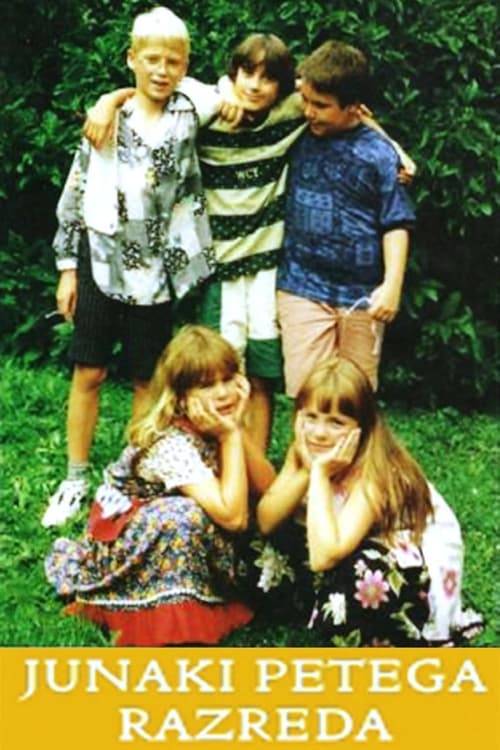
Taut and witty story about the heroic eleven-years old kids that are accidentally caught in a very grown up adventure. Directness , candor , wit and ingenuity help them to ruin adult offenders plans and bring them to face justice.
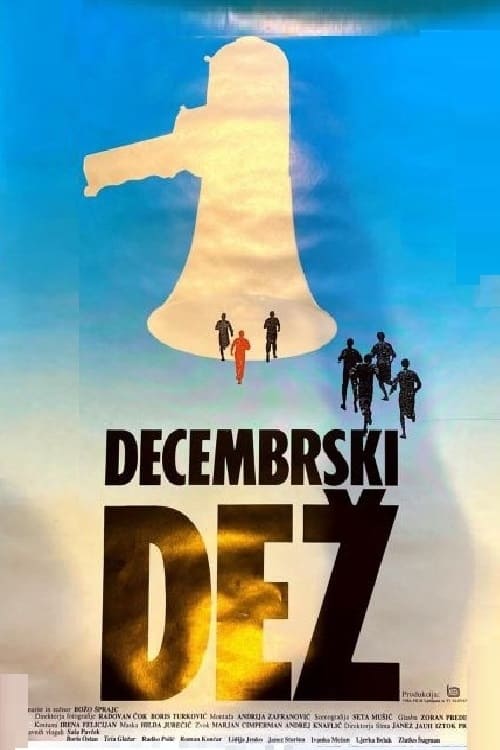
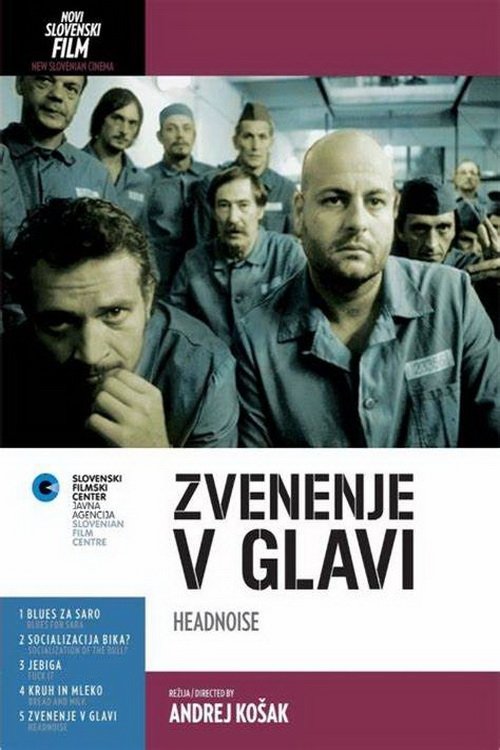
In Yugoslavia's Livada prison in 1970, inmates led by Keber convince reluctant authorities to let them watch the televised Olympic final basketball game between the home country and the U.S., but taunting guards interrupt the viewing and prod the prisoners to the point of a riot. After a period of a kind of blissful anarchy where the inmates taste freedom, Keber enlists the house "intellectual" Mrak to devise a system of prisoner self-government aimed at forcing reforms on the state.
Los Angeles in 1935. Fritz Lang receives in his hotel apartment the young film amateur Willy, who wants to prepare an interview with him. At a certain moment Lang starts relating how, as an army officer in the First World War, he spent some time in the house of the lawyer Karol Gatnik in a small town in the northeast of Slovenia. Lang makes friends with Gatnik and gets aquainted with all members of his family. When Lang finds out that Gatnik is a passionate film amateur and that he also possesses his own camera, they make a film together. This is probably Lang’s first contact with cinematography. Late at night Lang looks at the photographs in Los Angeles and revives in his spirit the imaginary meeting with his friend Gatnik.
By a twist of fate, Damjan is mistaken for a murderer who was prowling the streets of Ljubljana in the same neighbourhood. Because of his naive, friendly approach and helpfulness, his wife walks out on him and the police have doubts about his sanity. Is Damjan really losing his memory like his father did before him? And does purity of mind and spirit necessarily lead to a person's downfall? Will Damjan, who is mysteriously attracted and connected to the cinema and who finds himself drawn into a case of mistaken identity (just like in the movies) succeed in setting his life in order in spite of the mix-up and in finding the right companion for himself?