Annemarie Jacir
Directing
Biography
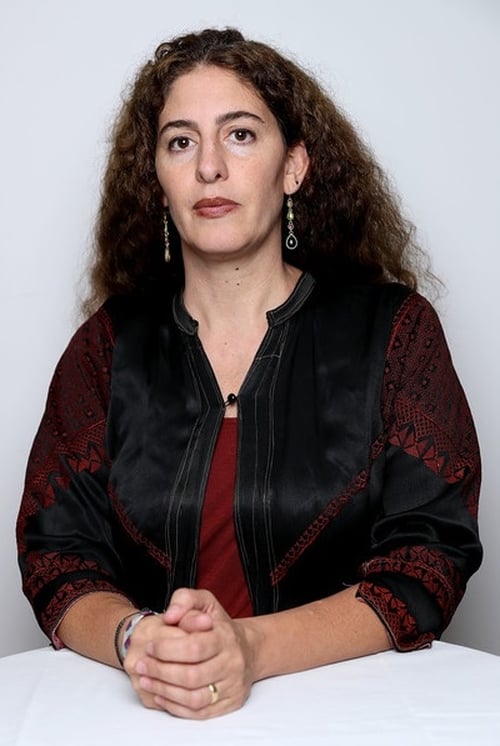
Annemarie Jacir (Arabic: آن ماري جاسر; born 17 January 1974; Bethlehem) is a Palestinian filmmaker. Her short film Like Twenty Impossibles (2003) was the first Arab short film in history to be an official selection of the Cannes Film Festival and was nominated for an Academy Award. Her second film Salt Of This Sea (2008), garnered fourteen international awards. It was the first feature film directed by a Palestinian woman and Palestine’s 2008 Oscar Entry for Foreign Language Film. The much awarded When I Saw You was Palestine’s 2012 Oscar Entry. Wajib (2017) is Jacir’s third feature film.
Known For

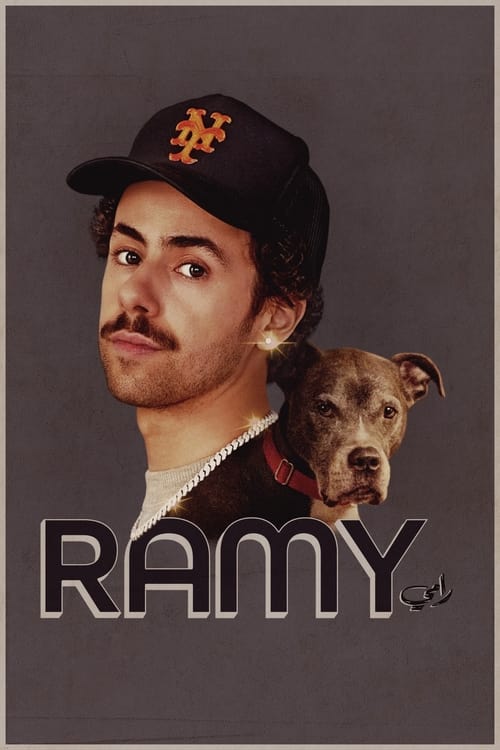
Ramy, the son of Egyptian immigrants, is on a spiritually conflicting journey in his New Jersey neighborhood, pulled between his Muslim community that thinks life is a constant test, his millennial friends who think life is full of endless possibilities, and a God who's always watching.
Ramy

Year 1936. As villages across Palestine rise against British colonial rule, Yusuf drifts between his rural home and the restless energy of Jerusalem, longing for a future beyond the growing unrest. But history is relentless. With rising numbers of Jewish immigrants escaping antisemitism in Europe and some arriving with nefarious Zionist-colonial ambitions, and the Palestinian population uniting in the largest and longest uprising against Britain’s 30-year dominion, all sides spiral towards inevitable collision in a decisive moment for the British Empire and the future of the entire region.
Palestine 36

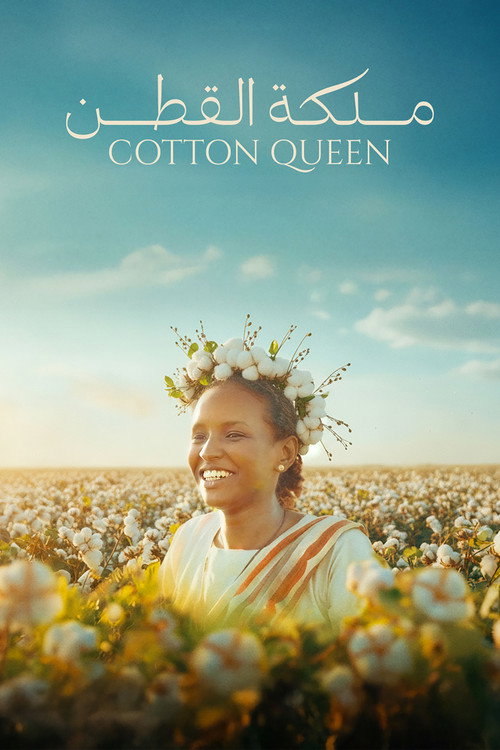
In a cotton-farming village in Sudan, teenage Nafisa is raised on heroic tales of battling British colonizers told by her grandmother, the village matriarch Al-Sit. But when a young businessman arrives from abroad with a new development plan and genetically engineered cotton, Nafisa becomes the center of a power play to determine the future of the village. Awakening to her own strength, Nafisa sets out to save the cotton fields – and herself. Neither she nor her community will ever be the same again.
Cotton Queen

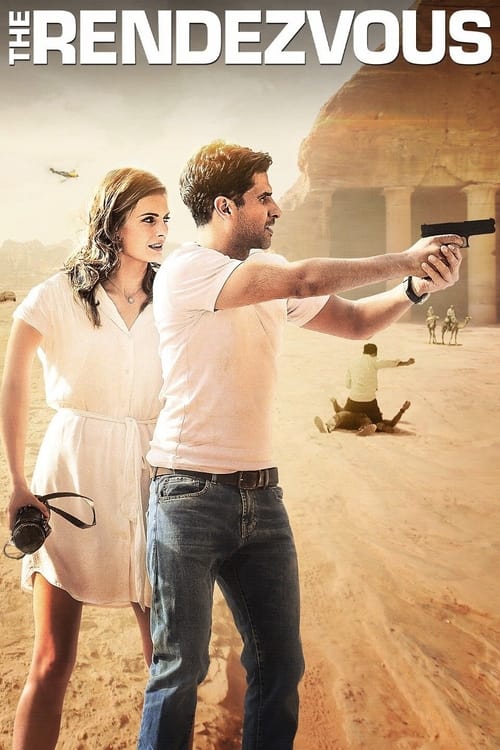
A miss-matched couple embark on a frantic search for the Dead Sea Scroll hidden in the ancient city of Petra.
The Rendezvous

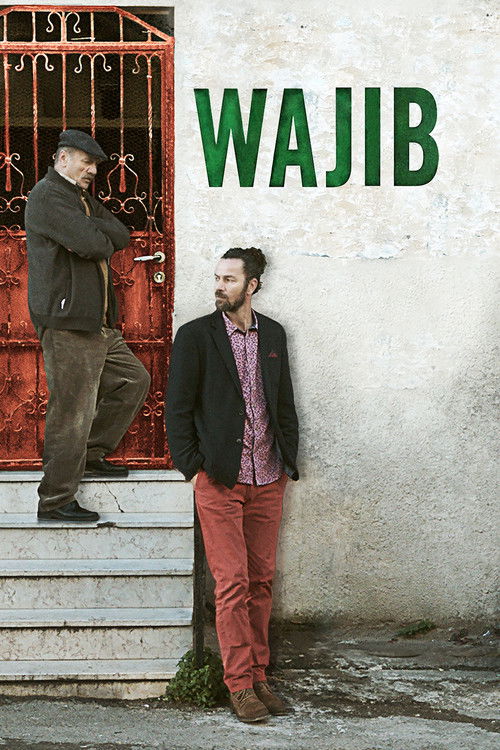
After years abroad in Italy, Shadi returns to his native Nazareth. But this is no spectacular homecoming. He's back somewhat begrudgingly to honour his "wajib" (or duty) to hand out invitations to his sister's wedding with his father. The simmering tension between the two — who are often stuck in a car, more often than not in traffic — builds, exposing the sometimes-comic chasms that exist between men who live in different worlds but share an unshakable bond.
Wajib

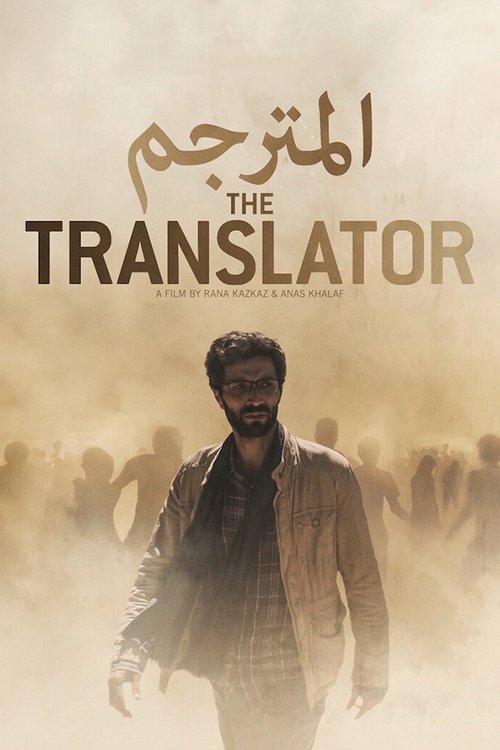
A Syrian exile living in Australia returns when his brother is taken into custody by the Assad regime in 2011.
The Translator

Tarek and his mother Ghaydaa number among the tens of thousands of refugees crossing the border from Palestine, having been separated from Tarek's father amidst the chaos of the Six Day War. They ultimately settle at the Harir refugee camp, a makeshift home for a new generation displaced by conflict. Tarek dreams of being reunited with his father, and struggles to adapt to a new life far away from all he previously knew.
When I Saw You

Iman, a young newly wed Palestinian bride, is arrested and incarcerated in a top-security Israeli prison where she gives birth to a baby boy. As she struggles to survive and raise her child behind bars, she is torn between her instinct as a mother and the difficult decisions she must make, finding through her relationship with the other prisoners - both Palestinian and Israeli – the time and space to reflect, develop and mature as a young woman.
3000 Nights

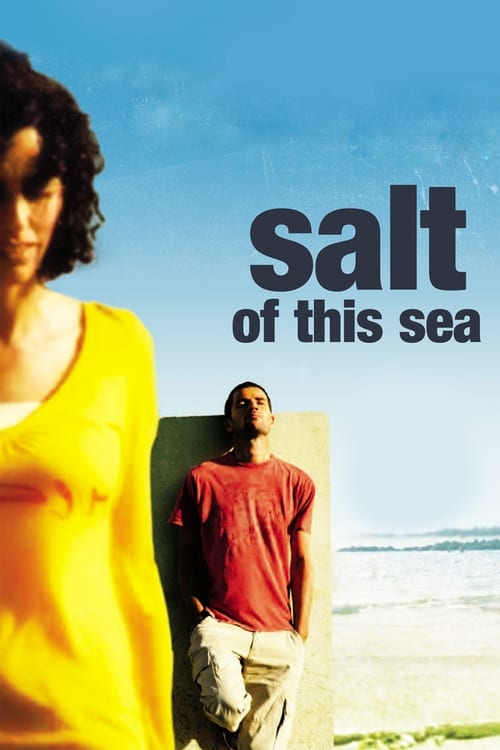
Born in Brooklyn to Palestinian refugee parents, Soraya decides to journey to the country of her ancestry when she discovers that her grandfather's savings have been frozen in a Jaffa bank account since his 1948 exile. However, she soon finds that her simple plan is a complicated undertaking — one that takes her further from her comfort zone than she'd imagined.
Salt of This Sea

An architectural exploration of Columbia University in New York, where buildings only reflect each other, space is restricted, and objects concealed or only partially revealed. Small, hidden imperfections. Set against a montage of real phone messages received by Columbia University faculty, the viewer's imagination contributes to this portrait reflecting an atmosphere of American college campuses today.
An Explanation: And Then Burn the Ashes

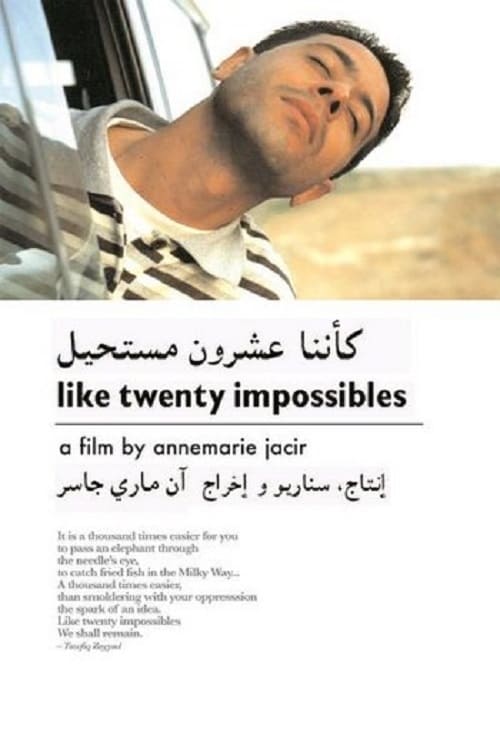
Occupied Palestine: A serene landscape now pockmarked by military checkpoints. When a Palestinian film crew decides to avert a closed checkpoint by taking a remote side road, the political landscape unravels, and the passengers are slowly taken apart by the mundane brutality of military occupation.
Like Twenty Impossibles
A woman drives her car around Jerusalem, asking Israelis for directions to Ramallah. She receives contradictory answers. A World Apart Within 15 Minutes is one of 13 short films directed by Palestinian filmmakers and produced by the Palestinian Film Collective for the "Summer 2006, Palestine" project.
A World Apart Within 15 Minutes

The road from Jerusalem to Ramallah.
Palestine, Summer 2006

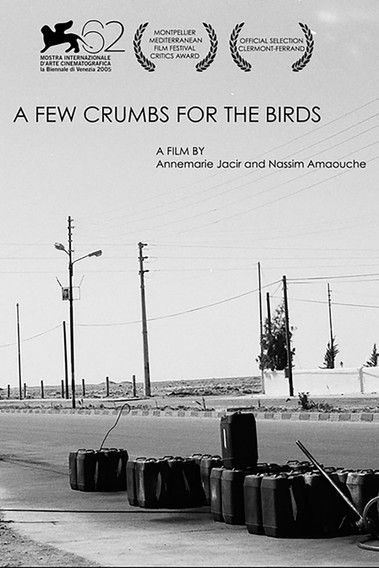
Ruwaysched is a no man's land at the border. The last village in Jordan before Iraq... I went there without a real scenario. I was looking for a story for my film for a couple of days until Anne-Marie, the director of photography, played a song for me from an Iraqi-Palestinian band while our car stalled at the Iraqi border. (Nassim Amaouche)
A Few Crumbs For Birds

Commissioned by the Locarno Film Festival for its 75th anniversary, 11 international filmmakers were invited to create a ‘Postcard from the Future’ from their respective countries. Annemarie Jacir’s entry, From Palestine with Love, depicts in one potent shot a concrete barrier wall falling down to reveal a tranquil beach with waves crashing softly at the shore and a child playing in the sand.
From Palestine with Love (Postcard from the Future)

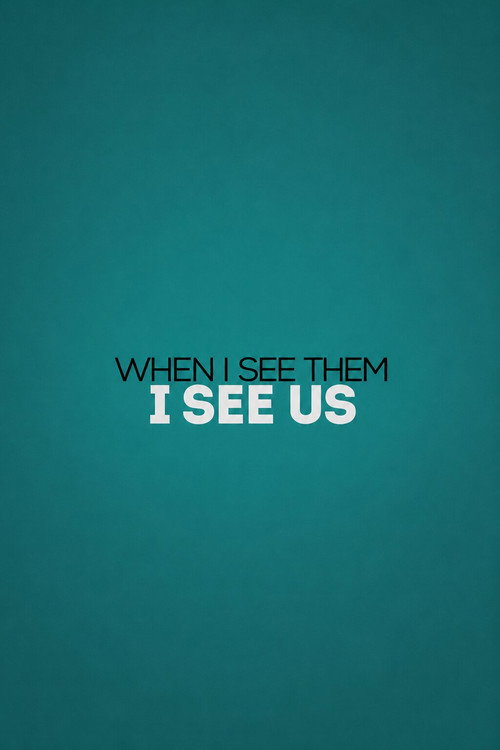
We choose to build with one another in a shoulder to shoulder struggle against state-sanctioned violence. A violence that is manifest in the speed of bullets and batons and tear gas that pierce our bodies. One that is latent in the edifice of law and concrete that work together to, physically and figuratively, cage us. We choose to join one another in resistance not because our struggles are the same but because we each struggle against the formidable forces of structural racism and the carceral and lethal technologies deployed to maintain them. This video intends to interrupt that process – to assert our humanity – and to stand together in an affirmation of life and a commitment to resistance. From Ferguson to Gaza, from Baltimore to Jerusalem, from Charleston to Bethlehem, we will be free.
When I See Them, I See Us

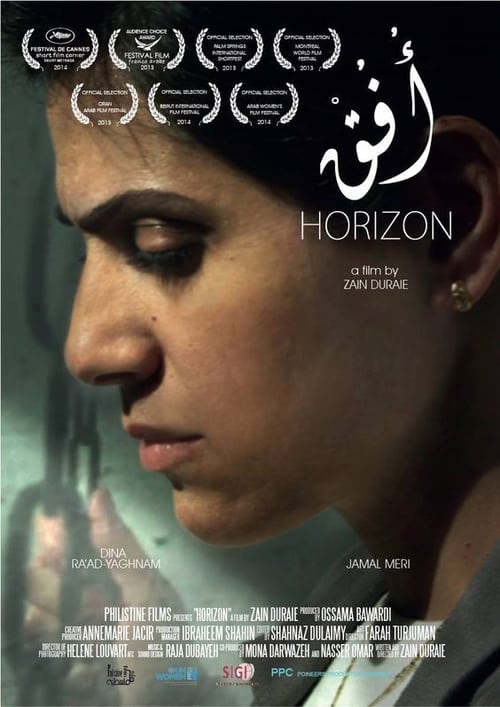
No description available.
Horizon

Traces the five-minute walk that Iyad Hallaq, a disabled boy, would take from his family’s home to the special needs institute where he attended class — the same route upon which he would be senselessly killed by a sniper.
Iyad

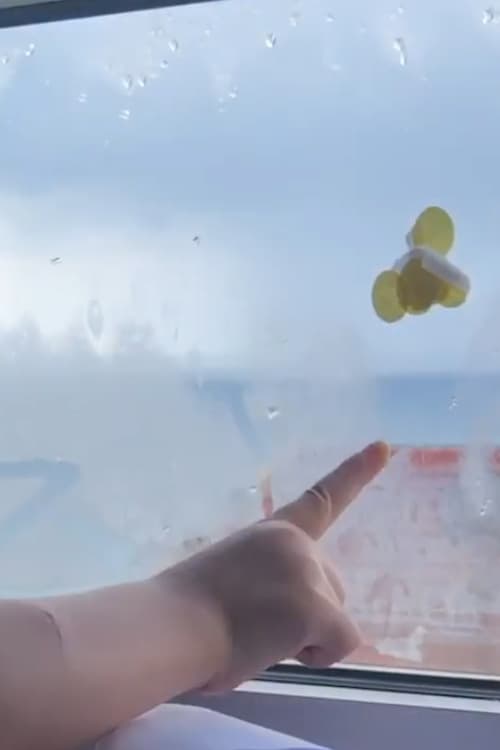
In “Spaces #3”, 7 internationally acclaimed directors shot, after commissioning by the Thessaloniki International Film Festival, a short film at home, making their own timely comment on the new reality that we live in. The project is inspired by the book “Species of Spaces” by the French novelist, filmmaker, documentalist, and essayist, Georges Perec and the days of quarantine. The idea is to create a film at home, using the environment, the people or the animals in that space. The only outdoor areas that may be used are outdoor living spaces, such as the terrace, the garden, the balcony and the stairwell. “Disconnect” is Annemarie Jacir’s submission.
Disconnect