Vinicius de Moraes
Acting
Biography
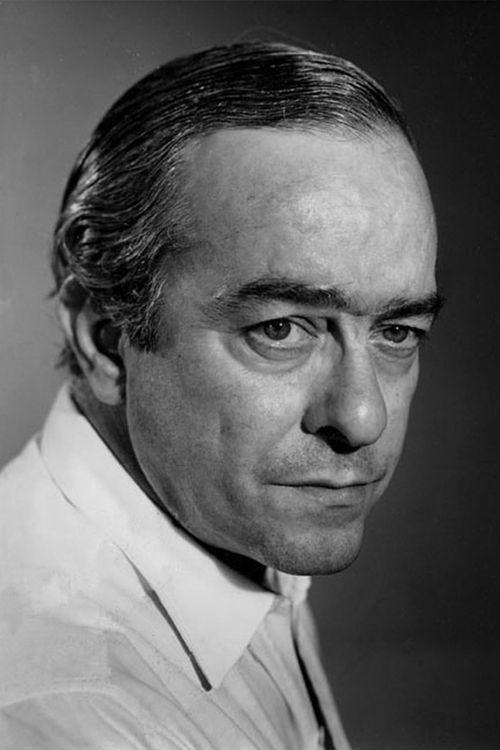
(October 19, 1913 – July 9, 1980), also known as Vinícius de Moraes and nicknamed O Poetinha ("The little poet"), was a Brazilian poet, lyricist, essayist, and playwright who later became a seminal figure in modern Brazilian music and literature. He served as a diplomat; composed his own bossa nova music; and as an interpreter of his own lyrics, recorded several albums.
Known For

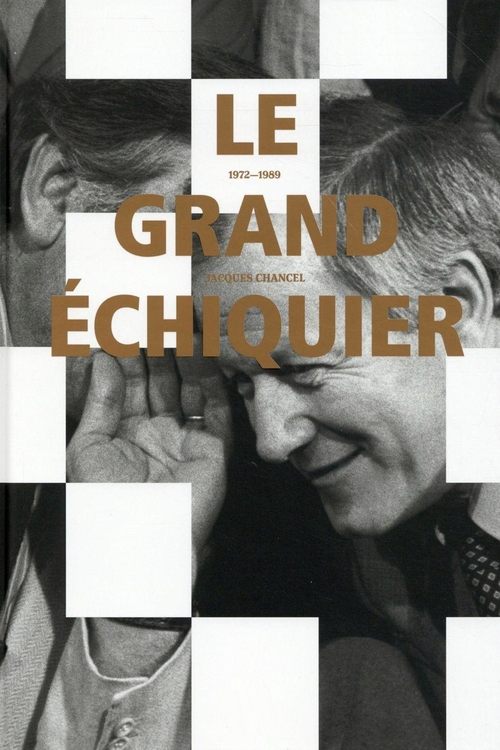
Le Grand Échiquier is a French variety television program created and presented by Jacques Chancel. It aired at 8:30 pm on the first channel of the ORTF from January 12, 1972 to July 12, 1972, then on the second color channel of the ORTF from September 1972 to December 1974, and finally on Antenne 2 from January 1975 to December 21, 1989. The program returned to France 2 on December 20, 2018 and is hosted by Anne-Sophie Lapix.
Le Grand Échiquier
No description available.
Samedi soir

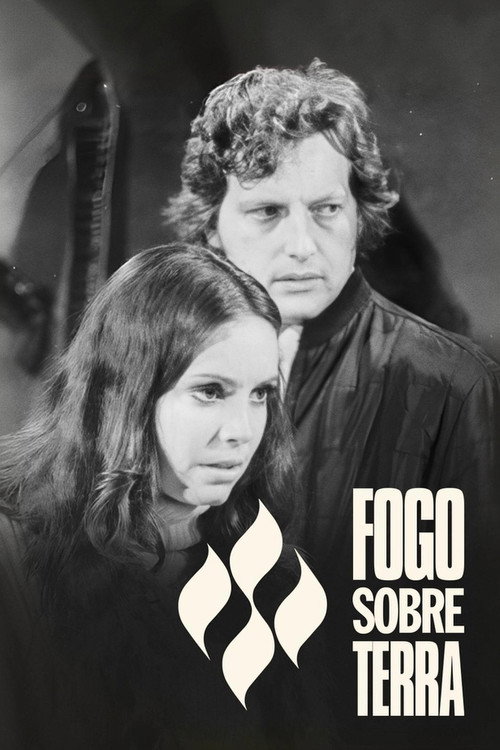
The plot takes place in a fictional city called Vale do Café, where two powerful families, the Toledo and Fontes, are locked in an intense dispute for power and land ownership. Conflicts are marked by betrayals, forbidden loves and dark secrets. The soap opera addresses themes such as ambition, revenge, romance and conflicts between families, showing the fire that consumes the land and human relationships.
Fogo Sobre Terra

A pair of mice attempt to board Noah's Ark: Vini, a charismatic poet with terrible stage fright, and Tito, a talented and charming guitarist. When the rains come, only one male and one female of each species is allowed on Noah's Ark. With the help of an ingenious cockroach and fate's good luck, Vini and Tito sneak their way onto the Ark and together avert a showdown among the ships carnivores and plant eaters. All the while, the animals perform a series of classic songs inspired by world renowned poet, Vinicius de Moraes. Can these talented stowaways use music to break the tension and help these cooped up creatures survive the 40 days and 40 nights together?
Noah's Ark

Young lovers Orfeu and Eurydice run through the favelas of Rio during Carnaval, on the lam from a hitman dressed like Death and Orfeu's vengeful fiancée Mira and passing between moments of fantasy and stark reality. This impressionistic retelling of the Greek legend of Orpheus and Eurydice introduced bossa nova to the world with its soundtrack by young Brazilian composers Luiz Bonfá and Antonio Carlos Jobim.
Black Orpheus

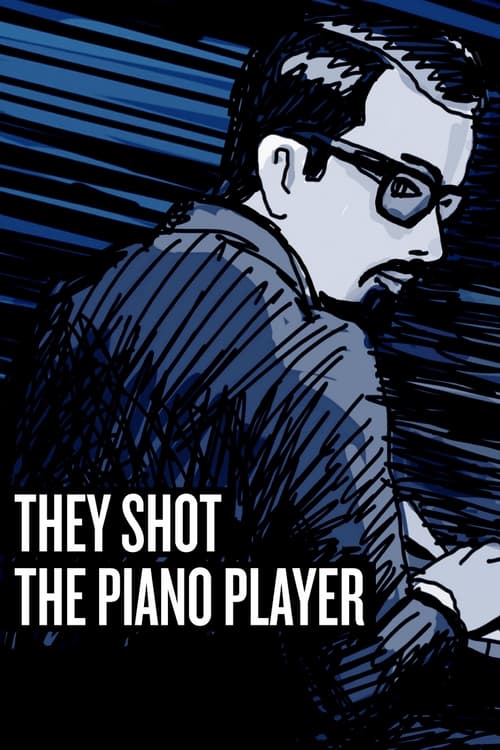
New York, 2010. Jeff Harris, a music journalist, sets out to uncover the truth about Francisco Tenório Júnior, a young Brazilian samba-jazz pianist who disappeared in Buenos Aires on March 18, 1976.
They Shot the Piano Player

Orfeu is a popular composer from a samba school. He lives in the favela and falls madly in love when he meets Euridice, a newcomer to the neighborhood. But the local drug boss Lucinho stands between them and will drastically change both their lives.
Orfeu

Documentary about the birth of bossa-nova, in Brazil, and the major stars of this musical style.
Coisa Mais Linda - Histórias e Casos da Bossa Nova

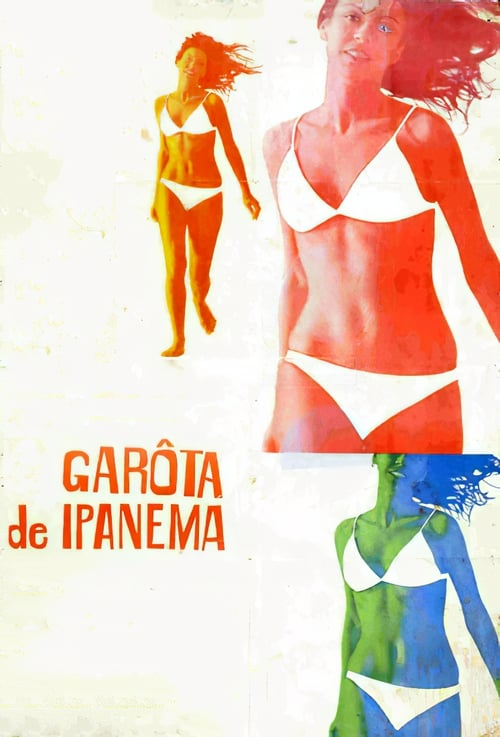
Chronicles the life of a 17 year-old girl living in the upper-class Rio de Janeiro neighbourhood of Ipanema. Márcia lives a life of parties and spend her days among bohemians, musicians and intellectuals. While seeming happy in the outside, she's extremely anguished inside. Based on the famous song by Antonio Carlos Jobim and Vinicius de Moraes.
The Girl from Ipanema

The life of legendary Brazilian musician Alfredo da Rocha Vianna Filho, better known as Pixinguinha.
Pixinguinha, an Affectionate Man

The documentary is an investigation into the life of Mario Wallace Simosen, a man who commanded conglomerates of several companies and was threatened during the Military Dictatorship, when his rights were revoked.
Mario Wallace Simonsen, Entre a Memória e a História

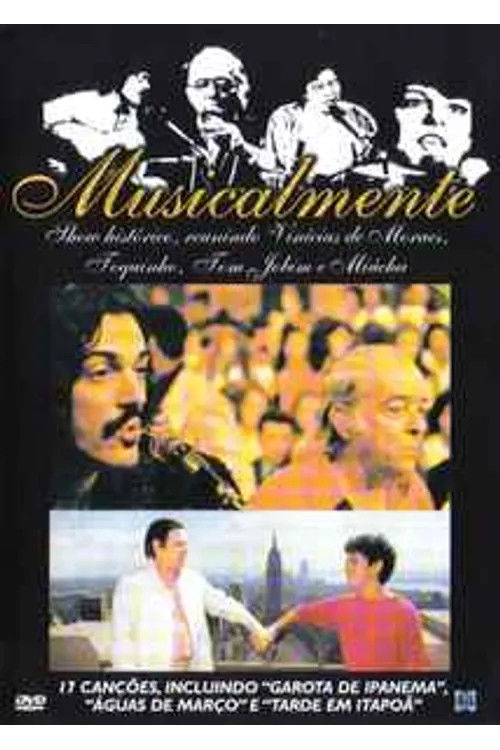
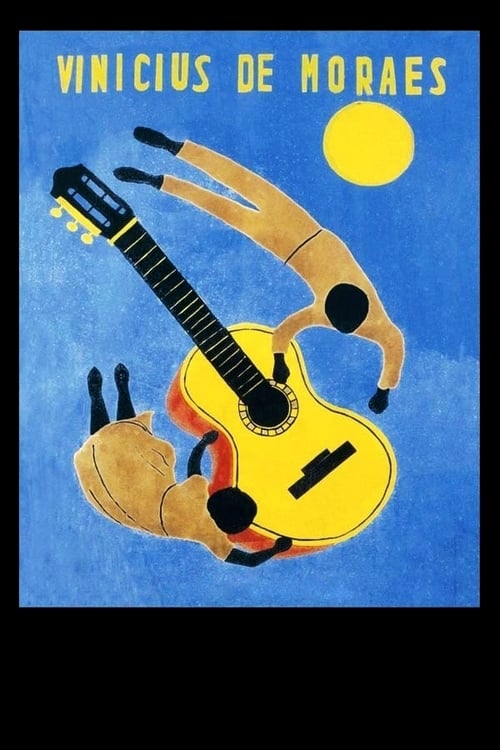
To celebrate the life and the work of a multifaceted creator – playwright, poet, partner of the most important names of Brazilian pop music and, above all, an enlightened character of the Brazilian cultural history - director Miguel Faria Jr. gathered an incomparable cast of partners, singers, friends and rare images from the archives recalling Vinícius’ genial simplicity, with the spontaneity, the humor, and the freedom of a person chatting over a bar table, exactly how the eternal Vinícius would enjoy.
Vinicius de Moraes

No description available.
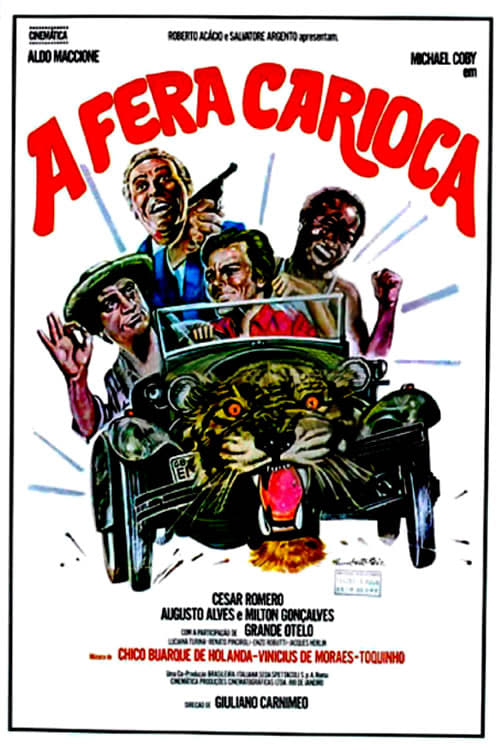
Carioca Tigre

No description available.
Nossa Filha Gabriela

Released in 1966 by Vinicius de Moraes and Baden Powell, the record Os Afro-Sambas is one of Brazil's most revered. Participants of the original recording, critics, friends and family of the musicians revisit the creation of this masterpiece. Filmed between Salvador and Rio, the documentary brings together archive footage and exclusive interviews with Maria Bethânia, Dori Caymmi, Russo Passapusso and Nelson Motta. A tribute to a classic that transformed Brazilian music.
Os Afro-Sambas: The Brazil of Baden and Vinicius

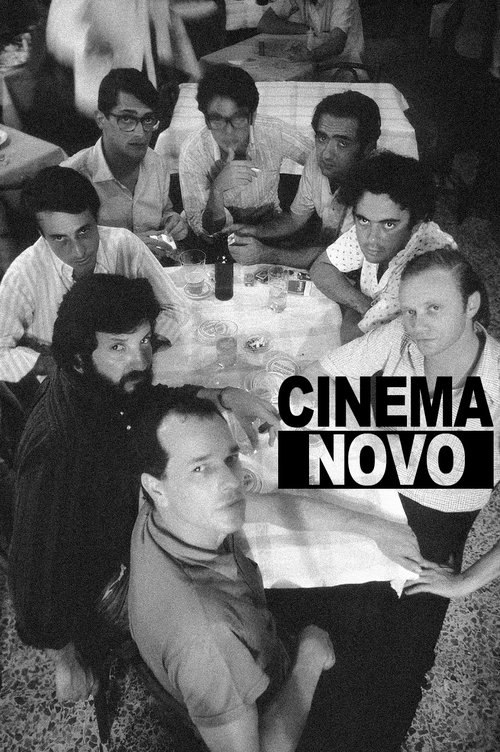
Originally produced for German TV, Improvised and Purposeful is a firsthand look at the "Cinema Novo" movement (otherwise known as the 'Brazilian New Wave'). Director Joaquim Pedro de Andrade focuses on six Cinema Novo filmmakers working in Rio in 1967.
Improvised and Purposeful: Cinema Novo

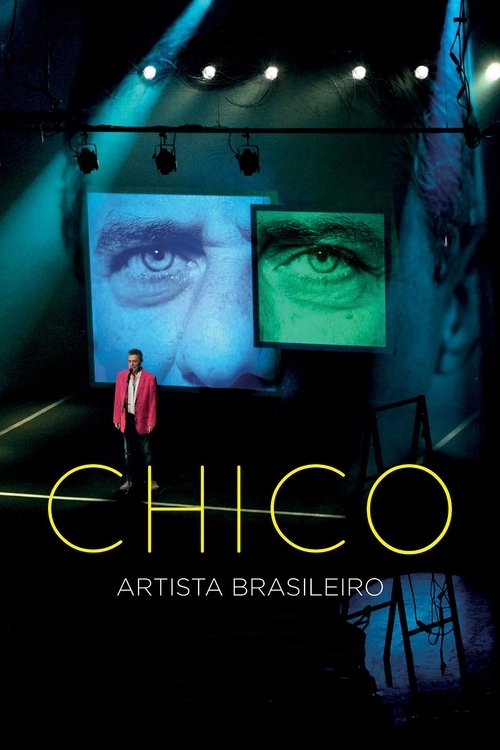
Chico Buarque is a constant presence in Brazil's art scene and makes up its citizen's popular culture. This wealth in music, poems, theater and novels has been created over the last 50 years and in this film Chico Buarque converses about his memories, shows, daily life, work methods, creative process, in summary all his trajectory. The musician’s search for his German brother, whom he never got to meet, serves as one of the axis for the narrative.
Chico: Brazilian Artist

Poor people who live in the slums in Rio de Janeiro decide to occupy an empty apartment building in the rich part of the city. Meanwhile, a rich girl falls in love with a poor composer. Based on the musical play "Pobre Menina Rica", by Vinícius de Moraes and Carlos Lyra.
Para Viver Um Grande Amor

This story begins with Marcelo's funeral. His family, his fiancée Lúcia and three suspicious men are the only people accompanying the coffin. By night, at home, Rosa, Ricardo and Lúcia notice something strange: Marcelo's room has been completely ransacked. Suddenly, the phone rings. Rosa answers and hears the voice of her son who had just died. The shock is too strong for the poor lady, who dies of a syncope. To understand these sinister events, we have to go back three days...
The Dead at the Phone

The biggest Brazilian historical festival of all time. The great cast of the 1973 Phonogram (now Universal Music) meets in three nights to protest against the curtailment of freedom of expression in those dark years of the dictatorship. With the images rescued in 2005, revealing exciting moments, containing the incredible presentations, it brings a team of all greatness and the opportunity to understand the path that Brazilian music has taken to the present day.