Walter Rogério
Sound
Known For

Two friends discuss their love adventures, and the emptiness ensuing each new conquest.
Invitation to Pleasure

Paranoia, guilt, misery, and technology in the developing country. A fragmented narrative, distorted frames, shouts, and noises. The Nazis take over São Paulo: prison and torture of revolutionaries, a samurai lost in chaos, locked lovers, a dictator and his bunch. Considered one of the most influential films of the marginal period.
Hitler in the Third World

São Paulo, late 30's. Alberto is an intellectual and professor who announces to his friend and pupil Polidoro he won a scholarship to study in Paris. In Paris Polidoro receives a letter in which Alberto announces that he married Helena. Polidoro returns to Brazil in 1945, when there was a strong political agitation against the New State. Alberto invites Polidoro to spend a few days at his home in Campos do Jordão. After reaching the site he is told by Helena that Alberto was forced to travel urgently. She insists he should stay there until the return of her husband and, while waiting, she seduces him. Then, after several days of intense passion, she orders Polidoro to go away and never see her again.
Ao Sul do Meu Corpo
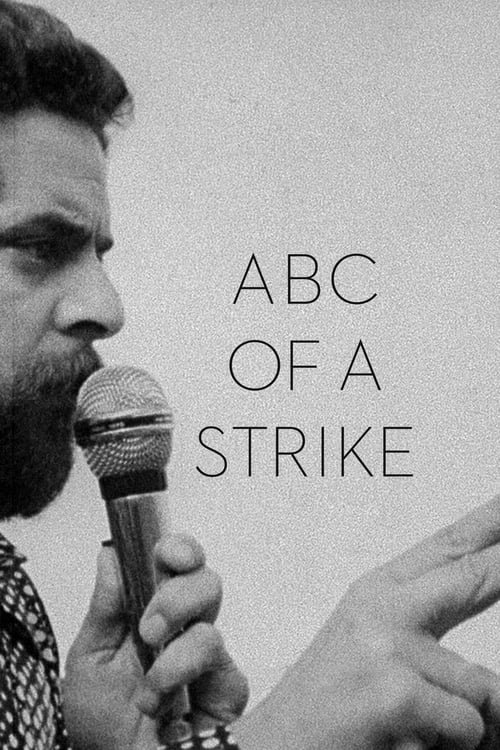
ABC of a Strike captures the 1979 metal workers strikes outside of São Paulo. The footage sat untouched until after the death of highly-regarded director Leon Hirszman in 1987, by which time the material had a new relevance. The gripping film captures the negotiations between the labor unions and the factory bosses and shows the birth of the region’s Worker’s Party, as well as the emergence of its charismatic leader, Luiz Inácio Lula da Silva. Rising from extreme poverty, Lula gained national prominence as a union activist during the late 70s and early 80s. After being jailed during his time as a union leader, he eventually becomes Brazil’s president from 2003 to 2010.
ABC of a Strike
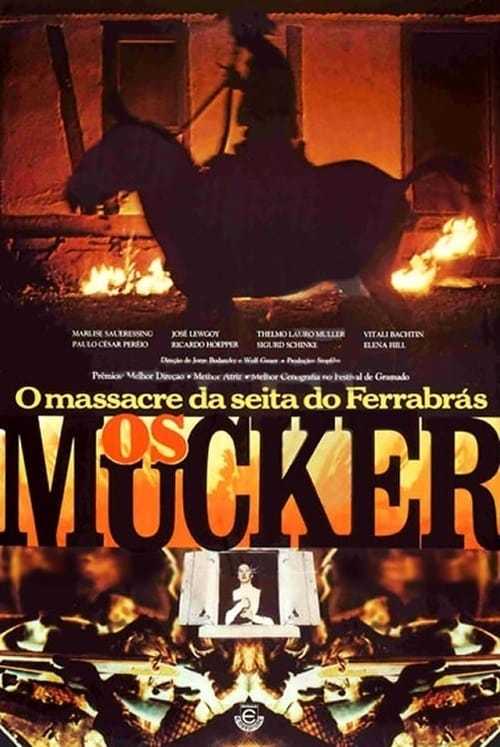
In 1873 in Rio Grande do Sul, a group of peasants come together to form a community of brothers, arousing the enmity of the rest of the population. They are immigrants from the German region and develop a communitary social model, having the Bible as a code of morals, faith and conduct. The group's economic independence ends up irritating the locals to the point of provoking successive aggressions that culminate in a bloody massacre.
Os Mucker

After seven years in jail, Anjo meets up with his former accomplice, now head of a criminal organization. The former detainee finds himself embroiled with an underworld star, Shirley Sombra, and finds enmity with a corrupt police officer.
Hidden City

Worker Norival's life turns upside down when he is caught kissing his co-worker Catarina during work hours. He is fired for just cause and faces the hardships of the labor lawsuit he filed against the company.
Kiss 2348/72

No description available.
Comitiva Esperança

Interspersed with documentation of dancer Juliana Carneiro da Cunha’s "Possession" performance, which draws from Christian mysticism, in the filmmaker’s words this experimental short is about “the psychic suffering of women in a patriarchal society”. It takes the viewer on a disorienting journey—with abrupt cuts in sound and image—through the Catholic Church, repressed sexuality, racial violence perpetrated by white women, maternal fatigue, male chauvinism and drug addiction…
Hysteries
A beautiful woman is found dead, with a peach in her mouth, a bite in her butt and without blood in the body. When other women are found dead in the same modus-operandi, the police gives the nickname of "Vampa" to serial killer. Detective Leôncio is assigned to investigate the murder together with fetishist photographer Oscar. Without any lead, they decide to follow a sexy and popular night-club dancer on the streets of São Paulo, trying to identify possible suspects.
Vampire Eyes
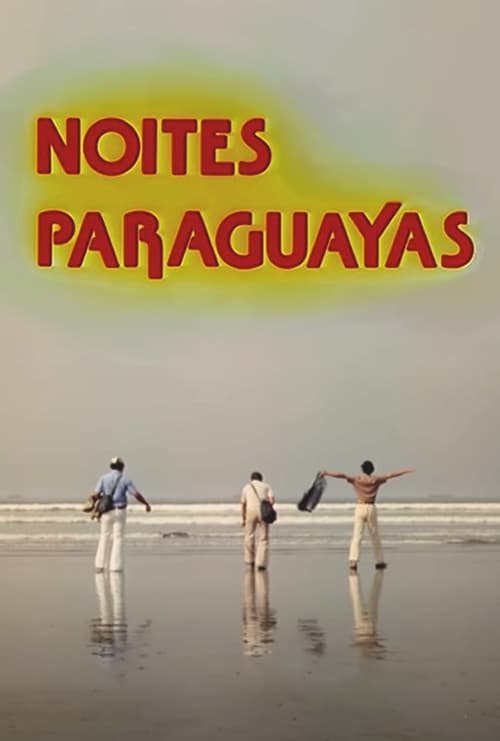
The path of Paraguayan immigrants who drive to Asuncion and then arrive in São Paulo. They are rural workers, musicians, vendors and underemployed people. Two parallel worlds: the Guarani culture and the Brazilian adventure in São Paulo juxtaposed with Paraguayan songs and the Guarani language, spoken by the main characters.
Noites Paraguayas
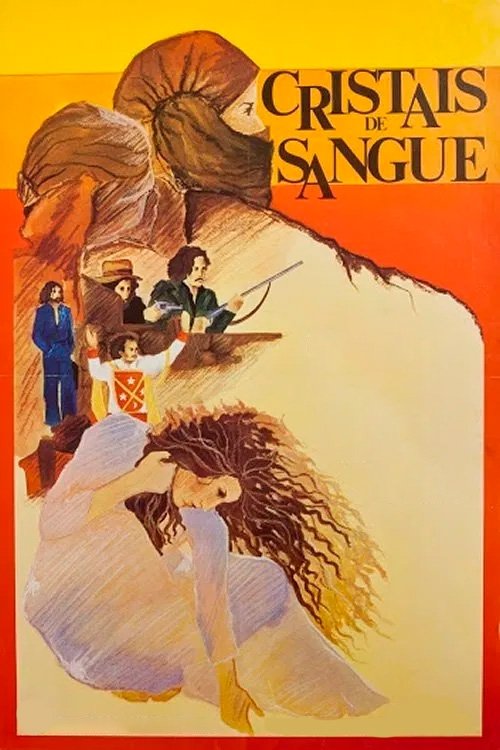
Rui arrives in a small town looking for his father, a prospector. Before that, he gets involved with Maria, who is facing problems in the family. Maria's stepfather is the head of a gang and will go to any lengths to prevent Rui from finding his father.
Cristais de Sangue

A look at the Brazilian black movement between 1977 and 1988, going by the relationship between Brazil and Africa.
Ôrí
No description available.
Tribunal Bertha Lutz
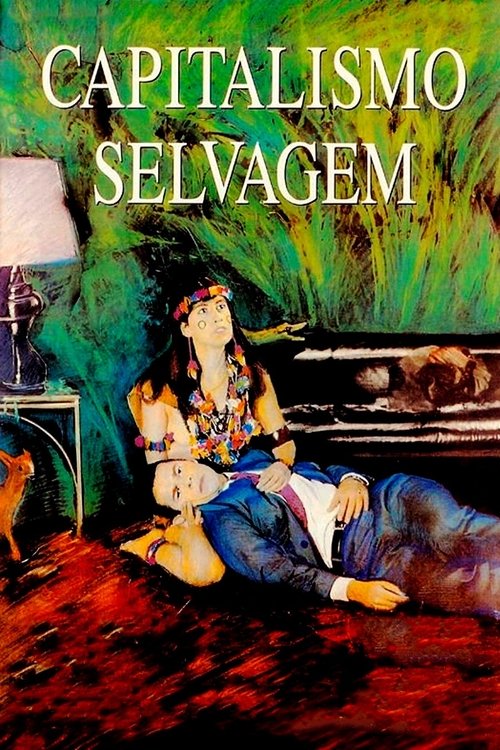
Elisa is a journalist who becomes romantically involved with Hugo, a director of the company Jota Mineração, when she receives an order to write a story about the company. However, the relationship between the two begins to destabilize when the company that Hugo runs begins to extract gold from indigenous lands.
Savage Capitalism
No description available.
Anos 30: Entre Duas Guerras, Entre Duas Artes

No description available.
A Herança dos Devassos

Passages from the life of former Alagoan senator Teotônio Vilela, with emphasis on the process of his formation as a public figure, from his childhood as a mill boy to the final stage, with his famous campaign for the democratic restoration of the country. At this point, he was a man on the brink of death, already victimized by the cancer that would kill him.
O Evangelho Segundo Teotônio
No description available.
Mais Luz

Two factory workers from the outskirts of São Paulo make a trip to a bathhouse close to the city.