
Stan Brakhage
Directing
Biography
Stan Brakhage is one of the most influential filmmakers in American avant-garde cinema, noted for his unflinching social commentaries and technical innovations. Over his nearly 40-year career, he has made over 200 films of varying length. He made his first film, Interim (1952) at age 18 after dropping out of college. Brakhage films seek to change the way we see. They encourage viewers to eschew traditional narrative structure in favor of pure visual perception that is not reliant on naming what is seen; rather his goal is to create a more visceral visual experience, for he believes that a "stream-of visual-consciousness could be nothing less than the pathway of the soul." To this end, his films are shot in highly sensual colors and utilize minimal soundtracks. His work can be divided into distinct periods. His first short films explored the properties and possibilities of light. In many of his experimental ventures, Brakhage has forgone traditional cinematography in favor of working directly with the film stock itself. He has occasionally painted, inked, scratched and dyed images onto it; he has also tried pasting organic objects on the film. His most famous example is the 1963 short Mothlight in which he glued moth wings onto the stock. Some of his early films were based on his most intimate experiences that included making love to his new bride--depicted on negative film--in Wedlock House: An Intercourse (1959), and an attempt to bring his dead dog back to life with a camera in Sirius Remembered (1959). During the 1960s, Brakhage's iconoclastic views were celebrated for their poetry, but during the '70s, his focus changed to social issues and he alienated many supporters with such disturbing film series as the "Pittsburgh documents" in which he presented many gruesome views of inner city life with films such as Act of Seeing with One's Own Eyes (1971) which was shot in a morgue. He also continued with autobiographical material with the "Sincerity/Duplicity series. During the 1980s, Brakhage's focus again changed--this time he became intrigued with creating truly "abstract" films such as Arabics (1982) which consists of brilliant bursts of colored light which he claims, represent "envisioned music." In addition to filmmaking, Brakhage also wrote books about films and filmmaking and also served as a teacher.
Known For
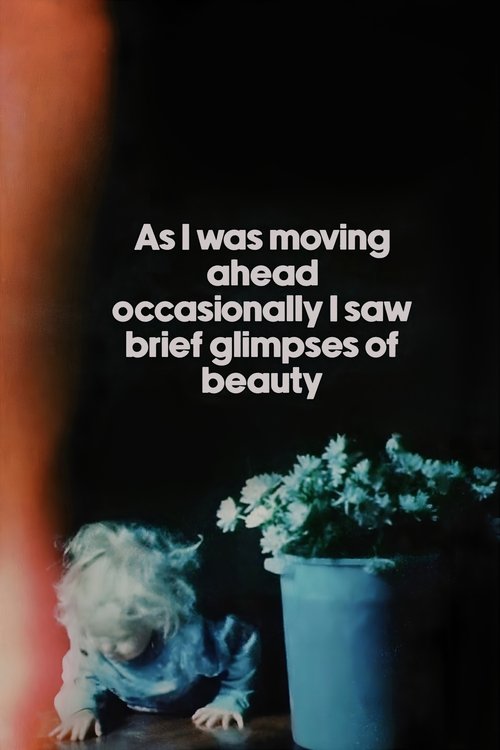
A compilation of over 30 years of private home movie footage shot by Lithuanian-American avant-garde director Jonas Mekas, assembled by Mekas "purely by chance", without concern for chronological order.
As I Was Moving Ahead, Occasionally I Saw Brief Glimpses of Beauty
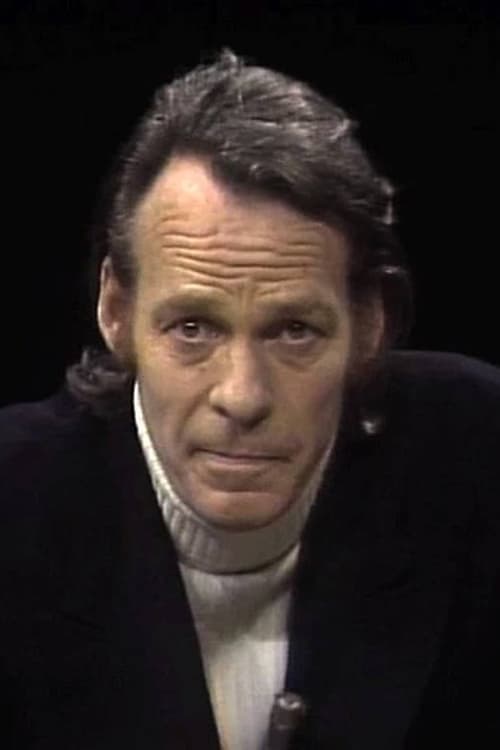
Independent filmmakers are given a chance to show and discuss their work on a commercial (ABC-TV) affiliate station.
Screening Room
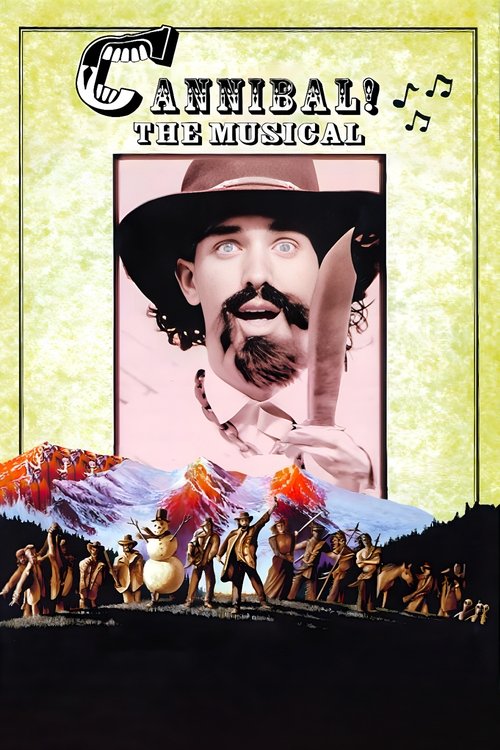
Heading through Colorado Territory in search of gold and women, Alferd Packer and his group of bemused companions find themselves lost, starving and musically inspired by the obstacles they confront along the way, including a die-hard Confederate cyclops, a trio of surly trappers, a tribe of Japanese-speaking "Indians," and ultimately, each other.
Cannibal! The Musical
This film takes its cue from that ultimate situation of Sex/Med/masturbation - the loft-and-lonely hotel room. It is thus easily twice the length and complexity of any other in the series.
Sexual Meditation: Hotel
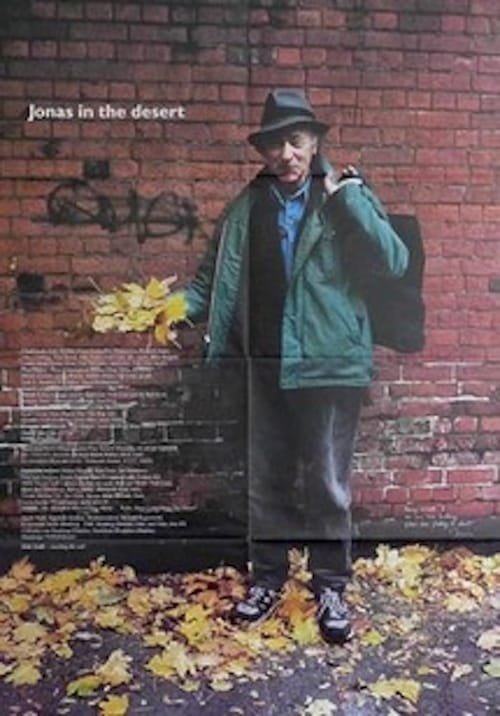
Not a documentary in the strictest sense of the word. Rather, it is a journey through the world of the artist Jonas Mekas - one of the exponents of independent U.S. movies; founder and director of the New York Anthology Film Archive.
Jonas in the Desert
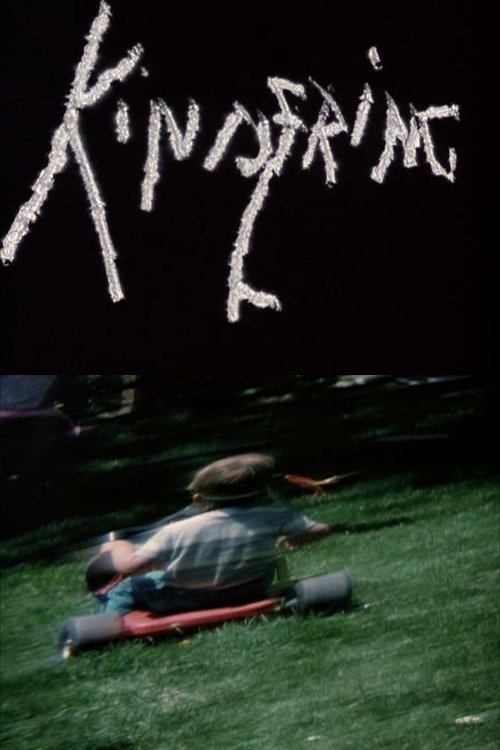
Refracted images, not unlike those in a funhouse mirror, display two children playing in a backyard, a boy and a girl. There's a dog, a swing, a picket fence, a Big Wheels trike. The grass is green and lush. A soundtrack mixes a chorus, swelling strings, and a child vocalizing. The effect is to idealize the images.
Kindering
Also known as Walden, Jonas Mekas’s first diary film is a six-reel chronicle of his life in 1960s New York, interweaving moments with family, friends, lovers, and artistic idols. Blending everyday encounters with portraits of the avant-garde art scene, it forms an epic, personal meditation on community, creativity, and the passage of time.
Diaries, Notes, and Sketches

This film describes a psychological state "kin to moonstruck, its images emblems (not quite symbols) of suspension-of-self within consciousness and then that feeling of falling away from conscious thought. The film can only be said to describe or be emblematic of this state because I cannot imagine symbolizing or otherwise representing an equivalent of thoughtlessness itself. Thus the actors in the film, Jane Brakhage, Tom and Gloria Bartek, Williams Burroughs, Allen Ginsberg, Peter Olovsky and Phillip Whalen are figments of this 'Thought-Fallen Process', as are their images in the film to find themselves being photographed."
Thot-Fal'N
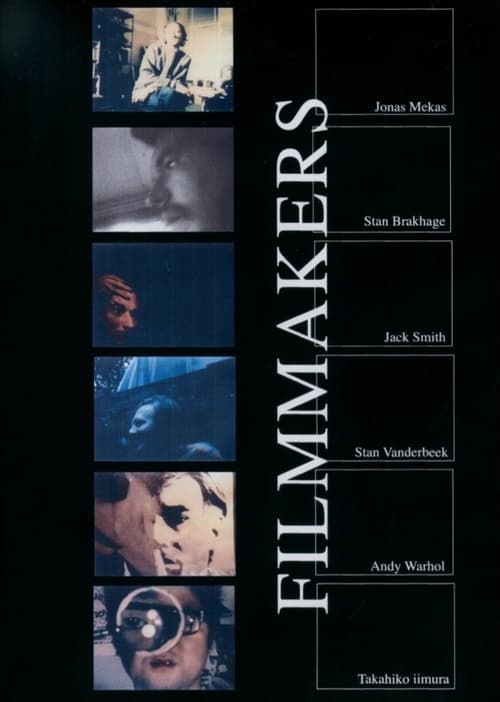
Iimura creates a short self-portrait as well as brief portraits of five of his peers: Brakhage, Vanderbeek, Smith, Mekas and Warhol. In each portrait, Iimura attempts to copy the styles and traits of each artist (Vanderbeek's constantly moving camera; Mekas' experiments with film speed; Warhol's use of flashes of white against a black background), while briefly commenting on the images being shown. The film serves effectively as an introduction to the film styles of these artists.
Filmmakers
This is a hand-painted step-printed film which begins with slow dissolves of what appear to be decaying leaves, crumpled browns and golds and oranges which assume qualities of earth and rock shot-through with flashes of crystalline prism colors and jagged scratch marks amidst glows of multiple coloration with increasing blues, varieties of tones of blue, from turquoise to near-purple - these variations of tone (and shape, as well) gradually convey, given the comparatively few appearances of blue, a formal domination over all other tones (and attendant shapes) of the spectrum of the film. Preserved by the Academy Film Archive in 2016.
Blue Value
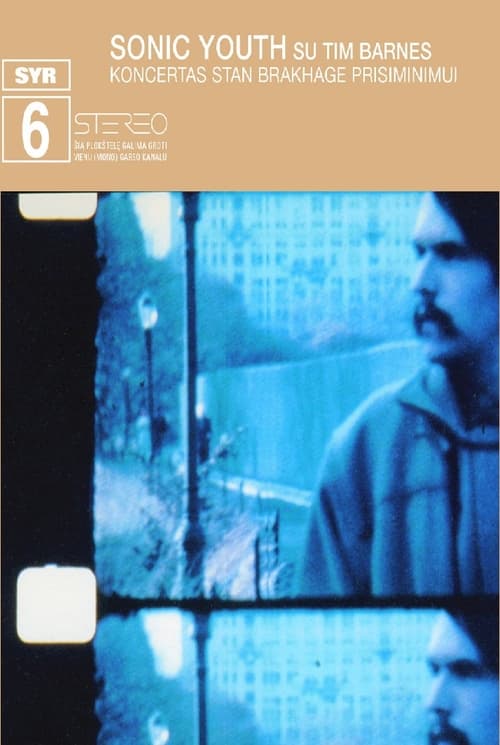
Filmed April 12, 2003 at a benefit concert held at and for The Anthology Film Archives, the international center for the preservation, study, and exhibition of avant-garde and independent cinema. In addition to screening films for the public, AFA houses a film museum, research library and art gallery. The event, which raised money for the Archives and celebrated the life and work of avant-garde film maker Stan Brakhage, featured Sonic Youth providing an improvised instrumental collaboration with silent Brakhage’s films. The band performed with drummer/percussionist Tim Barnes (Essex Green, Jukeboxer, Silver Jews).
Sonic Youth: Koncertas Stan Brakhage Prisiminimui (April 12, 2003)
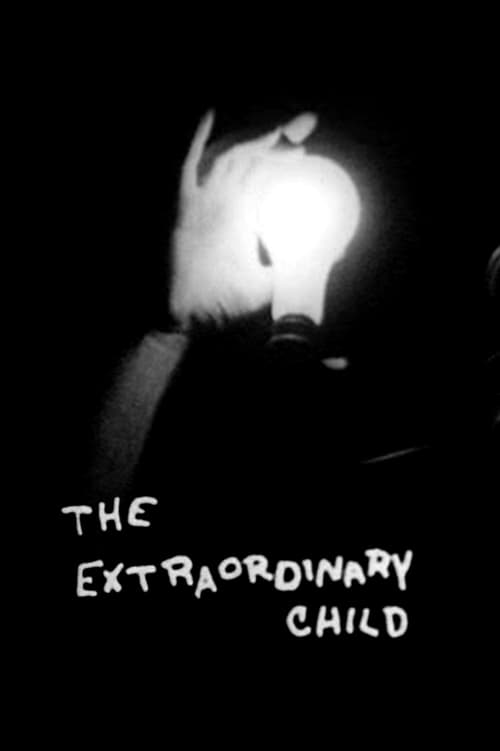
The Extraordinary Child applies his developing style to broad slapstick. His friends from the previous films and the director himself play out a riotous farce about an overgrown baby who steals his father’s cigars. Everyone mugs hilariously. The movie could be taken as another example of the Romantic notion of the artist as a monstrous child or misfit, or a parody of the same rather than the personal confessional statement seen so often in these film movements.
The Extraordinary Child
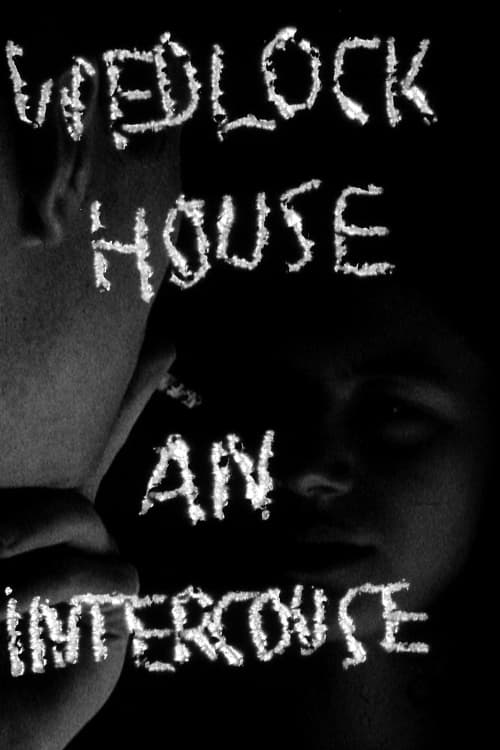
We see a film negative of a nude couple embracing in bed. Then, back in regular black and white images, we see them alone and together, clothed, at home. It's night, she sees his reflection in the window, she closes the drapes. After sex, again in a black and white negative, they sit, smoke, have coffee. They kiss, she smiles. They light candles. The images are often quick, the camera angles occasionally are off kilter; the room is sometimes dark and sometimes lit, as if lit by the rotating of a searchlight. The images again appear in negative when they return to bed.
Wedlock House: An Intercourse
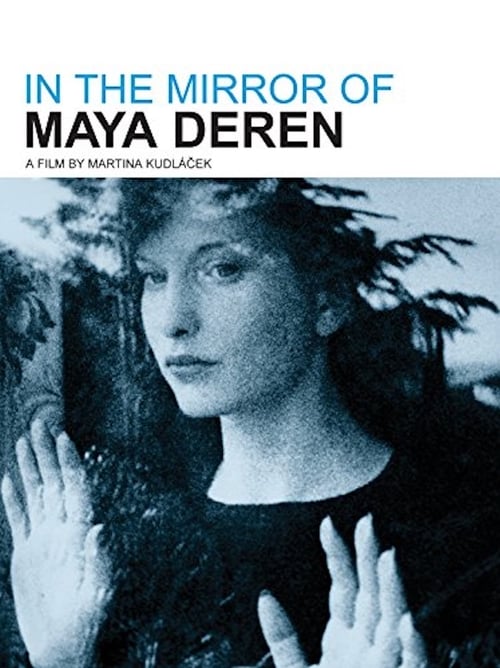
Documentary about the life of avant-garde filmmaker Maya Deren, who led the independent film movement of the 1940s.
In the Mirror of Maya Deren
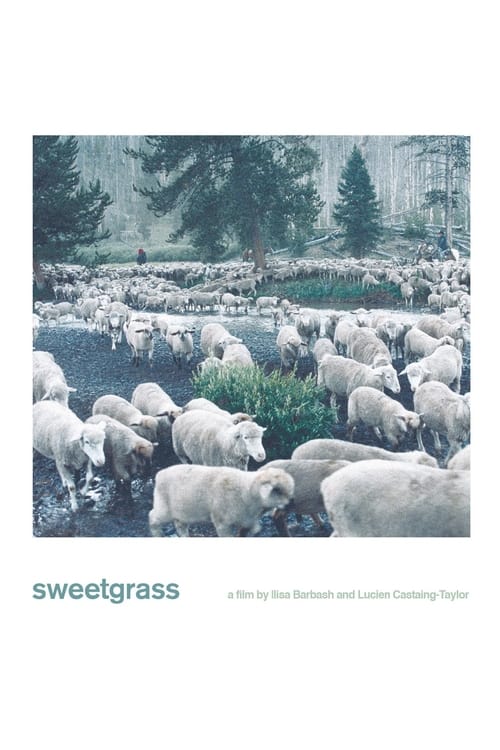
An unsentimental elegy to the American West, Sweetgrass follows the last modern-day cowboys to lead their flocks of sheep up into Montana's breathtaking and often dangerous Absaroka-Beartooth mountains for summer pasture, revealing a world in which nature and culture, animals and humans, vulnerability and violence are all intimately meshed.
Sweetgrass
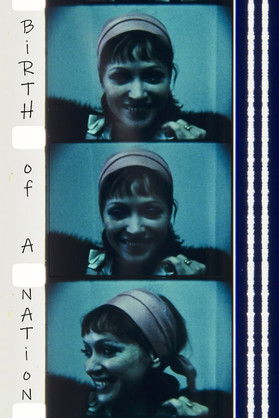
Jonas Mekas assembles 160 portraits, appearances, and fleeting sketches of underground and independent filmmakers captured between 1955 and 1996. Fast-paced and archival in spirit, the film celebrates the avant-garde as its own “nation of cinema,” a vital community existing outside the dominance of commercial film.
Birth of a Nation
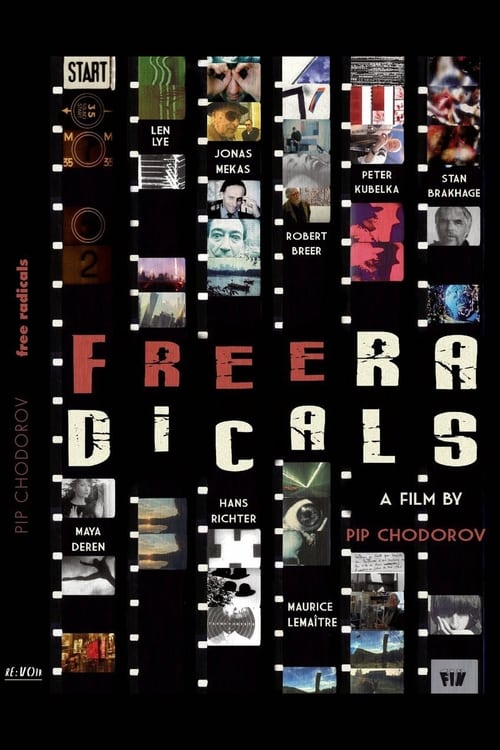
Experimental filmmaker Pip Chodorov traces the course of experimental film in America, taking the very personal point of view of someone who grew up as part of the experimental film community.
Free Radicals: A History of Experimental Film
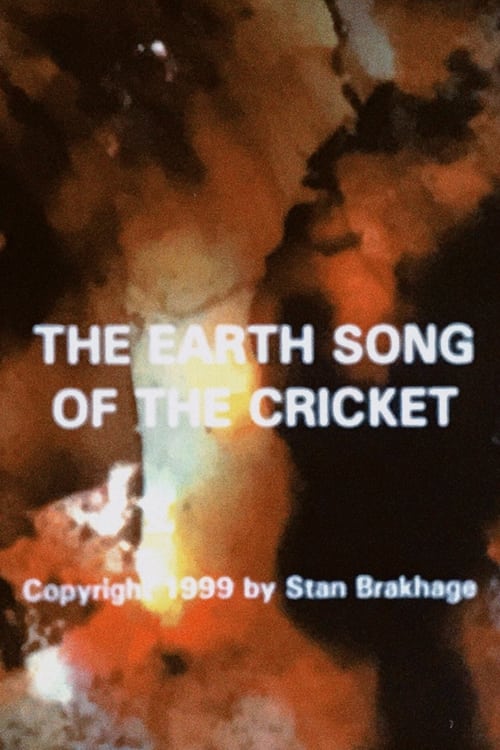
This is a hand-painted work whose shapes are scratched on black leader filled with varieties of color: the resultant shapes tend to suggest insect-like movements, a rub of bent-lines together suggesting the electric hind legs of the cricket, whose movements engender (thru elaborate step-printing) quick pull-backs within frames of the film, so contrived as to create visual agitron lines within the zoom-like effect whose rhythm approximates a cricket's repetitive sound. This effect is echoed ephemerally later in the film as it nears its end of muted pull-down shapes and approximations of the earth-clod-likenesses and/or autumnal leaf-likenesses which begin the film.
The Earth Song of the Cricket
A look at avant-garde filmmaker Marie Menken.
Notes on Marie Menken
An exploration of film preservation and restoration in the United States.