László Vidovszky
Sound
Known For
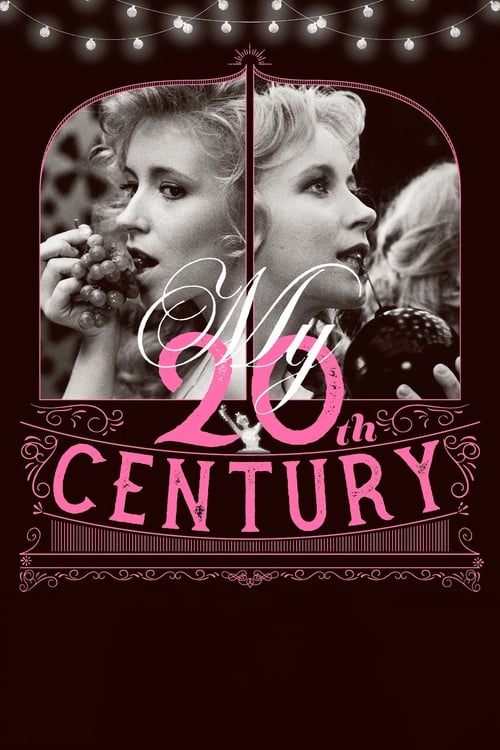
A tale of twin girls, Dóra and Lili, who are born in 1880 Budapest at the same moment Thomas Edison presents his electric lightbulb to the world. The sisters are soon orphaned and separated in childhood, and follow different paths: one grows up to be a naïvely idealistic, bomb-toting anarchist, the other a pampered, hedonistic courtesan. Their paths cross once again on the Orient Express on New Year's Eve 1899...
My Twentieth Century
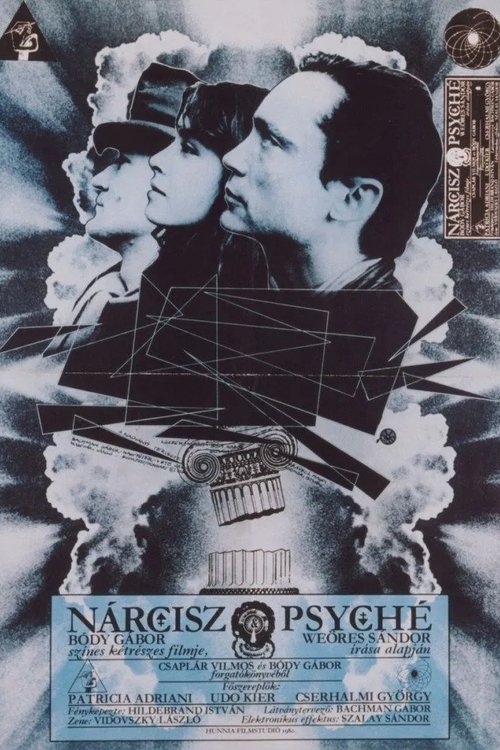
Narcisus and Psyche is based on a novel by Sandor Weores which was adapted by Vilmos Csaplar and director Gabor Body for a feature-length film. Borrowing the character of Psyche from mythology and placing her in Europe in the 19th century, the authors give her a "modern" life. She is an attractive young woman - and remains so throughout the film, in spite of one hardship after another. Psyche is libidinous, and her prurient interests shock her staid contemporaries.
Narcissus and Psyche
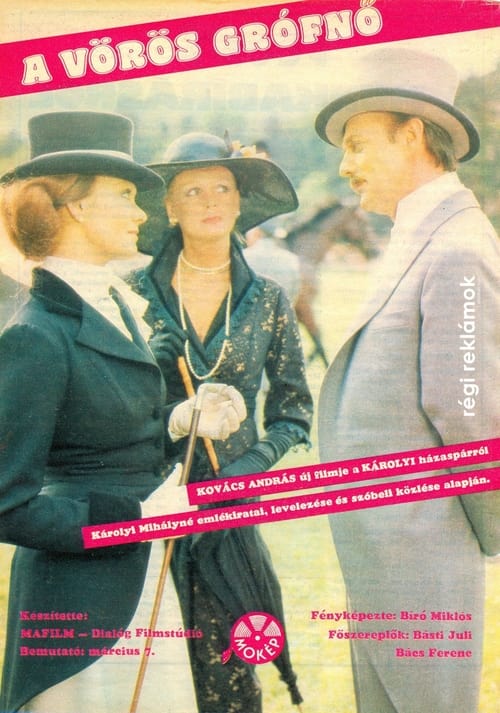
The plot of the film starts at the beginning of the century, in the heyday of the Andrássy and Károlyi families, during the ever increasing crisis of the Austro-Hungarian Monarchy, and ends with the emigration of the Károlyi couple after the collapse of the 1918-19 revolutions. It tells the story of this historical period (war, revolution, take-over by the proletariat, dictatorship) from the view of an extremely wealthy lady, Andrássy Katinka. The authors tried to evoke the special story during which a strange and unique woman gets thoroughly involved in history through her love and at the same time keeps her own identity and self-governance.
The Red Countess
No description available.
Siblings
Experimental film by Gábor Bódy. A woman sings in German on the left as text flashes on a separate frame on the right-hand side of the screen.
Aldrin Opera
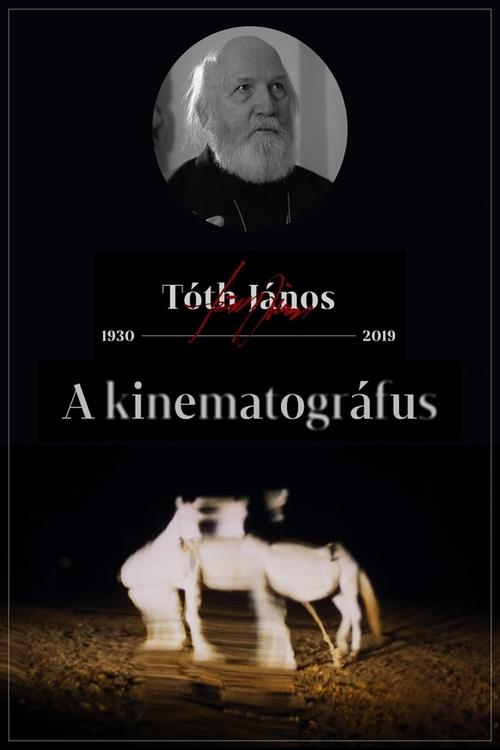
In memory of Janos Toth. The ciematographer on title is no other than János Tóth, who is still the role model and reference point for all Hungarian cinematographers. He has proven his unique talent in all cinematographic genres. In his unmissable features, shorts and documentary films, he set an example to his peers with his tight compositions and his art of light. His experimental cinematographic films, shot with the optics he developed, were far ahead of their time. Our portrait film explores the oeuvre of this exceptional cinematographic artist.
A kinematográfus
No description available.