FEEL IT.STREAM
?

Reginald Berkeley

Writing

Biography

From Wikipedia, the free encyclopedia Reginald Cheyne Berkeley MC (18 August 1890 – 30 March 1935)) was a Liberal Party politician in the United Kingdom, and later a writer of stage plays, then a screenwriter in Hollywood. He had trained as a lawyer. He died in Los Angeles from pneumonia after an operation. His son Humphry Berkeley was a Conservative MP in the United Kingdom. His stage plays include The Lady With The Lamp (1929), based on the life of Florence Nightingale and starring Edith Evans in the title role, and The Man I Killed (1931), which was adapted for the screen as Broken Lullaby the following year. His play French Leave(1920) was filmed twice, once in 1930, and again in 1937. His screenwriting credits include Dreyfus (1931), Cavalcade (1933), The World Moves On (1934), Carolina (1934) and Nurse Edith Cavell (1939). He died in 1935 in the Good Samaritan Hospital, Los Angeles aged 44 from pneumonia following a major operation. He was residing at 606 North Crescent Drive, Beverly Hills. He had married Gwendoline Cock in 1914 and Clara Hildegarde Digby in 1926.
Known For

Cavalcade
5.5

A cavalcade of English life from New Year's Eve 1899 until 1933 is seen through the eyes of well-to-do Londoners Jane and Robert Marryot. Amongst events touching their family are the Boer War, the death of Queen Victoria, the sinking of the Titanic, and the Great War.

Cavalcade

1933
Marie Galante
4.9

On the French coast, unlucky Marie Galante is abducted and forced to board an American cargo ship bound for the Panama Canal. When an escape attempt leaves Marie high and dry in the Yucatan, she takes work as a nightclub singer to earn her safe passage to the Canal region. But Marie faces bigger problems when she gets mixed up in a destructive plot against the U.S. Naval fleet, and so she accepts the kindly assistance of secret agent Dr. Crawbett.

Marie Galante

1934
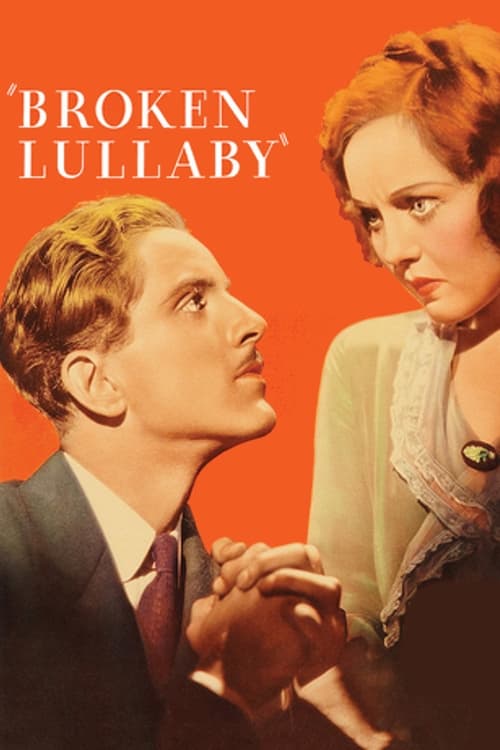
Broken Lullaby
7.5

A young French soldier in World War I is overcome with guilt when he kills a German soldier who, like himself, is a musically gifted conscript, each having attended the same musical conservatory in France. The fact that the incident occurred in war does not assuage his guilt. He travels to Germany to meet the man's family.

Broken Lullaby

1932
The Lady with a Lamp
6.6

Based on the Reginald Berkeley stage play, this compelling historical drama offers a depiction of the life story of Florence Nightingale, the young 19th-century Englishwoman famously drawn to a career in nursing. Traveling to Turkey during the Crimean War, Florence gains a reputation for being devoted to the care of wounded soldiers and for pioneering higher standards for sanitary hospital conditions.

The Lady with a Lamp

1951
The World Moves On
5.9

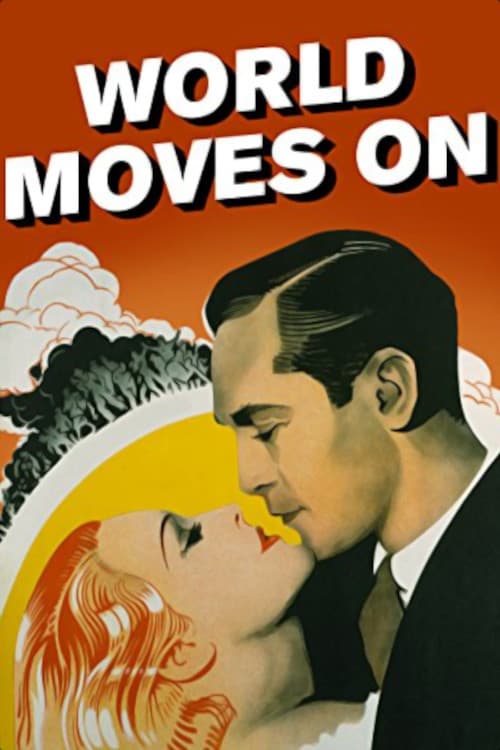
Two families, cotton merchants in England and America, with branches in France and Prussia swear to stand by each other in a belief that a great business firmly established in four countries will be able to withstand even such another calamity as the Napoleonic Wars from which Europe is slowly recovering. Then many years later, along comes World War One and the years that follow, to test the businesses.

The World Moves On

1934
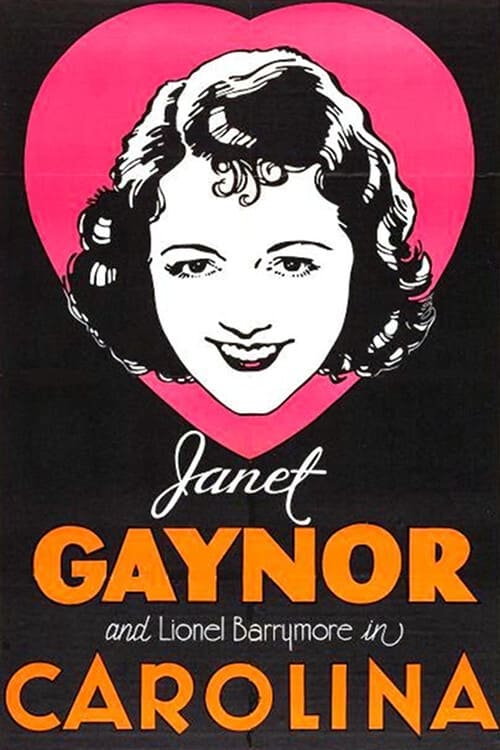
Carolina
6.7

During Civil War Reconstruction, the Connelly family is romantically restored to their former glory when Will Connelly marries a Yankee farm girl, Joanna Tate, despite the objects of his temperamental father Bob Connelly.

Carolina

1934
Nurse Edith Cavell
6.6

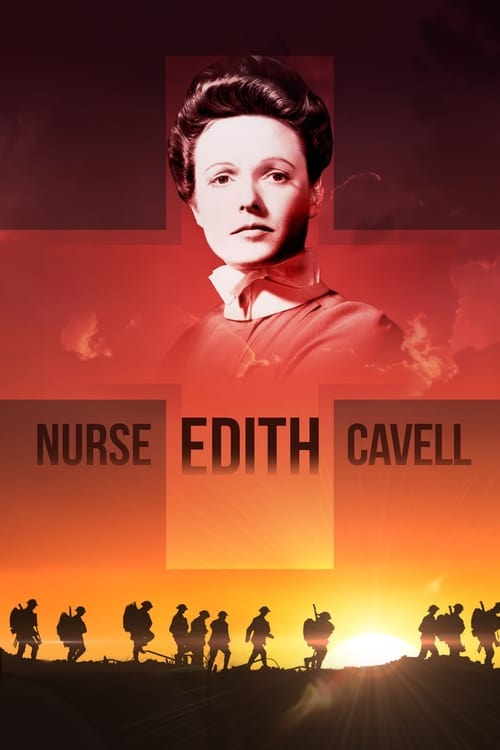
British nurse Edith Cavell is stationed at a hospital in Brussels during World War I. When the son of a former patient escapes from a German prisoner-of-war camp, she helps him flee to Holland. Outraged at the number of soldiers detained in the camps, Edith, along with a group of sympathizers, devises a plan to help the prisoners escape. As the group works to free the soldiers, Edith must keep her activities secret from the Germans

Nurse Edith Cavell

1939
The Wrecker
6.3

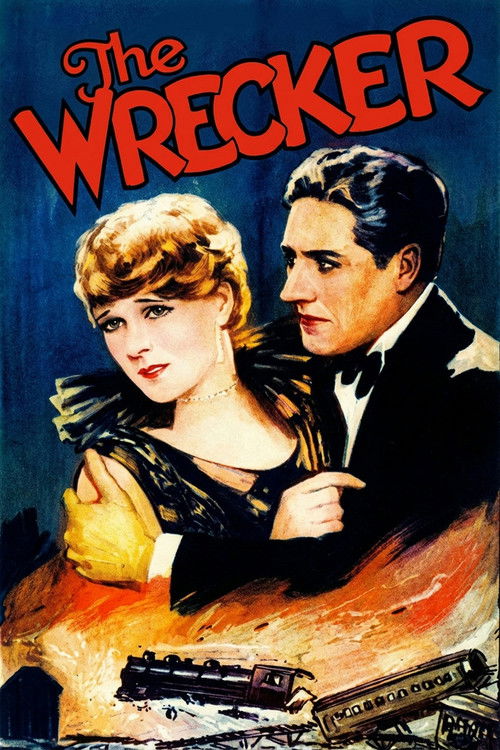
A criminal organizes train crashes to discredit the railway in favor of a rival bus company. The stunts in this film were groundbreaking for 1920s British cinema. A scene which has been described as "the most spectacular rail crash in cinema history" was recorded by 22 cameras.

The Wrecker

1929
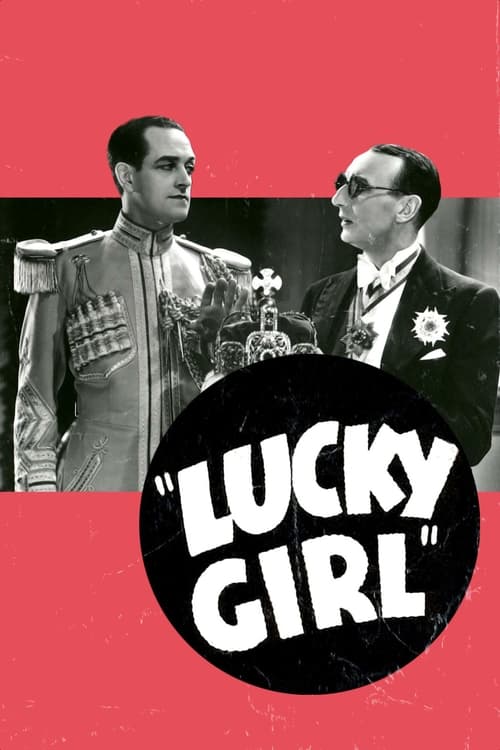
Lucky Girl
9.0

Stephan Gregorovitch, the unwilling king of a bankrupt Ruritanian country, along with his hucksterish chancellor and musically-inclined bodyguard, travel incognito to London for some fun. An invitation to a party held by Duke Hugo seems just the ticket, but the presence of jewel thieves in the vicinity soon puts paid to any ideas of a relaxing evening!

Lucky Girl

1932
Dreyfus
7.0

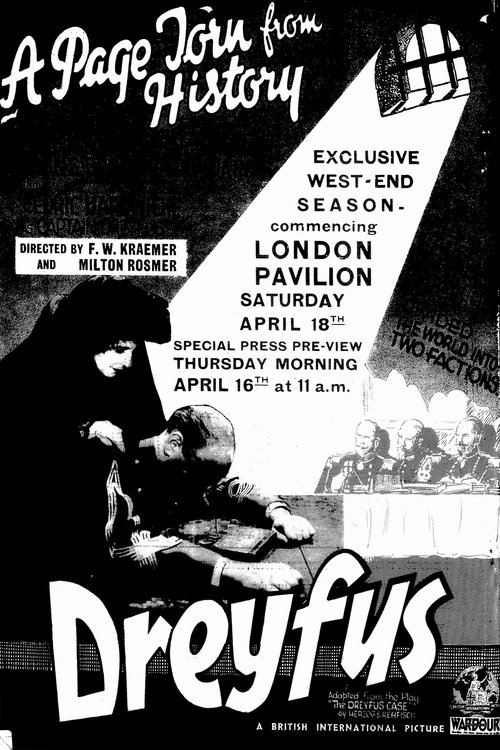
In 1894, French officer Alfred Dreyfus is wrongly convicted for the treasonous acts of another man, Major Esterhazy. When investigations begin into the dubious evidence used in the trial, an institutional coverup begins, aided by fears of army disgrace and anti-Semitic paranoia against Dreyfus. But a determined group, headed by prominent author Émile Zola, leads a mounting public call to reopen the Dreyfus case.

Dreyfus

1931
77 Park Lane
N/A

When a 'man about town' takes a young lady back to his house they are both surprised to find that it has been turned into an illegal casino in his absence.

77 Park Lane

1931
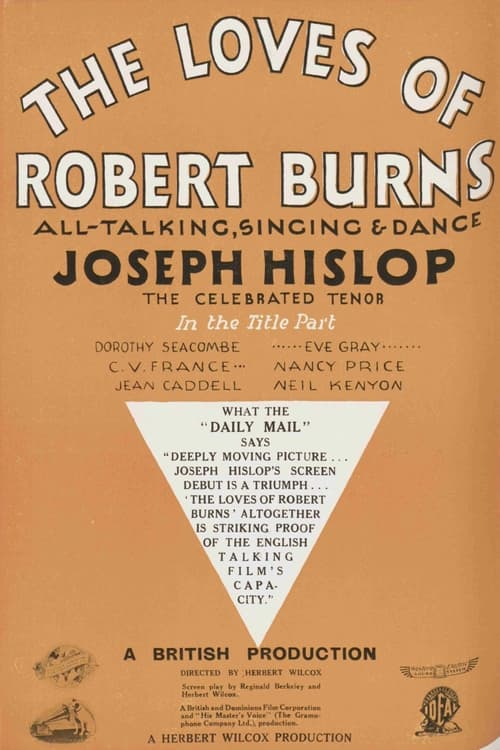
The Loves of Robert Burns
8.0

Biography of the ploughboy poet.

The Loves of Robert Burns

1930
French Leave
8.0

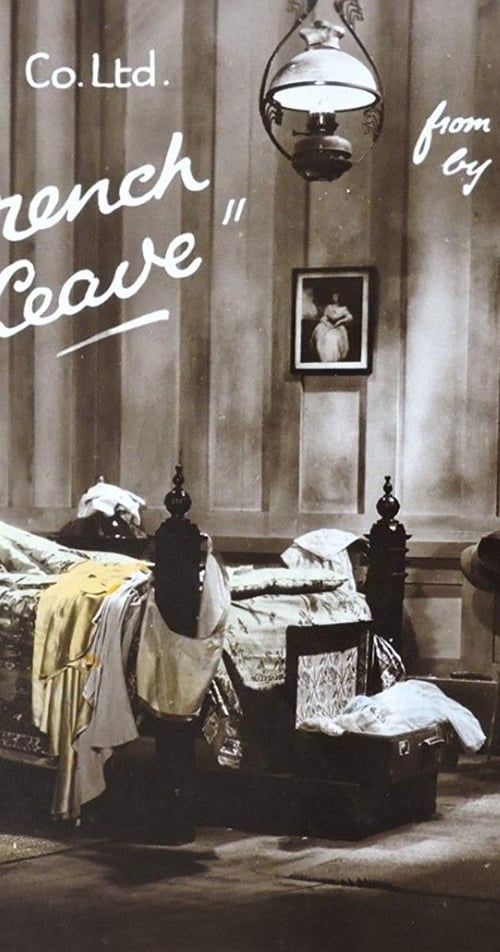
During World War I, Captain's wife Dorothy Glenister finds it hard being separated from her husband, so she travels to France to the village where he's stationed. Dorothy disguises herself as the daughter of a local, which leads to complications when she's suspected of being a German spy.

French Leave

1930
Wolves
8.0

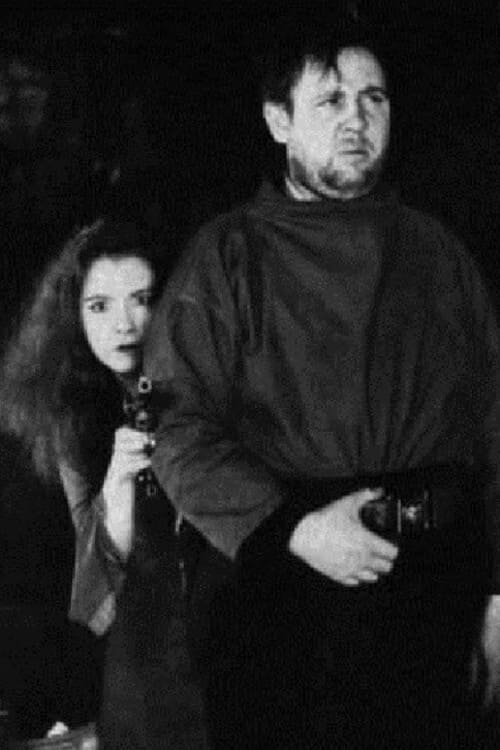
An outlaw leader fakes a draw for a sick girl so he can help her escape

Wolves

1930
The Nipper
8.0

A producer makes a star of the cockney waif who tried to rob him.

The Nipper

1930
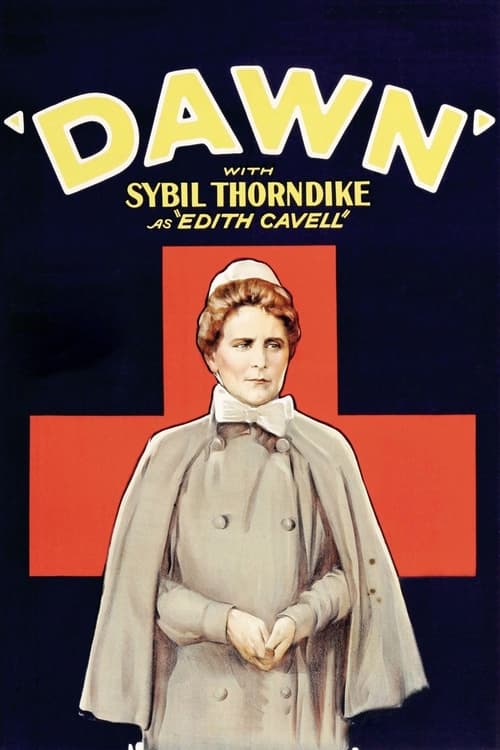
Dawn
10.0

A nurse helps 210 men escape to England before the Germans catch and execute her.

Dawn

1928