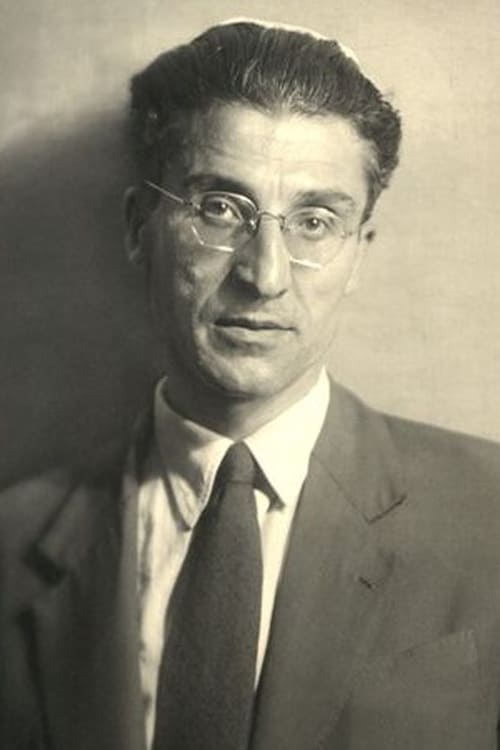
Cesare Pavese
Writing
Biography
Cesare Pavese (9 September 1908 – 27 August 1950) was an Italian poet, novelist, literary critic and translator. From Wikipedia, the free encyclopedia
Known For
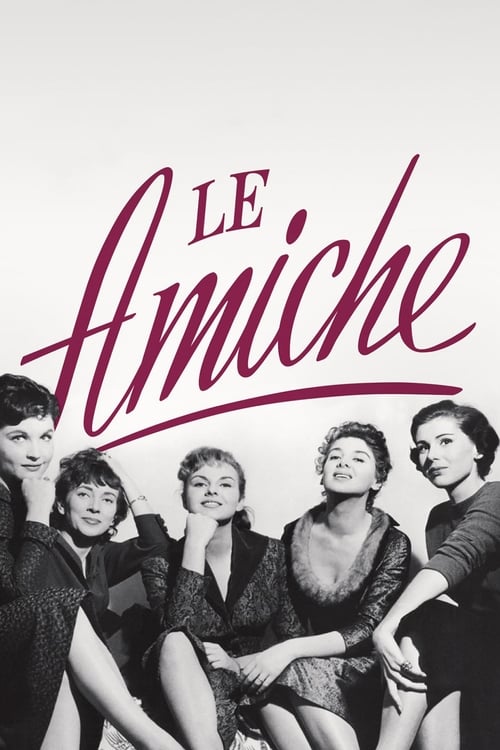
Clelia, a self-made woman coming from humble means, travels back to Turin, her hometown, to scout locations for the successful Roman atelier she works for. At the hotel, she encounters some upper middle-class women and she finds herself drawn into their friendships.
Le Amiche
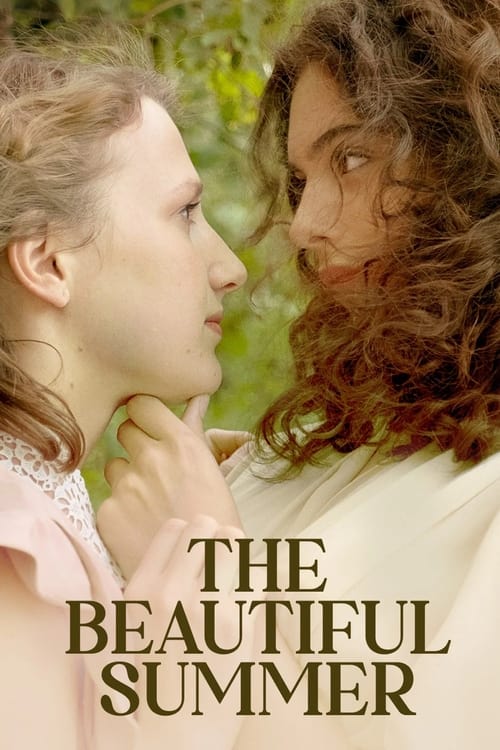
Seventeen-year-old Ginia leaves the countryside in search of a new life in Turin. Restless and seeking adventure, Ginia soon finds it in the beautiful, enigmatic Amelia, whose sensuality and confidence embolden her to begin modeling for the bohemian artists in their circle. A whirlwind affair ensues, and the young seamstress finds herself swept up in an unfamiliar and exciting world of discovery.
The Beautiful Summer
No description available.
Il compagno
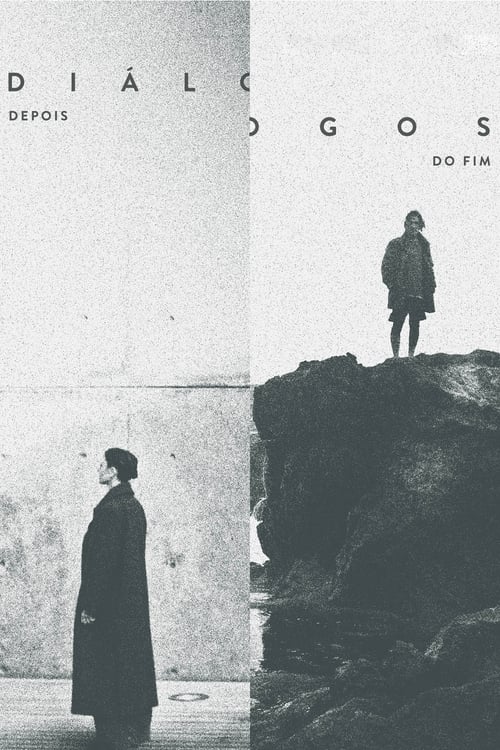
Pavese considered Dialogues with Leucò his best work. Eloquent and at the same time sententious and fragile, but implausible among humanized gods, demigods, heroes, and other pagan figures of Greek mythology, who question, through the imaginary of myths, the society of contemporary man. Out of a time and a certain space, and thus, and like all myths, always current.
Dialogues After the End
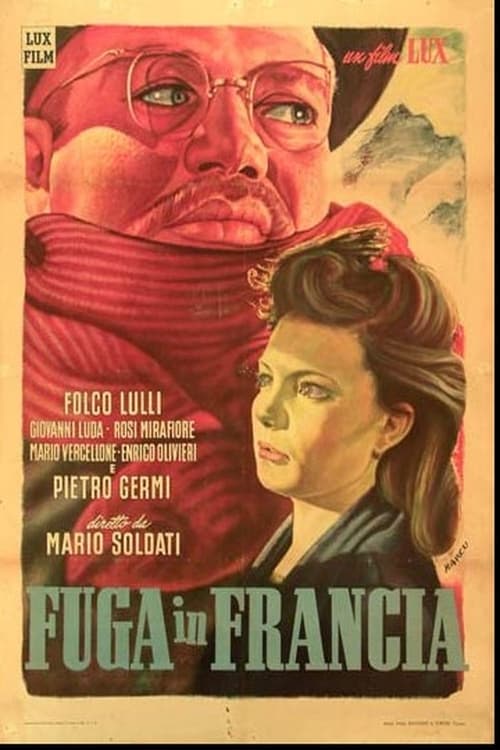
A former Fascist takes his son and escapes across the border into France, where he tries to avoid being recognized and having to pay for his wartime crimes.
Escape to France
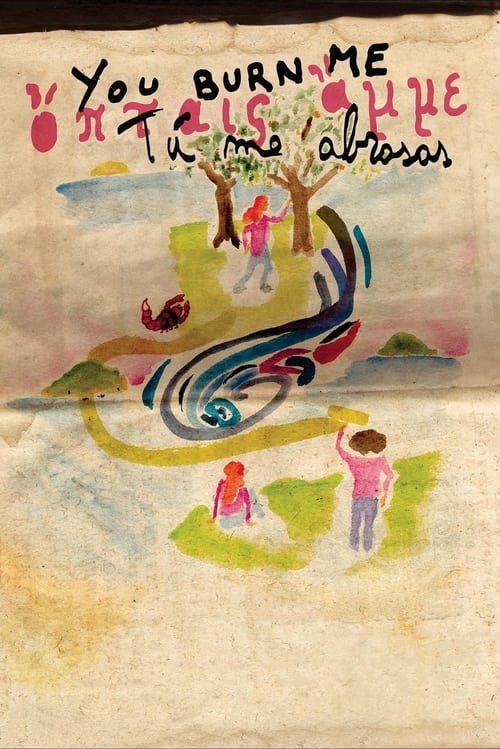
An adaptation of “Sea Foam”, a chapter from Cesare Pavese’s “Dialoghi con Leucò” published in 1947. The ancient Greek poet Sappho and the nymph Britomartis meet beside the sea and have a conversation about love and death. Sappho is said to have thrown herself into the ocean from lovesickness. Britomartis apparently tumbled off a cliff and into the water while fleeing from a man. Together, the two discuss the stories and images that have emerged around them to try and understand, at least for a moment, the bittersweet nature of desire.
You Burn Me
Two segments. The first one arranges six stories from Cesare Pavese’s «Dialoghi con Leucò», taken from classical mythology. The second segment is taken from Pavese’s novel «La luna e i falò»: after World War II the emigrant «The Bastard» comes back to his village in the Langhe (northern Italy) to find out that everyone he knew has died, and that the war has deeply changed relationships between people.
From the Clouds to the Resistance
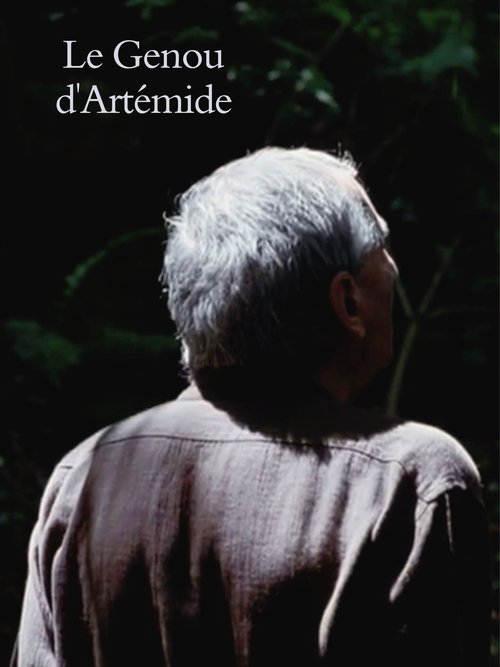
Mourning the death of his partner and collaborator Danièle Huillet, Straub finds tender mercy in music and nature. Out of the abyss, Kathleen Ferrier sings “The Farewell” from Gustav Mahler’s “The Song of the Earth”, (which the composer wrote in 1909 after the death of his daughter) and Heinrich Schütz’s Lament on the Death of His Wife. The landscape also provides solace: the mountain grove where Endymion pines for his beloved Artemis, “a wild thing, untouchable, mortal,” appears to embody the Japanese concept of ‘mono no aware’ — a wistful acceptance of the fleeting beauty of things.
Artemide’s Knee
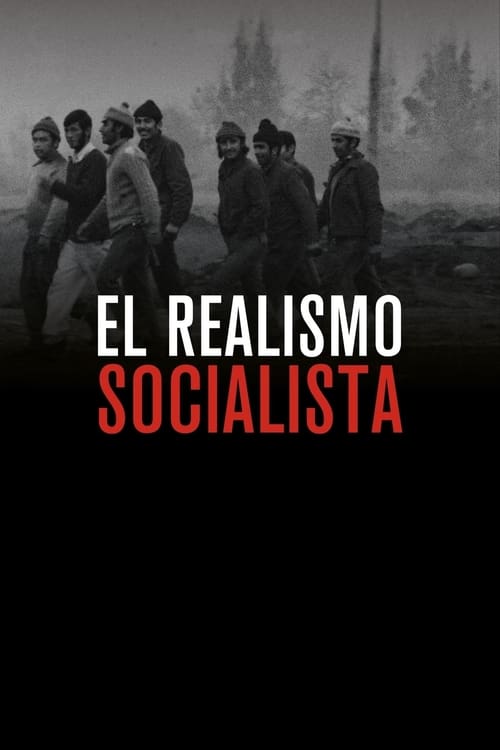
A satirical take on President Salvador Allende's Popular Unity process prior to the 1973 Chilean coup d'état. The film is made up of a series of short stories, in which different worlds cross paths.
Socialist Realism
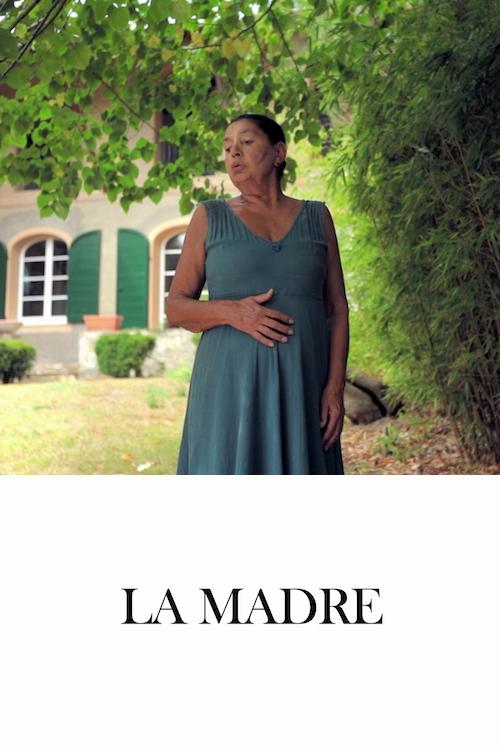
Inspired by a Cesar Pavese’s short story, this film has as its main question the relationship with the mother. After killing someone, Meleagros is killed by his own mother, from whom he had never disconnected.
La Madre
It is in the late 1930s, and Cesare Pavese, a writer, with two of his friends meets a very uninhibited noble couple.
The Devil in the Hills
Another adaptation from Cesare Pavese’s Dialogues with Leucò (following "From the Clouds to the Resistance", "These Encounters of Theirs" and "Artemis' Knee".
The Witches, Women Among Themselves
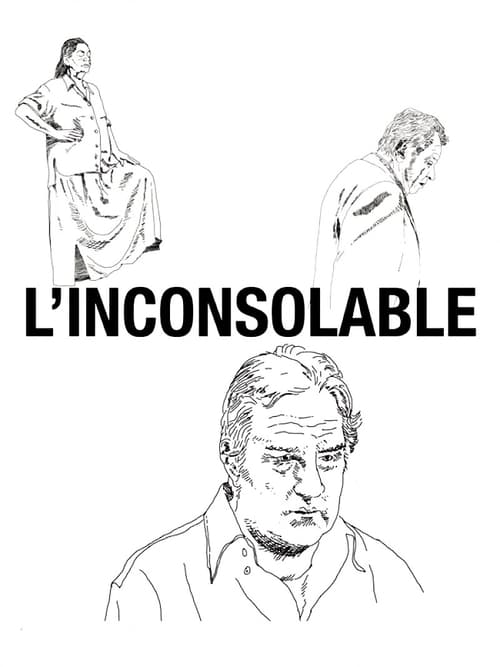
With L’inconsolable, Jean-Marie Straub continues the mise en scène of Cesare Pavese’s Dialogues with Leucò, initiated in 1978 with Dalla nube alla resistenza and followed up in 2006, 2007 and 2008 with Quei loro incontri, Artemis’s Knee and Le streghe – femmes entre elles. L’inconsolable is a reflection on the myth of Orpheus.
L’Inconsolable
These Encounters Of Theirs divides 10 non-professional actors into couples, then has them take turns in declaiming the Dialogues With Leuco, Cesare Pavese's abstract, philosophical work.
These Encounters of Theirs
For him it was just an affair, for her it was the love of her life. And now she is in Rome to see him, to put pressure on him, to threaten with suicide...
It's Me!
Vittorio Cottafavi's television film Gente delle Langhe, consisting of three episodes, L'eremita (from the Cesare Pavese story of the same name), La torta di Riccio (from a chapter of Una questione privata by Beppe Fenoglio), Incontro con il padre (from the book Come e perché by Davide Lajolo).
Gente delle Langhe
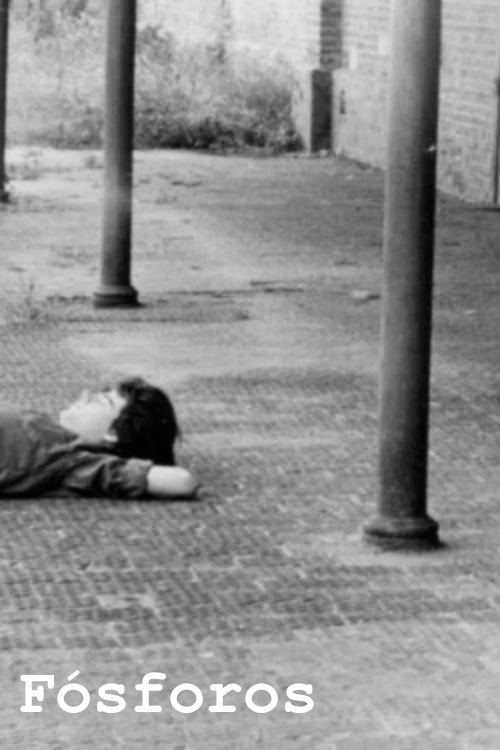
In 1972, a small group of young students from the UNL, riding in a dilapidated Gordini, arrived at a deserted rural area near Estación Matilde (Santa Fe) to film a short film on the theme of leisure, inspired by texts by Cesare Pavese. From the silent images emerge the exploration of homoeroticism and the male nude as aesthetic-political dimensions that contrast with the canonical production of the Institute and its time. The short was never finished and released, until it was found in 2025.