Acting
The film is a ballad about the dwellers of a block-of-flats in Angyalföld.
In 1956, a crusading newspaper reporter covers the Soviet invasion of Hungary. Initially critical of the communists, the feature later espouses the virtues of social changes implemented since the invasion.
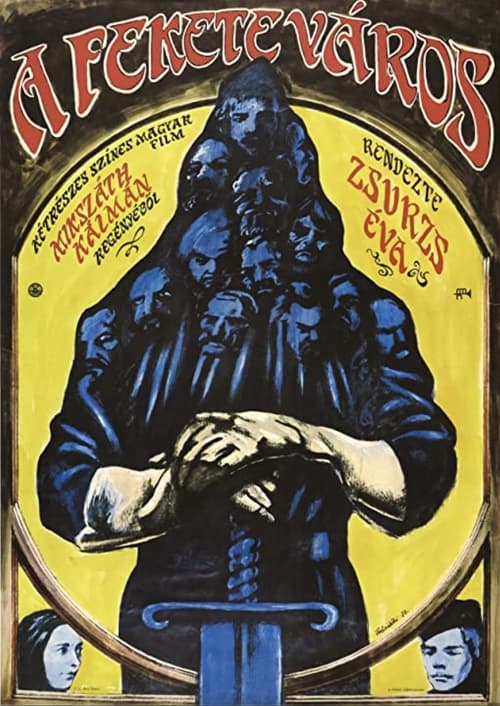
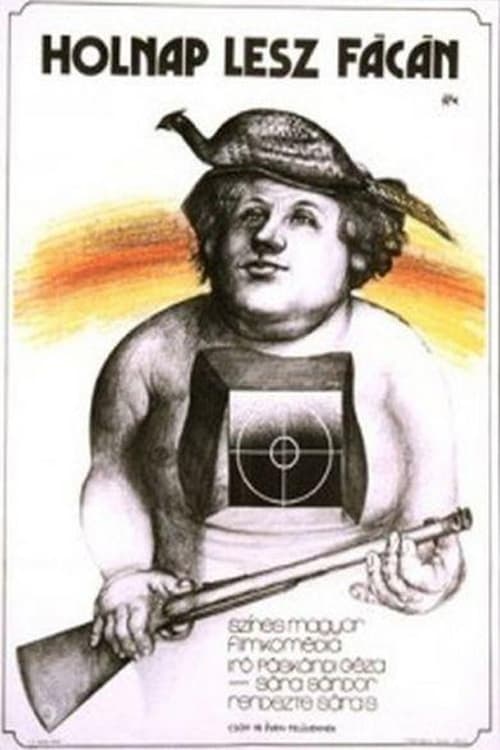
Feature film version of the 1971 series. On the eve of the 18th century, County Vicecomes Görgey Pál broods alone in his manor while the town of Leutschau celebrates New Year’s with lead‐casting omens and a disastrous hunt that sparks a bitter feud. As Görgey fights for his honor and life, and the townspeople defend their Saxon privileges, their mutual blind ambition prevents them from seeing the rising light of Rákóczi’s coming rebellion.
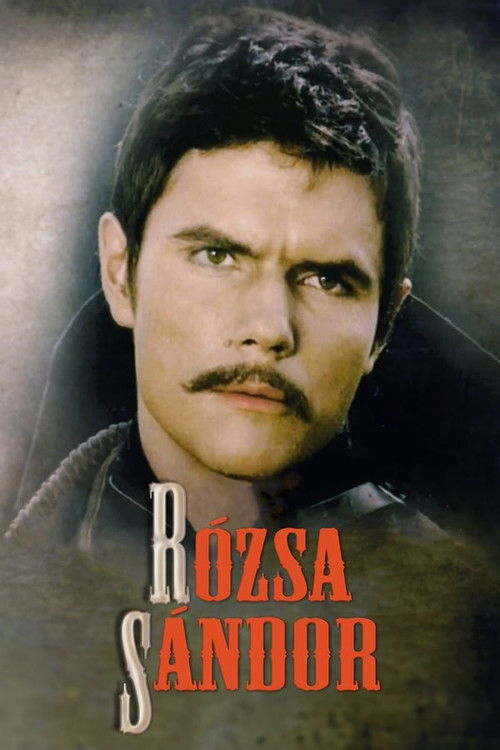
The rise and fame of Sándor Rózsa, the infamous outlaw of 19th century Hungary.
In 1918, Fábián Bálint is forced to kill on the Italian front. At home, his sons drown the priest, the lover of their mother, in the river Kraszna, an action that drives her insane. Following his return home, Bálint becomes the liveried coachman of the baron.
The elite of political and business life of the country town gather to celebrate the namesday of Haudek László in the luxury villa. Everything begins just as usual, but now an incident disturbs the stag party.
1920 in a mining town in the country-side. The team of children led by Ferkó Boda fish guns and a flag of Red soldiers out of the local lake.
Öcsi is going to have a little brother. The little child is sulking, he is deeply hurt because he learns the great secret not from his parents but his best friend, Évike.
A horse goddess gives birth to three powerful brothers who set out into the Underworld to save three princesses from three evil dragons and reclaim their ancestors' lost kingdom.
The loving couple of this grotesque parable parody of the Kádár-regime, Mária and István row to an uninhabited, idyllic island. Soon crazy tent-pitchers swarm to the island, led by an official representative of the regime.
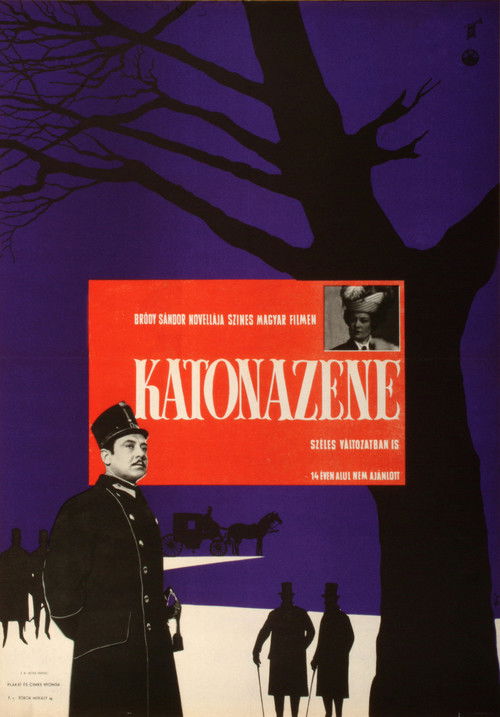
Merry soldiers arrive in the sleepy Transdanubian town. The cynical woman-hunter, Ferdinándy, learns to know doctor Barlay's beautiful wife at a carnival. She lives a happy married life, and the attentions of the lieutenant are all in vain.
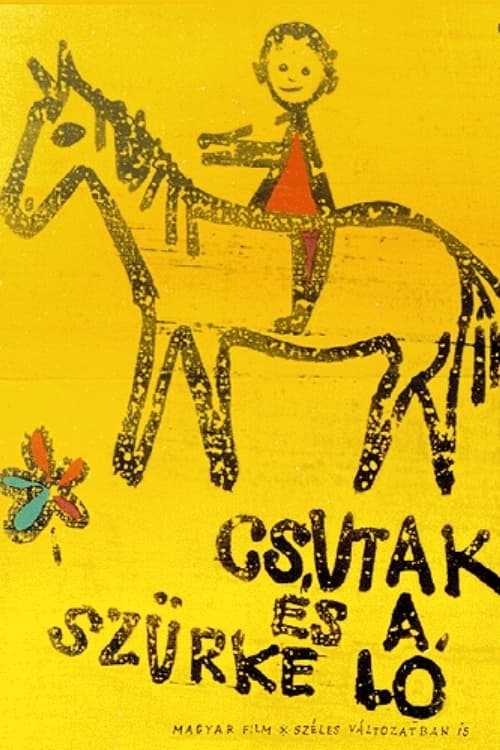
Csutak is just a pain in the neck, the little boy is even excluded from play by his mates. Vacation is spent lonely until one day he sneaks the woman haulier's old, shabby horse, a creature that would be better off in a slaughterhouse, out with himself. Possessing the animal is the key to the children's gang. They all try to find a place for the horse.
No description available.
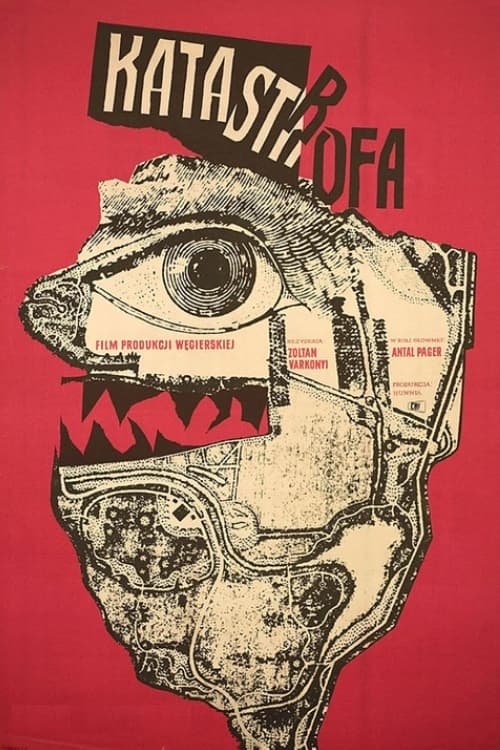
Private inspector Hável happens to travel on the train which is attacked at Biatorbágy. His attention is drawn to a suspicious man, and in the next few days he confirms that it was indeed him who committed the crime. Yet the police accuses not the lunatic Marschalkó but the communists. Summary justice is declared.
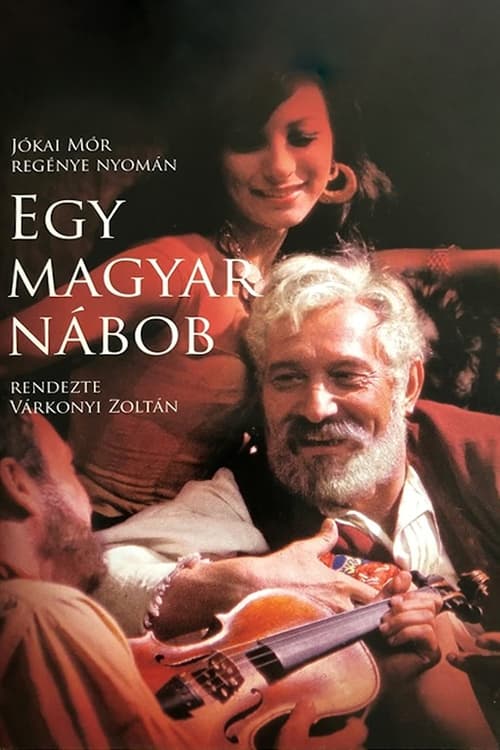
On the novel by Mór Jókai. The first half of the XVIII century. Several decades of life of a noble family Karpati.
The movie tells about the relationship between young people who love each other. Young Mishka's family works on a construction site in Budapest, and on weekends they come home to their village on the Great Plain to relax and have fun. It is here that the young man meets Klari. He learns that Klari is his fellow villager, although she also works in Budapest. They arrange to meet the following weekend. Mishka is truly in love. Clarie is too, but she doesn't dare to admit to him that she has been unfaithful.
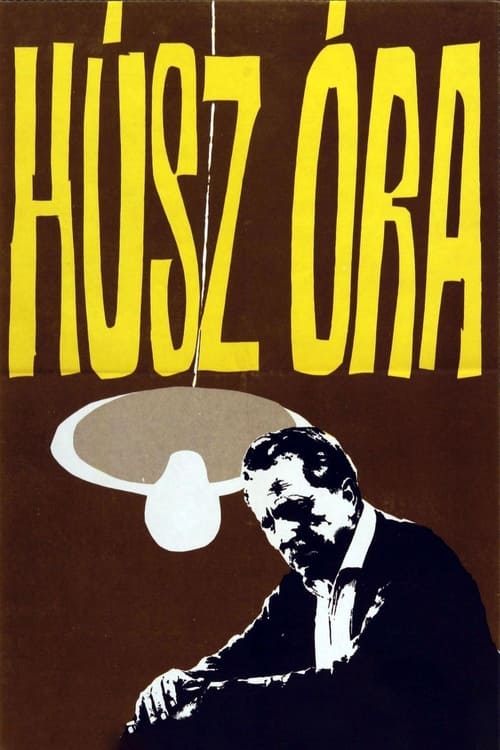
A sequel to "Yesterday". About the defeat of the Hungarian uprising of 1956. The action takes place in the barracks of the People's Army, in the War Ministry and in one of the largest factories in Budapest.
The grey hero of grey workdays, the divorced cashier of a cinema who is always willing to sacrifice herself for others, Etelka, is awarded a two-week-holiday at Lake Balaton. Following the advice of her female friend, she tries to live life at full speed.
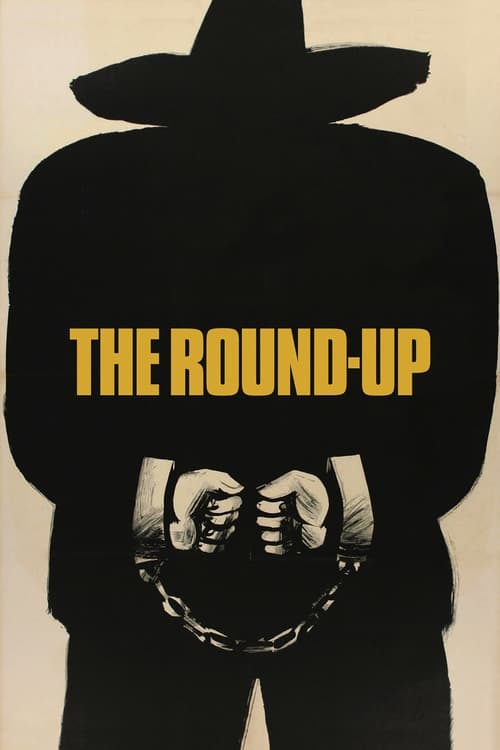
After the failure of the Kossuth's revolution of 1848, people suspected of supporting the revolution are sent to prison camps. Years later, partisans led by outlaw Sándor Rózsa still run rampant. Although the authorities do not know the identities of the partisans, they round up suspects and try to root them out by any means necessary.
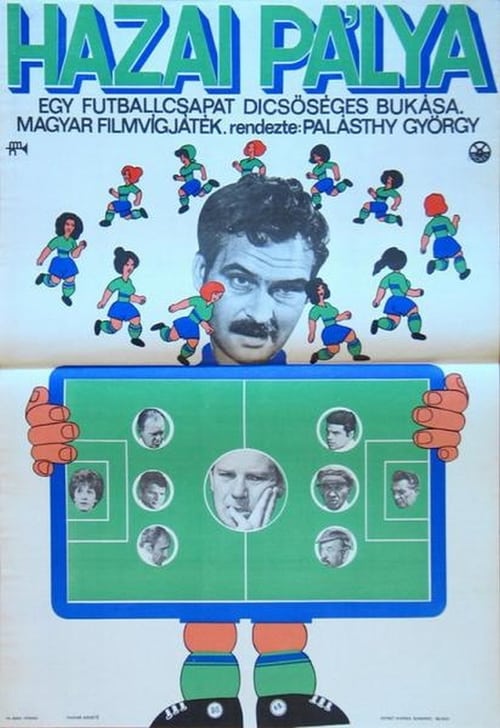
This ironic comedy is set in the god-forsaken Kiskúnbékás, at the end of the fifties. There are no jobs, the town's "golden team", who once were third class national soccer players have scattered