FEEL IT.STREAM
Boris Tenin

Boris Tenin

Acting

Biography

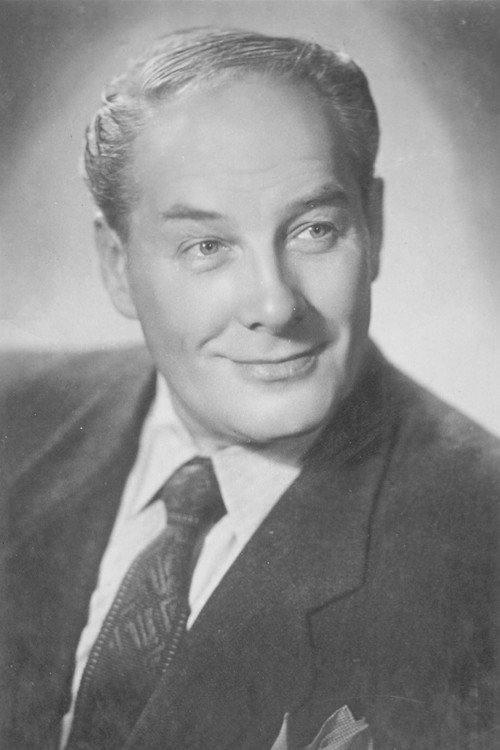
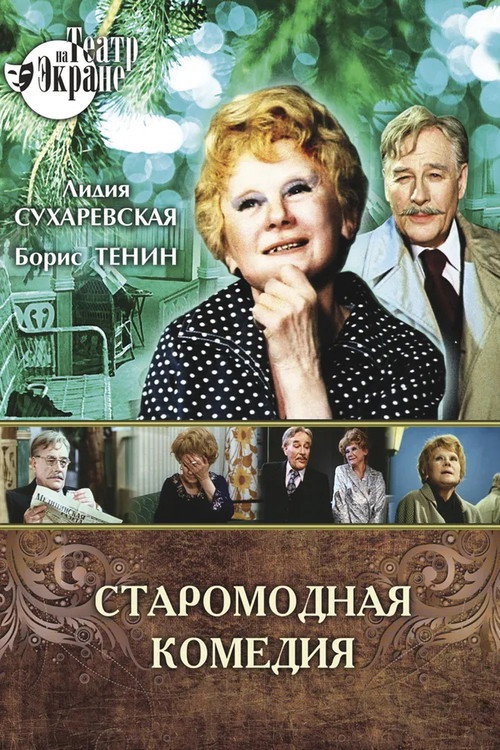
In the years 1937-1946 - artist of the Leningrad Comedy Theater. Since 1946 - actor of the Studio Theater of the film actor in Moscow. In the years 1955-1962 - actor of the Moscow Theater of Satire. Since 1962 - actor of the Moscow Drama Theater on Malaya Bronnaya. Since 1974 - actor of the Academic Theater named after Vladimir Mayakovsky. In 1933, he taught clowning at the Moscow Circus College, in 1935 he acted as a clown in the arena of the Moscow Circus. Honored Artist of the RSFSR (03/11/1939). People's Artist of the Tajik SSR (05.01.1944) (from 1941 to 1944, the troupe of the Leningrad Comedy Theater worked in evacuation in Tajikistan). People's Artist of the RSFSR (03/06/1950). People's Artist of the USSR (10/22/1981). Boris Mikhailovich was married to actresses Olga Ivanova (first wife of Grigory Alexandrov) and Lydia Sukharevskaya. Boris Tenin suddenly died in Moscow on September 8, 1990, one second from a cardiac arrest. He was buried at the Vagankovsky cemetery. The actor died a year before the collapse of the Soviet Union, and in October 1991 his wife, Lydia Sukharevskaya, passed away.

Known For

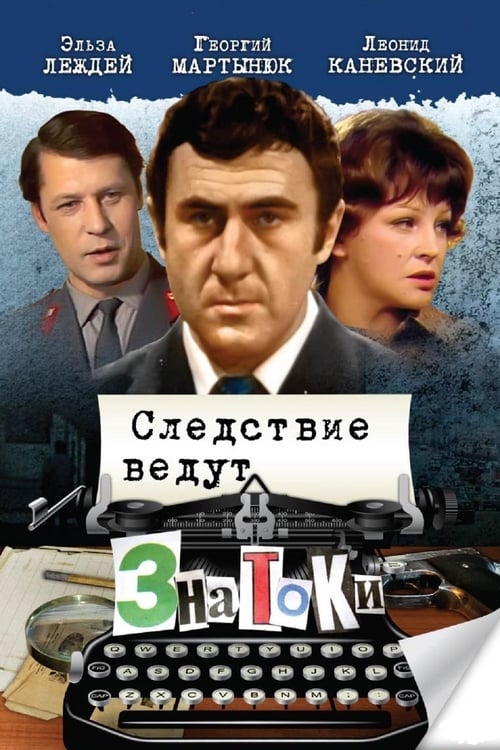
Investigation Held by ZnaToKi
7.6

No description available.

Investigation Held by ZnaToKi

1971
Without Dowry
5.8

Ogudolova, unlike her sisters, refuses to obey her mother's wish that she marry a wealthy old man in order to collect a dowry

Without Dowry

1937
When Idols Were Gone
8.5

No description available.

When Idols Were Gone

2005
The Man with the Gun
5.2

The story of the Bolshevik revolution through the eyes of a peasant who, as a soldier, gets caught up in the proceedings under the tutelage of Lenin.

The Man with the Gun

1938
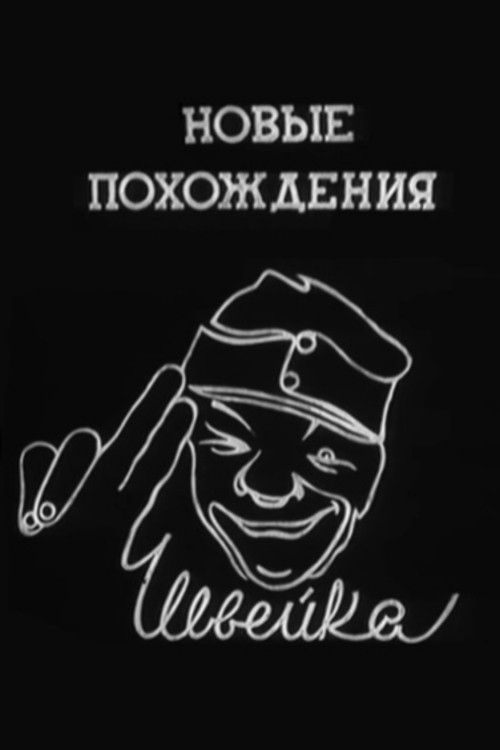
The New Adventures of Schweik
6.6

The New Adventures of Schweik adopted to the WWII reality.

The New Adventures of Schweik

1943
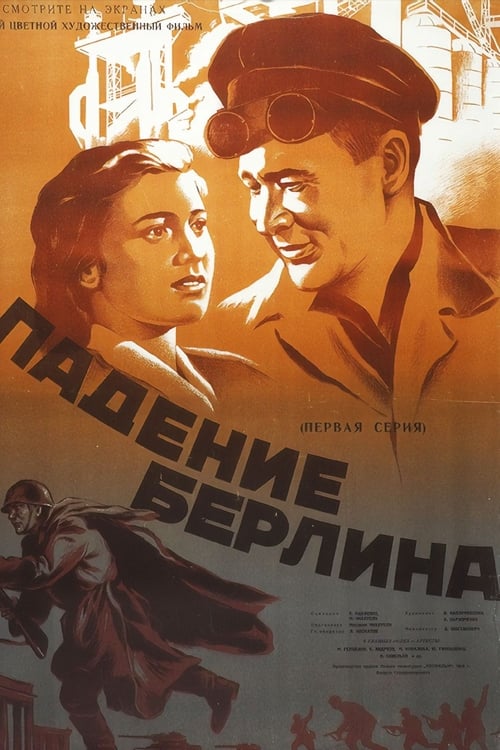
The Fall of Berlin
5.0

Surrounded by a few party officials, Alexei Ivanov, a stakhanovist smelter, is decorated by Stalin. The "Little Father of the Peoples" takes this opportunity to invoke threats of war.... One day, war indeed breaks out. Bombs fall on the field where Alexei finds himself in the company of the schoolmistress Natacha, his fiancée. Alexei joins the Red Army and soon becomes a sergeant. Fighting rages and German troops advance. Natacha is arrested and deported. But the tide turns decisively with the German defeat at Stalingrad. Now the major offensive against Hitler can begin.

The Fall of Berlin

1950
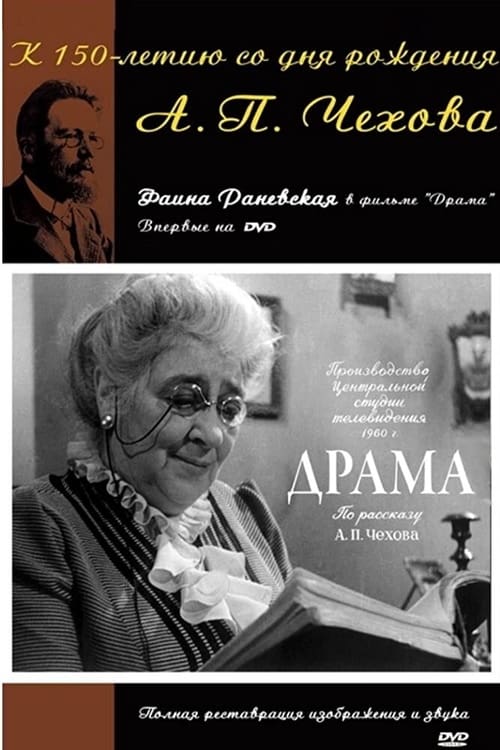
Drama
4.7

A famous writer's long-awaited nap is interrupted by a visit from an aspiring playwright who wishes to show him her latest drama.

Drama

1960
Kilometer Zero
4.2

A young music video director, a ballet dancer and a dolce vita seeker - they come to Moscow to conquer the city, but each of them goes their own way. Sooner or later the three of them realize: to get what you are striving for you might risk many things, but friendship and love.

Kilometer Zero

2007
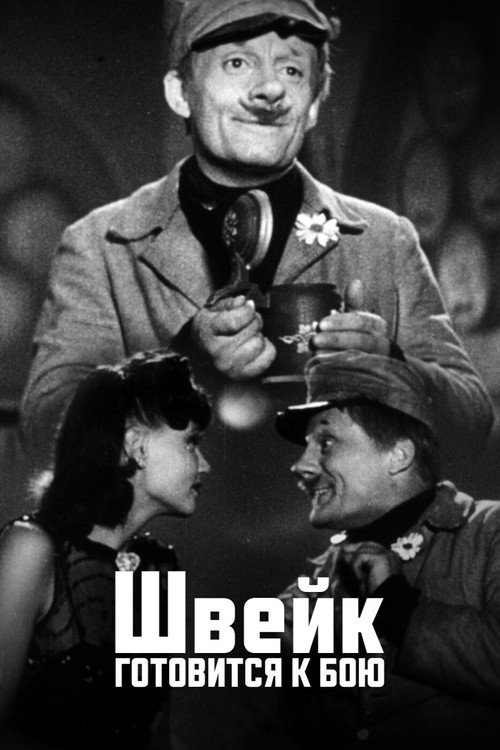
Schweik is Preparing For Battle
N/A

No description available.

Schweik is Preparing For Battle

1942
Shame
5.0

Shame or Counterplan is a 1932 Soviet drama film directed by Sergei Yutkevich and Fridrikh Ermler. The film’s title-song called "The Song of the Counterplan", composed by Dmitri Shostakovich, became world famous and was adapted into "Au-devant de la vie", a notable song of the French socialist movement of the 1930s. This film could be considered as a Stalin propaganda film. The plot involves an effort to catch "wreckers" at work in a Soviet factory. From Wikipedia, the free encyclopedia

Shame

1932
Yakov Sverdlov
8.0

Soviet biographical film on the life and work of the first chairman of the All-Russian Central Executive Committee, Yakov Mikhailovich Sverdlov.

Yakov Sverdlov

1940
Bone of Contention
10.0

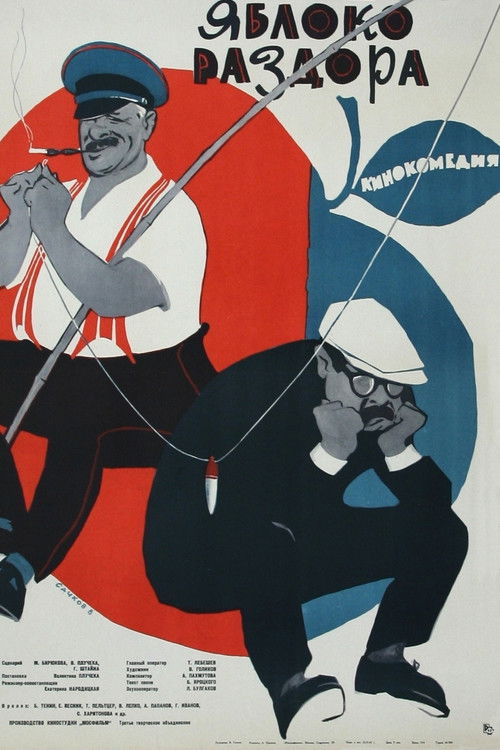
Ilya Rudenko, chairman of the prosperous collective farm, prepared for the solemn welcome of his famous countryman, retired Colonel Koval. Arriving to relax in the Lull, the former colonel was surprised by Ilya's strange approach to collective well-being. And when the chairman began to prepare the entire harvest of the apple orchard for shipment to the North to sell it at exorbitant prices, Koval said his word harshly and unequivocally — and received the same unequivocal support from all residents of the Calm...

Bone of Contention

1962
Maigret and the Man on the Bench
8.5

Investigating the murder of a resident of the suburbs Louis Touré, Maigret faces the indifference and cruelty of the people surrounding Louis in recent years. The diagnosis and the verdict — all guilty.

Maigret and the Man on the Bench

1973
Przhevalsky
6.9

A Russian scientist spends a year documenting the natural world in Central Asia.

Przhevalsky

1951
Song of Happiness
7.0

A coming-of-age story about a flute-playing boy (Yyvan Kyrla) from the Mari people, a national minority who lived near the Volga, and how he is educated by the Soviet state.

Song of Happiness

1934
Life of Klim Samgin
7.0

No description available.

Life of Klim Samgin

1986
Hello, Moscow!
6.5

At the amateur talent show the boy, accompanying himself on the accordion, sings a song about Moscow... The plot of the movie is based on the story of the director of the school about how this accordion, once belonging to a cadre worker who died during a demonstration in 1905, has been in many hands before it got to the guys.

Hello, Moscow!

1945
The Russian Question
4.8

The film is based on the play by K. Simonov. It is the story of an American journalist who spends time in Russia and sees socialism in action. Upon his return to the U.S., a prestigious editor asks him to write a book about his experience. He receives a handsome advance for the project and he and his fiancée are able to buy a house, a car, and other symbols of the American dream. But the editor’s generosity comes with a caveat: the book must present a negative picture of Soviet society. Will he simply keep the money and do what is expected of him, or will he instead tell the truth?

The Russian Question

1948
Lace
5.9

Since director Sergei Yutkevich was a longtime lover of American slapstick, his first films were imbued with a playfulness and cheeriness not typical of Russian cinema. And Kruzheva is a good example of that as he illustrates the friendly rivalries between the youths on village in both a very rough and clowning way.

Lace

1928
The Paradise Apples
1.0

Political pamphlet based on the story of the Finnish writer Martti Larni "Socrates in Helsinki". Spring of 1944. In the paradise, which has long been settled by the philosopher Socrates, a fired soldier Vittori Virten arrives. The philosopher respected the newcomer with great respect, and they even became friends. Once having distinguished himself before God, the heroes get a vacation on Earth and go on a journey: the soldier decides to visit his family in Laconia, and the sage just wanted to see the world — did he think it once, and decided to join the soldier...

The Paradise Apples

1974