Acting
Fitil is a popular Soviet/Russian television satirical/comedy short film series which ran for about 500 episodes. Some of the episodes were aimed at children, and were called Фитилёк, Fitilyok, Little Fuse. Each issue contained from the few short segments: documentary, fictional and animated ones. Directed by various artists, including Leonid Gaidai who presented his famous trio of Nikulin, Vitsin and Morgunov into the cast. It was called in USSR as "the anecdotes from the Soviet government".
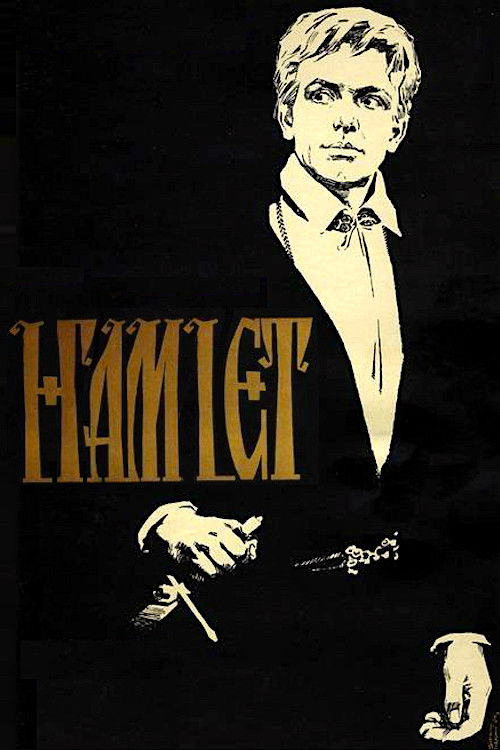
Shakespeare's 17th century masterpiece about the "Melancholy Dane" was given one of its best screen treatments by Soviet director Grigori Kozintsev. Kozintsev's Elsinore was a real castle in Estonia, utilized metaphorically as the "stone prison" of the mind wherein Hamlet must confine himself in order to avenge his father's death. Hamlet himself is portrayed (by Innokenti Smoktunovsky) as the sole sensitive intellectual in a world made up of debauchers and revellers. Several of Kozintsev directorial choices seem deliberately calculated to inflame the purists: Hamlet's delivers his "To be or not to be" soliloquy with his back to the camera, allowing the audience to fill in its own interpretations.
Set during the early part of his reign, Ivan faces betrayal from the aristocracy and even his closest friends as he seeks to unite the Russian people. Sergei Eisenstein's final film, this is the first part of a three-part biopic of Tsar Ivan IV of Russia, which was never completed due to the producer's dissatisfaction with Eisenstein's attempts to use forbidden experimental filming techniques and excessive cost overruns. The second part was completed but not released for a decade after Eisenstein's death and a change of heart in the USSR government toward his work; the third part was only in its earliest stage of filming when shooting was stopped altogether.
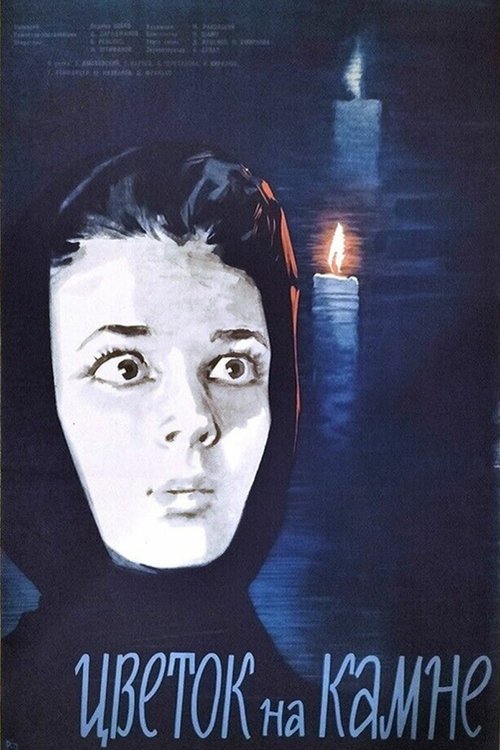
Set in a new mining town in the Donets Coal Basin, it centres on a clash between the young miners, the political establishment, and a religious cult lead by a devious Pentecostal evangelist infiltrated into the community who tries to make the workers fall under his influence.
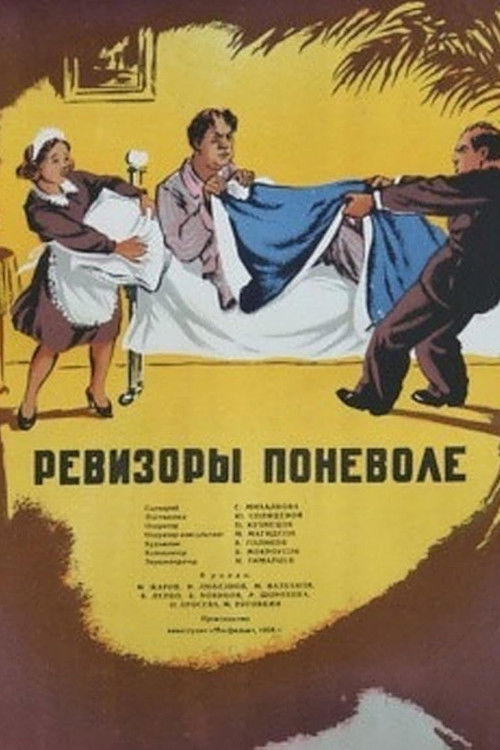
Two business travelers, Laptev and Rusakov, staying at a small town hotel, were surprised by the care that the service staff showed them. It turns out that the hotel administrators, lazy and bureaucratic, accepted the new guests as capital auditors. But it soon turns out that the real auditor has been living in one of the rooms for three days and has already started working as a hotel staff member.
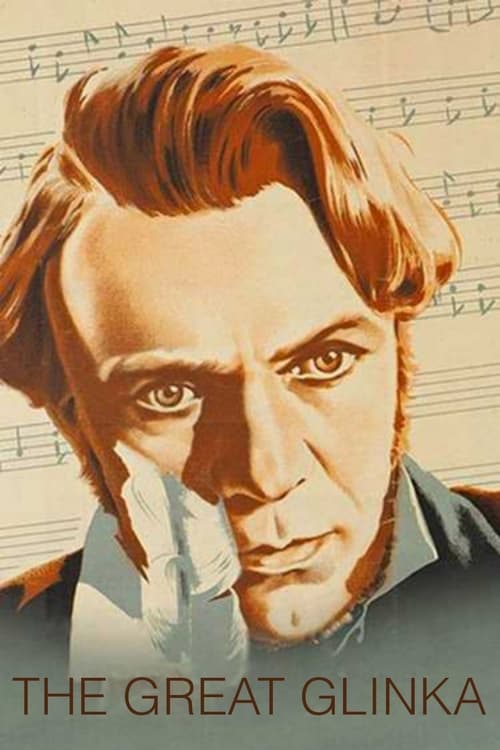
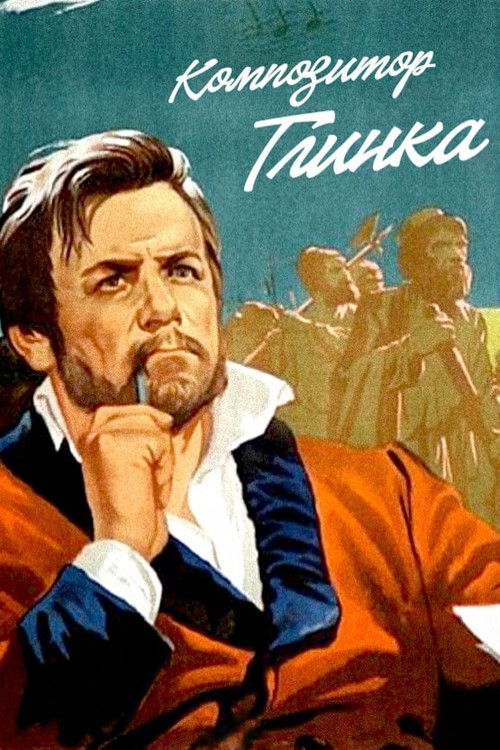
About the life of the Russian composer Mikhail Glinka.
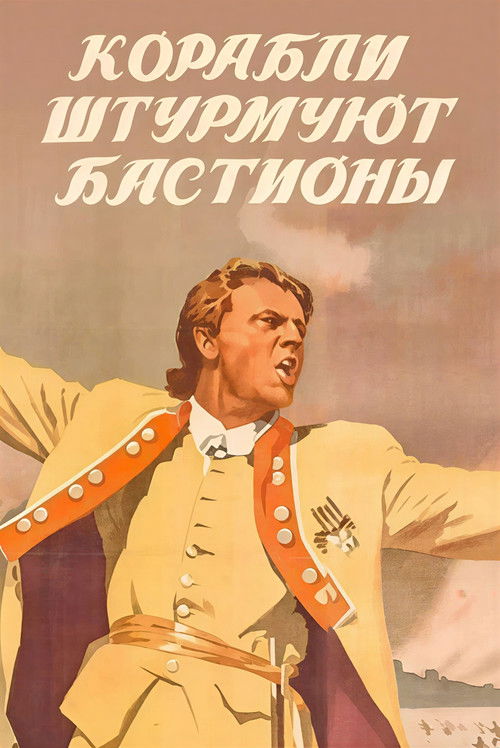
The historical and biographic movie about the glorified Russian naval commander Ushakov. France begins aggressive wars. The Russian and allied troops freeing Italy are headed by A. V. Suvorov. The victory in the fortress of Corfu is ensured by operation of the admiral Ushakov.
He was appointed as the new chief engineer of a tractor factory. The presence of this man, direct, hard and uncompromising, creates a lot of conflict - primarily between him and the director of the plant. However, clashes in the production are nothing compared with the pain that causes the loss of the beloved hero ...
This is the second part of a projected three-part epic biopic of Russian Czar Ivan Grozny, undertaken by Soviet film-maker Sergei Eisenstein at the behest of Josef Stalin. Production of the epic was stopped before the third part could be filmed, due to producer dissatisfaction with Eisenstein's introducing forbidden experimental filming techniques into the material, more evident in this part than the first part. As it was, this second part was banned from showings until after the deaths of both Eisenstein and Stalin, and a change of attitude by the subsequent heads of the Soviet government. In this part, as Ivan the Terrible attempts to consolidate his power by establishing a personal army, his political rivals, the Russian boyars, plot to assassinate him.
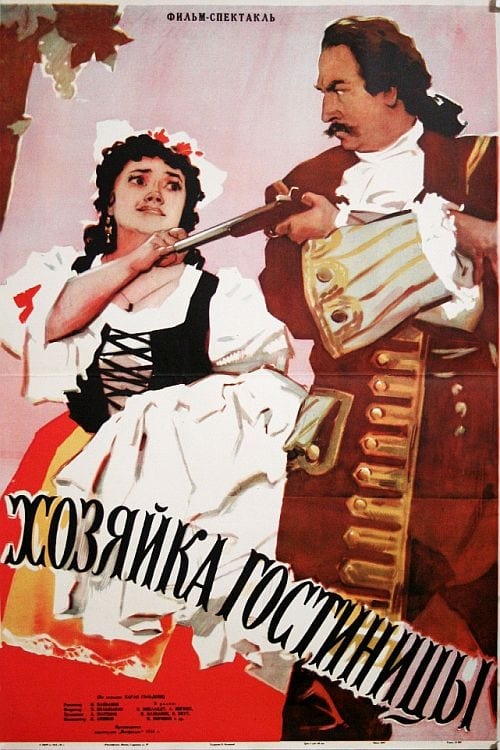
An attractive woman who runs a country hotel tricks three men who challenge her favour.
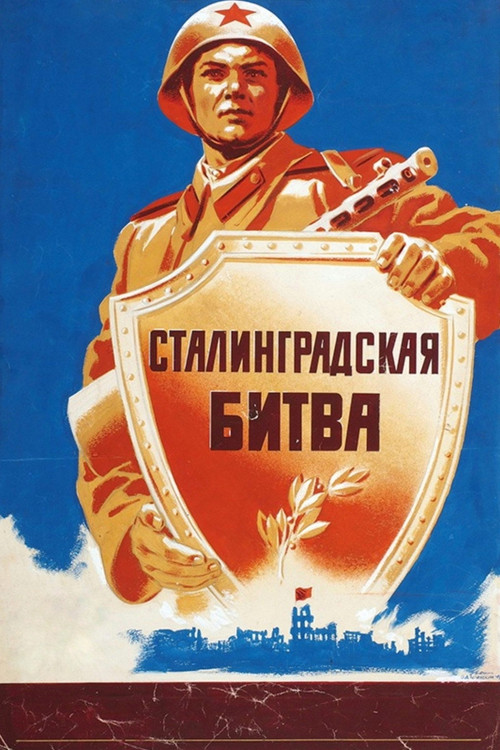
A 1949 two-part Soviet epic war film about the Battle of Stalingrad.
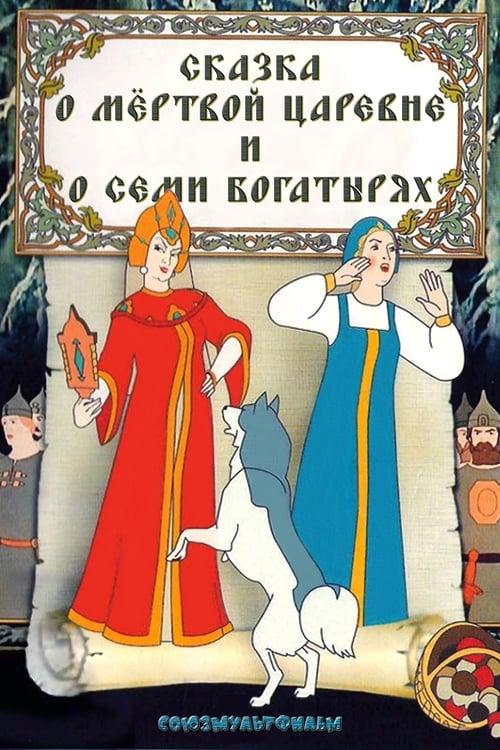
Animated film based on the story of Alexander Pushkin. The new king's wife wants to get rid of their stepdaughter and expels it to certain death in the forest. Princess finds refuge in the forest in the seven bogatyrs. The queen, finds out about it and poisons her...
No description available.
The young composer Mikhail Glinka performs his new work at a soiree at earl Vielgorsky's house. However, the public is accustomed to Western music, and reacts coldly to the creation of the composer. This makes him very sad, but soon he decides to go learn the art of music in Italy. After returning from Italy, he is full of desire to write national Russian opera. Vasily Zhukovsky proposes a subject: a feat of Ivan Susanin. Tsar Nicholas I change the name of the opera to A Life for the Tsar and assigns a librettist - Baron Rosen. Acquaintance with the future co-author shocked Glinka: Rosen speaks Russian with a noticeable German accent. The premiere was successful, but Glinka was still not entirely happy with the libretto: "False words were written by Rosen". When Nicholas I learned that Ruslan and Lyudmila was written on Pushkin's subject, he sees it as sedition. The bitter experience of the composer brighten his supporters.
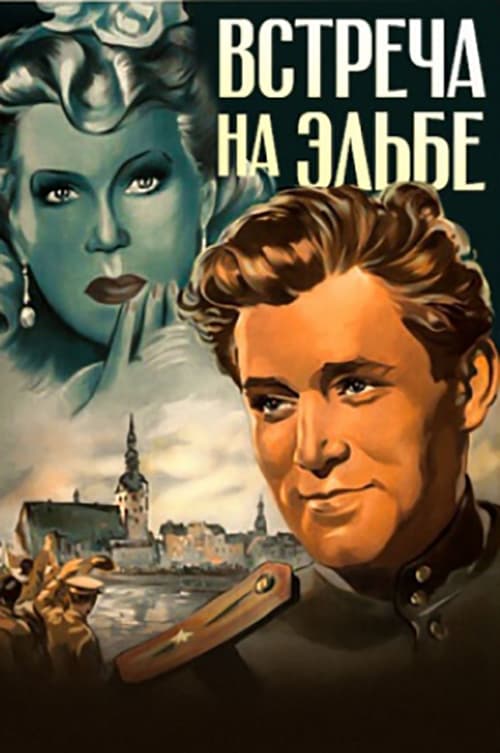
Soviet and American soldiers are meeting on the shores of the Elbe river in Germany in 1945.
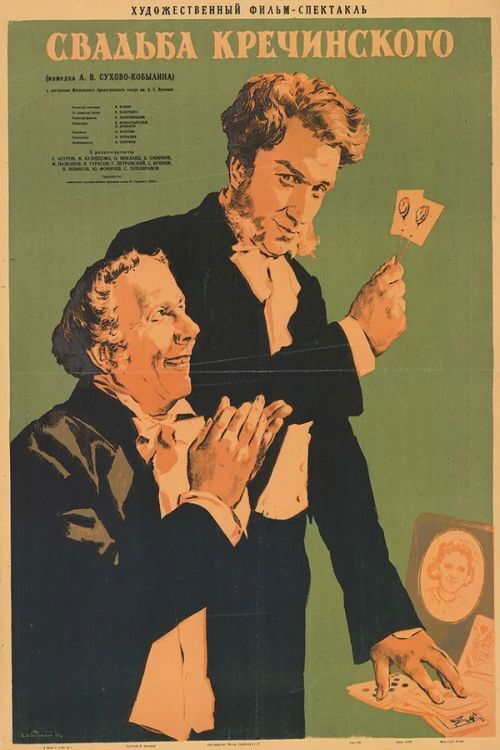
Mikhail Vasilyevich Krechinsky, an avid gambler and cardsharp, loses a large sum of money. Creditors are closing in on him from all sides. The only way out is to marry a rich girl. To get his father's blessing and speed up the wedding, Krechinsky resorts to deception.
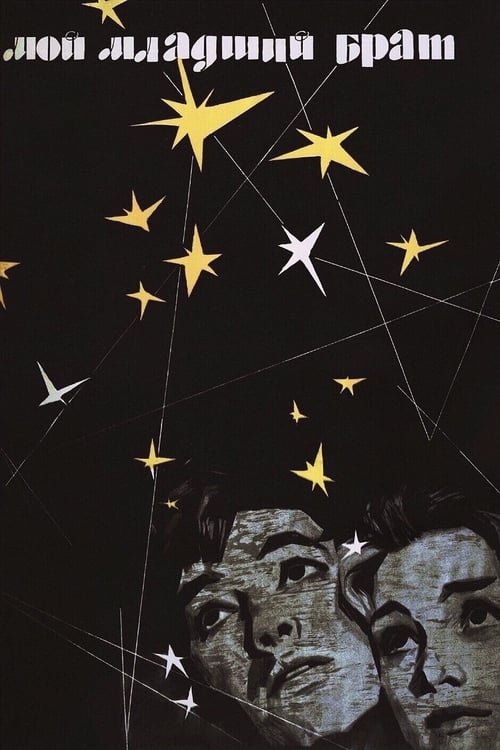
School is over, final exams are behind — and Dima was the first to think of waving away from home. The convictions of his elder brother Viktor about a serious attitude to the future life only more “warmed up” the four friends, and for the first time they went to Tallinn for the first time without the bored care of adults...
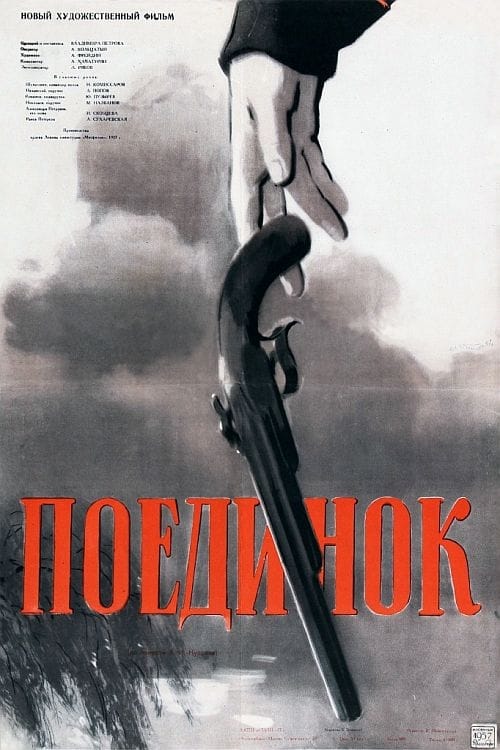
1896. The regiment, stationed in a small town, is bored, drunk, languishing in soullessness. Lieutenant Romashov falls in love with the captain's wife Shurochka. Society is abuzz on the subject. A quarrel arises between the captain and the lieutenant.
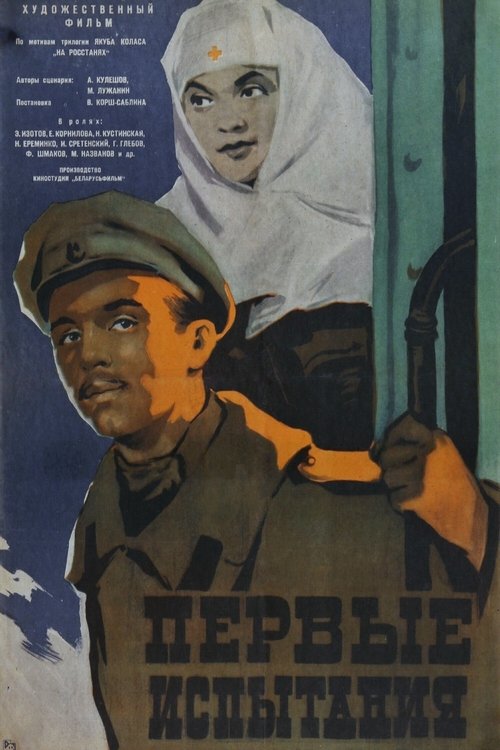
The young teacher Lobanovich, who has just graduated from the seminary, comes to the remote Polessky village of Telshino to teach the peasant children to read and write. In the heads of seminarians persistently hammered into the idea that the Tsar-father endlessly cares about the common people, and the people respond to him sincere filial gratitude. Arriving in the village, the teacher saw a different picture. The Poleshuk people are beaten down, driven, living in mud, darkness, tightly entangled in a network of prejudices and superstitions....