Lucrecia Martel
Directing
Biography
Lucrecia Martel (born December 14, 1966) is an Argentine film director, screenwriter, and producer. She is a part of the New Argentine Cinema wave of contemporary film-making that began in the mid-1990s.
Known For

No description available.
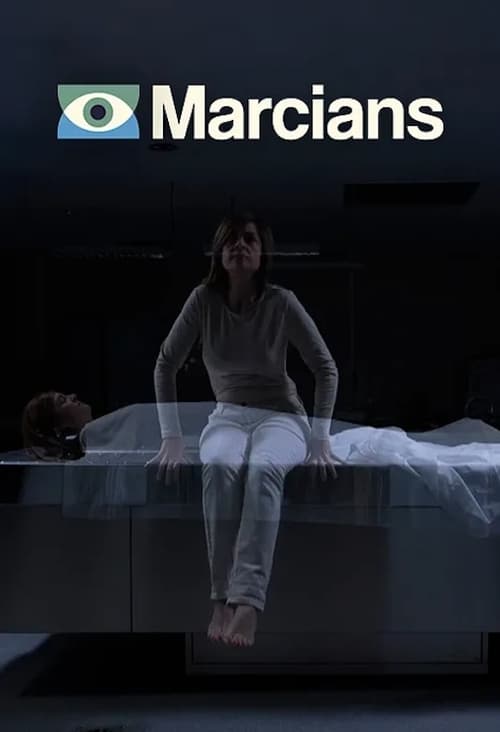
Marcians

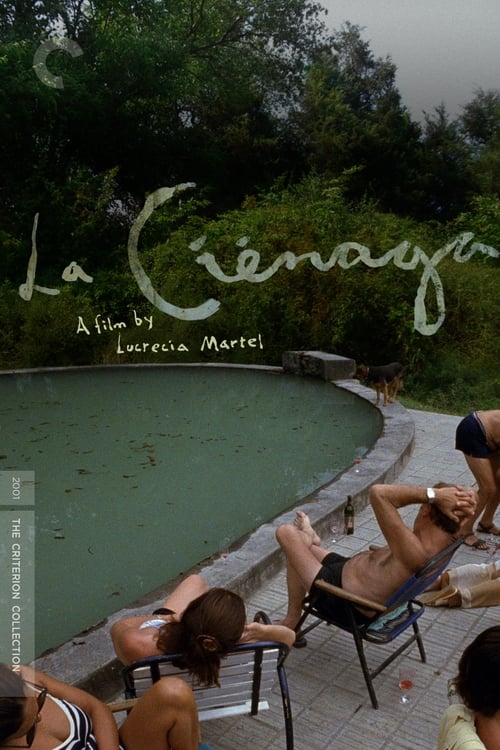
Amid the sweltering summer heat in northern Argentina, two middle-class families retreat to a crumbling country estate and a modest townhouse, where strained relationships, simmering tensions, and the presence of children and servants quietly expose the fractures of family life. Between idle days, gossip, and unspoken desires, the boundaries of class, tradition, and faith are reflected in their everyday interactions.
La Ciénaga

In a remote South American colony in the late 18th century, officer Zama of the Spanish crown waits in vain for a transfer to a more prestigious location. He suffers small humiliations and petty politicking as he increasingly succumbs to lust and paranoia.
Zama

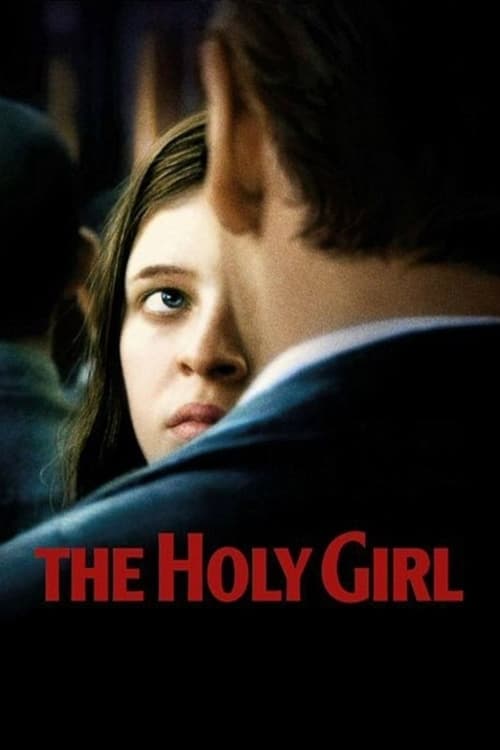
Amalia is an adolescent girl who is caught in the throes of her emerging sexuality and her deeply held passion for her Catholic faith. These two drives mingle when the visiting Dr. Jano takes advantage of a crowd to get inappropriately close to the girl. Repulsed by him but inspired by an inner burning, Amalia decides it is her God-given mission to save the doctor from his behavior, and she begins to stalk Dr. Jano, becoming a most unusual voyeur.
The Holy Girl

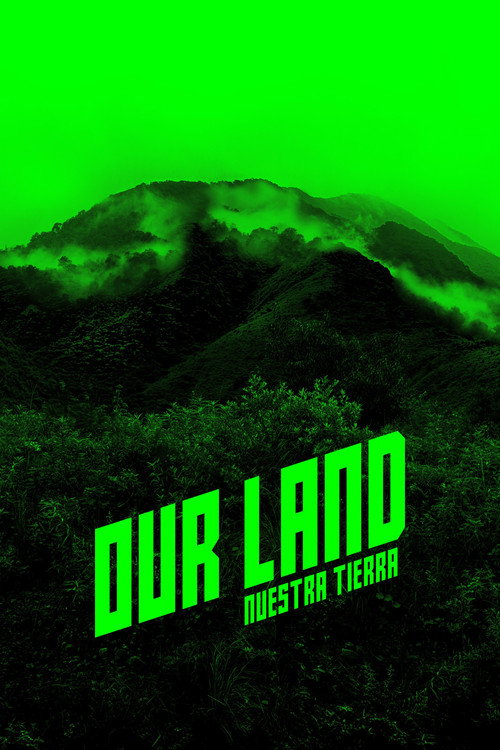
In 2009, a man and two accomplices try to evict members of the Indigenous community of Chuschagasta in northern Argentina. Claiming ownership of the land and armed with guns, they kill the community’s leader, Javier Chocobar. The murder is caught on video. It takes nine years of protests before court proceedings are finally opened in 2018. During all this time, the killers remain free. The film combines the voices and photographs of the community with courtroom footage to explore the long history of colonialism and land dispossession that led to this crime.
Our Land

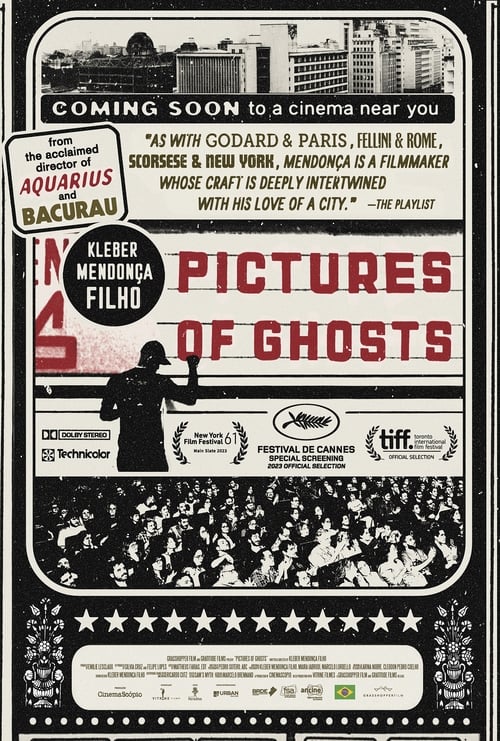
Downtown Recife’s classic movie palaces from the 20th century are mostly gone. That city area is now an archaeological site of sorts that reveals aspects of life in society which have been lost. And that’s just part of the story.
Pictures of Ghosts

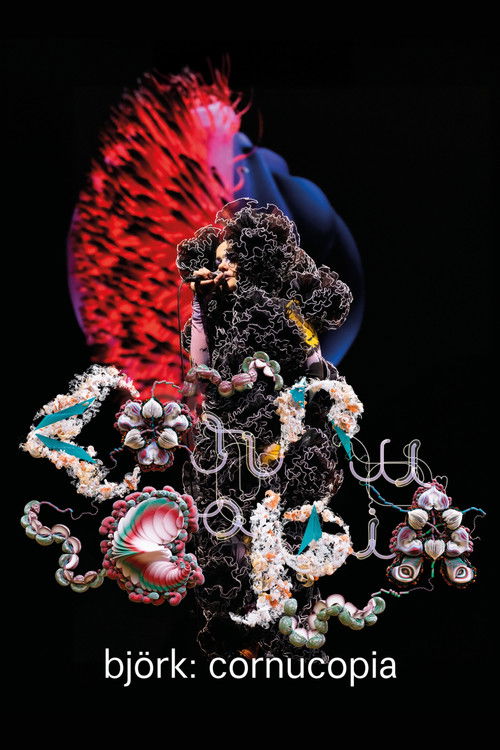
A visually spectacular landscape of lush colours, futuristic screens and wild images of nature that comes alive with Björk's wondrous music, as she performs live alongside musicians and choirs of flutes and voices.
Björk: Cornucopia

After running into something with her car, Vero experiences a particular psychological state. She realizes she might have killed someone.
The Headless Woman

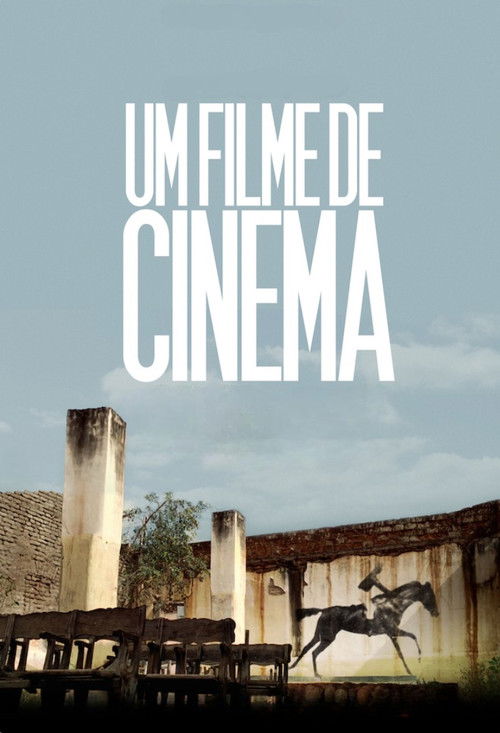
An abandoned tumbledown theater in the outback of Paraíba state is the initial setting of a film about cinema, which explores the testimonials of the novelist and playwright Ariano Suassuna and other filmmakers such as Ruy Guerra, Julio Bressane, Ken Loach, Andrzej Wajda, Karim Ainouz, José Padilha, Hector Babenco, Vilmos Zsigmond, Béla Tarr, Gus Van Sant and Jia Zhangke. They all respond to two basic questions: why do they make movies and why do they serve the seventh art. The filmmakers share their thoughts about time, narrative, rhythm, light, movement, the meaning of tragedy, the audience‘s desires and the boundaries with other forms of art.
About Cinema

After a party, Agos and Ren find themselves in a strange place where they remember to have been before… A failed world bursting with dependences and doors leading to the same yet different place.
Gulliver

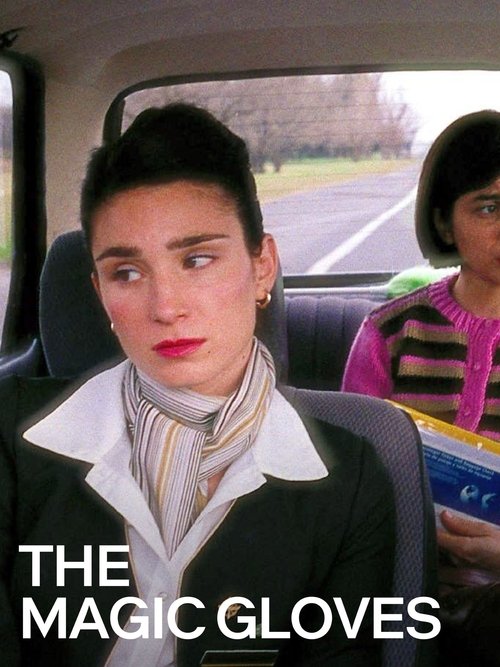
This film follows the crisscrossed fortunes of, among others, a rock musician, a flight attendant, a dog walker with an alarming penchant for over-the-counter medication, and a cab driver, who doesn’t really care about his life spiralling out of control, as long as he can sit in his old Renault 12.
The Magic Gloves

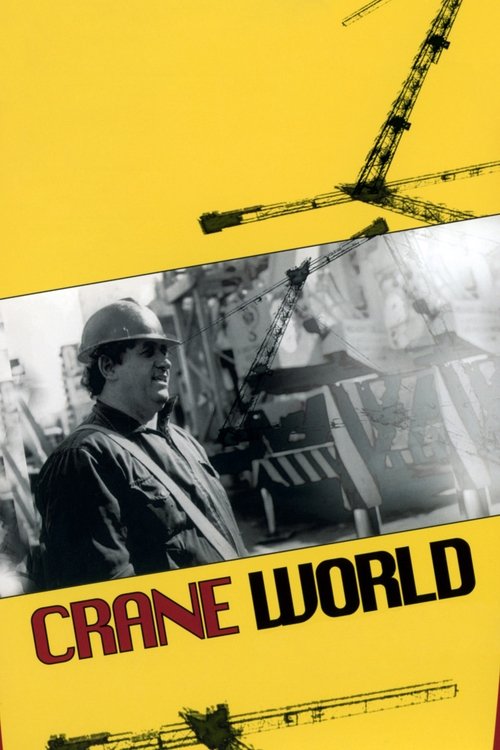
The portrait of a man and his attempts to make things up with life after losing his job.
Crane World

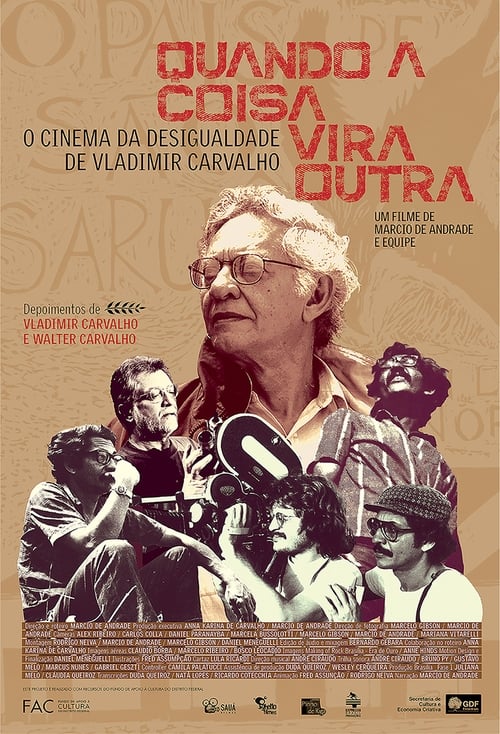
Vladimir Carvalho's Cinema of Inequality marked the documentary filmmaker's trajectory over decades of activity. Considered one of the most important Brazilian documentary filmmakers in activity, his images influenced the emergence of Cinema Novo and the new Brazilian documentary years later. Quando a Coisa Vira Outra covers the most important films made by Vladimir, revealing where ideas come from to show the true reality of a country.
Quando a Coisa Vira Outra

Marcela’s world becomes strange and unfamiliar after her sister Rina dies. She feels lost in her own house, and her relationship with her husband and children seems to suffer. But when Nacho, a young friend of her daughter’s, unexpectedly drops by, she starts to talk and walk with him. Gradually Marcela begins to have conversations with relatives from another dimension.
A Family Submerged

The film brings together the winners of the first edition of the Argentine National Film Board's (INCAA) annual public script competition, the grand prize of which is the budget to produce a short film. Eventually screened in national theaters, the omnibus film gave rise and recognition to a new generation of Argentine filmmakers known collectively as the New Argentine Cinema—a wave of contemporary filmmaking that began in the mid-1990s in reaction to decades of political and economic crises in the country.
Historias Breves 1

A wife tries to leave her village to get away from her abusive husband.
Historias Breves I: Dead King

Victor, who lives abroad, must travel to his country of origin sent by the company where he works and will have only one day to visit his family who will do the impossible to honor him in that short stay. At that time, dramatic turns and touches of humor will occur to deep solemnities, within the traditional and beloved domestic bosom.
Musical Chairs

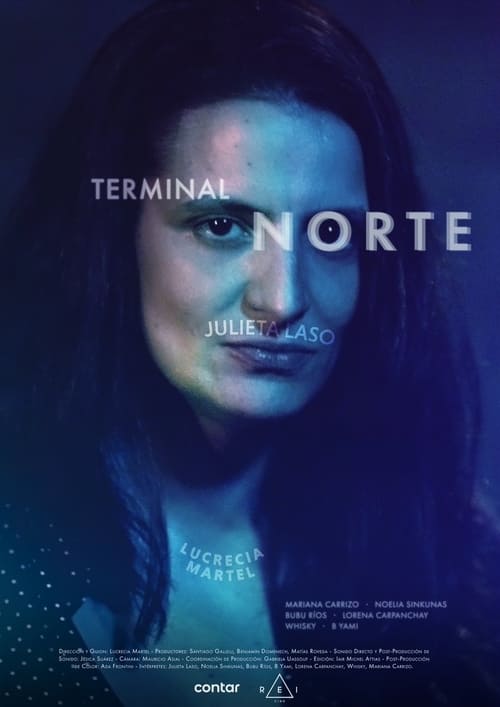
During the 2020 lockdown, Lucrecia Martel returns to her home in Salta, Argentina’s most conservative region. Here she follows Julieta Laso who, like a muse, introduces her to a group of female artists and defiant people who exchange glances and opinions around a fire.
North Terminal
Documentary that gathers the testimonies of more than twenty contemporary Argentine film directors. Through interviews, filmmakers from different generations and tendencies reflect on the craft of directing, creative difficulties, and the challenges of the local industry. The diversity of voices ranges from established figures to representatives of the new Argentine cinema, offering a panorama of the different ways of conceiving and practicing filmmaking.
Directed by...

ZAMA (2017, Lucrecia Martel) didn’t come alone. It brought with her a shooting journal written by Selva Almada –El mono en el remolino– and this documentary by Manuel Abramovich, who, as a sound intruder, captured the meticulous work of the director from Salta and the warm, human, joyful precision.