Mariem Hassan
Sound
Biography
Mariem Hassan was a Sahrawi singer and lyricist. She usually sang in Hassaniya, an Arabic variant spoken mostly in Western Sahara and Mauritania, occasionally singing in Saharan Spanish.
Known For
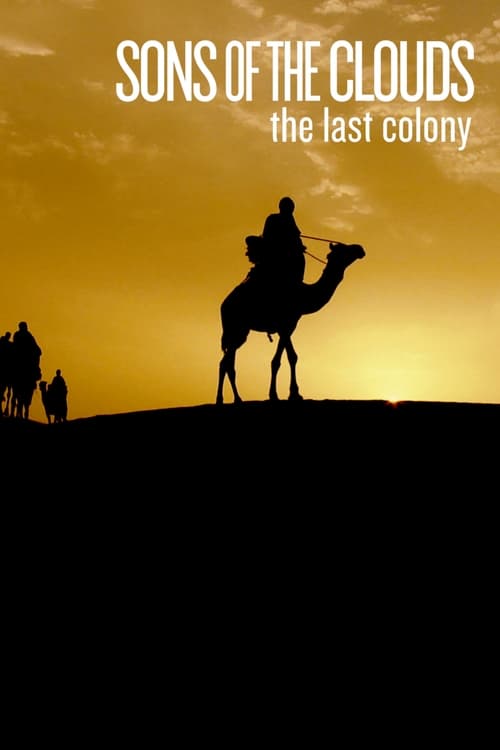
The political upheaval in North Africa is responsibility of the Western powers —especially of the United States and France— due to the exercise of a foreign policy based on practical and economic interests instead of ethical and theoretical principles, essential for their international politic strategies, which have generated a great instability that causes chaos and violence, as occurs in Western Sahara, the last African colony according to the UN, a region on the brink of war.
Sons of the Clouds: The Last Colony
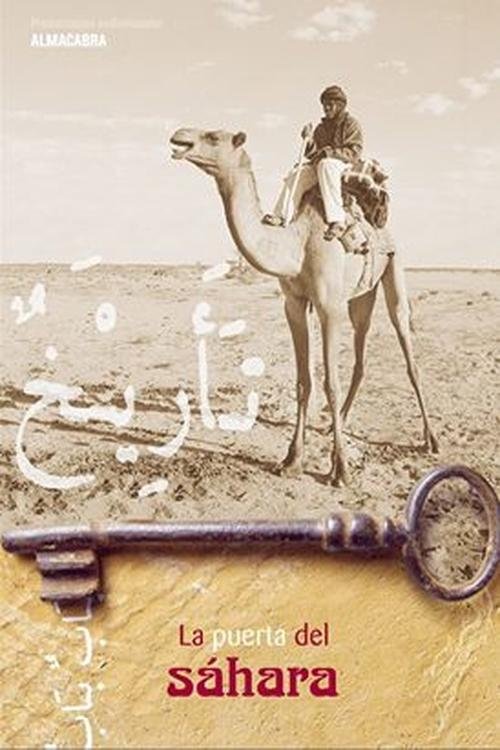
In December 2004, 120 years after it was built by the Spanish, Fort Villa Cisneros, a unifying symbol of tradition and modernity in the history of the Sahrawi people, was destroyed by Morocco, ignoring the voices of those who pleaded for its preservation in favour of respect for the community’s past.
The door of the Sahara
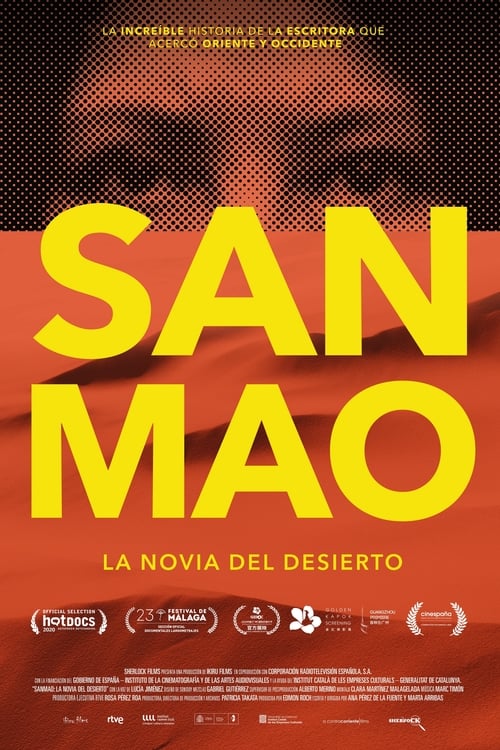
In 1973, Chinese writer Sanmao (Echo Chen Ping, 1943-91) marries Spanish naval engineer José María Quero while living together in the Spanish Sahara. Sanmao recounts her daily experiences in Tales From the Sahara, a book that is a best-selling phenomenon in Taiwan and China. Sanmao then becomes an icon for independent women and the protagonist of a life that takes on legendary overtones: love, adventure, literature and, finally, tragedy.
Sanmao: The Desert Bride
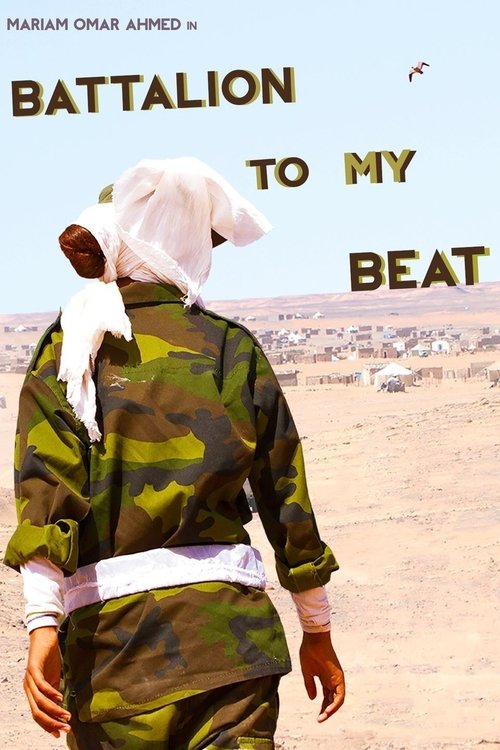
Eager to escape a life of confinement in the refugee camps of Western Sahara in Algeria, Mariam flees into the desert to join the army, naively believing herself to be the Joan of Arc who will save her country from occupation.
Battalion to My Beat
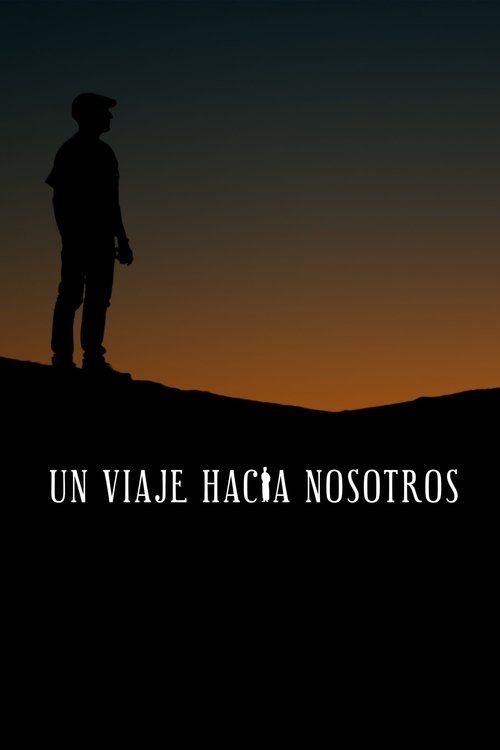
Spanish actor Pepe Viyuela embarks on a personal journey on the trail of his grandfather Gervasio, a soldier in the Republican Army during the Spanish Civil War.
Un viaje hacia nosotros
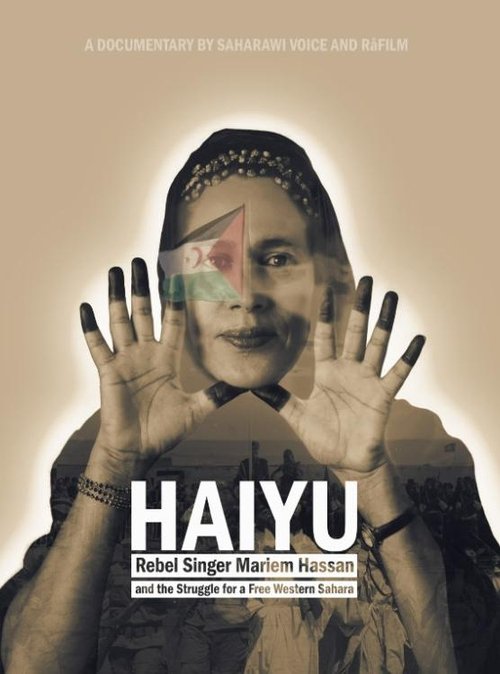
HAIYU interweaves Mariem Hassan’s music and her personal quest for her country’s independence with larger historical events dating back to the region’s Spanish colonisation, and subsequent occupation by Morocco.
HAIYU: Rebel Singer Mariem Hassan and the Struggle for a Free Western Sahara
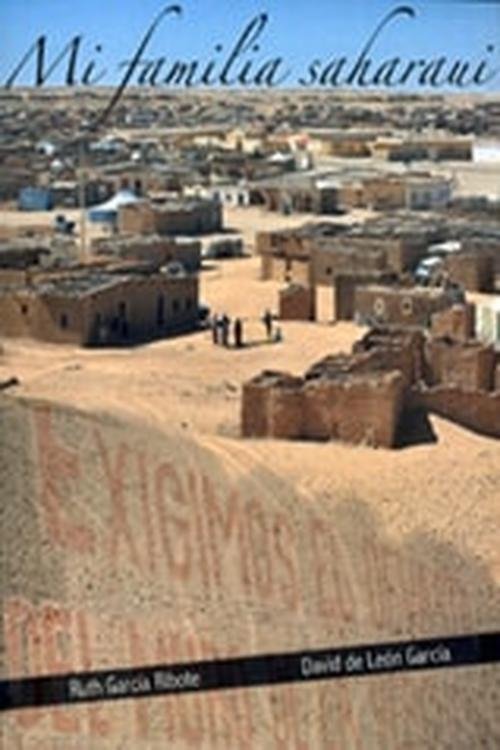
My Sahrawi family' is a report - documentary that reflects the bonds of unity between Sahrawi families and Spanish families who every summer welcome minors from refugee camps into their homes.
My Sahrawi family
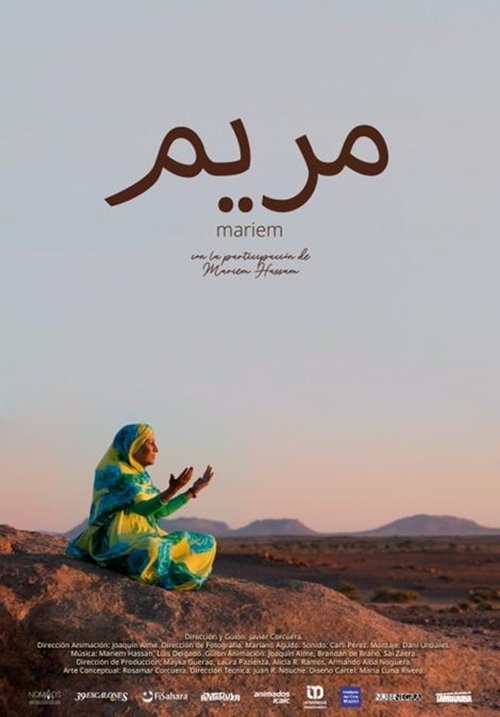
Mariem Hassan, Sahrawi refugee, composer and Western Sahara's most emblematic singer, died of cancer in 2015. Soon before her passing, Mariem returned to the liberated territories of her homeland, where she had spent her childhood. There, she told us her story and sang for the last time. This film pays tribute to her last testimony and her art.
Mariem
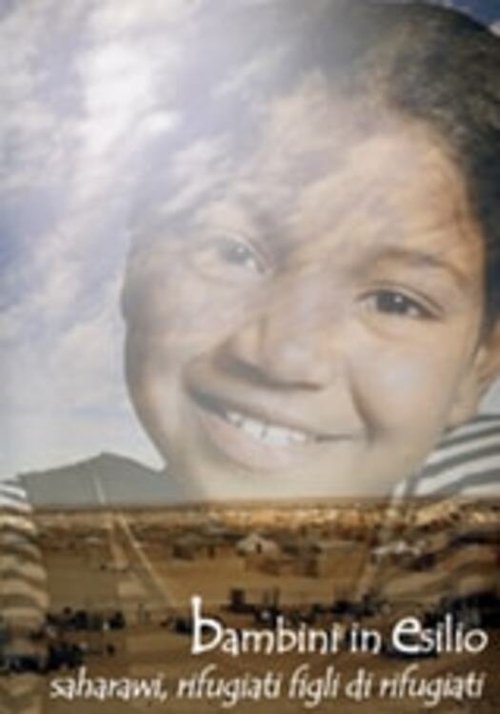
Refugees in Algeria since 1975, the Saharawi have had to forge another life path, fighting to return home. Their children, a generation born in exile to parents born in exile, tell the story and struggle of their people, the Saharawi, through their dreams, hopes, and strength.
Children in exile: Sahrawi, refugees children of refugees
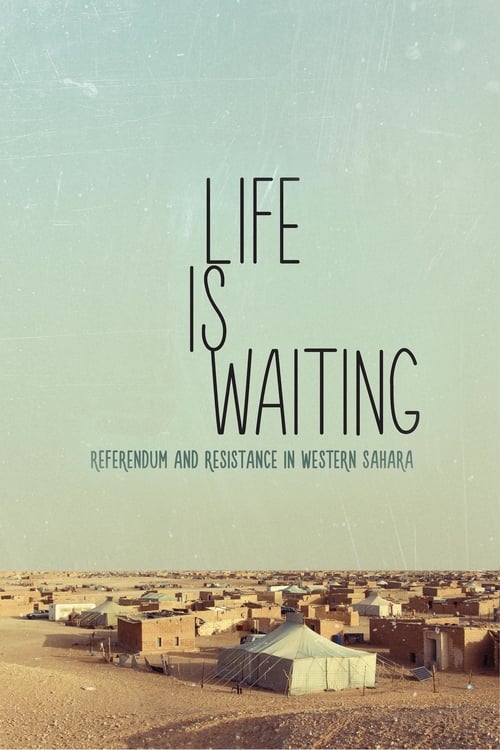
Forty years after its people were promised freedom by departing Spanish rulers, Western Sahara remains Africa's last colony. This film chronicles the everyday violence experienced by Sahrawis living under Moroccan occupation and voices the aspirations of a desert people for whom the era of colonialist never ended.
Life is waiting: referendum and resistance in Western Sahara
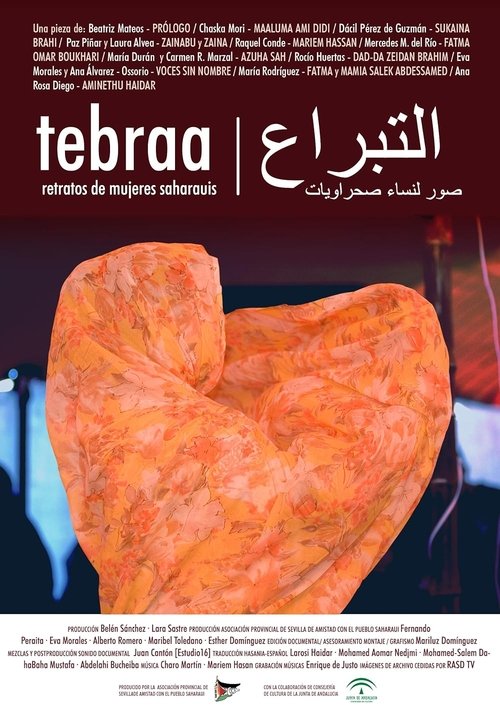
Tebraa is the song of the women of the Sahara desert. Songs of love or lamentation that they sing when they are alone. This collective documentary made by a group of Andalusian women tells the life and injustices that Sahrawi women experience in the adverse conditions of exile and in the occupied territories of Western Sahara.
Tebraa, portraits of Sahrawi women
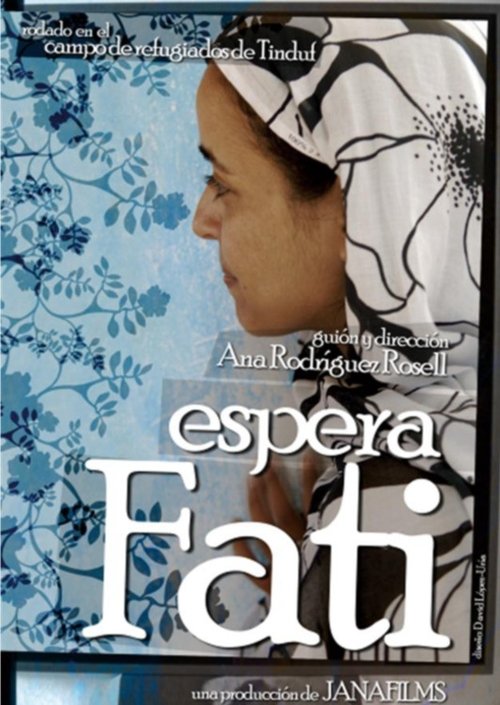
The story of a Saharan family as it celebrates a wedding in the Tindouf refugee camp. The wedding is both the reason and the starting point for getting to know the members of this family who have reached a point where they must make important decisions.
Wait, Fati!
Two women of different generations struggle for survival, happiness, and freedom in barren desert refugee camps. Here, the displaced people of Western Sahara have rebuilt life after fleeing from Morocco's brutal occupation from their homeland, and continue to cry out for justice. Najla and Agaila's different relationships to their cause reflect their personal narratives, revealed and explored with an intimate approach.
Cast in sand: Najla and Agaila
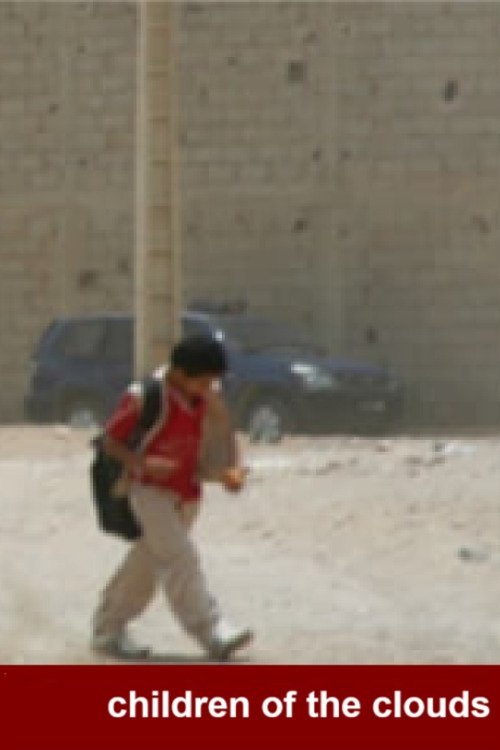
In May 2005, after 30 years of Moroccan occupation, Saharawi students initiated a series of peaceful demonstrations demanding their right to the United Nations-mandated referendum on Western Saharan independence. The Moroccan authorities responded with a brutal campaign of repression, detaining and torturing human rights activists as well as Saharawi students and children as young as eight years old.
Children of the clouds
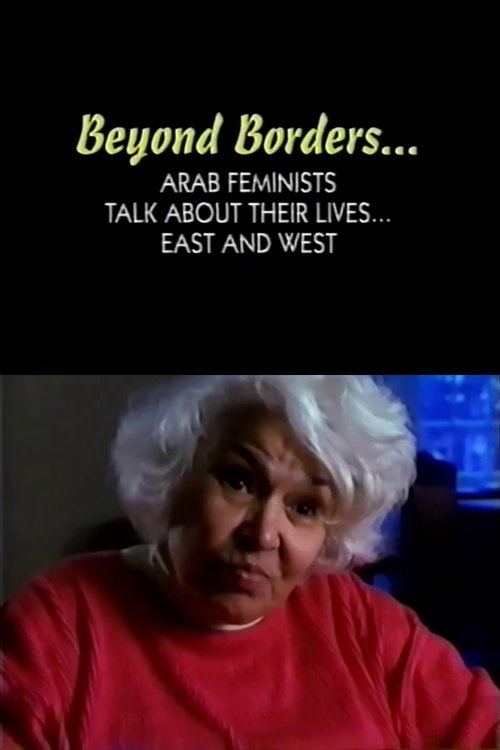
In the Arab world, women are fighting a two-front war against repressive internal constraints and intrusive Western interference. In this program, a feminist delegation composed of author Nawal Saadawi and other renowned activists from the Middle East and North Africa gathers at the UN, on college campuses, and in church basements to speak out about deterioration of women's rights in the Arab states in an effort to heighten awareness of the Arab feminist struggle for equality--and the effects of U.S. foreign policy on their efforts.
Beyond Borders: Arab Feminists Talk About Their Lives... East and West
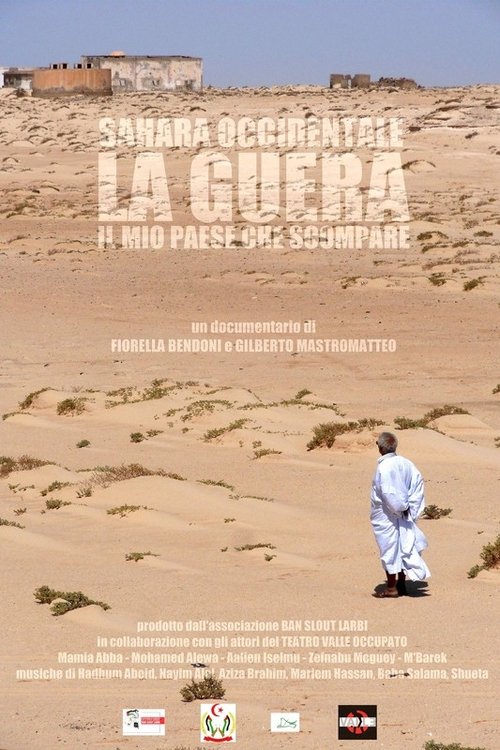
Mohamed lives in Nouadhibou, in Mauritania. But he can always see the ghost of his former town in front of his eyes. Aalien, the postman, fled to refugee camps in Tindouf, Algeria. But he's still thinking about the houses and the streets where he used to deliver letters. Zeinabu, in Tenerife, looks at the Ocean from her terrace. She looks in the direction of La Güera, her town that no longer exists. The stories of the inhabitants of a "ghost town", located on the border between Mauritania and the Sahrawi Arab Democratic Republic (Sadr). The destiny of a forgotten land hidden under the sand. "La Güera, my forgotten land" is a 29 minutes documentary, which tells the story of this city and, through it, the story of a whole people.
La Güera, my forgotten land
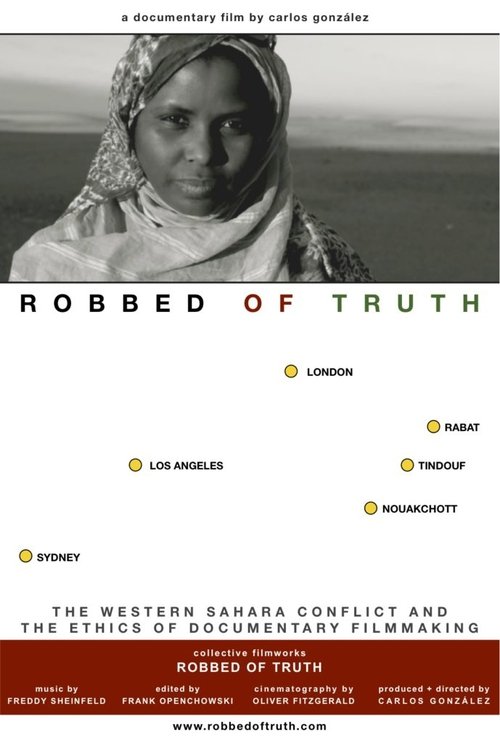
This is the true story of Fetim Salam, a Saharawi refugee falsely portrayed as a slave in the Australian documentary 'Stolen'. Australian filmmakers, Violeta Ayala and Daniel Fallshaw, travel to the Saharawi refugee camps in Tindouf, Algeria in 2007 and claim to discover 20,000 slaves in the camps run by the independence movement Polisario Front. Refugees are outraged for being portrayed as slaves, and humanitarian aid workers are incredulous about these allegations as they know the camps intimately. Filmmaker Carlos Gonzalez retraces their steps in search of the truth and finds a web of lies, misinformation and Moroccan operatives reshaping the truth.
Robbed of Truth
An approach to Sahrawi culture, different aspects of daily life, culture and the struggle of the Sahrawi people in the Sahrawi refugee camps in Tindouf, Algeria, and in the area of the liberated territories of Tifariti.
Sahrawis, the eyes of the desert
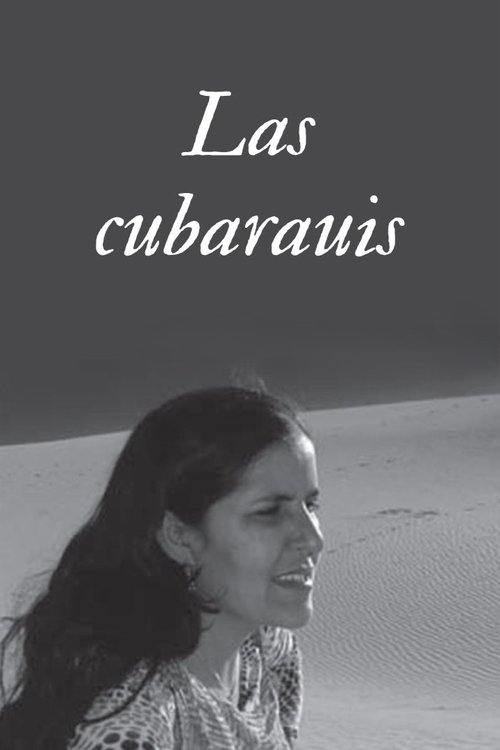
Muslim women who leave the camps as teenagers to study in Cuba. After over a decade living in the land of salsa, they return to the desert... how will their new spirit adapt to Islamic precepts? What reasons do they have for leaving Sahara at such a young age? What is their reason for returning?
The Cubarawi women
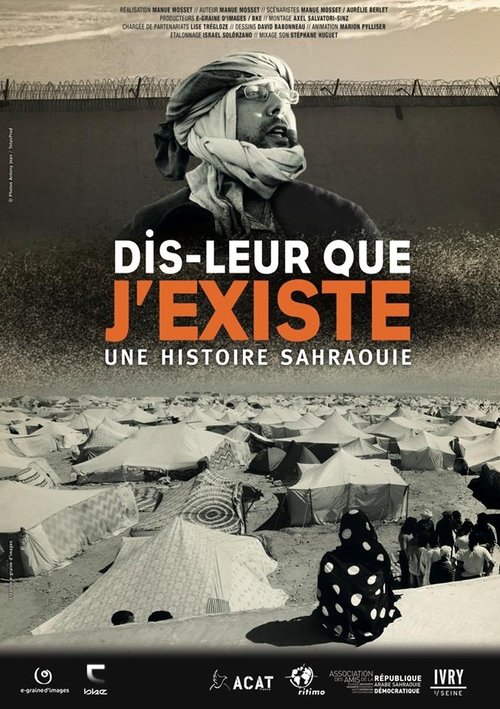
Tell them I exist paints the portraits of Naâma Asfari, a Sahrawi jurist and pro-independence activist sentenced to 30 years detention in Morocco; and of his wife, Claude Mangin, who from prison visits to diplomatic meetings, from filing complaints for torture to shows of support, continues to mobilize and raise awareness of the situation in Western Sahara, and of the fate of her husband, in the hope of his release or at least a new and fair trial.