Tomoko Takeda
Acting
Known For

The background to and depiction of a watershed battle in Japanese history, at Sekigahara in 1600, when Tokugawa Ieyasu's Army of the East defeated the Army of the West of Ishida Mitsunari. The story includes the intrigues and shifting loyalties of the various retainers, family members, and samurai.
Sekigahara
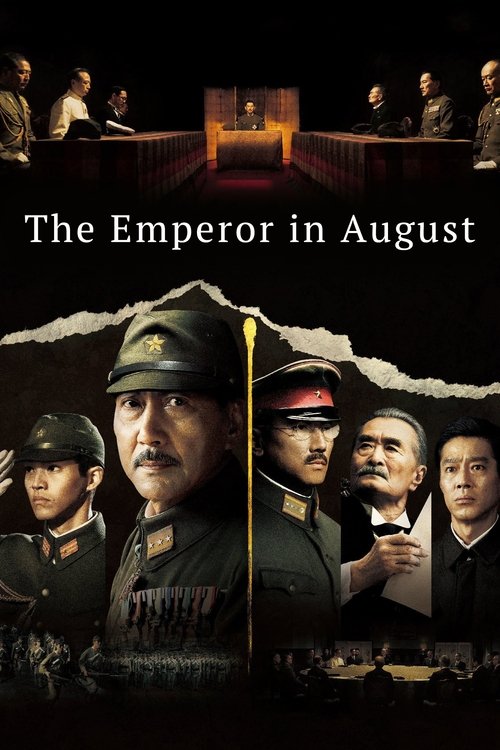
In July 1945, during the end of World War II, Japan is forced to accept the Potsdam Declaration. A cabinet meeting has continued through days and nights, but a decision cannot be made. The U.S. drops atomic bombs on the cities of Hiroshima and Nagasaki, Japan. General Korechika Anami is torn over making the proper decision and the Emperor of Japan worries about his people. Prime Minister Kantaro Suzuki leads the cabinet meeting, while Chief Secretary Hisatsune Sakomizu can't do anything, but watch the meeting. At this time, Major Kenji Hatanaka and other young commissioned officers, who are against Japan surrendering, move to occupy the palace and a radio broadcasting station. The radio station is set to broadcast Emperor Hirohito reading out the Imperial Rescript on the Termination of the War.
The Emperor in August

Kakekomi tells the stories of Edo women in the 1800s that escape abusive husbands and lovers by taking refuge in Tokeiji, a monastery in Kamakura.
Kakekomi
Shinya has lost his job and should be looking for work, but he's procrastinating, much to the dismay of his younger sister Chika, who lives with him. He even goes to a job placement agency, but he just can't find a job. Where is Shinya heading?...