Ruth de Souza
Acting
Biography
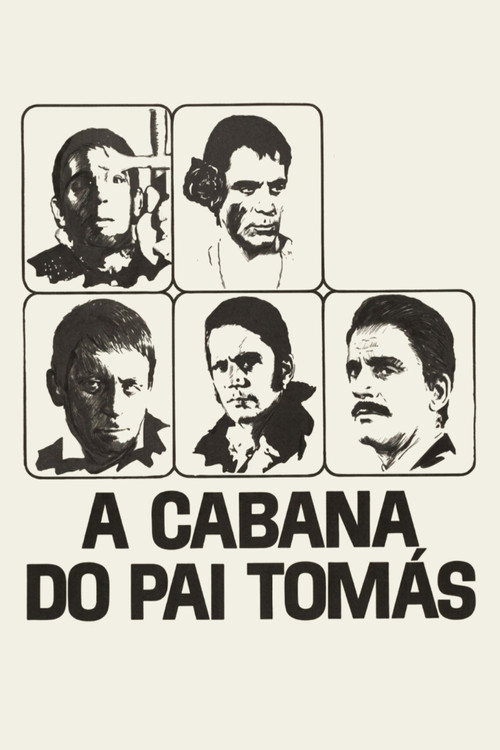
Ruth Pinto de Souza was considered one of the great ladies of Brazilian dramaturgy and the first great reference for black artists on television for her notable roles. Ruth stood out for being the first black actress to star in a soap opera on Rede Globo in A Cabana do Pai Tomás (1969) — and the second on Brazilian television, after Yolanda Braga, in A Cor da Sua Pele (1965) on TV Tupi — in addition to being the first Brazilian artist nominated for the best actress award at an international film festival, for her work in Sinhá Moça (1954) at the Venice Film Festival.

Known For

Human cloning. The Islamic world. Two young people, two different cultures, two different beliefs. An impossible love story that not even time could erase. During a trip to Morocco, Lucas has a forbidden romance with Jade. He returns to Brazil after the death of his twin brother Diogo. A close family friend, scientist Albieri uses this situation to produce the first human clone using cells taken from Lucas. Twenty years later, Jade, Lucas and his clone form an odd love triangle.
The Clone

Eloá and Osmar's marriage is thrown into crisis when a mysterious man crosses their path. With a thirst for prestige and power, Eloá will face the consequences of her ambition.
Corpo a Corpo

No description available.
Rainha da Sucata

No description available.
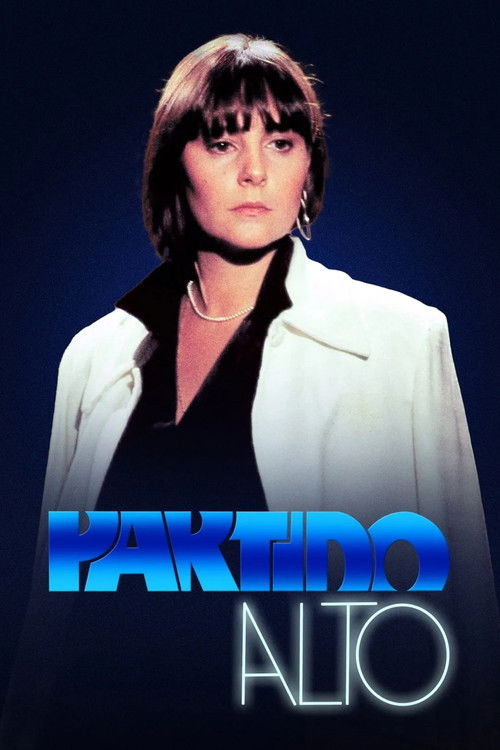
Partido Alto

No description available.
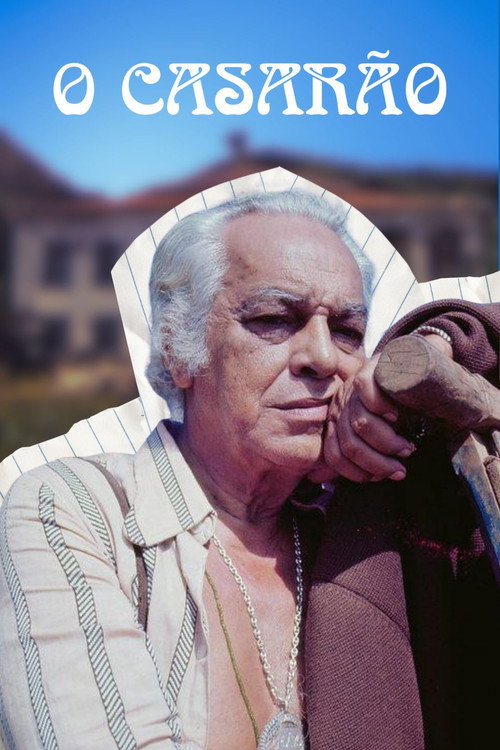
O Casarão

No description available.
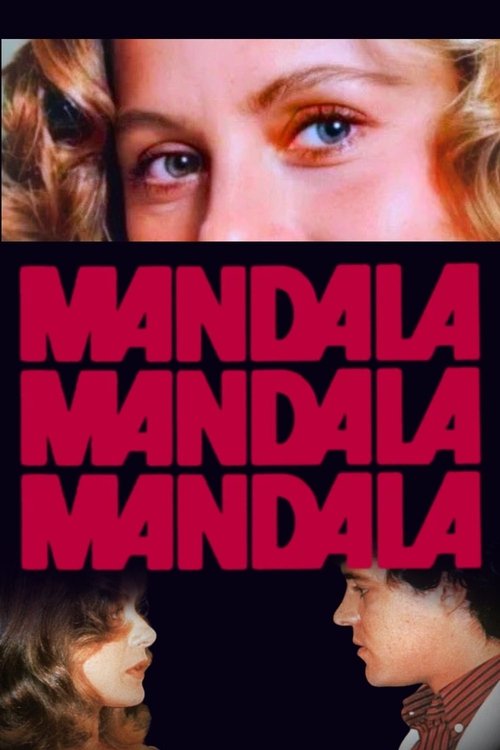
Mandala

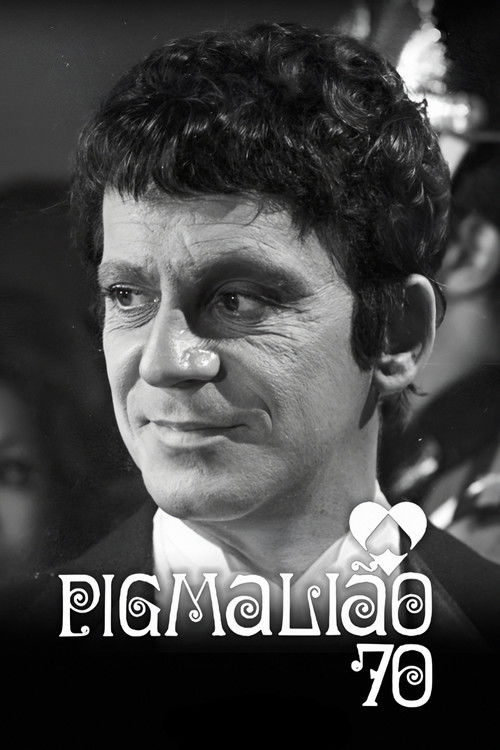
The soap opera told the story of Fernando Dalba, or Nando, a fruit vendor who works with his mother, the Baroness, and his friends Gino and Guiomar. His life changes after he meets the wealthy widow Cristina Guimarães, owner of a beauty salon, who decides to teach him how to behave like a man of high society. Cristina's intention is to win a bet, but she falls in love with Nando, who is engaged to Candinha.
Pigmalião 70

No description available.
Duas Vidas

Monarchists and Republicans confront themselves in Araruna, a small town in the interior of São Paulo, in 1886, two years before the promulgation of the Golden Law. Sinhá Moça's love story, daughter of Colonel Ferreira, Baron de Araruna, and a slave-boy, with the young Dr. Rodolfo, an active Republican abolitionist, faced with the difficulties of the campaign for the abolition of slaves. The two meet on the train, when Sinhá Moça, after completing her studies in the provincial capital, returns to Araruna. Like Rodolfo, she has abolitionist ideas and criticizes her father's attitudes, fighting for the defense of blacks. Sinhá Moça, together with Rodolfo and other abolitionists, invade the slave quarters at night and liberate the blacks, giving them to the abolitionist associations, which guide them towards freedom.
Sinhá Moça

The life of the German noble family von Guldenburg.
The Legacy of Guldenburgs

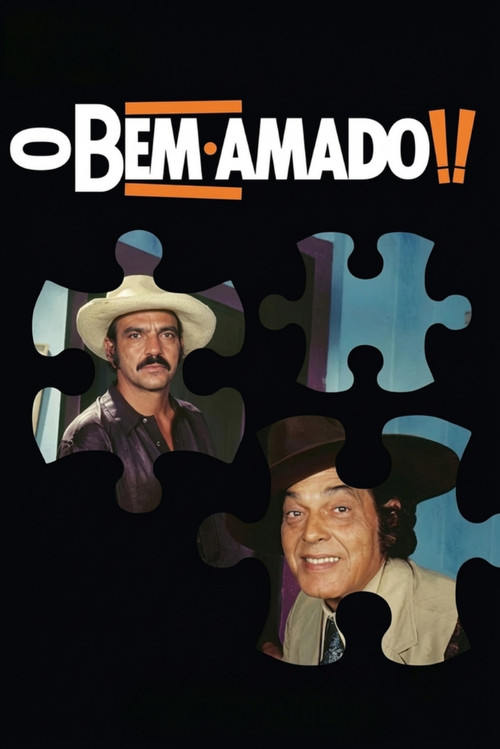
O Bem-Amado is a Brazilian telenovela that first aired on Rede Globo in 1973. It is based on a play by Dias Gomes called Odorico, o Bem-Amado ou Os Mistérios do Amor e da Morte, written in 1962. It was the first Brazilian color telenovela. It was shot in Rio de Janeiro. Broadcast by Rede Globo between January 22 and October 3, 1973.
O Bem-Amado

No description available.
Verão Vermelho

No description available.
Assim na Terra Como no Céu

No description available.
Sinal de Alerta

No description available.
Os Ossos do Barão

No description available.
O Grito

Cláudia returns to her rural hometown in order to take revenge for the murder of her family a long time ago. She believes that the Flores family committed the crime and tries to destroy them....
Wildcat

No description available.
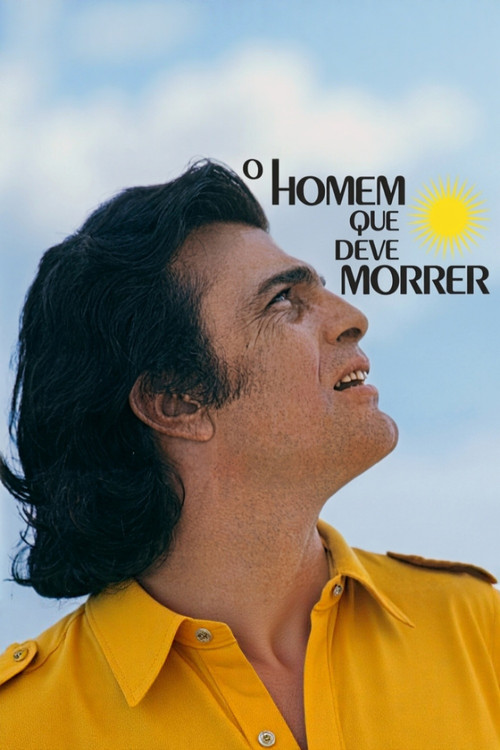
O Homem Que Deve Morrer

No description available.
O Rebu

No description available.