Directing
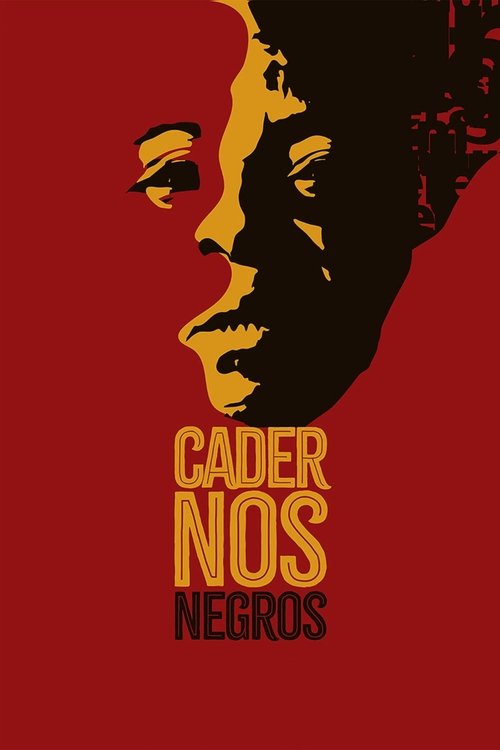
In 1978, young Black people gathered at CECAN in São Paulo and created Cadernos Negros. The publication has featured over 300 authors. In 1980, the group formed the Quilombhoje collective. Since then, the series has alternated between poetry and short stories, expanding the visibility of Black Brazilian literature.
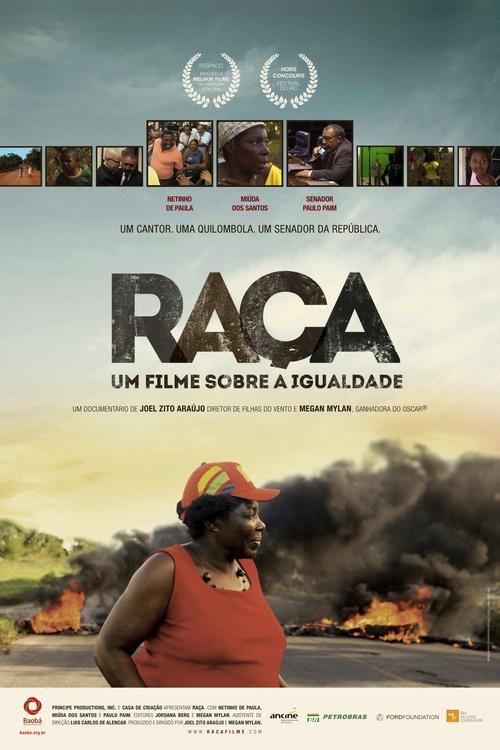
Documentary on ethnic relations in Brazil.
Around 900 thousand people are trafficked a year for international borders only for sexual exploitation. However, despite all the dangers, young Brazilian women to enter the world of sex tourism, believe that they will change their lives and their dream of finding a Charming Prince. A minority find a great love and get married. The film goes from the Brazilian Northeast to Berlin seeking to understand the sexual as well racial imaginary and power of young southern Cinderellas and northern wolves.
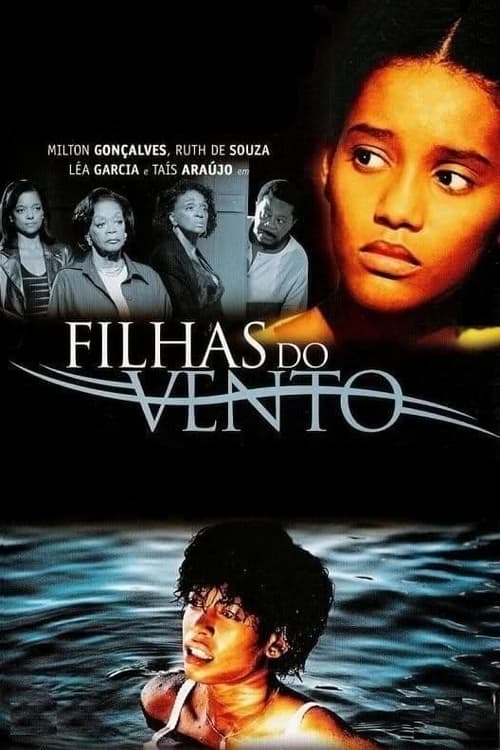
In a small town in the State of Minas Gerais, Brazil, two sisters meet again after years apart.
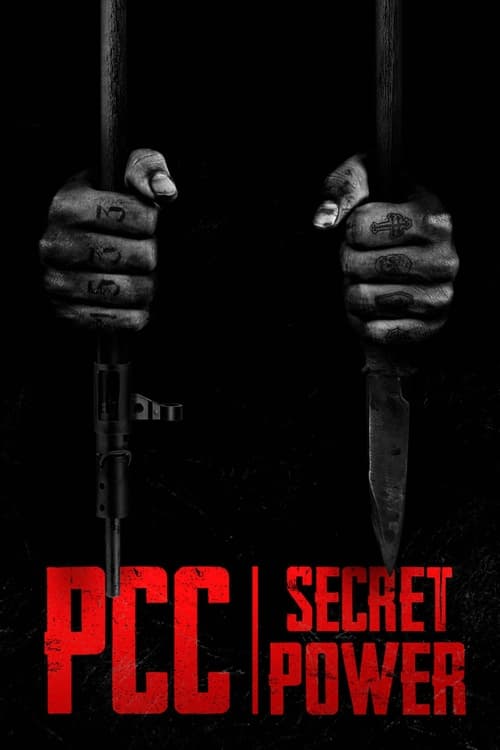
A piercing four-part docuseries exploring the rise of Brazil’s largest crime organization, Primeiro Comando da Capital – better known as the PCC. The First Command of the Capital (PCC) holds the hegemony of crime in São Paulo, but also an international presence. Narrated by the "brothers", the secret of the PCC's power is revealed in its structure: a masonry of crime, implacable in your ideals.
No description available.
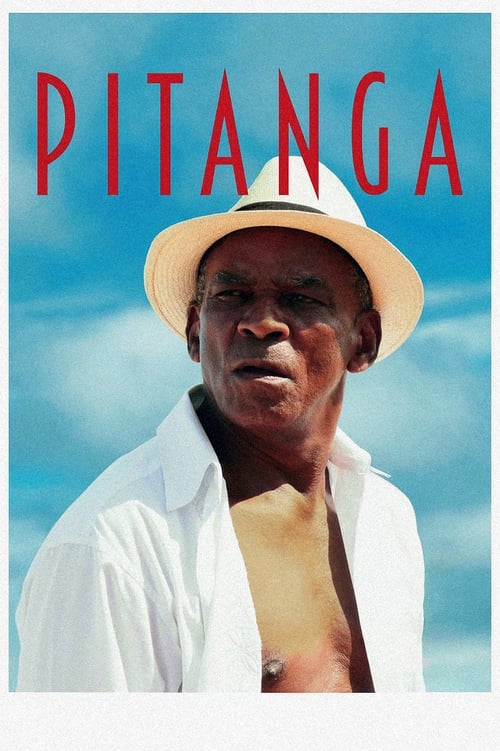
This documentary investigates the aesthetic, political and existential trajectory of emblematic Black Brazilian actor Antônio Pitanga. His career spans over five decades, and he has worked with iconic Brazilian filmmakers Glauber Rocha, Cacá Diegues and Walter Lima Jr. He was a prominent figurehead and outspoken activist during the Brazilian dictatorship, a period of unrest in Brazilian cinema. "Pitanga" deep dives into the world of Antônio and the history of Brazil. The documentary was directed by his daughter Camila Pitanga, one of widely recognised faces in Brazilian television and cinema right now. The film is also a poem, and a tender ode to fatherhood.
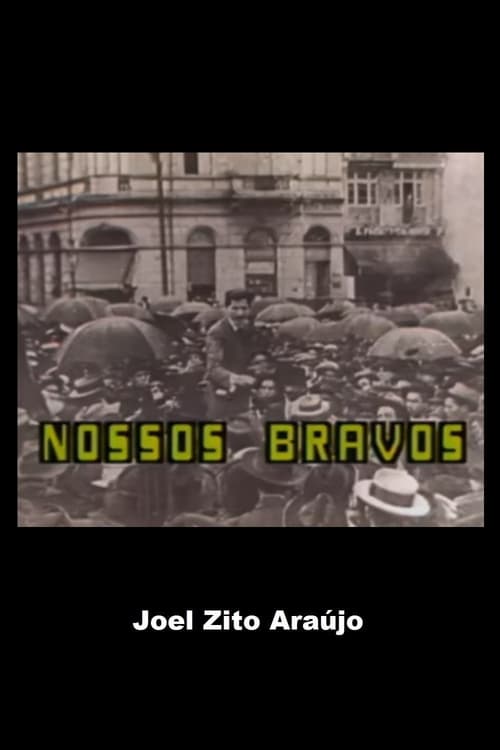
Docudrama on labor mobilizations in the beginning of the 20th century in Brazil, led by union organizations with anarcho-socialist influence. Using fictional resources and historical archives, the film reconstructs an important part of the memory of Brazilian unionism and its biggest strikes, establishing a dialogue between different working generations.
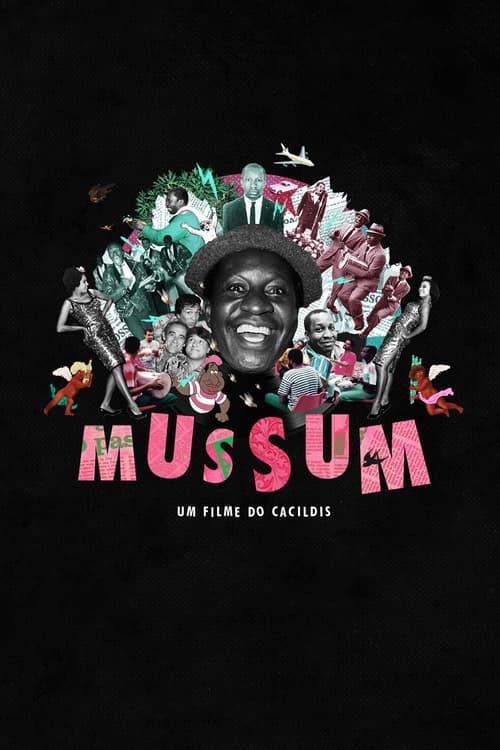
The trajectory of musician and comedian Mussum as vocalist of the group "Os Originais do Samba" and later in cinema and TV as a member of "Os Trapalhões", a group that revolutionized the way of making humor on Brazilian television.
Prepared by the team of the Program for Training Black Researchers, The video brings together images and voices that talk about the reproductive health of black women, diseases taking into account the racial/ethnic background, habits, customs, the physical and social environment and the inhuman conditions imposed by racism.
"Vista Minha Pele" is an amusing parody of Brazilian reality. It serves as basic material for discussing racism and prejudice in the classroom. In this inverted story, blacks are the ruling class and whites were enslaved. Poor countries are Germany and England, while rich countries are, for example, South Africa and Mozambique. Maria is a poor white girl who studies at a private school thanks to the scholarship that she has due to the fact that her mother is a cleaning lady at this school. Most of her colleagues are hostile to her, because of her color and social status, with the exception of her friend Luana, the daughter of a diplomat who, having lived in poor countries, has a more comprehensive view of reality.
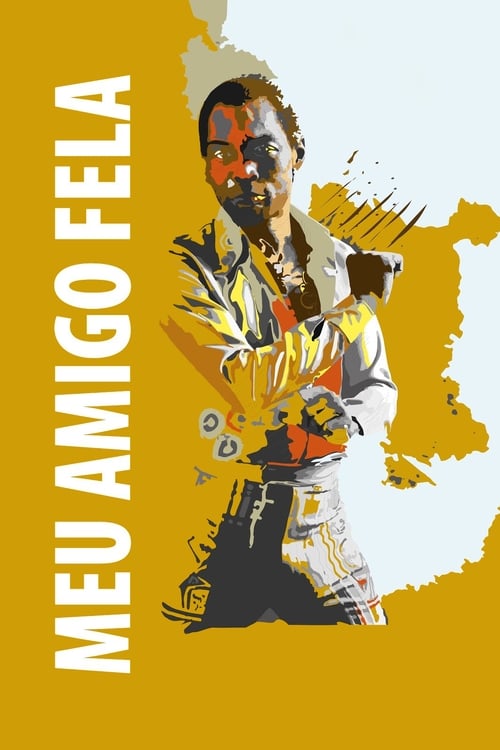
Most often portrayed as an eccentric African pop idol of the ghetto, Fela is rarely presented as the strong political leader he was. Through the eyes his close friend and official biographer, the African-Cuban intellectual Carlos Moore, this documentary is devoted to unravel the complexity of Fela’s life. As the story unfolds, it reveals the glories and tragedies that shaped the lives of the pan-African generation as well as Fela's.
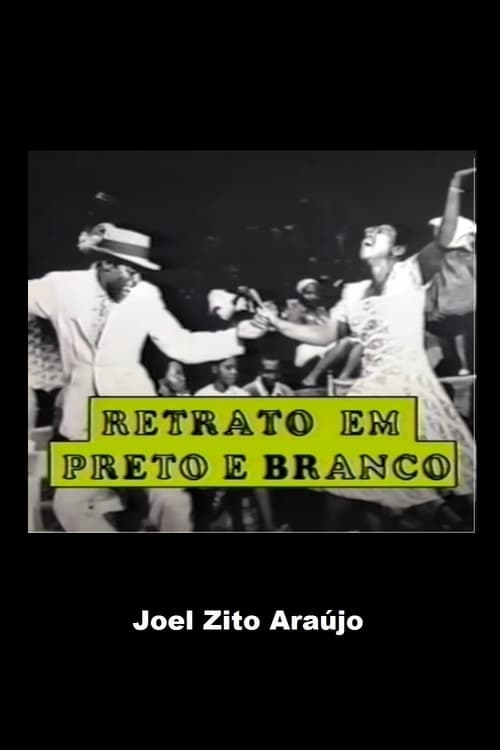
The existence of racial discrimination did not prevent the affirmation of the black community in the urban space of São Paulo. Members of the black community, in intimate accounts, tell their origins, life trajectory, dreams, anxieties and how they see the situation of blacks, 102 years after the supposed abolition of slavery. Black women and men continue to have to fight for minimum rights and recognition of existence. Black resistance is an example of the struggle of oppressed peoples.
A documentary film about the taboos, stereotypes, and struggles of black actors in Brazilian television "soaps". Based on his own memories and on a sturdy body of research evidence, the director analyses race relations in Brazilian soap operas, calling attention to their likely influence on Brazilian African-Americans' identity-forming processes.
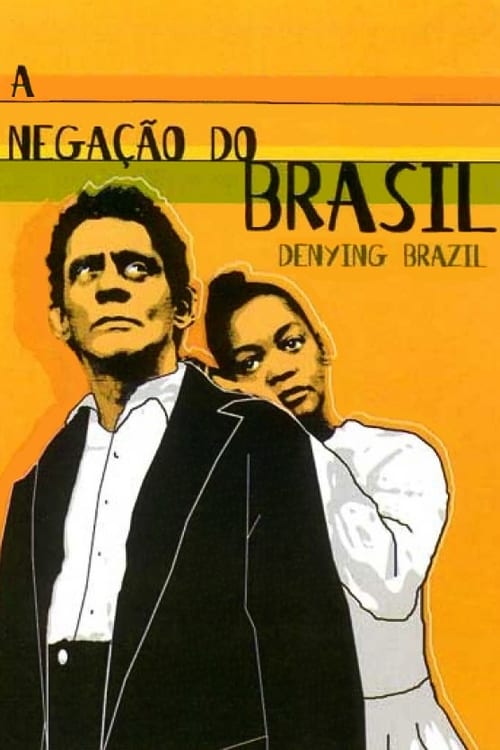
The documentary is structured as a video letter from a black man denouncing the persistence of racism in Brazilian society and media, a century after the official end of slavery. Thus, it presents the contradictions between two images of racial relations in Brazil: the image disseminated abroad, which spreads the myth of racial democracy, and the internal image, presented in textbooks and on television, in which negative stereotypes are perpetuated against the black population.
The film investigates how allegations of racism are handled by the Brazilian justice, reporting the unprecedented story of persistence and dignity of a black man: Vicente do Espírito Santo became an exceptional case for being the first victim of racism to break the siege and arriving victoriously at the Superior Labor Court and at Rede Globo's prime time.
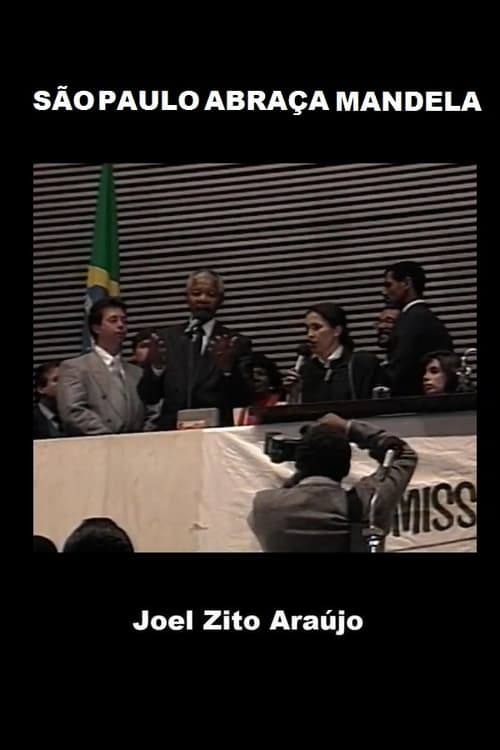
Documentary about Nelson and Winnie Mandela's visit to the city of São Paulo, recording their encounter with the black community and social movements active in the city. The film shows the official reception and the importance of their presence in the process of recognizing the role of Afro-Brazilians in the formation of the country.
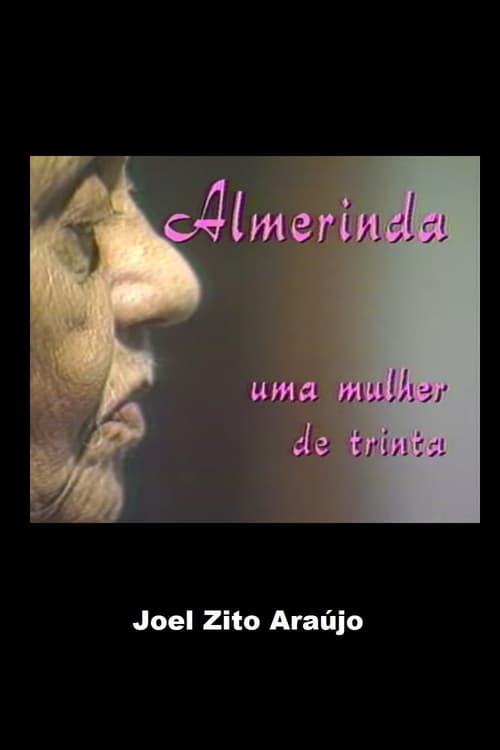
Rescue of the life story of feminist activist from the 1930s, Almerinda Farias Gama, participant in the struggle for the right to vote for women in the 1934 Constitution, and activist of the Brazilian Federation for Female Progress, together with Bertha Lutz.
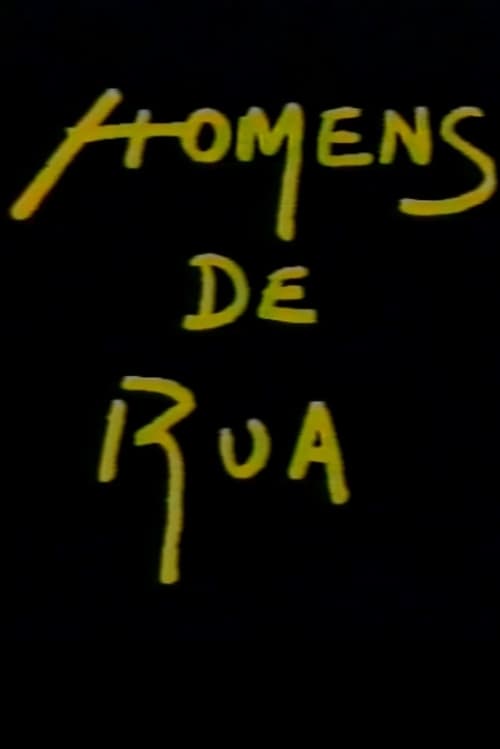
The film is close to the experiences of men and women forced to survive on the streets of São Paulo in the early 1990s, a time of deteriorating living conditions for workers, high unemployment and increasing urban poverty. Between approaching the problem as something structural and a sensitive look at the characters, the documentary portrays the lives of people who lost their work, distanced themselves from their affections and saw their identity disintegrate.