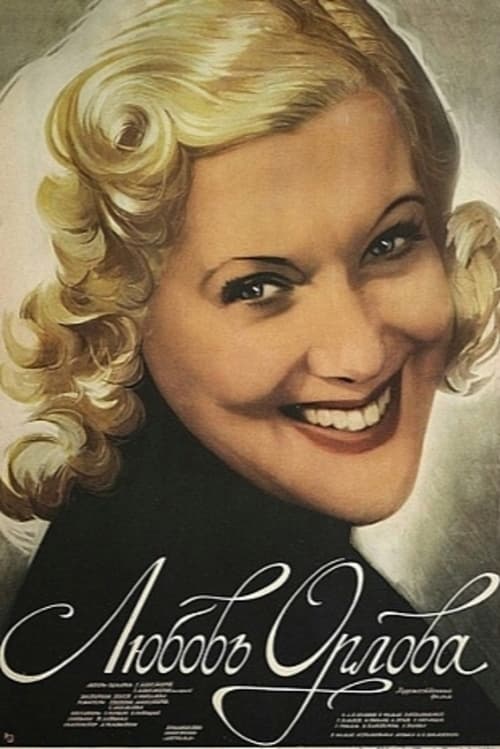
Lyubov Orlova
Acting
Biography
Lyubov Petrovna Orlova (11 February 1902 – 26 January 1975) was a Soviet and Russian actress. Description above from the Wikipedia article Lyubov Orlova, licensed under CC-BY-SA, full list of contributors on Wikipedia.
Known For

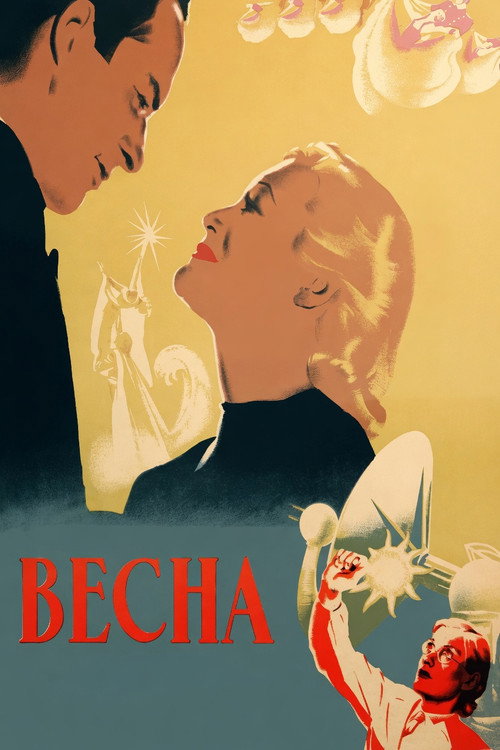
A drab woman scientist, working on machine to harness solar energy, and a pert concert singer look-alike being courted to play her in a movie swap identities and find personal growth, professional success, love, and happiness.
Spring

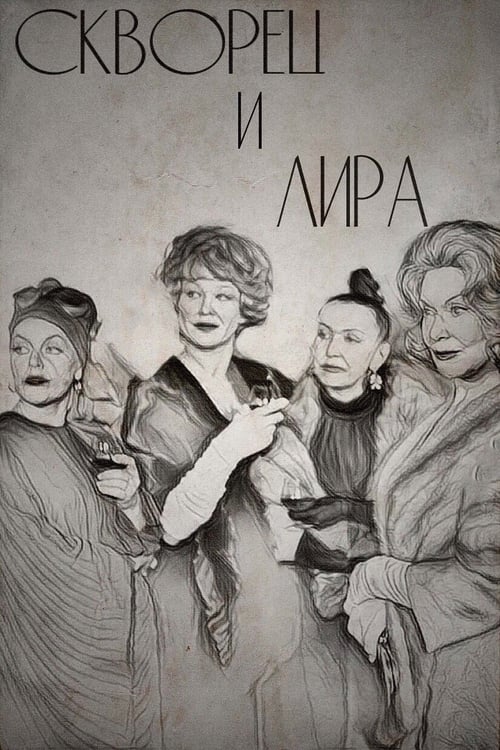
Soviet intelligence spouses — Lyudmila ("Lyre") and Fyodor ("Starling") Grekov at the beginning of the Great Patriotic War are tasked with settling in Germany. Personnel intelligence officers with vast experience are successfully introduced into German society and begin to work actively. At the end of the war, during the bombing of Berlin, fate separates them, but then they will meet in the new Germany and continue their work.
Starling and Lyre

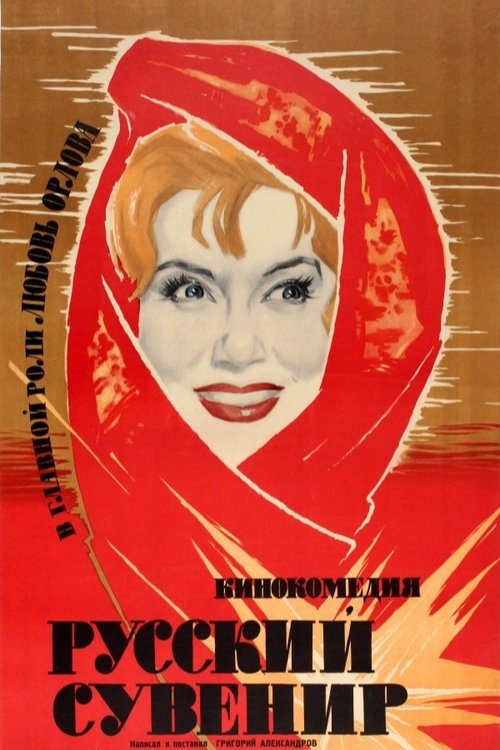
The end of the 1950s. The Chinese passenger plane, following the Beijing-Moscow flight, enters a thunderstorm and makes an emergency landing in the Baikal region. In addition to the Soviet citizen Varvara Komarova, all other passengers are foreigners. Using a stop, they explore new cities and get acquainted with the life, work and rest of Soviet people.
Russian Souvenir

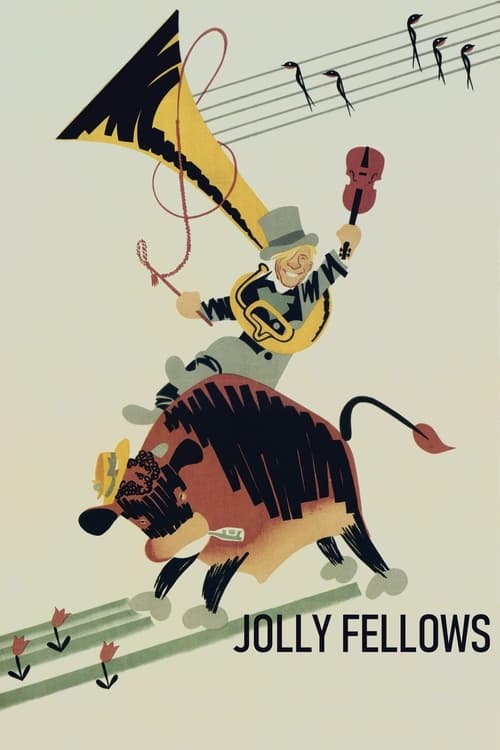
Merry Fellows was the first Soviet musical comedy. Set in Odessa and Moscow in the 1930s. Shepherd Kostya Potekhin is mistaken for an international concert star. He falls in love with Anyuta and plays the "star" for her. In a cascade of comic musical numbers he becomes the leader of a Jazz-Band and gives a hilarious show at the Odessa Music Hall. Now he is destined to perform at the Bolshoi Theatre in Moscow.
Jolly Fellows

Widely claimed to be Joseph Stalin's favorite movie, this classic musical comedy is a must-see. The action takes place on a steamboat on the iconic Volga River, as two groups of performers travel to Moscow to perform in the Moscow Musical Olympiad.
Volga - Volga

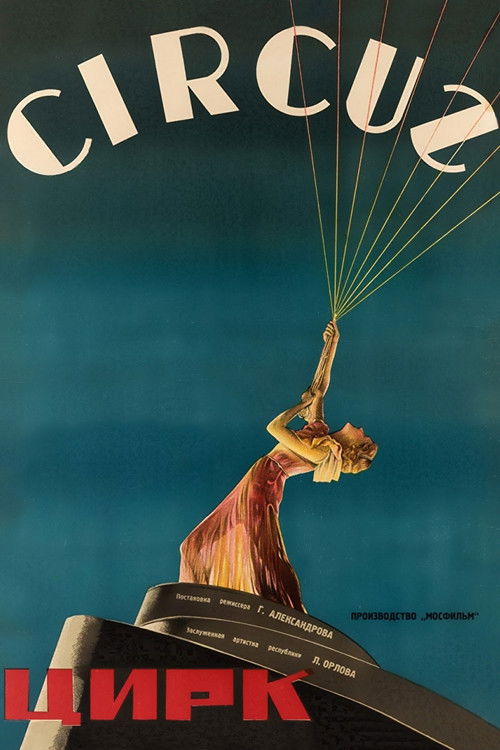
An American circus performer finds herself the victim of racism after it is revealed that she's the mother of a mixed-race child. In the midst of the public scandal, she finds happiness, love, and refuge in the USSR.
Circus

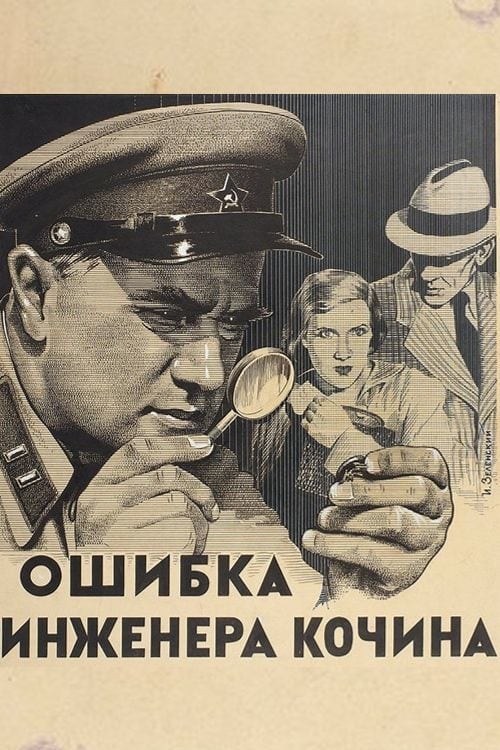
Engineer-designer of the Moscow aviation plant Cochin took the secret blueprints home. He didn't know that foreign intelligence had long been hunting for these blueprints...
Engineer Kochin's Error

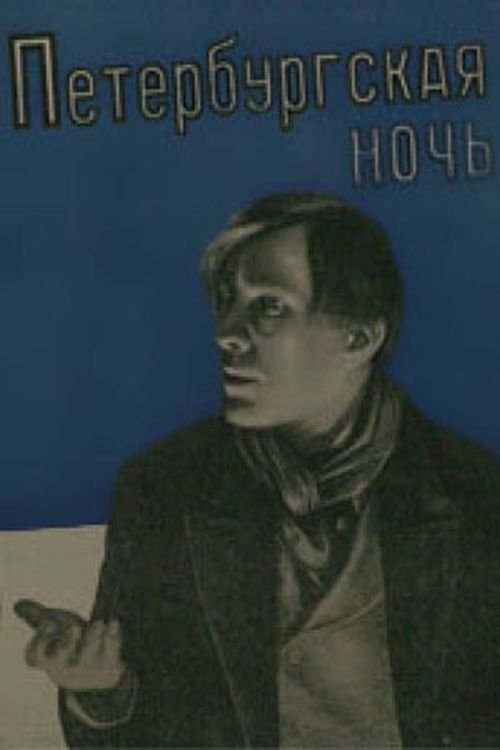
A loose Communist adaptation of a Dostoyevsky novel. The serf Egor Efimov, a talented violinist, dreams of true art. Released by his landlord, he goes to the capital. But cold, bureaucratic St. Petersburg quickly destroys his illusions.
Petersburg Nights

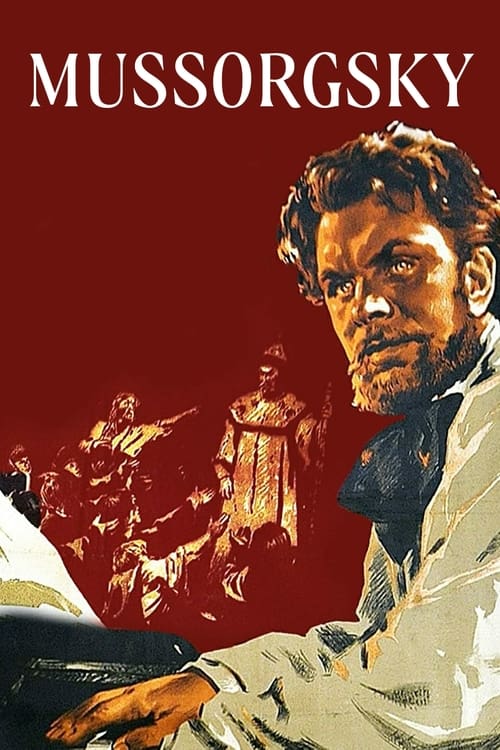
Saint Petersburg, 1858. A group of composers known as The Five meet at Balakirev's. Young Modest Mussorgsky, both a civil servant and a musician, has become a fixture there. He tells about the first opera he plans to compose. Then he goes to the country where he discovers the lowly conditions of the peasants and the bloody conflicts with the rich land owners. He works on Gogol's 'The Marriage', trying to render into music the natural accents of the play's naturalistic dialogue. But his efforts do not pan out. On the other hand, he starts writing his opera on the story of Boris Godunov. The Marinsky Theatre refuses to stage the work. The Five, and Mussorgsky among them, are libeled and the group starts disintegrating. When 'Boris Godunov' is finally performed in 1874, it is a popular success.
Mussorgsky

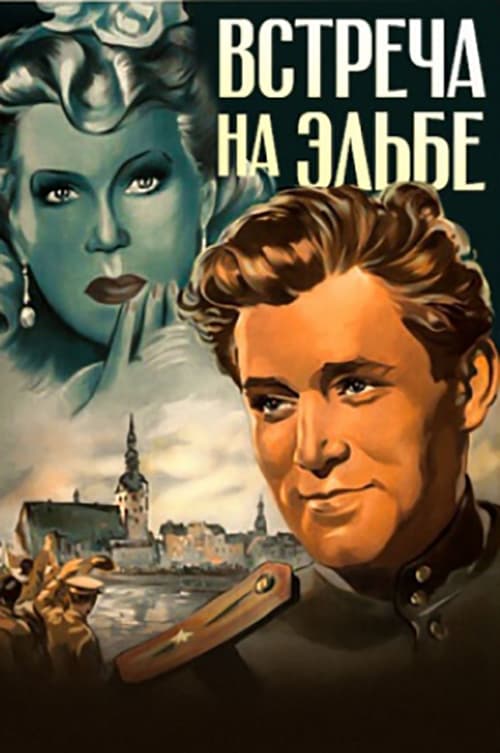
Soviet and American soldiers are meeting on the shores of the Elbe river in Germany in 1945.
Meeting on the Elbe

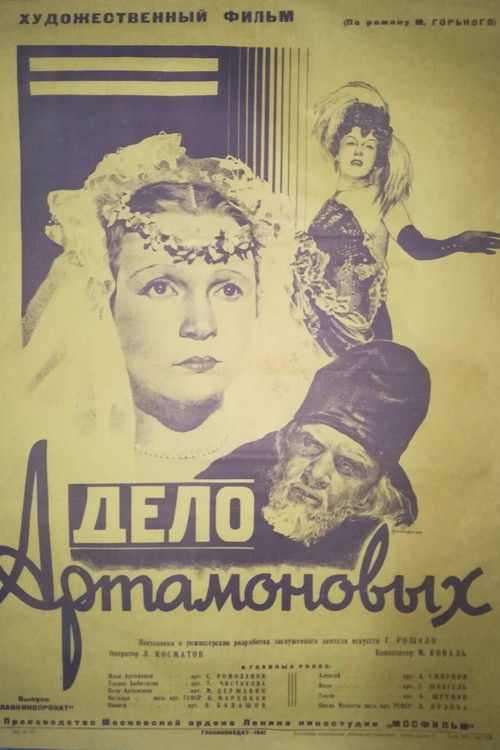
Fabrikant, Ilya Artamonov of the former serfs. His desire to strengthen and develop the business knows no obstacles. He is still associated with the peasants and craftsmen, but with his death, this relationship ends. Between Peter Artamonov, his son, who became the owner of the factory, and the workers grows a wall of enmity. The first political speeches are brewing. On the side of the proletariat becomes the heir artemovskogo case Ilya Artamonov, Jr.
The Artamonov Case

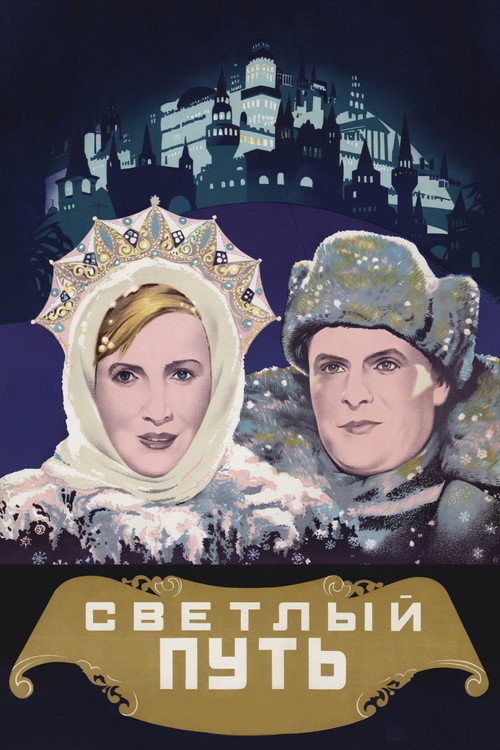
Tanya Morozova, an illiterate but industrious textile factory worker, finds happiness through her education and the Stakhanovite movement. She becomes a shock labourer and ascends through the Party ranks, ultimately being elected as a member of the Supreme Soviet.
The Shining Path

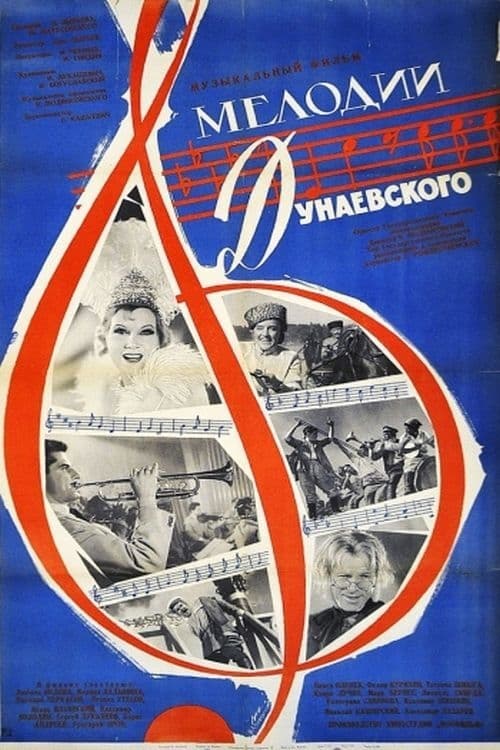
The film uses fragments of feature films and materials of the Gosfilmofond of the Russian Federation. In addition to the actors listed above, the following actors tell about the composer: directors Grigory Alexandrov and Ivan Pyriev, songwriters Mikhail Matusovsky and Vasily Lebedev-Kumach.
Мелодии Дунаевского

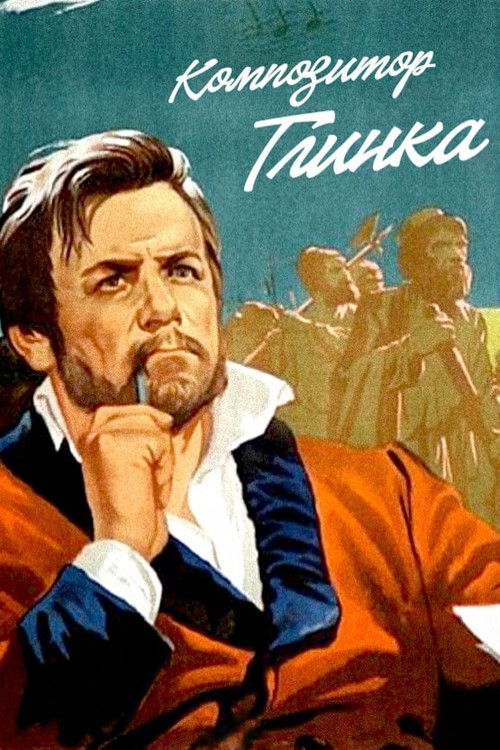
The young composer Mikhail Glinka performs his new work at a soiree at earl Vielgorsky's house. However, the public is accustomed to Western music, and reacts coldly to the creation of the composer. This makes him very sad, but soon he decides to go learn the art of music in Italy. After returning from Italy, he is full of desire to write national Russian opera. Vasily Zhukovsky proposes a subject: a feat of Ivan Susanin. Tsar Nicholas I change the name of the opera to A Life for the Tsar and assigns a librettist - Baron Rosen. Acquaintance with the future co-author shocked Glinka: Rosen speaks Russian with a noticeable German accent. The premiere was successful, but Glinka was still not entirely happy with the libretto: "False words were written by Rosen". When Nicholas I learned that Ruslan and Lyudmila was written on Pushkin's subject, he sees it as sedition. The bitter experience of the composer brighten his supporters.
Man of Music

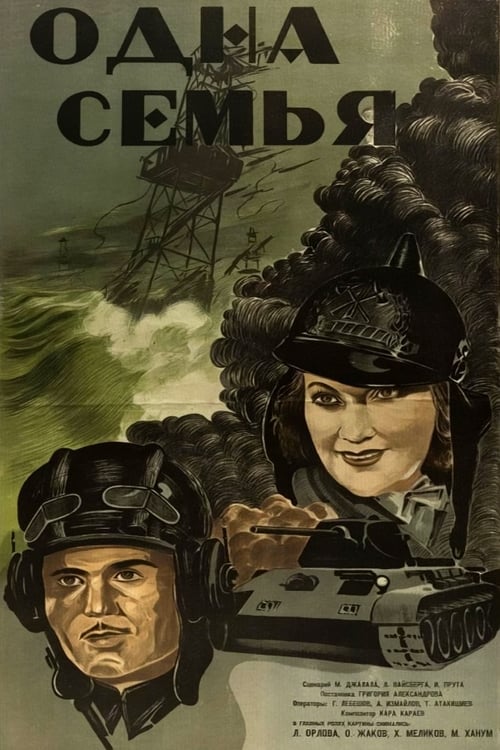
The film is about the Soviet People's patriotism and friendship.
A Family

A documentary on the life of the famous actress, deceased wife of the director Grigoriy Aleksandrov.
Lyubov Orlova
Lost film.
Alyona's Love

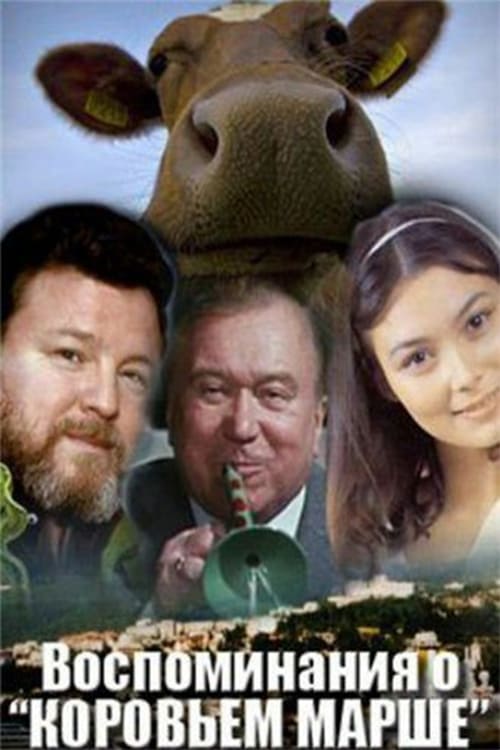
Funny and entertaining story about the history of the film "Funny guys"by G. Alexandrov.
Memories of the "Cow March"

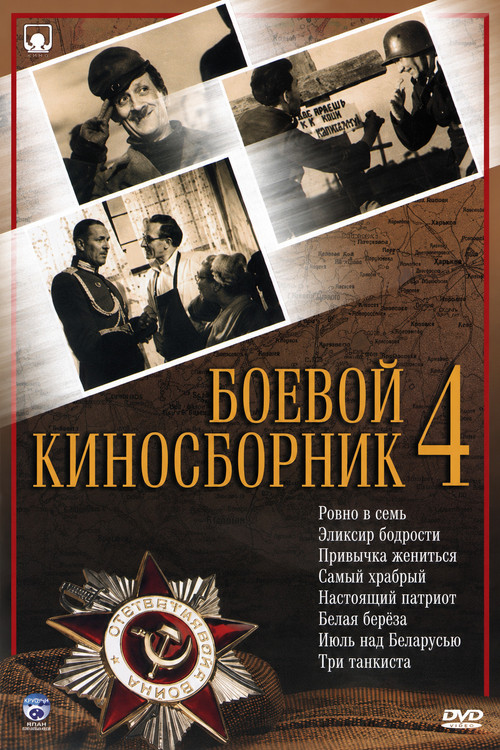
Collection of Films for the Armed Forces #4 was filmed at the Moscow film studio Soyuzdetfilm during the days of the German offensive on Moscow. It consists of three short stories, linked by the emcee performances of Lyubov Orlova as the mail carrier Strelka, the heroine of the comedy "Volga, Volga," who delivers new films along with the letters. It was released on September 9, 1941.