Acting
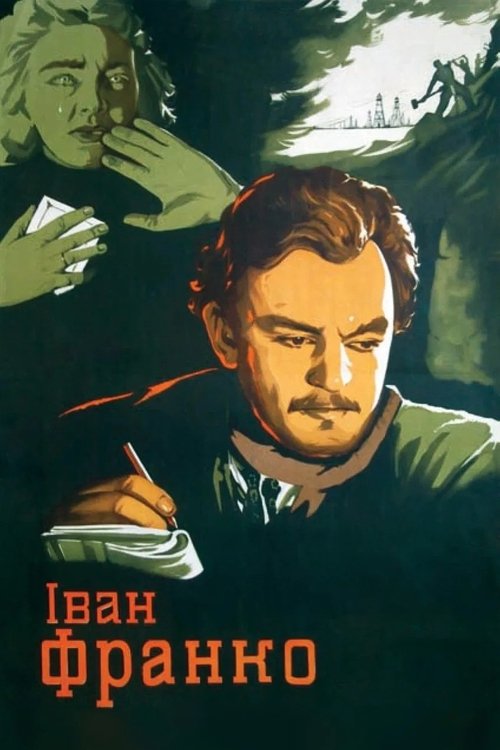
Historical and biographical film about the life and work of Ukrainian writer Ivan Franko.
Set during the early part of his reign, Ivan faces betrayal from the aristocracy and even his closest friends as he seeks to unite the Russian people. Sergei Eisenstein's final film, this is the first part of a three-part biopic of Tsar Ivan IV of Russia, which was never completed due to the producer's dissatisfaction with Eisenstein's attempts to use forbidden experimental filming techniques and excessive cost overruns. The second part was completed but not released for a decade after Eisenstein's death and a change of heart in the USSR government toward his work; the third part was only in its earliest stage of filming when shooting was stopped altogether.
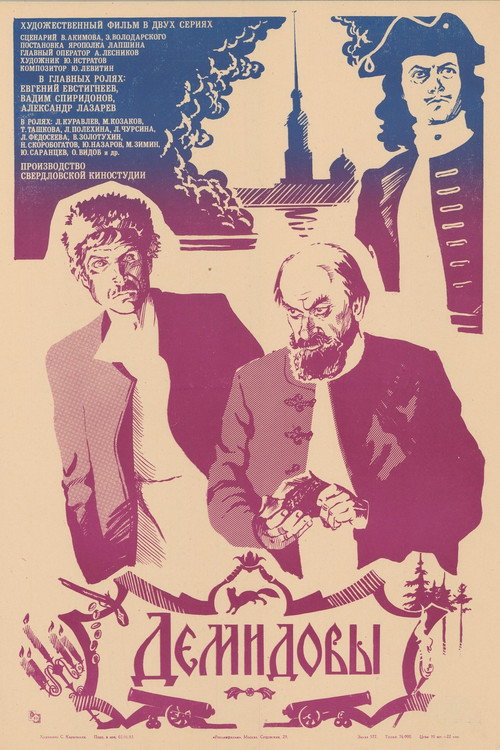
No description available.
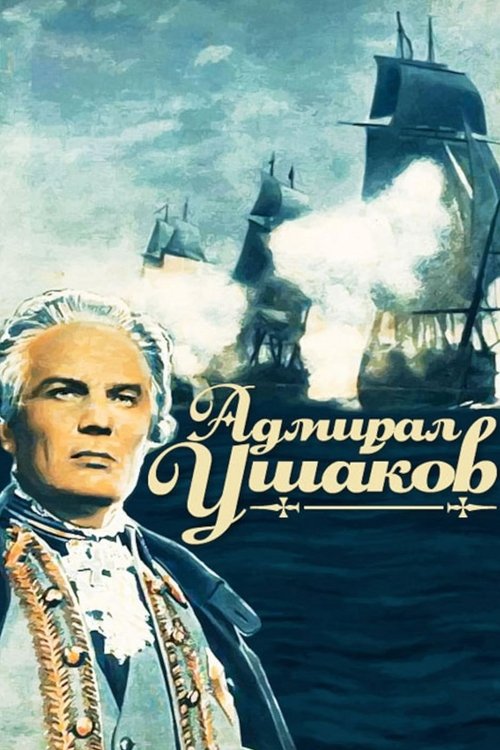
Historical epic about the legendary Russian naval commander of the 18th century, admiral Fyodor Ushakov, and his fight for Crimea during the Russo-Turkish War.
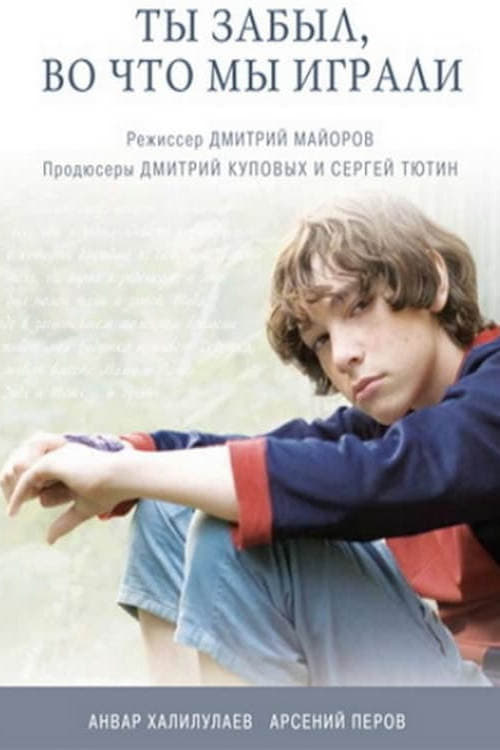
This short film tells the story of a childhood, of a friendship and of growing up. A young man returns to the village where he grew up and discovers that both he and the place have changed. Yet, he soon finds himself immersed in his memories.
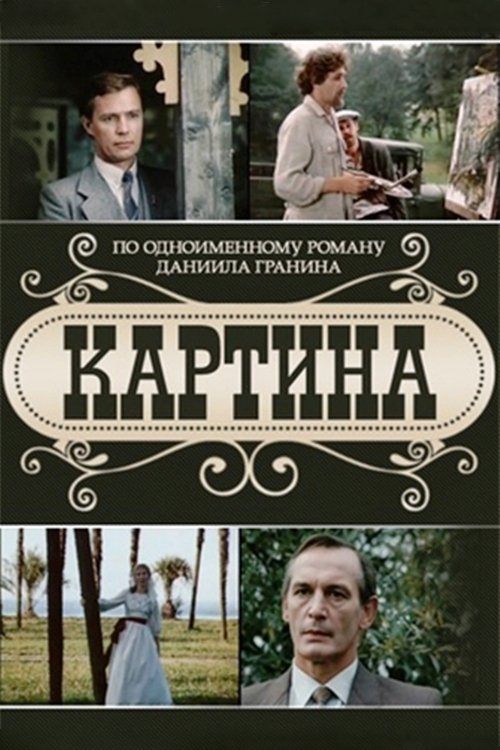
Based on Clifford Simak's story "All Flesh is Grass". In the small settlement strange things lately are created, and soon the settlement is cut off from the outside world by an insuperable wall. The scientist Alexander Kartin tries to investigate the unusual phenomenon.
Someone is killing off Swedish military officers and making it look like the works of Soviet agents. Hamilton has to crack the case before all hell breaks loose and there is a full scale spy-war with the soviets.
Many different birds and animals have long settled on the shores of Lake Chad. One day they decided to choose a king for themselves and chose Lion. They called him the bravest, the strongest, the wisest and the most beautiful. Then a son was born to the Lion and the Lioness - a little Lion Cub. When the Lion Cub could walk by himself, he met a hyena who told the Lion Cub that he was a Lion, which means he was the king of animals, which means he was the bravest, strongest, wisest, most beautiful.
Mikhail Nikolaevich Ermakov has come a long and difficult life path. At the age of nineteen, the student, the son of a worker, was sent on a Komsomol ticket to work in the Cheka. In one of the operations he was seriously wounded. And now, many years later, General Ermakov comes to Moscow and settles in the house where he spent his youth...
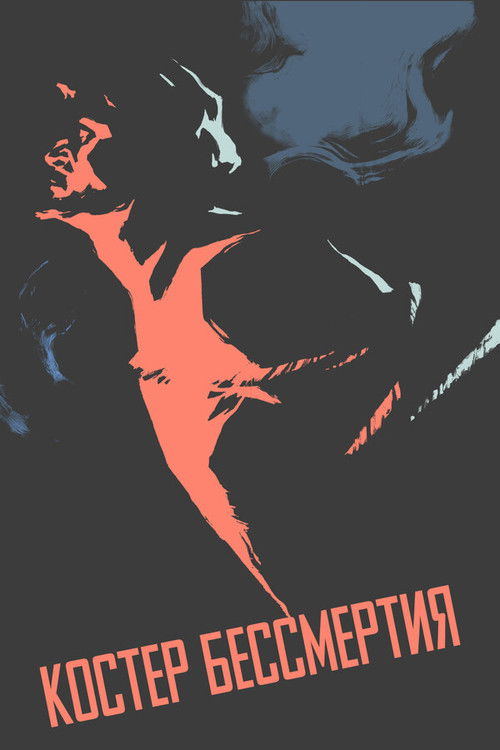
Germany, the 1930s. A young scientist, Professor Johannes Werner discovers rays of life-giving power. The scientist refuses to give up his invention for military use and, breaking the equipment, runs to the USA, where he hides for a long time under the name of Martini. One day, after being invited to a military industrial concern to see a new European invention, Werner meets his former pupil Huber. Huber, a traitor and fascist, has restored the professor's apparatus according to stolen plans and is demonstrating it as his own invention. Werner rejects the proposal for joint cooperation and, at a meeting in the hall of scientific associations, reveals his real name and resolutely reveals the criminal intentions of the revanchists.
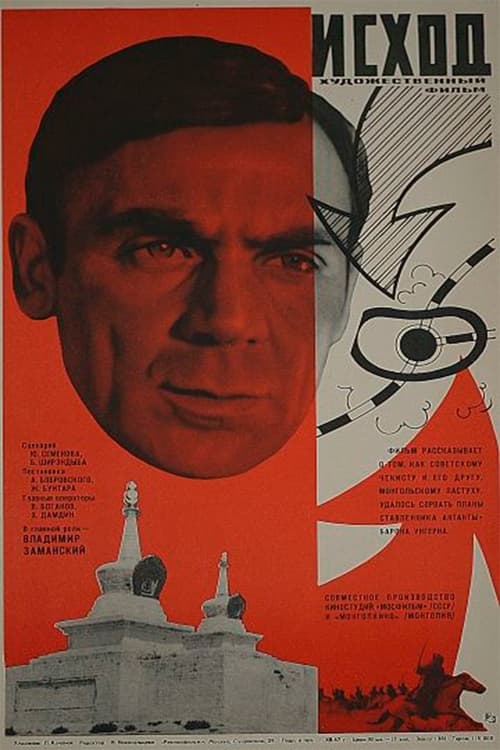
It shows how the October Revolution affected the hearts of the Mongolian people, and how they defeated the white bandit Baron Ungern at the beginning of the revolution and put an end to his evil activities.
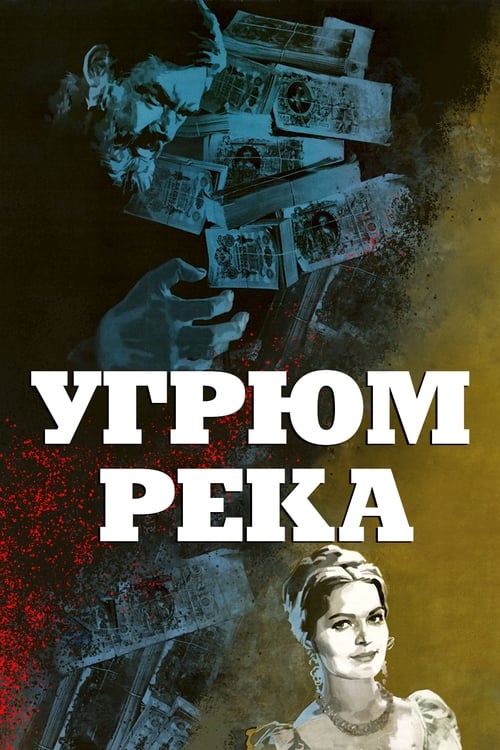
Story is set in deep Russia, on a wild river in woods called "Ugrum-reka" - the Moody river. Son of a dishonest trader, Prohor Gromov wants to become his own man. He takes his fathers order and goes trough the woods to deliver the furs to the byer in the nearest town. He tries to take the shorter way and get`s lost. At the highest point of this, his fathers servant, Abdulla, who is sent with him to guard him almost shoots him driven by hunger, but comes to the senses and saves his life by continuing to go on.
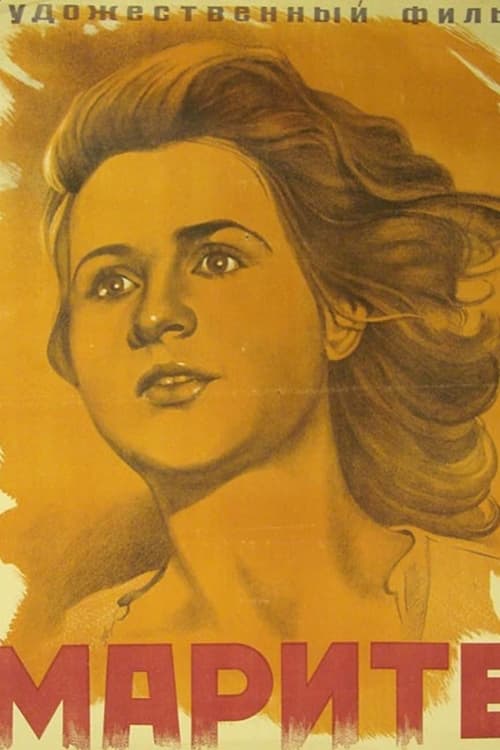
The poor Melnik family lives in Zarasai region. Elder Mary parents struggle to send Marry to school but they did this anyway. The horizons of the girl, who until then had learned only from the old grandfather Peter, are spreading there, she, as if seeing herself in her place, tells the class about the legendary hero of Lithuanian history Grazina. Deprivation prevents Maryte from graduating, so she starts working in a candy factory where she hears political inferences. 1940, Vilnius is returned to Lithuania. Maryte, her best friend Elena and a group of young people in national costumes get ready to walk to the capital. In the periphery, the Bolsheviks remember the land of the rich, distribute it to the poor, and Mary dreams of continuing her studies and becoming a doctor. The dream is interrupted by the outbreak of World War II.
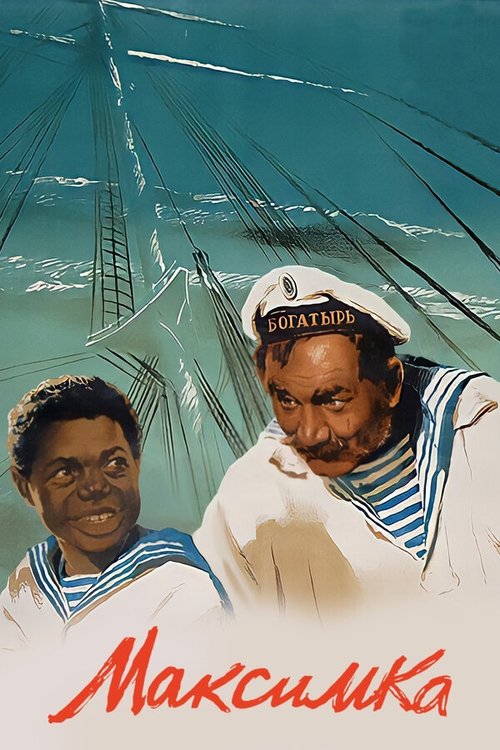
A black child rescued from by Russian sailors, whom they name Maksimka, having overcome his fear of white people, turns out to be an unusually smart and kind little boy. The rude drunken sailor Ivan Luchkin was especially attached to the boy. Once it was Maksimka who managed to save Luchkin from foreign recruiters of labor. For resourcefulness and courage, the young hero is enlisted in the team of the corvette and becomes the cabin boy of the Russian fleet.
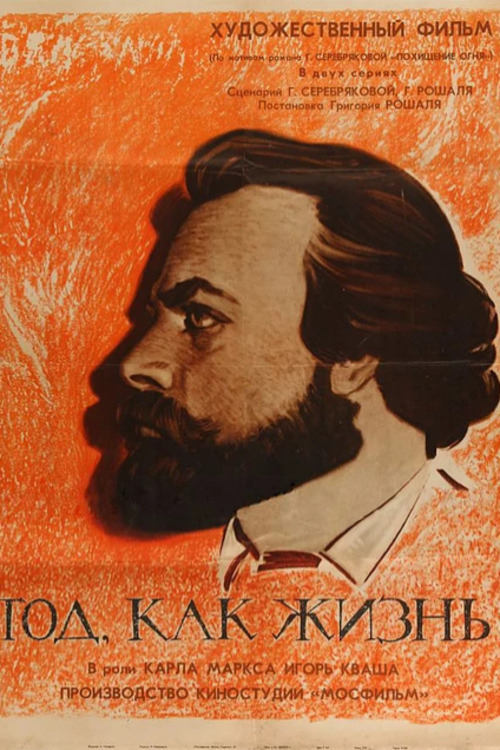
The film takes place in Europe in the 19th century. The film shows the popular uprisings that took place there, as well as the search for truth and the confrontation of Karl Marx and opponents of the revolution.
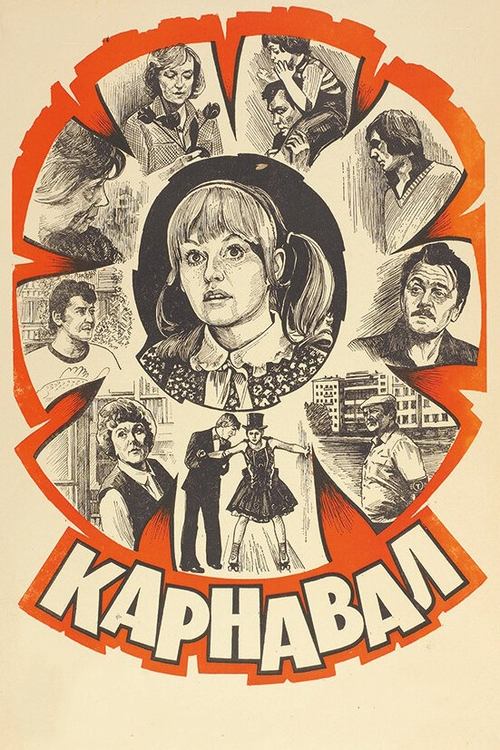
A young Russian girl is in love with show business and wants to leave her small town for Moscow and make it big in the big city. She encounters her long missing, remarried father and gets a boy friend who uses her and then leaves her.
This is the second part of a projected three-part epic biopic of Russian Czar Ivan Grozny, undertaken by Soviet film-maker Sergei Eisenstein at the behest of Josef Stalin. Production of the epic was stopped before the third part could be filmed, due to producer dissatisfaction with Eisenstein's introducing forbidden experimental filming techniques into the material, more evident in this part than the first part. As it was, this second part was banned from showings until after the deaths of both Eisenstein and Stalin, and a change of attitude by the subsequent heads of the Soviet government. In this part, as Ivan the Terrible attempts to consolidate his power by establishing a personal army, his political rivals, the Russian boyars, plot to assassinate him.
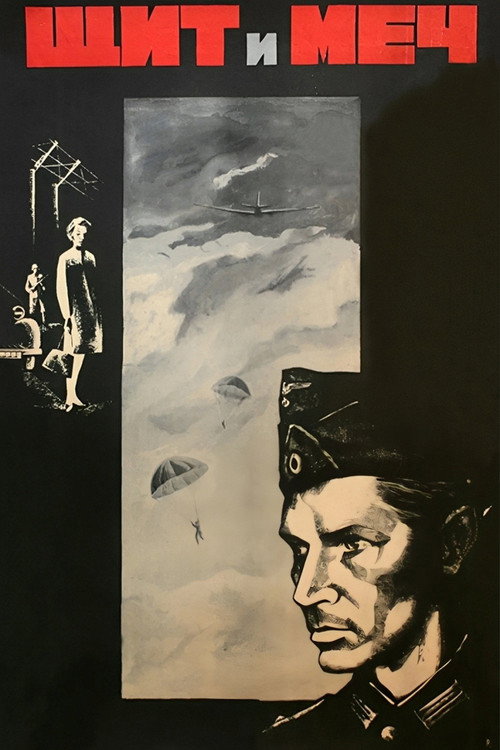
The year is 1940 and Nazi Germany is at the height of its military prowess, having captured most of Europe and eyeing the Soviet Union to the East. The Russian military command suspects hostile intent from Germany and so arranges for its spies to infiltrate ranks of the German military and the SS. Alexander Belov is a Russian spy, who travels from Soviet-held Latvia to Nazi Germany under an alias of Johann Weiss. His mastery of the German language, steel nerves and an ability to manipulate others help him to use his connections in the SS to ascend the ladder of the German intelligence. He uses his position to identify sympathetic Germans, who help him to procure vital intelligence, and to help local resistance movements in their collective fight against Nazism.