Éric van Beuren
Production
Known For
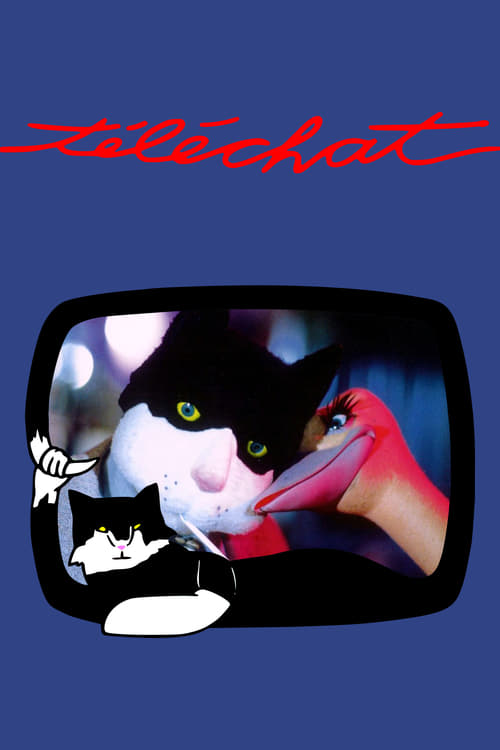
Created by French surrealist artist Roland Topor and director Henri Xhonneux, Telecat is a news show parody hosted by a tomcat named Groucha (who always had his arm in plaster) and an ostrich named Lola. It featured a variety of sentient objects and revolved around the idea that the real-life elementary particles known as gluons were “the souls of objects”.
Telecat
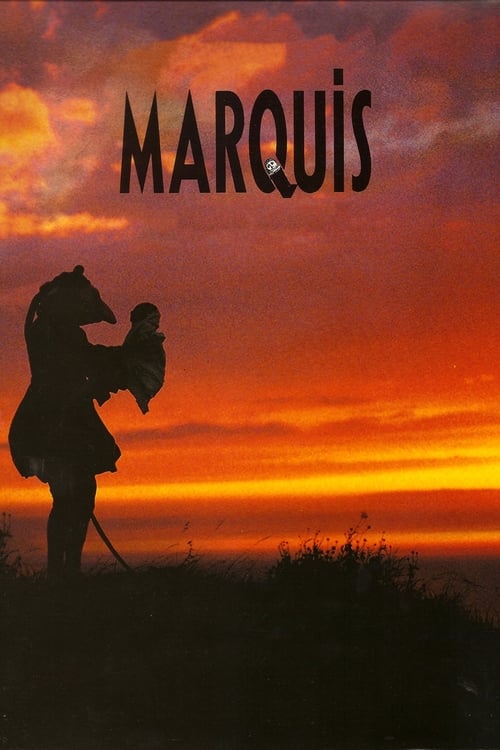
On the eve of revolution, French activist and author Marquis and his talking penis, Colin, await judgment in the Bastille for allegedly plotting against the state. While Marquis dedicates himself to his art and Colin longs for action, the provocative pair unwittingly rouse the interest of competing ideological factions.
Marquis
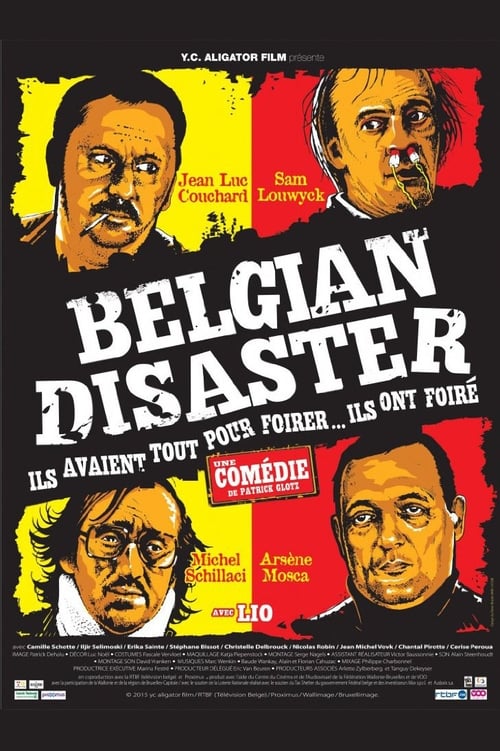
Three misfits live peaceful lives of idleness and resourcefulness until the day a scam more lucrative than any other comes their way. At the same time, their wives are all threatened with dismissal. Panic ensues. The three men dread imagining their future lives, with their wives nagging them day and night and no peace and quiet. How far will our heroes go to preserve their modest happiness or to finally—perhaps—achieve a better life?
Belgian Disaster
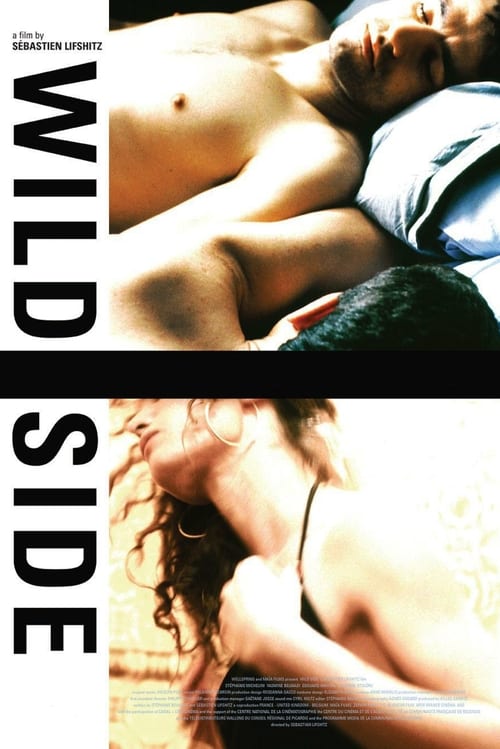
A transgender woman returns — with her two male lovers — to her family home in the countryside to look after her dying mother.
Wild Side
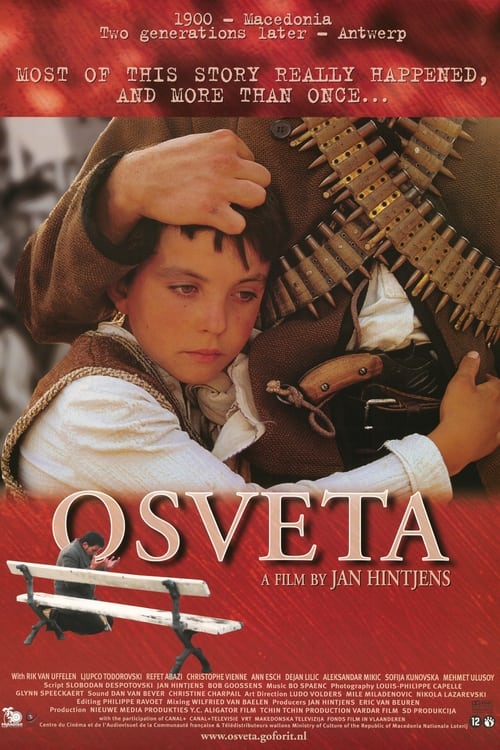
The story of is placed at the end of the 19th and at the second half of the 20th century. The locations are different and completely opposite: the rural Macedonia at one hand, and the urban environment of an industrial region in Belgium at another...
Revenge

Maria Garcia (Carmen Maura) is a television journalist and she's about to be a single mother. Her career foremost in her mind, she doesn't slow down even for a minute, despite her pregnancy. She is, however, taking Lamaze classes and is quite competently coping with the romantic attentions of a man she's not very interested in. It's not at all irrelevant that her news beat includes stories on terrorism, the greenhouse effect, pollution and genetic engineering, because when her baby's due date comes and goes, she starts hearing from her infant from in the womb. It is telling her that it and many other babies are refusing to be born into such a horrible world. She learns that this is true, and that the children born through induced labor are dying.
Between Heaven and Earth
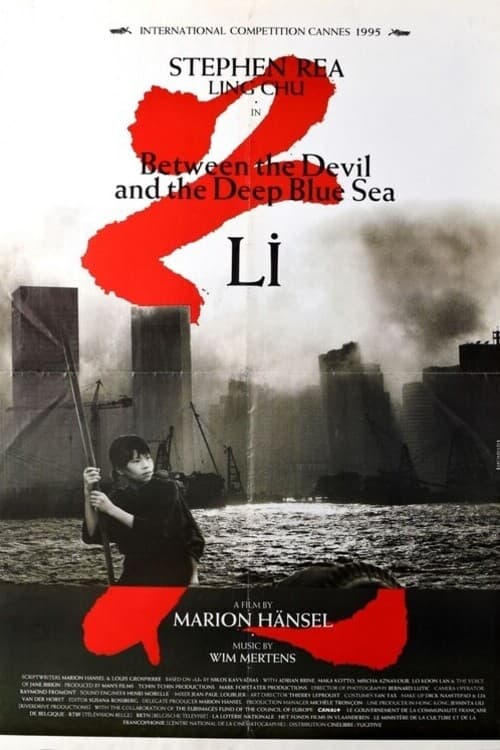
A Greek-Irish sailor becomes friends with a 10-year-old sampan girl while his freighter is docked in Hong Kong.
Between the Devil and the Deep Blue Sea

Picha's irreverent style has left a mark on 70s and 80s animation cinema. But where is he now? And how should we best approach his work as an iconoclastic cartoonist, animated film and tv series director and painter who once embodied a certain idea of outrageousness and subversion?
Picha: Against All Odds

The film follows two brothers over the course of a decade. While they begin as kids in search of thrills in the sprawling slums of Morocco’s Sidi Moumen, we witness their gradual, and ultimately shocking, radicalisation.
Horses of God
The Wall is a film originally intended to be screened in the run-up to Belgium's national elections in the spring of 1968. In that year, the tensions between the Dutch- and French-speaking communities were marked by often violent demonstrations and the threat of splitting the country. The story plays with fact and fiction by interweaving found footage of news reports with staged scenes. The main character is the wall which, similar to the division of Berlin, is erected through the centre of Brussels. Although the film was made by the team that compiled cinema newsreels for the company Belgavox, the influence of Henri Storck—the pioneer of poetic realism in the Belgian documentary film—is omnipresent in the camerawork, framing and editing, as well as in the use of amateur actors and filming in the street.