Juan Carlos Gené
Acting
Biography
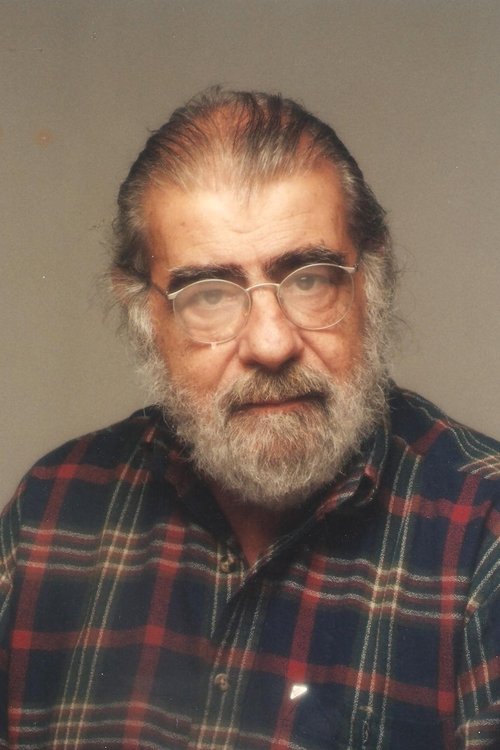
Juan Carlos Gené was best known for being an Argentine actor and playwright. He died in Argentina in 2012
Known For

No description available.
Alta comedia
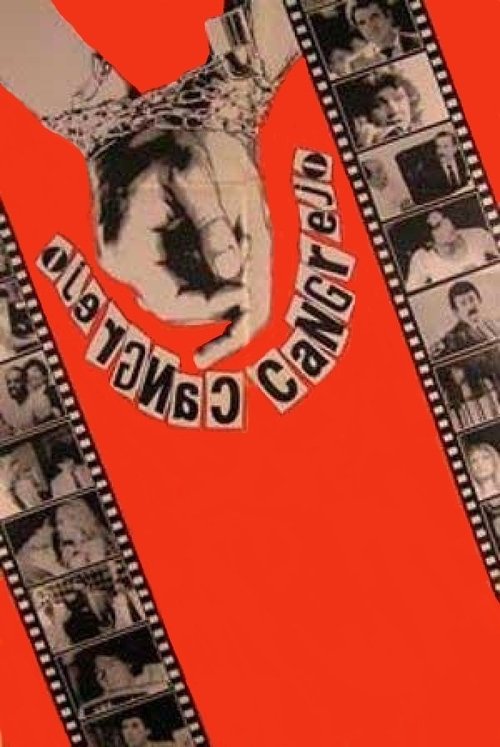
Commissioner Leon (Miguel Angel Landa) of the Technical Judicial Police is assigned to the kidnapping of a child of the upper class of Caracas. The details of the kidnapping the attention of Leon, as there is no evidence of violence in the child's home, or witnesses to the abduction. Based on that Leon believes that the hijackers knew the boy and soon begins to suspect several young people from wealthy families of Caracas.
Crab
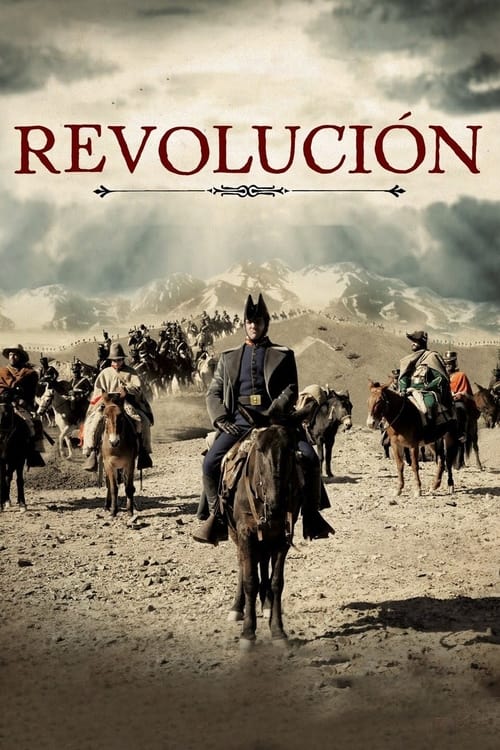
Buenos Aires, 1880. A journalist interviews Manuel Esteban Corvalán, one of the last living men who crossed the Andes in 1817 with José de San Martín, during the Argentinian and Chilean wars of independence, as one of his secretaries, when he was only 15 years old.
The Crossing of the Andes
No description available.
Mañana es primavera
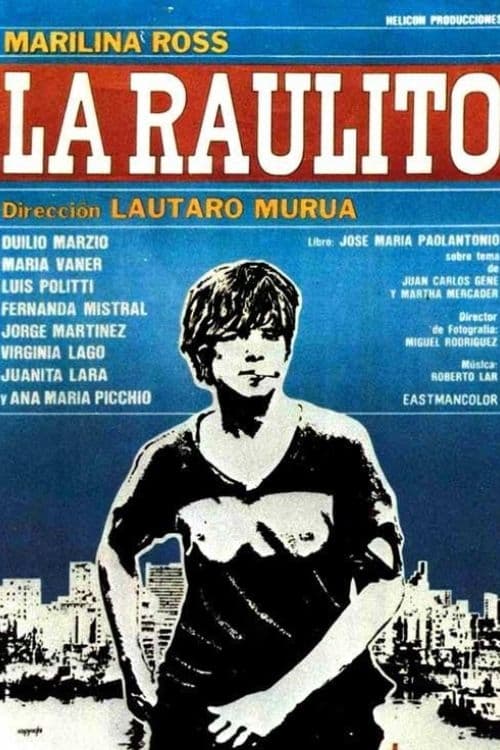
The film tells the story of a real life fan of Boca Juniors football club, Mary Esher Duffau, who as a teenage girl adopted the identity of a man in order to survive on the streets of Buenos Aires. The film shows the teenage Raulito wandering between a reformatory for juvenile offenders, prison and psychiatric hospital. Raulito manages to escape, and finds work at Constitución railway station in Barrio Constitución. Raulito meets up with another street child and they become close friends. They both eventually manage to escape to Mar del Plata.
La Raulito
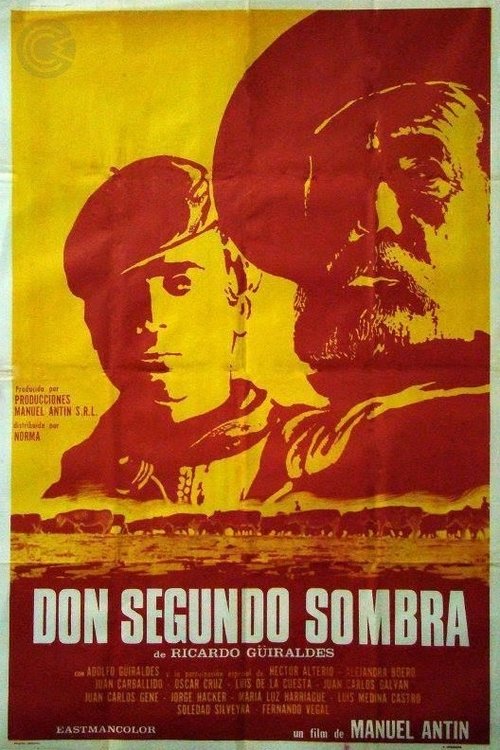
The story takes place in San Antonio de Areco, in the Argentine pampas. Fabio Cáceres remembers his childhood as an orphan and his youth working in the fields, alongside his godfather, Don Segundo Sombra, a lonely gaucho whom he admires and from whom he will learn to be a gaucho, following him in all his adventures. Don Segundo will be Fabio's role model.
Don Segundo Sombra
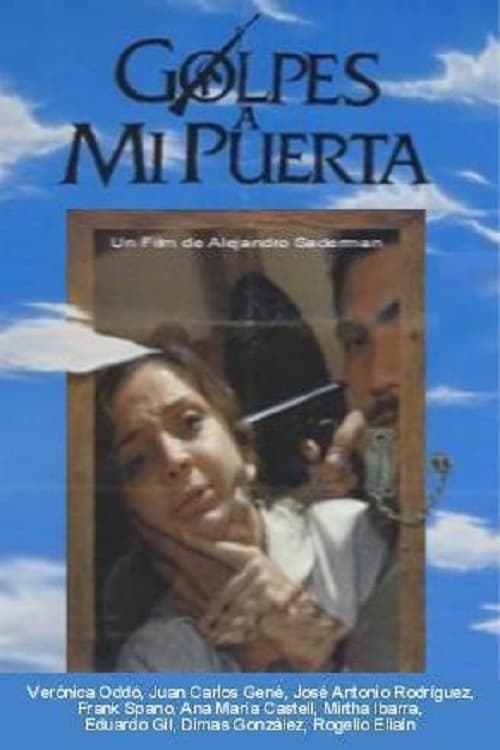
A fugitive bursts into the home of two Catholic nuns. In an attempt to save his life, they hide him from the marauding military patrols, despite the danger they face if they are caught.
Knocks at My Door
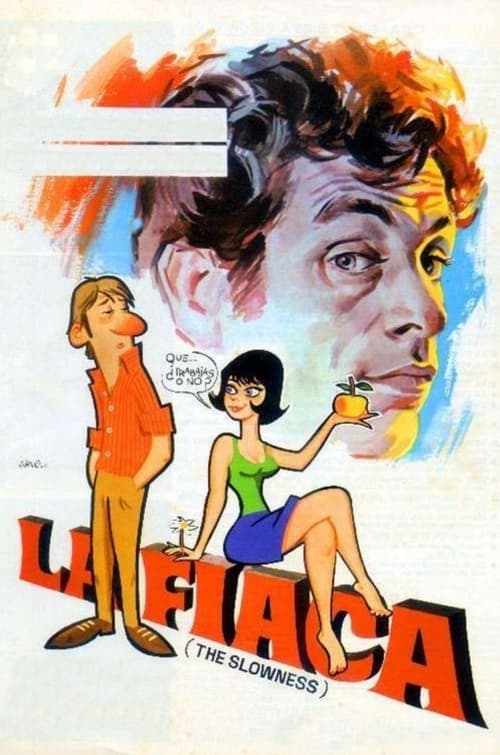
A typical office employee decides one day rebelling against its routine and not going to work because it has a "lazy". His family, friends and colleagues are trying to dissuade him unsuccessfully at the beginning. But as time passed his situation complicated emotional and economically. These circumstances thwart his rebelliousness.
The Slowness
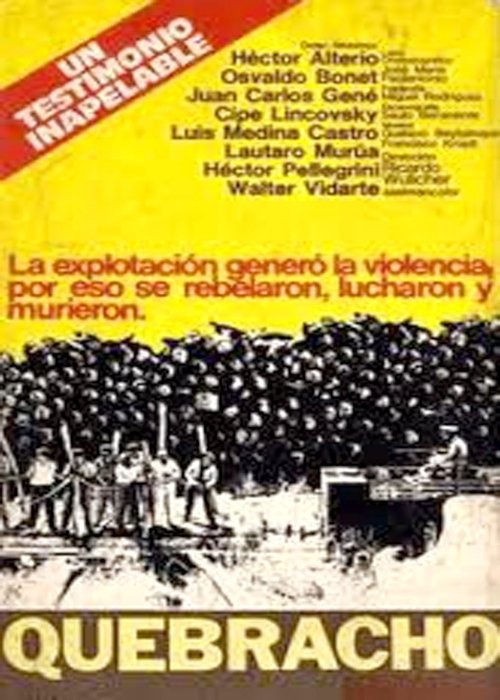
Set around 1910 in the Chaco region, the film depicts the plight of quebracho woodcutters, cruelly exploited by English businessmen with the support of the authorities, local police, and a paramilitary force established by the employers themselves.
Quebracho
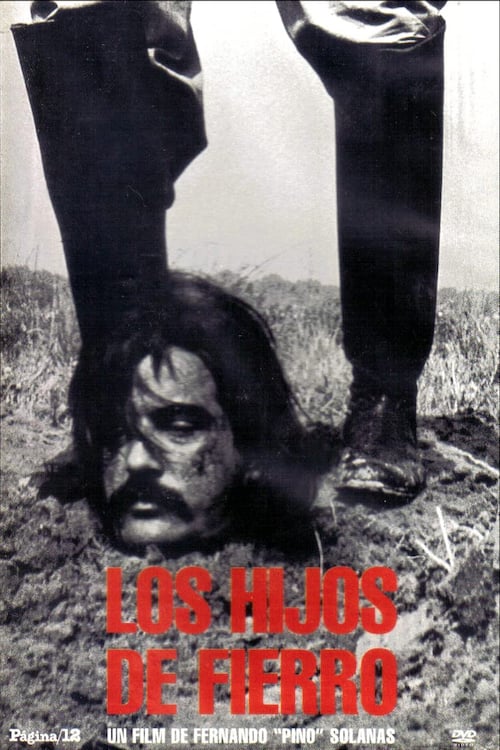
Peronist view of its history between the fall in 1955 and the electoral triumph of 1973 using a metaphor of the poem Martin Fierro.
The Children of Fierro
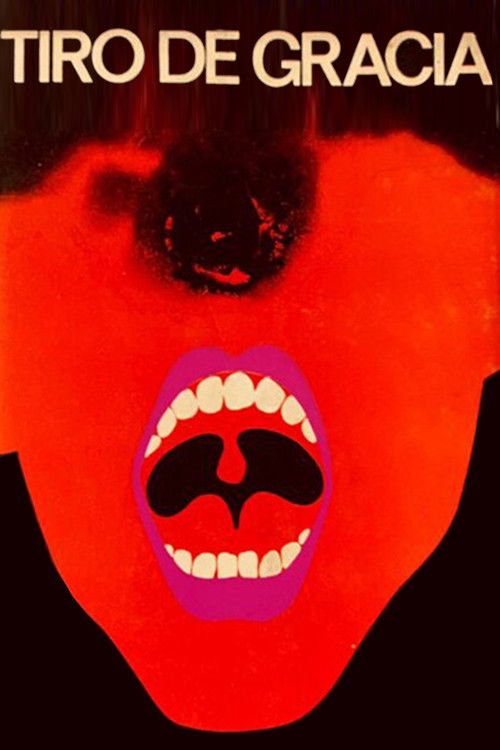
During the day, a non-conformist young man and his friends try to make a living by doing odd jobs; at night, they sink at the Moderno Bar.
Coup de Grace
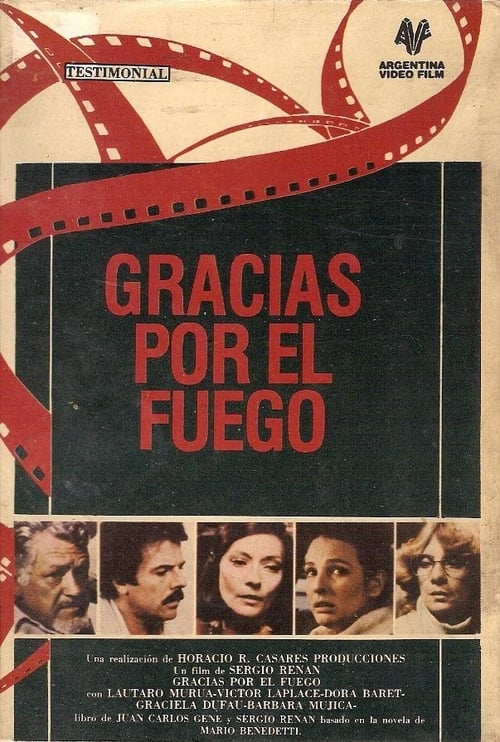
The failure of Budiño Ramon, who plans first murder of his father and is recognized after unable to carry it out, is due largely to the general attitude of a society that tolerates no dramatic gestures. However, the inadequacies of radical class, beliefs, feelings, profession and memory also plays a leading role in the drama.
Thanks for the Fire
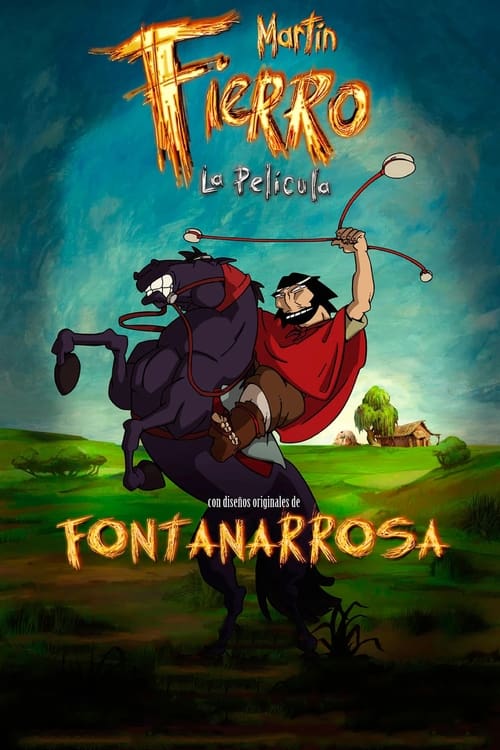
At late 19th Century, the Argentinean Pampa is changing. Martin Fierro is a renegade that fights against the power and corruption that try to subordinate him and to take away his most precious value: freedom. With his strength and courage, Martin Fierro represents the fight for justice. Based on the most important book of Argentinean Literature, "The Gaucho Martin Fierro", the film intends to rescue the current value of the story and the epic character of Martín Fierro for an audience mainly young, especially students and families.
Martin Fierro: The Movie

Shortly before a match against River Plate, members of the Boca Juniors football team are kidnapped.
Paula contra la mitad más uno
No description available.
Los días de Julián Bisbal
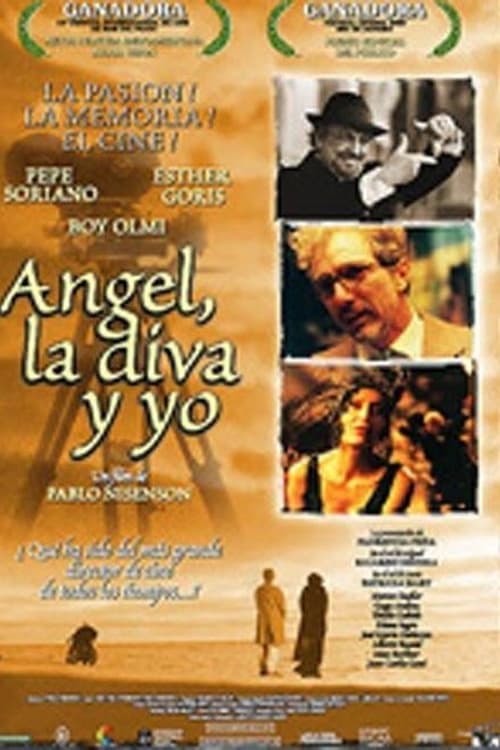
Buenos Aires at the end of the millennium a young filmmaker hopeless about their future decides to film his last act.
Ángel, la diva y yo
In a tiny town in an unnamed Latin American country in the 1930s, a young telegraph operator helps link the small, repressed community to the outside world, against the will of the powerful colonel who rules the village like a dictator.
La pluma del arcángel
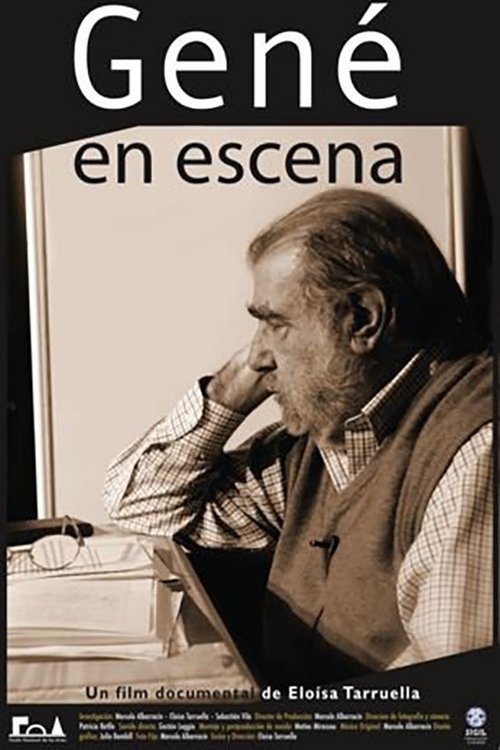
No description available.
Gené, en escena
Three colleagues must decide which one of them will be fired when the company they work for starts a downsizing process.