Camera
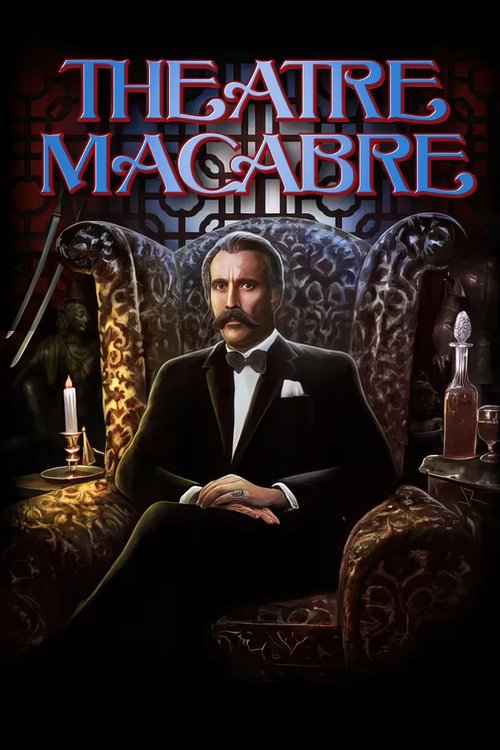
Horror legend Christopher Lee hosts this anthology in the tradition of Alfred Hitchcock Presents, each half-hour episode adapting a story from a classic author, with tales by Edgar Allen Poe, Fyodor Dostoevsky, Ambrose Bierce, Robert Louis Stevenson, and Oscar Wilde.
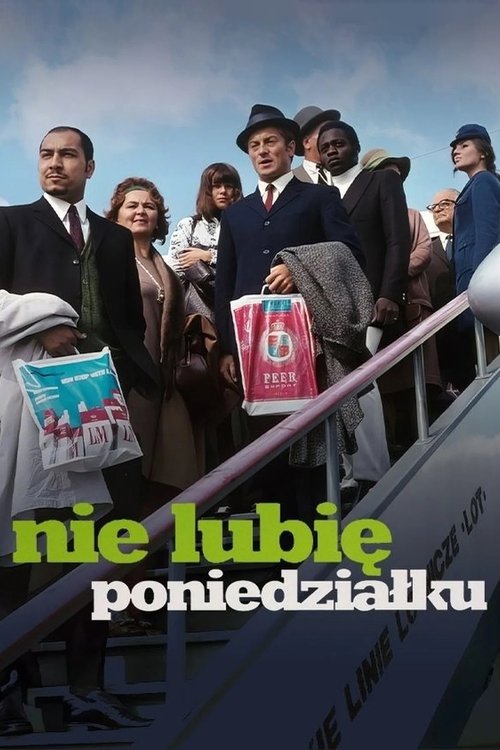
An acute case of Mondayitis in Warsaw. Interwoven stories of a few inhabitants of Warsaw, including one very unlucky Italian on a governmental mission and a charitable Polish American.
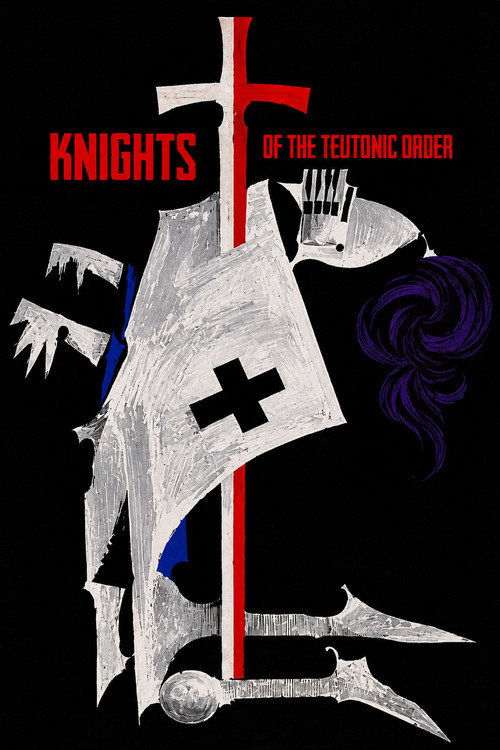
A tale of a young impoverished nobleman, who with his uncle returns from a war against the order of the Teutonic Knights in Lithuania. He falls in love with a beautiful woman and pledges an oath to bring her "three trophies" from the Teutonic Knights.
Rumsza, the elderly railwayman, leading a sedate life with his wife, misses his only remaining son (two older boys were killed in the war). Joziuk finally returns from the military in the first scene but with the pregnant Zosia, while Rumsza expected him to marry Celinka, the daughter of Krywka, his only friend and neighbour. The hero will not accept the new situation; he throws his son and Zosia out of his house. Celinka is distressed but she still harbours hope for Joziuk. The birth of the child changes the situation: Rumsza accepts his son's relationship but Celinka decides to leave.
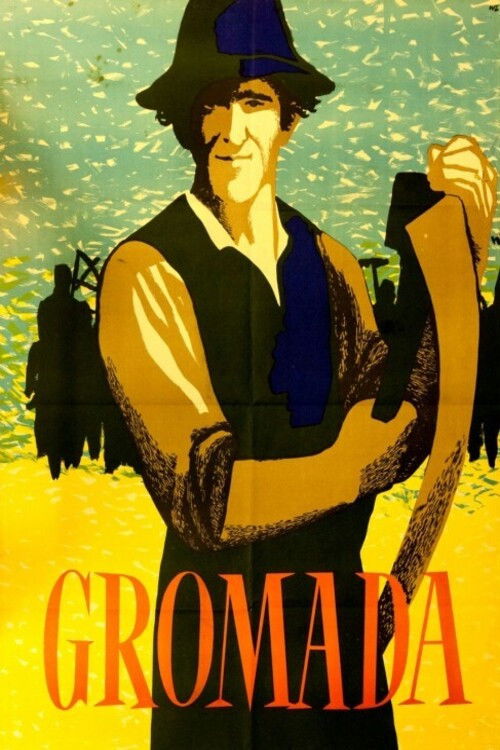
The struggle between poor villagers, who are eager to build a co-operative mill and a cultural centre, and the village wealthy men - the miller and the kulaks - who are desperate to stop the farmers.
With the Nazi occupation of Poland, several children in a village there become very unhappy and then get in deep trouble for a drawing of the Nazi Führer hanged from a tree.
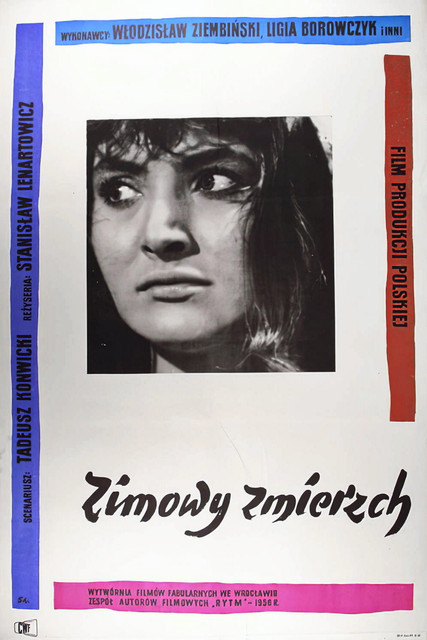
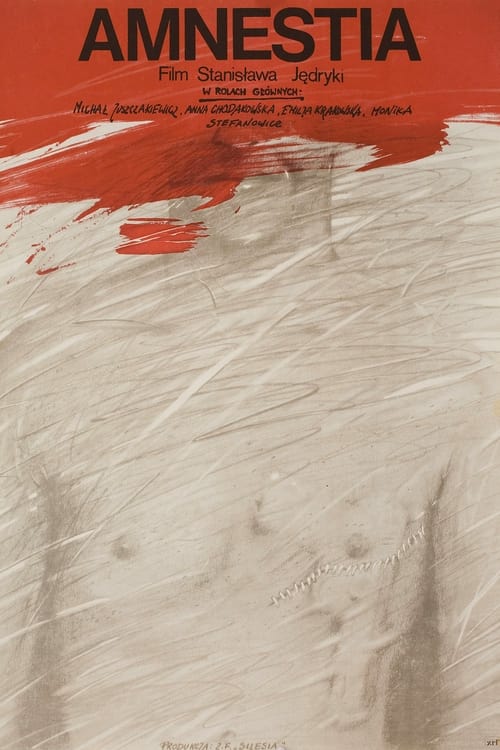
Wrocław, 1947. A young man, a former Home Army soldier, faces political and moral dilemmas before deciding on his future path in life. The protagonist of the film, Ryszard, has not revealed himself. He first works in the militia, then as a driver for the director of a wagon factory. He becomes involved with Karolina, who is older than him, becomes the lover of Zula, his employer's wife, and develops deep feelings for the beautiful and sensitive Blanka. Ryszard cannot find his place and ends up alone. Finally, he decides to take advantage of the amnesty decree and reveal himself.
Funny adventures of Engineer Stefan Karwowski. One day he meet the famous star Irena Orska and fall in love. But there are three problems: his wife and two children. He must choice what is more importent for him - family or Irena.
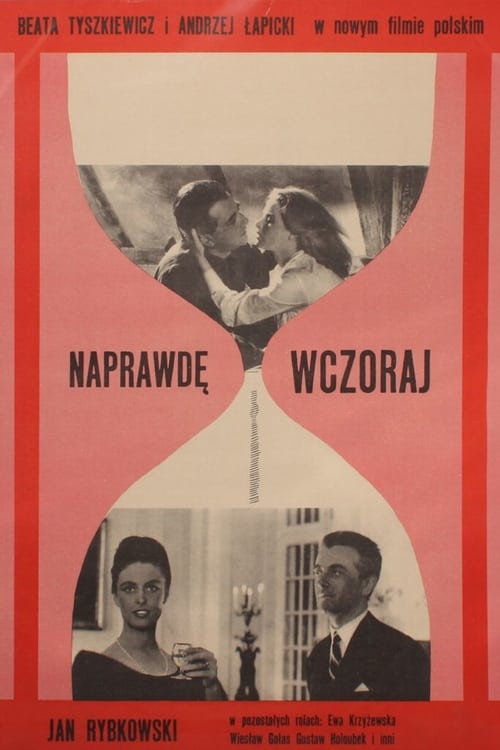
The story concerns a succesful writer at the height of his career. He is in a state of crisis, unable to forget the girl he had a brief affair in the 40's. At the promotion of his new book he meets her after the years and reminisces about the past, when he was on a government mission to recover a missing art treasure, a triptych. After the years the girl, now married, barely remembers the whole thing, while he re-examines the affair which he has so much romanticized.
A made for TV musical.
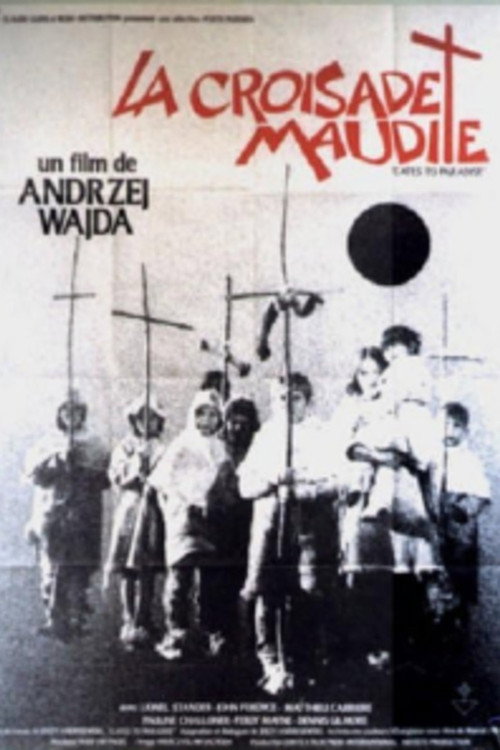
In 1212, a Children's Crusade is launched after a young shepherd, Jacques de Cloyes, claims to have had a vision in which it is said that the innocence of children would be able to liberate Jerusalem. A monk, returning from Holy Land, joins the crusade and hears the children's confessions, gradually realizing that most of them are taking part not for religious, but for more worldly reasons, like rejected love and hopes for freedom, the true nature of their enthusiasm is homosexual. In fact, if the children follow Jacques, it is more for romantic than religious reasons. They take literally the famous phrase: “Love one another”.
A miniature parable about a young boy who misunderstands the function of a bird feeder.
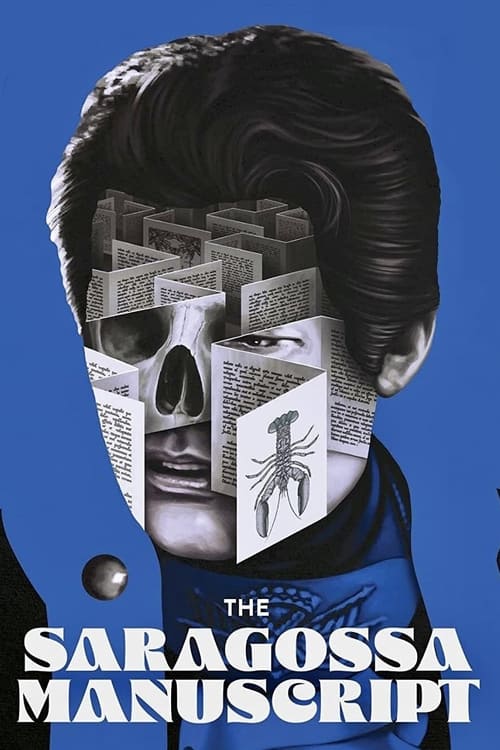
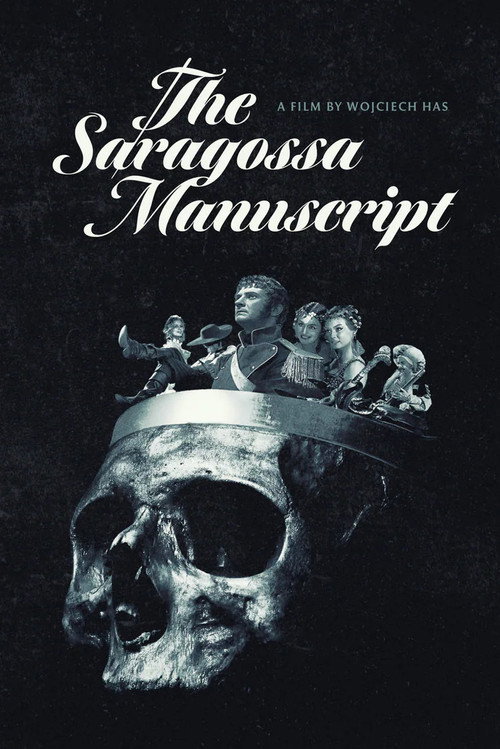
During the Napoleonic wars, a Spanish officer and an opposing officer find a book written by the former's grandfather.
The story takes place before World War II and centers on Pawel, a member of a conservative, middle-class family, and his love for Lidka, a taxi dancer. Social conventions and the lovers' inability to defy those forces Pawel and Lidka benefit. Times change, war breaks out, leading to Pawel sent to Auschwitz while Lidka marry his cousin. Their love has survived and conventions are no longer the issue.
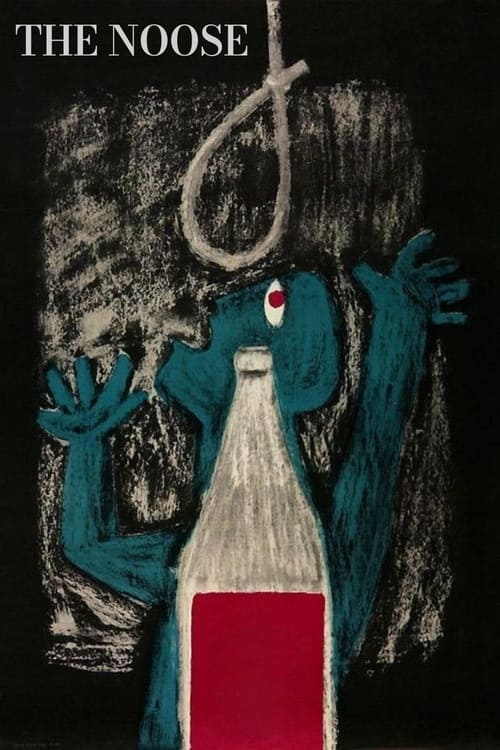
A day in the life of an alcoholic. With the help of his girlfriend Krysia, Kuba attempts to regain control of his life.
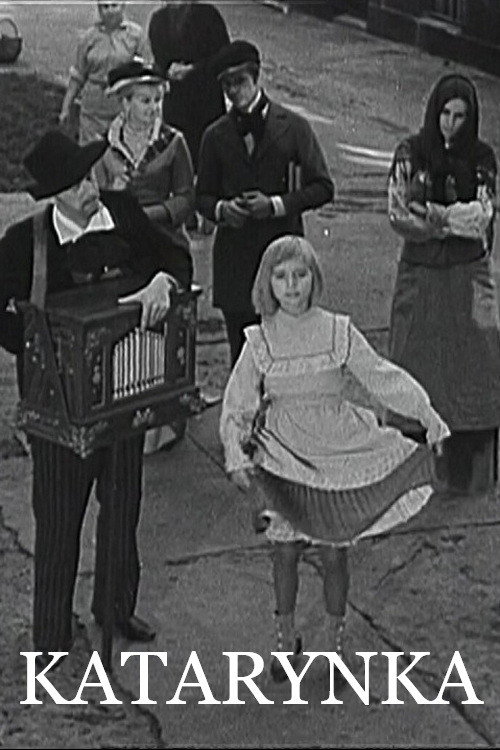
This drama follows a lawyer who, averse to the sound of a barrel organ, changes his outlook upon meeting a blind girl. Based on the short story by Bolesław Prus.
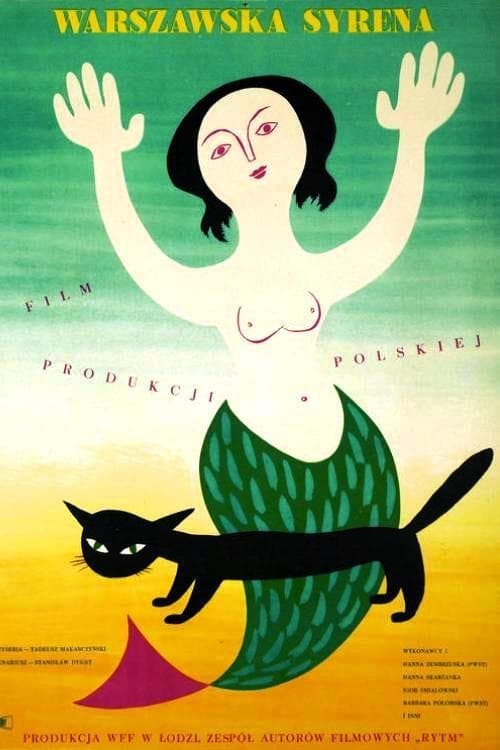
A fairy tale film based on an ancient legend about the founding of Warsaw and the good fairy Sirene of the Mazovian forests, who became the patron saint of the city.
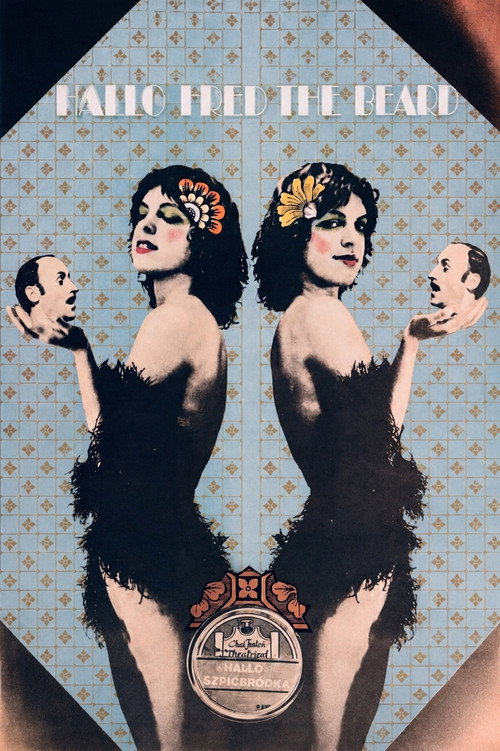
The revue theater "Red Mill" is in crisis, the owner has no money to pay the salaries of the employees. When the bailiff hands the director an order to seize the theater's assets, an elegant gentleman engineer Fred Kampinos unexpectedly appears and offers his help.
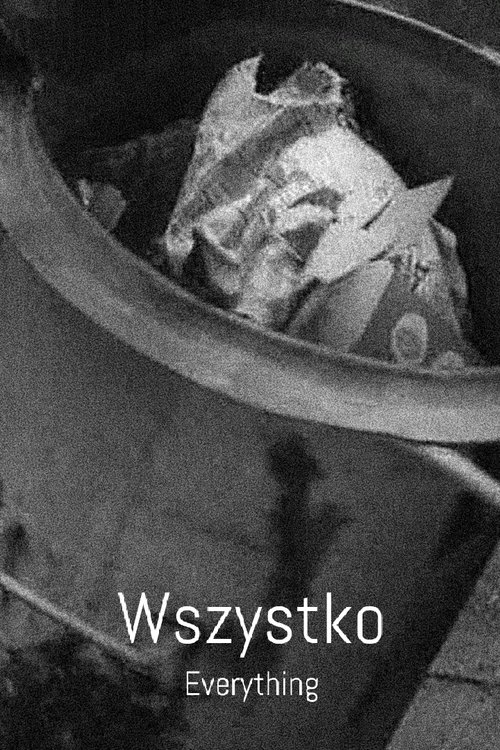
Here's a strange one. First, a song on a blackboard: a Polish translation of “I love my little rooster” by American folk writer Almeda Riddle. Then, two men roll around trash bins and lift them to the garbage truck. They do it several times. A woman shouts in the distance. At the end, the picture stops, and the woman sings the song. An early short by Piotr Szulkin.
Making-of documentary made for Polish television on The Saragossa Manuscript