Tizuka Yamasaki
Directing
Biography
Tizuka Yamasaki (born May 12, 1949) is a Brazilian film director. Daughter of Japanese immigrants, Yamasaki was one of the first women filmmakers in Brazil to achieve a successful and longstanding career. She and her peers learned filmmaking by working on the sets of well-established Cinema Novo directors such as Glauber Rocha and Nelson Pereira dos Santos. Yamasaki challenged the norms of Cinema Novo by increasing both the representation of women and the awareness of issues affecting women in Brazilian society. Her film style focuses on historical subjects and she uses the genre of melodrama to reconstruct Brazilian politics, history and culture. She established herself as one of the most important film directors of the 1980s. Her films discussed sexuality and traditional gender roles more openly within Brazilian cultural identity. Yamasaki initiated a “cinema of emotion” to comment on Brazil’s past and rework female figures’ experiences in Brazil’s history. During her career, especially during the final years of the Brazilian military dictatorship, Yamasaki has suffered censorship and funding issues with her films. In response to these challenges, she established her own production company in 1976, Centro de Produção e Comunicação (Production and Communication Center). Tizuka gained some critical acclaim with her 1980 film "Gaijin, Os Caminhos da Liberdade" (aka "Gaijin, a Brazilian Odyssey"), a story about Japanese immigration to Brazil. She has also achieved the audience's praise by directing movies starring children TV show hostess Xuxa, which have become extremely popular and a cornerstone in Brazilian pop culture. In 2003, she completed Gaijin 2 as a sequel to her debut film.
Known For

No description available.
Kananga do Japão

After the breakthrough success of 'The Cariocas', the spin-off 'The Brazilians - The Women' embraces all the diversity of Brazil and its women. Powerful, fragile, funny, protective, beautiful, talented, insightful, and especially unique; they all have a certain charm. No matter what their birthplace, age, lifestyle or preference, these remarkable women have one thing in common: they are Brazilian. Brilliantly witty and entertaining, every independent episode provides an exclusive look at the life experiences of the women who inspire everyone.
The Brazilians

No description available.
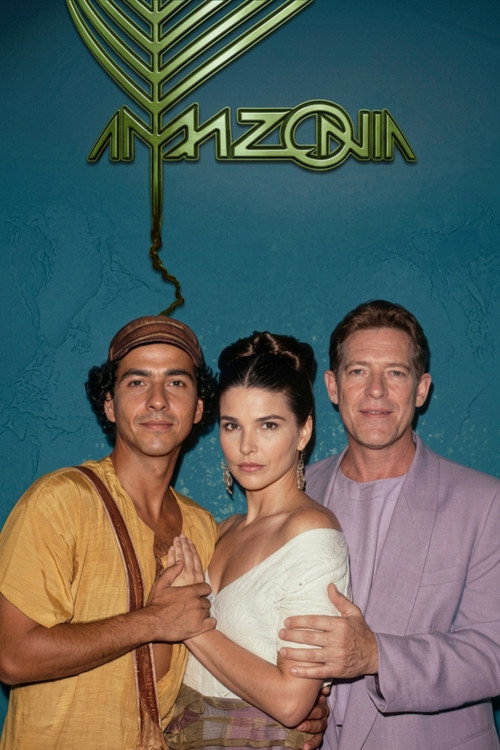
Amazônia

Maria da Graça Xuxa Meneghel, about to celebrate her 60th birthday and more than 40 years in the business, looks back at all the important moments in her life and career. Successes and disappointments, fights and love, she retraces her entire trajectory.
Xuxa, O Documentário

No description available.
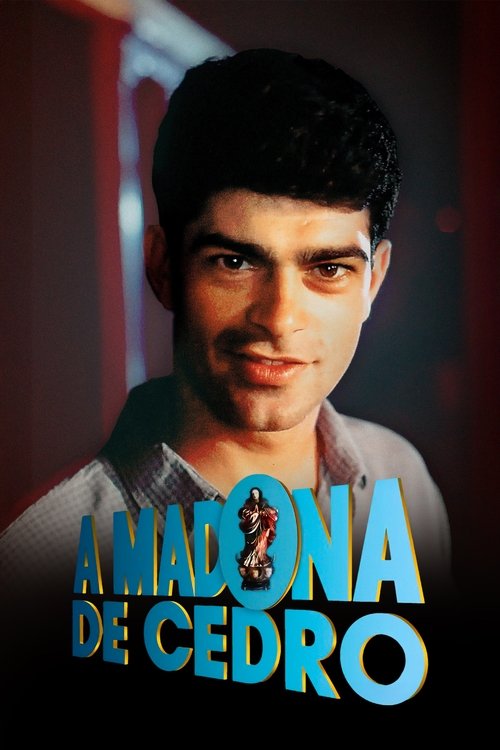
A Madona de Cedro

No description available.
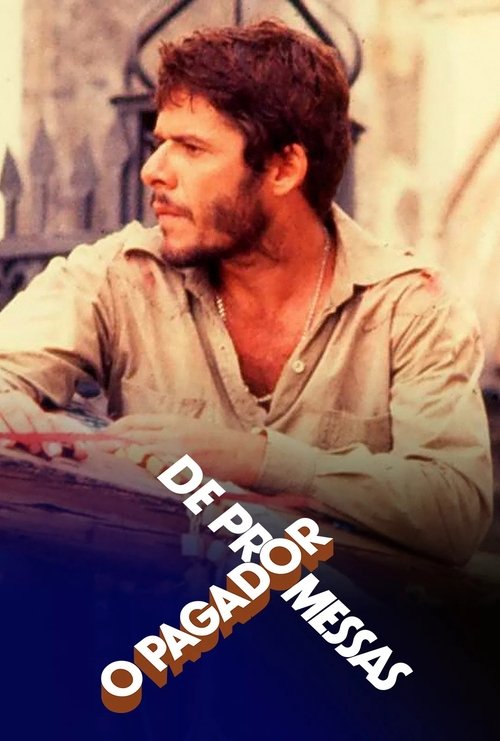
O Pagador de Promessas

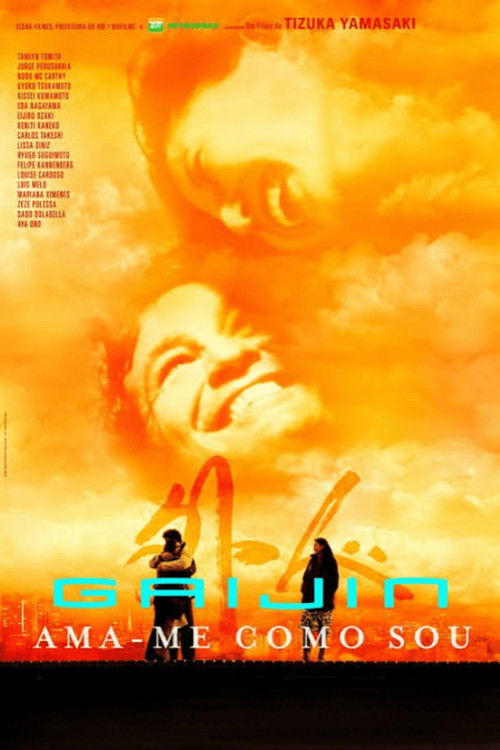
In 1908, Titoe leaves her home country of Japan to try her luck in Brazil. Her intention is just to get rich and return in five years, but life has other plans for her.
Gaijin 2: Love Me as I Am

Based on fact, this is the story of the struggles of Japanese immigrants who traveled to and settled in Brazil looking for a better life.
Gaijin: A Brazilian Odyssey

A small town girl, who's an aspiring singer, tries to make a living out of music in the big city of Rio de Janeiro.
Bete Balanço

Nena, a journalist and former student of the Two Hearts dance academy, tries to stop the school from being sold to a group of drug dealers. She trains a group to win the Requebra dance contest that would give them the necessary money to carry their plans.
Xuxa Requebra

Based on the book O Fantástico Mistério de Feiurinha, the story combines real world and fantasy, dream and determination, with a surprising end, even for a fairy tale. The movie shows the fight of the fairy tale characters, now adults, who come together to recover the fable of the Little Ugly Princess, a beautiful Princess with a strange name, which only makes sense for those who know her story. The problem is that children and adults have forgotten the story of the Little Ugly Princess, which is as wonderful as other major fables for children. Cinderella brings together other fairy tale characters to meet the writer who keeps, lost in a small notebook, the Little Ugly Princess story.
Xuxa and the Mystery of the Little Ugly Princess

When a prominent U.S. Nobel Laureate arrives in Salvador, Bahia, the city with the largest black population in Brazil, he stirs emotions by championing a long-forgotten local writer named Pedro Archanjo, who believed that humanity would be improved only through miscegenation.
Tent of Miracles

The fairy tale story of Maria da Graça, a small town girl with big time dreams of becoming a singer, who moves to Rio de Janeiro to pursue her ambitions.
Crystal Moon

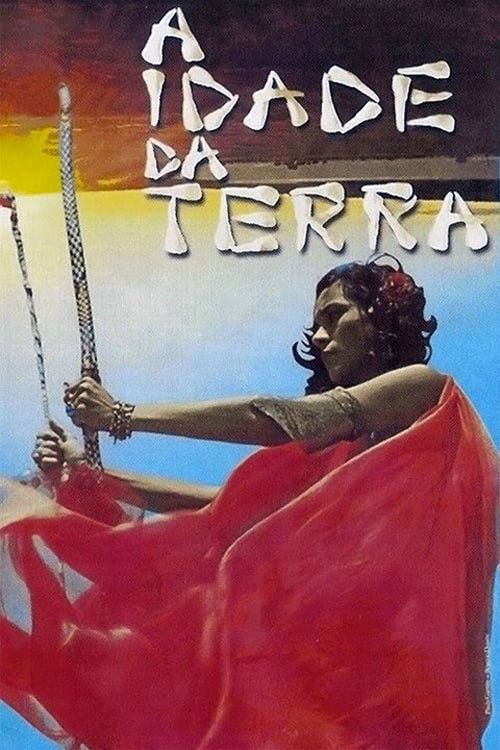
Drawing inspiration from a poem penned by Castro Alves, this film vividly captures the political, cultural, and intellectual climate of Brazil during the late 1970s. At its core, the story revolves around four distinctive embodiments of Christ's image: a black man, a soldier, an Indian, and a guerrilla fighter. These courageous individuals, hailed as the harbingers of doom in the tupiniquim lands, valiantly combat the insatiable avarice and oppressive "civilizing" brutality propagated by the formidable John Brahms—a foreign exploiter devoid of morals.
The Age of the Earth

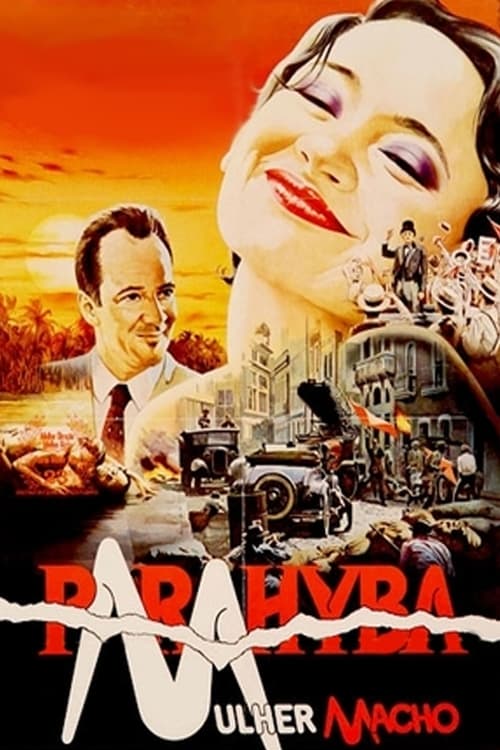
Account an important part of the history of Brazil, through its main character, Anayde Beiriz a poet, journalist and revolutionary and libertarian teacher of the early twentieth century, known for its sexual liberalism, which shocked the pre-Revolution in the state of Paraíba during 1930. His love for João Dantas eventually forge João Pessoa's death, at that time, governor of of Paraíba. These events served as a trigger for the a revolution.
Parahyba Mulher Macho

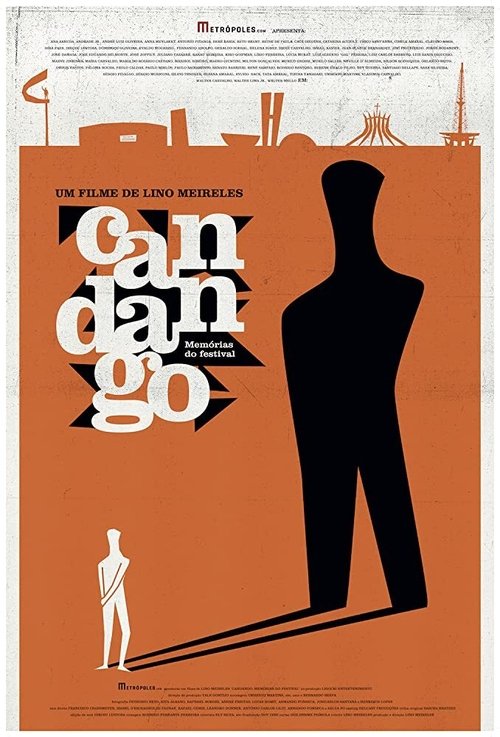
In 1965, a year after the military coup in Brazil, an oasis of freedom opened in the country's capital. The Brasília Film Festival: a landmark of cultural and political resistance. Its story is that of Brazilian cinema itself.
Candango: Memoirs from a Festival

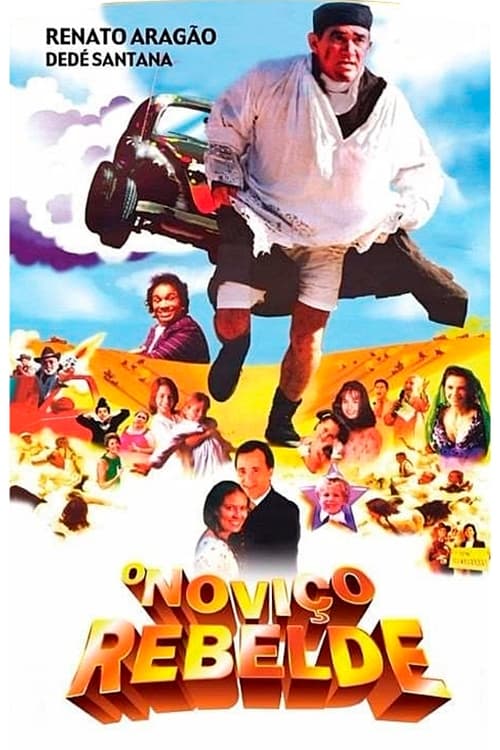
The troubled adventures of a country novice who goes to the big city to work as a nanny, taking care of the young and rebel sons of a widow businessman.
O Noviço Rebelde

Adaptation of the series shown in 1988. The humble farmer Zé do Burro makes a promise to Santa Bárbara to save his donkey Nicolau from death. The payment is to carry a heavy cross from the interior of Bahia to a church in Salvador. When you reach the steps of the church, with injured shoulders, you have to deal with the incomprehension of a conservative priest.
Luz, Câmera, 50 Anos: O Pagador de Promessas - O Filme

Nick, a famous fashion model, decides to retire and goes back to her home country Brazil, after a briliant international career. She becomes the head executive of Popstar, the modeling agency where she started her career, and has to deal with intrigues, fashion faux pas and a budding online romance with Sunshine, a mysterious online friend.
Xuxa Popstar

No description available.