Zoltán Fábri
Directing
Biography
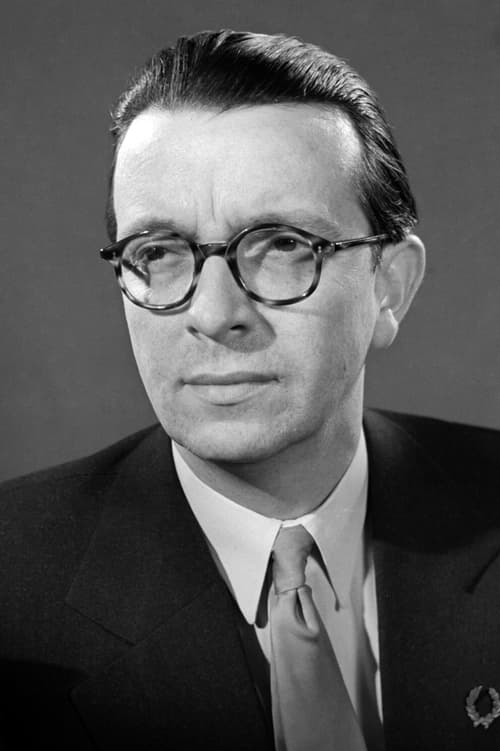
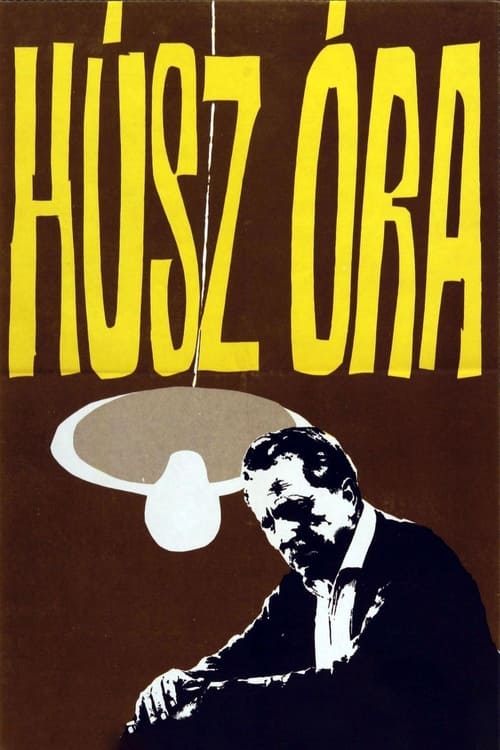
Zoltán Fábri (15 October 1917 – 23 August 1994) was a Hungarian film director and screenwriter. His films The Boys of Paul Street (1969) and Hungarians (1978) were nominated for the Academy Award for Best Foreign Language Film. His 1965 film Twenty Hours shared the Grand Prix with War and Peace at the 4th Moscow International Film Festival. His 1969 film The Toth Family was entered into the 7th Moscow International Film Festival. His 1975 film 141 Minutes from the Unfinished Sentence was entered into the 9th Moscow International Film Festival, where he won a Special Prize for Directing. Description above from the Wikipedia article Zoltán Fábri, licensed under CC-BY-SA, full list of contributors on Wikipedia.
Known For

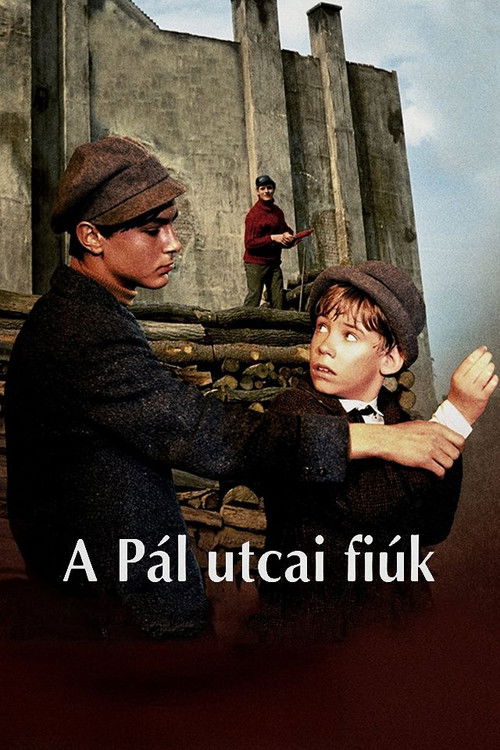
In Budapest, two rival gangs of young boys lay claim to a vacant lot. The hostilities escalate yet never quite boil over into actual violence.
The Boys of Paul Street

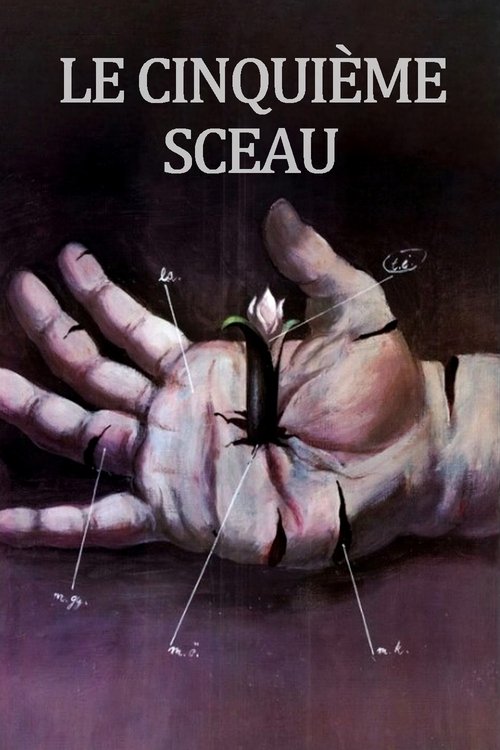
In 1944 Budapest, one of a group of four friends poses a hypothetical moral question to the others, an act that will unexpectedly alter their lives forever.
The Fifth Seal

To celebrate Hitler's birthday, a soccer match is organised between the Germans and a group of Hungarian political prisoners, one of whom is a famous pre-war football star.
Two Half-Times in Hell

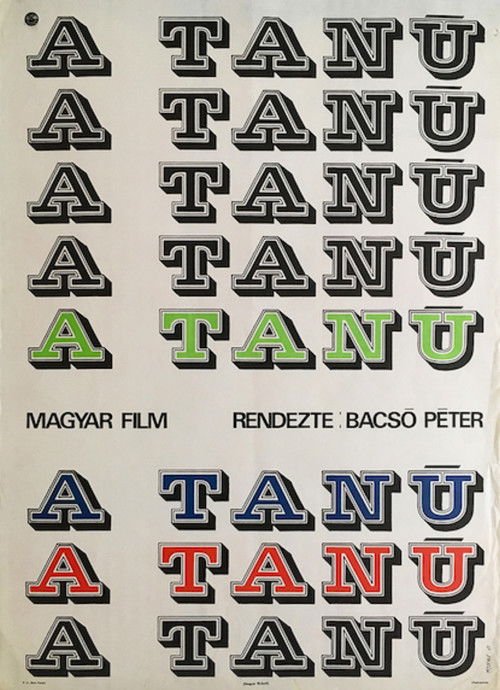
Hungary, 1950s. József Pelikán, who works as a dam keeper on the Danube, meets by chance Zoltán Dániel, an old friend whom he saved from death years before and who is now a powerful politician.
The Witness

Edit, who became the wife of a politician out of a simple peasant girl, suddenly becomes a widow as a result of an accident. She never loved her husband. She lives a wealthy and lonely life amidst false friends, facing one of the last alternatives of her life, i.e. having to face her past in the hope of an independent new beginning.
Binding Sentiments

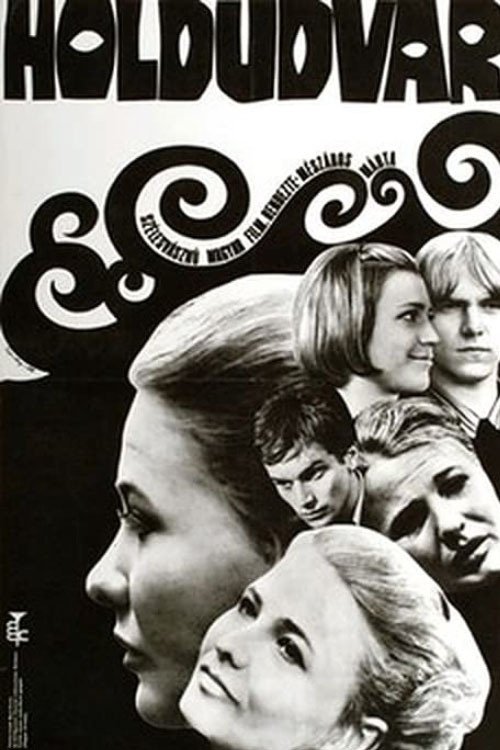
The head of the nunnery is dying, and the members are divided in two groups as the election of the new head approaches. Led by Virginia, the younger nuns stand up for changing the strict religious dogmas and would like a modern school with genuine science, a bathroom to be built, and a freer spirit. Their candidate is sister Magdolna, who went to secular universities, too. The seminarists, led by Király Erzsi, also rebel against the older nuns' strict discipline and the depressed atmosphere of the institution. However, Magdolna does not want to stay involved in the fight because she is deterred by Virginia's sinful attraction towards her and the tools Virginia is using to gain victory at any price.
Ants' Nest

A group of landless Hungarian peasants accept work as migrant-laborers on a farm in northern Germany where the wages are good, and the wives and family are allowed to accompany them. Though it is in the midst of World War II, they are relatively well-off. However, they glimpse the treatment accorded to POWs and others who are not so gently treated, and at the conclusion of the year's harvest, they choose to return to Hungary and are quickly swept up in the tides of war. This film is part of a series of films by award-winning, well-respected director Zoltan Fabri who devoted much time and effort chronicling the struggle against fascism.
Hungarians

The twenty-year-old Gida, having just survived his first amorous disappointment, falls for Katinka, the young widow, at first sight.
Summer Clouds

Baradla Géza, war criminal, returns after 25 years, with his ex-accomplice, Obrád Simon, to the village where he burned houses with people inside and executed partisans. The ex squad-leader is chased to this place by his "heroic deed" and the memory of his love. Like a maniac, he wants to forgive the village residents for having killed six of his soldiers.
One Day More or Less

1918. Fábián Bálint is forced to kill humans on the Italian front. At home his sons drown the priest, the lover of their mother, in the river Kraszna. Mrs. Fábián turns insane. Following his arrival home Bálint becomes the liveried coachman of the baron.
Bálint Fábián Meets God

In 1963 in Tihany, somebody addresses the writer Gábor Náday. He is reminded of a night drive in 1944 that saved his life. Painful memories start coming to Náday.
Darkness in Daytime

The young maid, Anna starts to work for the noble Vizy family. Mrs Vizy is proud of the hard-working servant but doesnt treat her well. Her nephew seduces Anna with sweet words, but when leaves her as soon as she gets pregnant. The humiliations of Anna finally lead to a tragic ending.
Sweet Anna

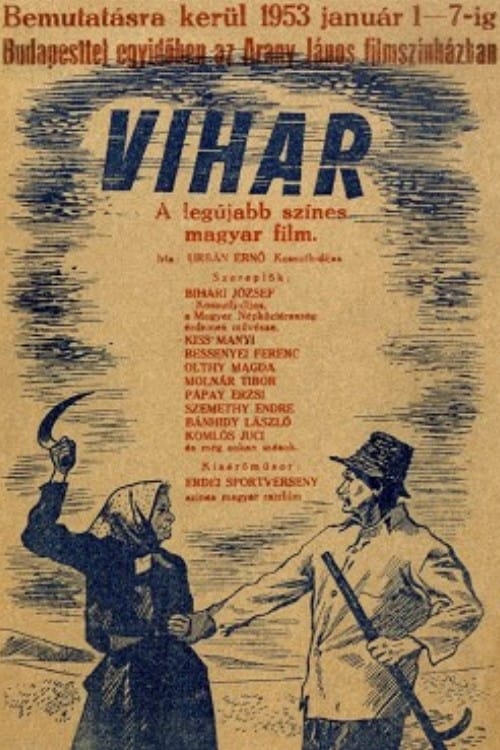
Vörös Hajnal (Red Dawn), a co-operative is the venue of skylarking, while the storm destroys the wheat which is to be harvested soon. Árendás, a middle-peasant, voices severe accusations against members of the co-operative: out of negligence, they failed to keep the ditches clean. It is always the soft option they seem to favour, while the necessity of properly taking care of the farmlands is long-forgotten. Members of the co-operative and the village people are deeply divided.
The Storm

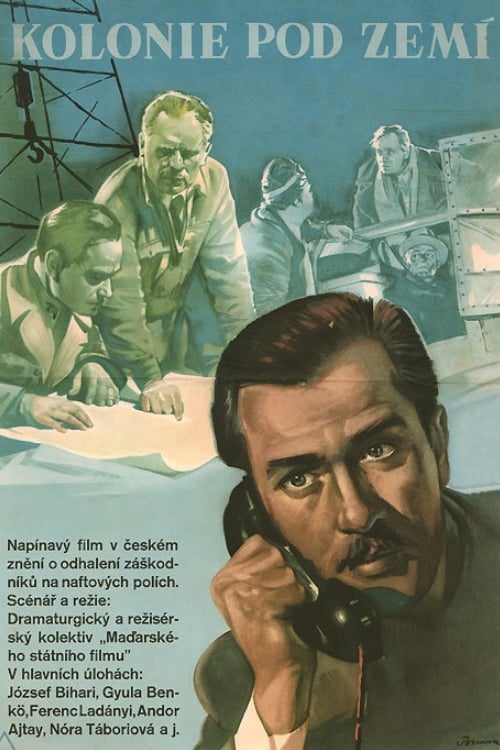
In 1948, when Hungarian industry counts on almost every liter of fuel, the production of Makert, an American oil company in Hungary, is declining by the day. The firm's American owners claim that the oil field is depleted. However, the new government controller, Nerges, discovers that this is sophisticated sabotage by which representatives of American industrial circles want to disrupt socialist construction in the country. With the help of Hungarian state security officers, Nergesz uncovers and neutralizes the saboteurs at the mine and hastens the Hungarian people's decision to nationalize Makert.
Underground Colony

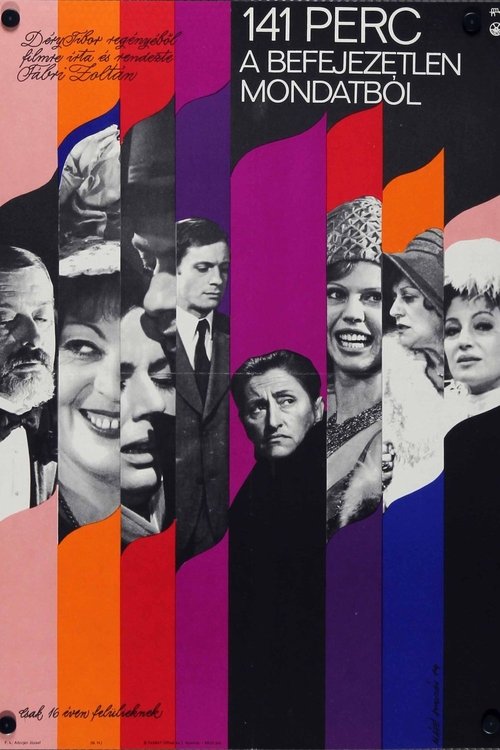
This lavishly spectacular film focuses on the character of Lőrinc Parcen Nagy from the 1200-page Tibor Déry novel interwoven with numerous autobiographical elements. Lőrinc Parcen Nagy is the offspring of an upper middle class family, whose life is marked by two violent deaths: the suicide of his father and the slaughter of an innocent worker. He breaks with his family and his mother in disgust; she is of weak character, a person who abandoned her own husband. He is also unable to discover the right tone with his colleagues and his lover who is an illegal party worker.
141 Minutes from the Unfinished Sentence

The Toth family resides in Northern Hungary. The couple has a daughter and a son, the latter a member of the armed forces. When his weary major is ordered to take a vacation, the son talks him into a visit to his family home. Comedy ensues when the Toths go overboard trying to make things pleasant for the visiting major in hopes of an easier life for their son the soldier.
The Toth Family

In a rural scenery in the throes of difficult changes lives a humble but promising young farmer girl called Mari Pataki. Her father forbids her from seeing the man she loves. The father, above all preoccupied by work on the fields and prospective wealth, decides to give his daughter in marriage to an old but rich man with whom he does business. Land marries land, he says. This seems to be the unyielding rule of the Hungarian peasantry. But the young lover is ready to stand up to any challenge to keep Maris love.
Merry-Go-Round

Kerekes believes he is wanted by the police when his friends play a practical joke in this unusual comedy drama. He returns to his hometown where he was accused of turning a Jewish druggist and the druggist's wife over to the Nazis. With his friends following him, Kerekes tries to find out what became of the couple after they were deported. After being subjected to a mock trial by his friends - and found guilty - Kerekes becomes despondent and attempts to kill himself. Flashbacks and hallucinations are employed to tell this story that occurs during the Eichmann trial. Both the film and Antal Pager gained some unwanted publicity when a Variety article from April 23rd, 1967 accused Pager of being a Nazi collaborator for his role in an anti-Semitic film during World War II.
Late Season

September 1952 in a mine in Northern-Hungary after an explosion water breaks in from the neighbouring shaft and fourteen miners become trapped. The whole country unites to save them.
Fourteen Lives

We have linguists, we have literary men, we have newspapers, actors, musicians, but we have no national opera!", lamented the champions of national revival in the middle of the last century. Hungarian music culture at home is limited to the performance of works by foreign composers. And the public demands Hungarian opera, and such a challenge is not easy to meet. So let's see who is up to the task!