Directing
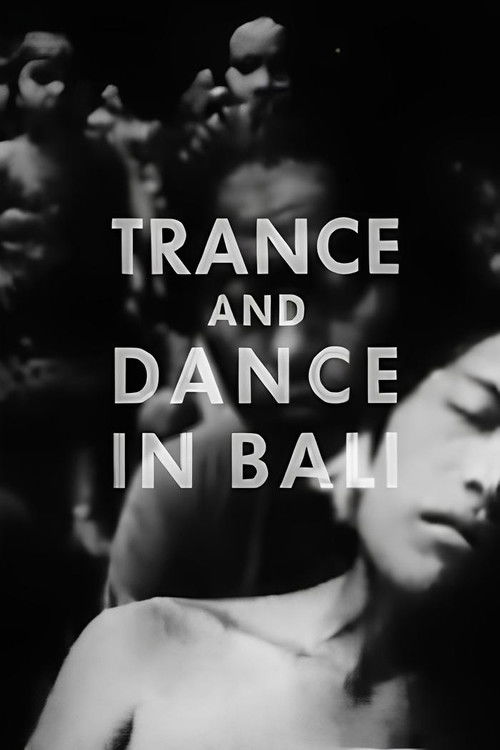
Filmed in Bali in 1937 and released in 1952, this short documentary records a staged performance of the Kris Dance, documenting trance, ritual possession, and ceremonial movement within Balinese religious practice.
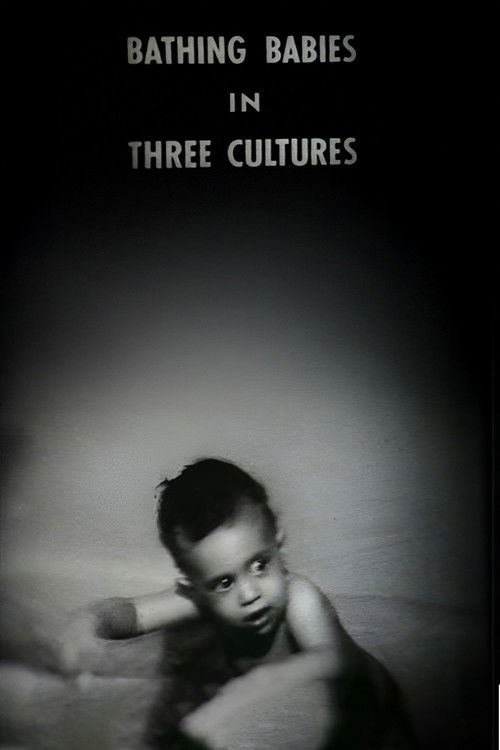
This short ethnographic film presents a comparative study of infant bathing practices in three cultural settings: Bali, Iatmul communities along the Sepik River in New Guinea, and the United States. Through observational sequences, the film documents differing methods of mother–child interaction, caregiving routines, and degrees of maternal protection, situating everyday domestic practices within broader patterns of cultural socialization.
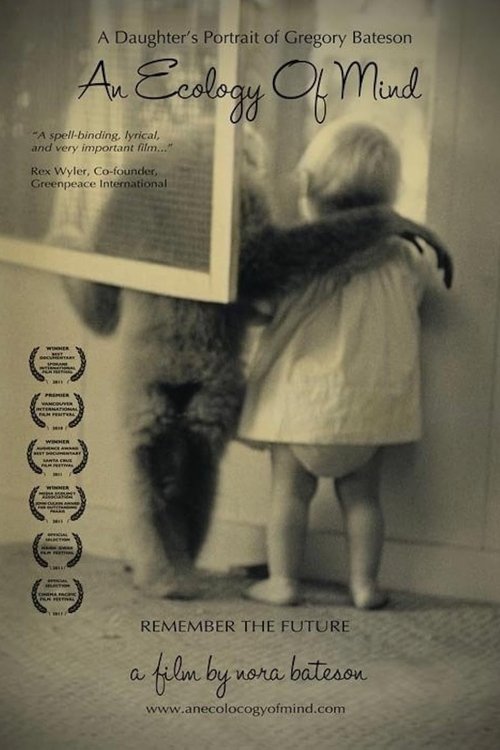
A portrait of Gregory Bateson, celebrated anthropologist, philosopher, author, naturalist, and systems theorist. His story is lovingly told by his youngest daughter, Nora, with footage from Gregory's own films shot in the 1930s with his wife Margaret Mead in Bali and New Guinea, along with photographs, filmed lectures, and interviews.
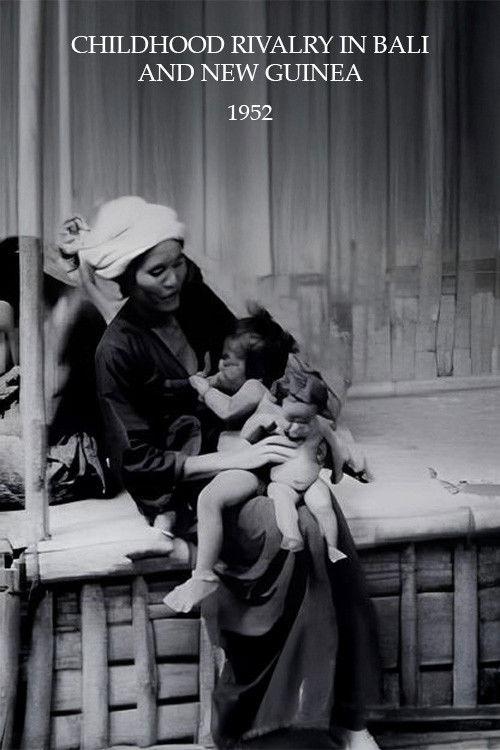
This short ethnographic film presents comparative scenes of children of the same age in Bali and New Guinea responding to maternal attention given to another child. Produced as part of Gregory Bateson and Margaret Mead’s Character Formation in Different Cultures series, the film documents culturally distinct approaches to sibling rivalry through observational sequences involving infant care, ritual ear-piercing, and experimental interaction with a doll.
A documentary on the influential anthropologist Margaret Mead. Using never-before-seen archival footage, stills, interviews and dramatic re-creations, it shows the journey of how Mead became a scientist, adventurer, and international celebrity. As a true pioneer of cultural anthropology, her findings and ideas shaped how we think about ourselves.
This tape is the first of Hill’s works for which he deliberately wrote a screenplay. The title defines the piece’s starting point: Alice in Wonderland asks her omniscient father why things get in a muddle. They then talk on a metalinguistic level. A glimpse through the looking glass reveals an inversion of the customary order of things. The father ingests the smoke from his pipe, Alice does not so much blink her eyelids momentarily open as stare wide-eyed, and the playing cards fall out of the air in an orderly manner into the girl’s hand. (Gary Hill: Selected Works and catalogue raisonné, edited by Holger Broeker)
"...an almost real-time verite portrait of a one-year-old boy’s daily routine" (Light Industry screening notes).