Javier Olivera
Directing
Known For

This incredibly disturbing story follows the exploitation of an apprentice butcher, Hermógenes, and his trial after he murders his boss in broad daylight. Hermógenes, a farmhand from northern Argentina, relocates to Buenos Aires in search of a better life for himself and his young wife, but soon finds himself at the mercy of a corrupt boss. The film is based on a thorough investigation of a real event that happened in Buenos Aires 10 years ago. Almost every scene in the film is inspired by real facts or based on well documented daily practices of the “meat business” and its environment. Both a shocking exposé of unscrupulous practices in the meat industry and a heart-wrenching personal story, El Patrón became one of the most successful Argentine films of 2014.
The Boss: Anatomy of a Crime

No description available.
Al filo de la ley

No description available.
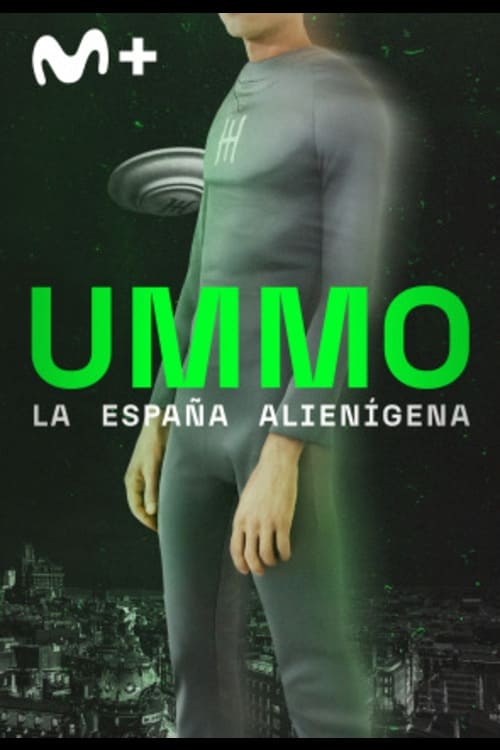
Ummo: La España alienĂgena

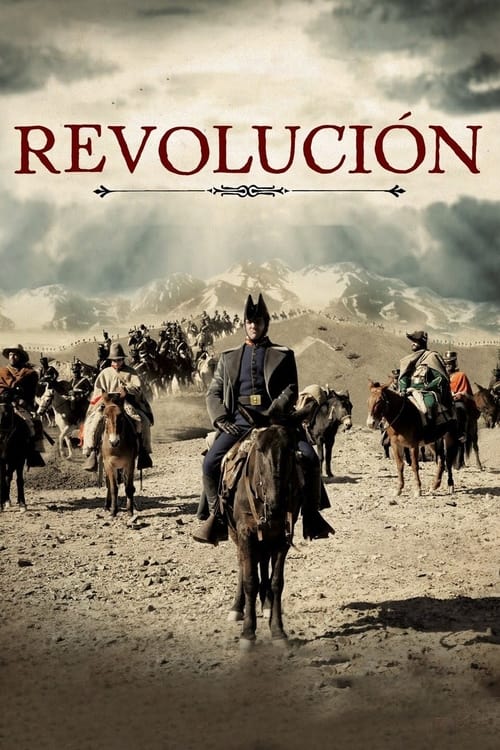
Buenos Aires, 1880. A journalist interviews Manuel Esteban Corvalán, one of the last living men who crossed the Andes in 1817 with JosĂ© de San MartĂn, during the Argentinian and Chilean wars of independence, as one of his secretaries, when he was only 15 years old.
The Crossing of the Andes

David Alfaro Siqueiros, recognized Mexican muralist, travels to Argentina in the thirties with the purpose of giving a few conferences and paint a mural of revolutionary subject matter, which faces local political rejection. The press mogul head of the newspaper Critica, Natalio Botana, personal friend to the President of the Nation AgustĂn P. Justo, propose Siqueiros to collaborate in the cultural supplement of the diary and paint a mural in the basement of his Villa Los Granados. Siqueiros accepts and does that his wife the poet Blanca Luz Brum meets him, his arrival to Los Granados and his romance with Botana provokes the jealousies of his powerful anarchist wife Salvadora Medina Onrubia and Siqueiros himself, which turns the Villa almost in one of the scenes of the Ejercicio Plástico, how Siqueiros named his work.
The Mural of Siqueiros

Pedro, a Falklands veteran, cannot forget the days when he was in the trenches, nor can he forget RaĂşl, his best friend, who stayed forever in that desolate place of nightmares.
El visitante

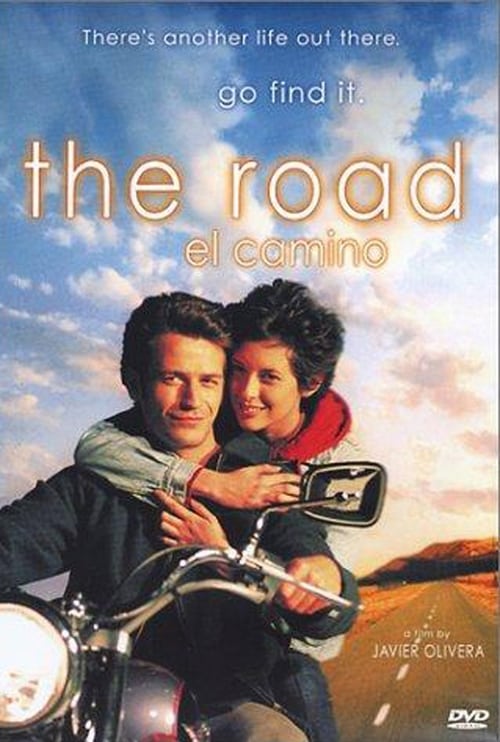
Manuel is a lonely young man of upper middle class who lives in Buenos Aires with his mother. Due to a fortuitous circumstance, one day he discovers that his father, whom he does not know and whom he supposes living abroad, is in the country. He decides to go and look for him and on his motorcycle starts a long way south through Patagonia.
El camino

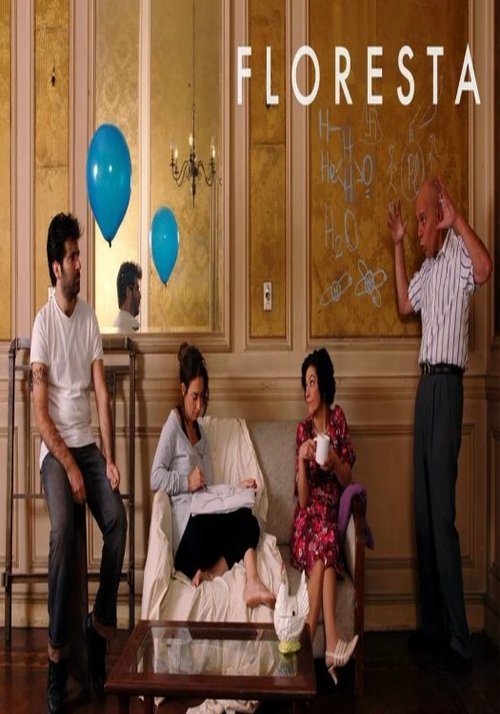
A foreigner arrives to Floresta and stays in a shared house.
Floresta
![The Stranger: Notes on [Self] Exile](https://image.tmdb.org/t/p/w500/5O5WKJUl1vNhpauDGGZlkVInE2P.jpg)
As in a diary or a notebook, images and sounds display -in an intimate and reflective way- the emotional state during (self) exile. A film that blends languages of video art with essayistic documentary; classic B&W Argentine features and found footage with personal archival material; texts from quotes to notes on a diary. We travel to question our identity and the notion of homeland. In doing so, the body is thought of as the territory of one´s own nation. However, places change but the question remains the same: will this be my place?
The Stranger: Notes on [Self] Exile

No description available.
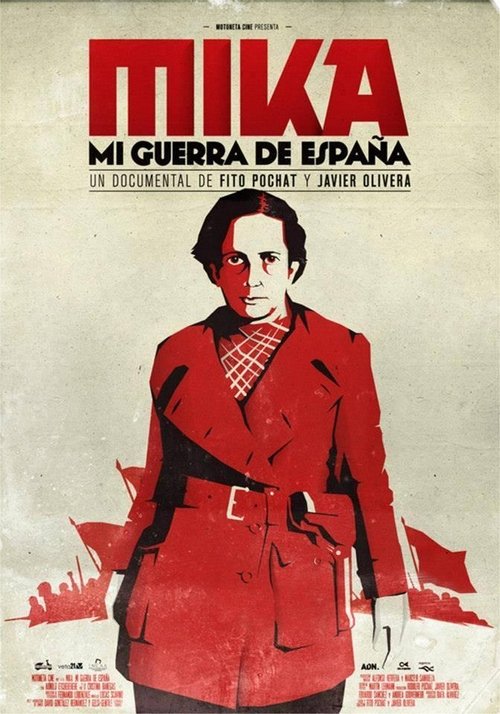
Mika, mi guerra de España

Time advances and leaves traces, in the bodies, in memory, in the cinema. A child grows up in an uncertain world, while his father, camera in hand, tries to capture that moment and build a bridge to the future. Between fragments of life, reflections and farewells, the question arises: how to raise a child in a time marked by collapse? Far from the noise of the city, looking for another way to inhabit the world, the director receives a visit from his father, a man who once lived in cinema and now carries the fragility of the years. Between grandfather and grandson, the director discovers himself in transit: still a son, now a father. The skin is a portrait of love as a refuge, of memory as an anchor and of cinema as a witness.
La Piel
No description available.
La sombra

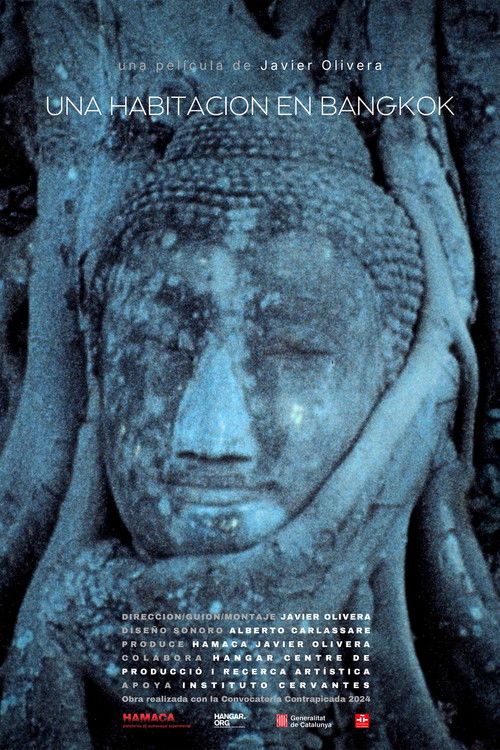
Using Super 8 footage, the director revisits a childhood trip to Asia, where his father’s business partner documented his family. Haunted by memories of a night in a Bangkok hotel, he grapples with fragmented memories, trauma, and the power of forgetting.