Benny Chan Yin Kai
Crew
Known For
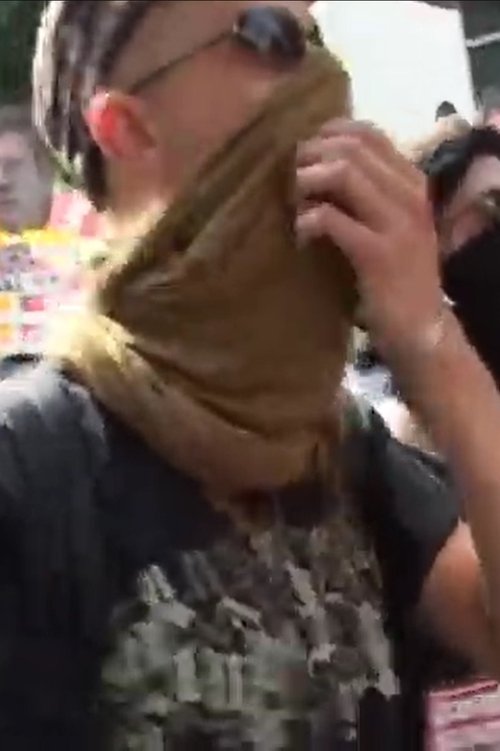
Seven activists from Hong Kong joint the global fight against the G8 Summit in Hokkaido Japan 2008. Given the fact that global warming, labor and energy issues were discussed and covered by mainstream media, they tried to get their voice heard to the leaders at the Windsor Hotel in Toyako (The Toya Lake), but they experienced hospitality of Japanese police brutality from the city rallies to the protest in the mountains.
Good luck, Comrades!

After the anti-express rail protests, Choi Yuen Village’s struggle did not end with the railway project approval. Villagers shifted from fighting demolition to painstakingly relocating and rebuilding their community. In 2011, they planned the new village together—including house design, sewage, and land use—while facing government pressure to move out by November. Road access issues caused additional worries. As demolition began, villagers stood together to protect their homes and demanded time to build before moving. By May 2011, villagers left their longtime homes for makeshift housing on newly bought farmland, continuing their collective effort. Their unity in overcoming countless challenges set an example for other rural communities and shows that real resistance is a long journey requiring ongoing attention.
Raging Land 3: Three Valleys
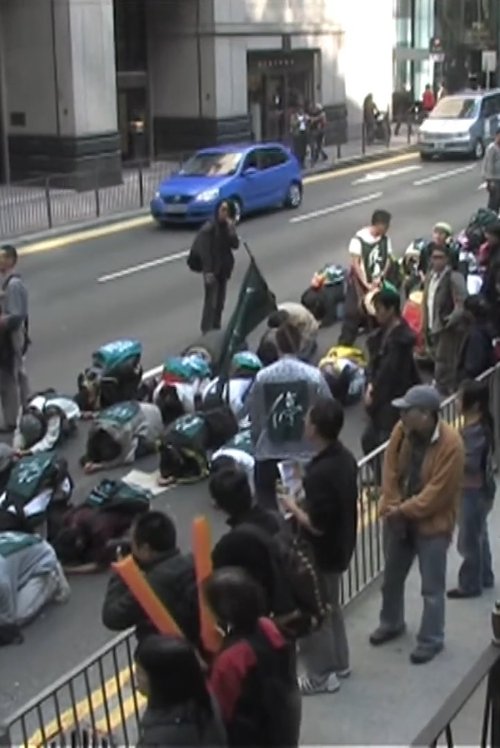
In late 2009, over twenty Hong Kong civic groups united as the "Anti-High-Speed Rail, Stop Funding" coalition, aiming to halt Legislative Council approval of the HKD 66.9 billion Express Rail Link amid deep social rifts. The "Post-80s Anti-High-Speed Rail Youth" group drew thousands of young people with their slogan “Defend Our Homeland, Protest with Joy,” leading to three funding suspensions that surprised the public. Media coverage was intense and innovative, featuring rare camera angles and lively online debate among journalists. This documentary explores how reporters shaped the movement, their emotional involvement, and the dynamic relationship between the media and activists during Hong Kong’s pivotal 2009–10 protests.
Anti-XRL Campaign - Media Perspective
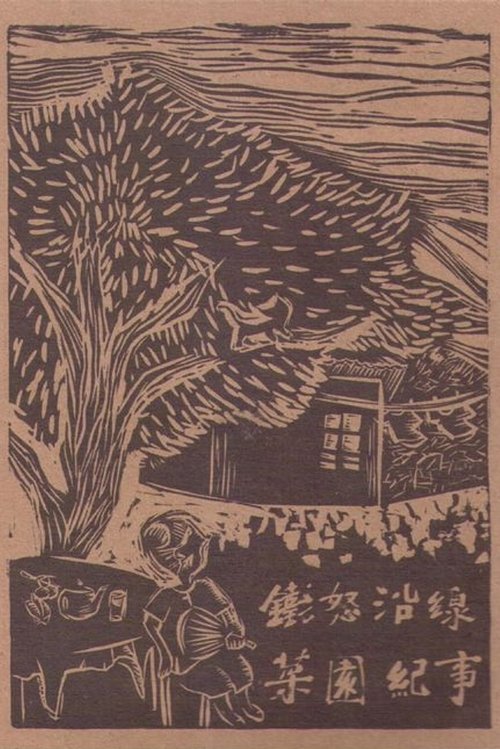
This is a film about Choi Yuen Village, documenting villagers’ lives in the summer and autumn of 2009. Suddenly, weekly meetings, guided tours, protests, and ambiguous government consultations entered their routines. They had to recount their personal histories and the meaning of life. The common belief that protests were only about money began to loosen. The word "agriculture" reemerged for Hongkongers. The timeline depicted in the film leads up to the peak of the anti-high-speed rail protests around the Legislative Council. In the end, the railway was decided to build. In spring and summer 2010, villagers searched for land and negotiated with the government to rebuild their homes and lifestyle, valuing community, and coexistence with nature. What sustains their deep connection to land and life?
Raging Land 1: A Record of Choi Yuen Village
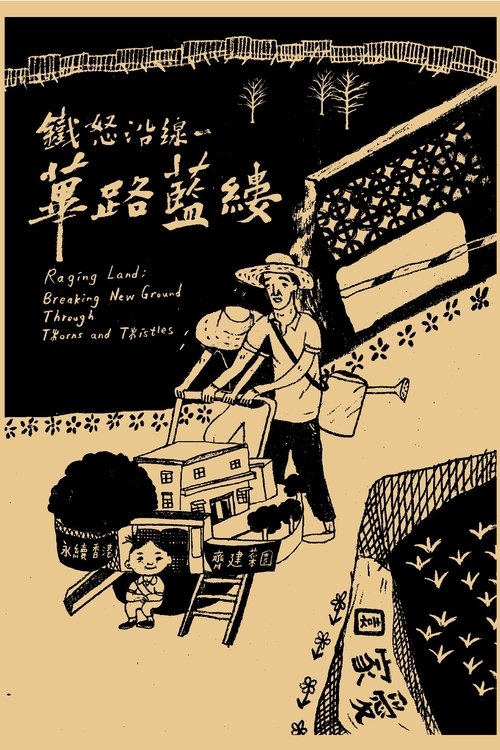
Choi Yuen Village faced demolition by the express rail project. In 2009, villagers protested and petitioned, sparking the anti-express rail movement. Despite their efforts, the railway plan was approved in early 2010. Forced to choose between leaving or rebuilding, they opted for the government’s land rehabilitation scheme to create a new village together. With volunteers, they searched for land in Pat Heung and fought to prove their status as farmers. Many outsiders misunderstood, believing the villagers received generous compensation and government help. Yet, it was the villagers’ shared determination and love for their land and way of life that carried them through, even as the once-barren longan trees bloomed again in 2010.