Acting
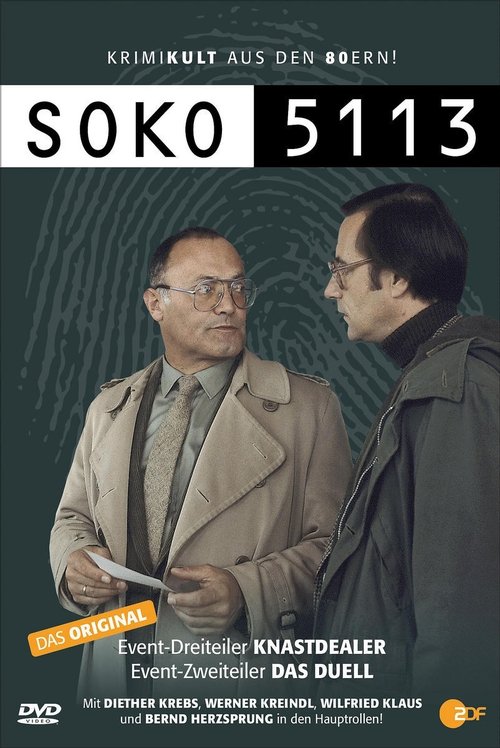
SOKO 5113 is a long-running German police procedural television series. It was first aired in 1978 on 2 January. SOKO is an abbreviation of the term "Sonderkommission" in German.
No description available.
Aktenzeichen XY … ungelöst is a German television programme broadcast since October 1967 on ZDF that aims to combat and solve crimes. Until 2003 it was produced in co-operation with the Austrian public service broadcaster ORF and Schweizer Fernsehen, a division of the Swiss public broadcaster SRG SSR idée suisse. It was the basis for the BBC show Crimewatch, the Dutch show Opsporing Verzocht and its US equivalent America's Most Wanted.
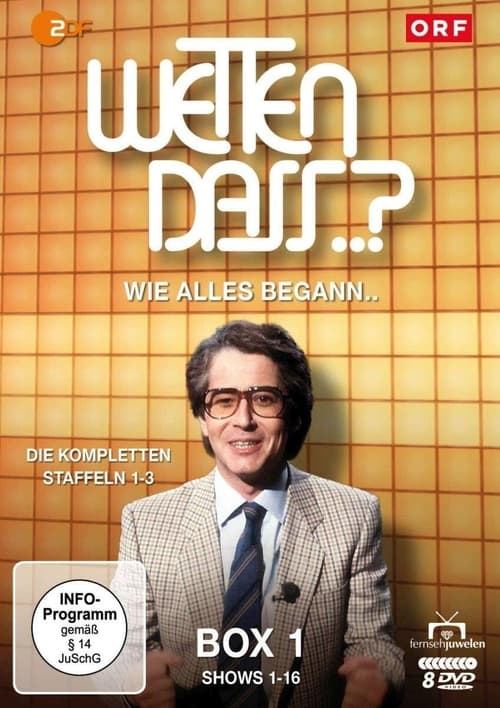
A long-running German-language entertainment television show based on the format of the British show You Bet! and the American show Wanna Bet?.
Der Kommissar is a German television series about a group of detectives of the Munich homicide squad. All 97 episodes, which were shot in black-and-white and first broadcast between 1969 and 1976, were written by Herbert Reinecker and starred Erik Ode as Kommissar Herbert Keller. Keller's assistants were Walter Grabert, Robert Heines, and Harry Klein who, in 1974, was replaced by his younger brother Erwin Klein.
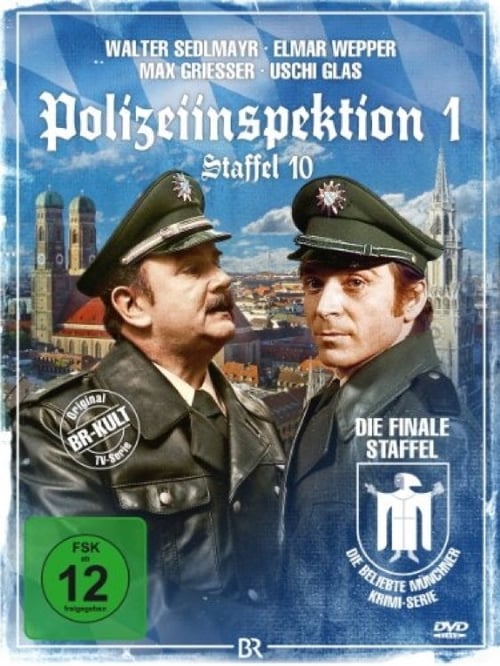
Polizeiinspektion 1 is a German television series.
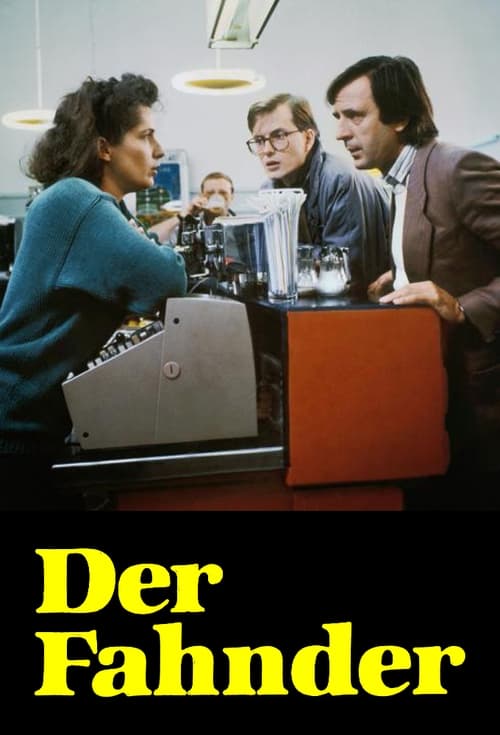
Der Fahnder is a German television krimi series which was aired between 1984 and 2005. In the Netherlands the series was broadcast by the VARA from 3 October 1985.
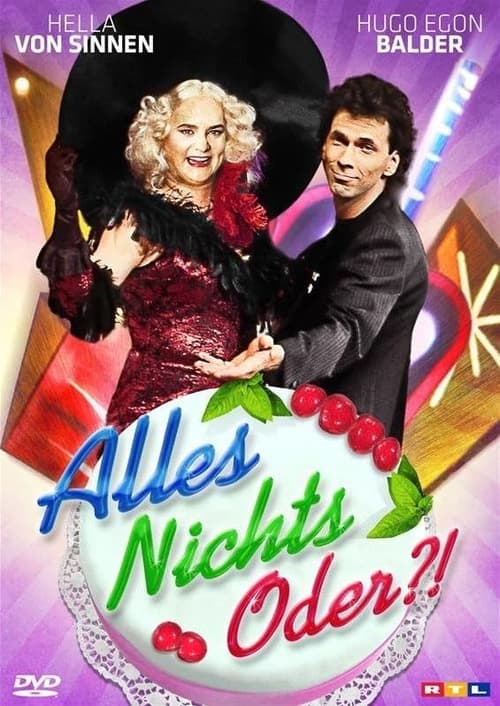
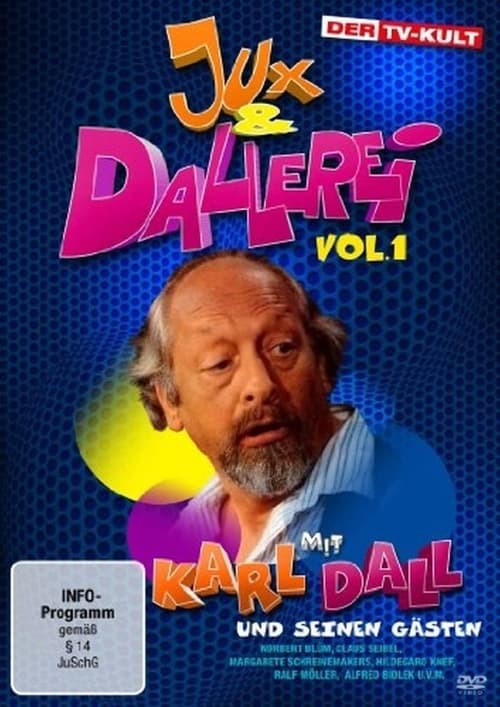
A "children's birthday party" for adults. Each show featured a celebrity guest who had to take part in crazy, silly and often deliberately "moronic" games. Both presenters had to compete against the respective guest in various games.
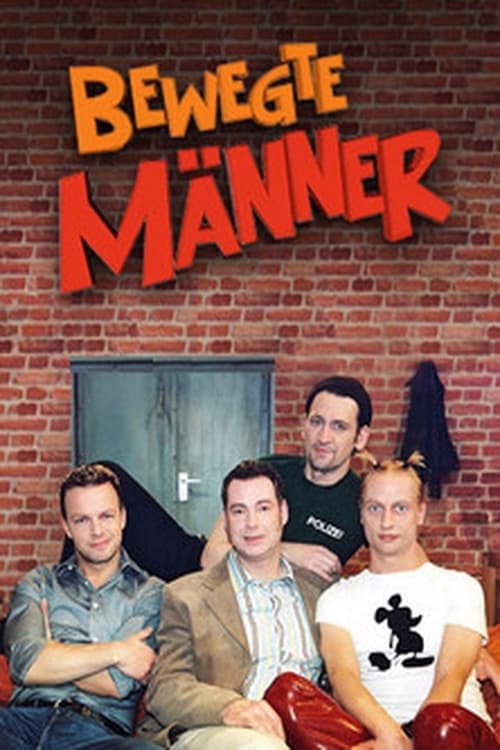
Bewegte Männer is a German sitcom television series, based on the comic by Ralf König. 39 episodes were aired on Sat. 1 between 2003 and 2005.
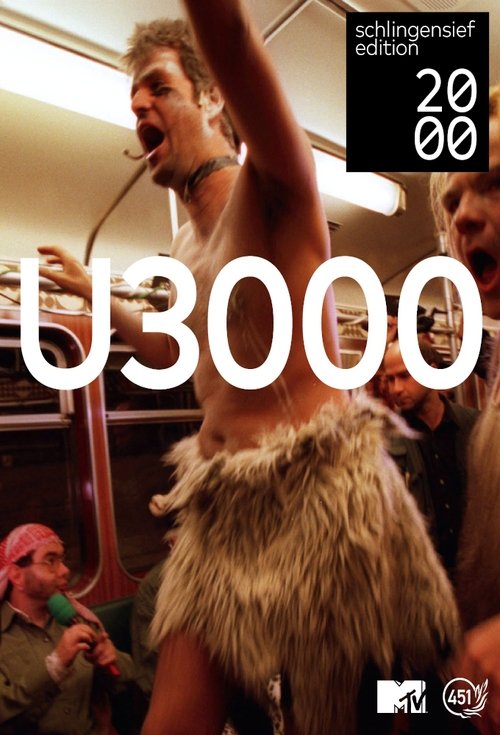
In the eight-part program U3000 (2000), broadcasted by the music station MTV, Schlingensief assumes the role of the presenter who hates himself for his self-love disguised as telegenic selflessness. Common broadcasting formats are all being ridiculed without exception. A socially needy family can qualify for participation by winning the always same outside bet, in order to make their private fate public in front of a running camera and in the presence of passengers in the moving subway. Childlike rounds of games give them the opportunity to improve social welfare, critically watched by a jury made up of the handicapped actors from Schlingensief's ensemble. Aged show stars like Maria and Margot Hellwig, Christian Anders or Roberto Blanco are used in a talk-show wagon as cheap fodder and are forced to show compassion with such victims of the market economy. The bands of the MTV generation (Atari Teenage Riot, Surrogat, Söhne Mannheims and others) play in the dance wagon.
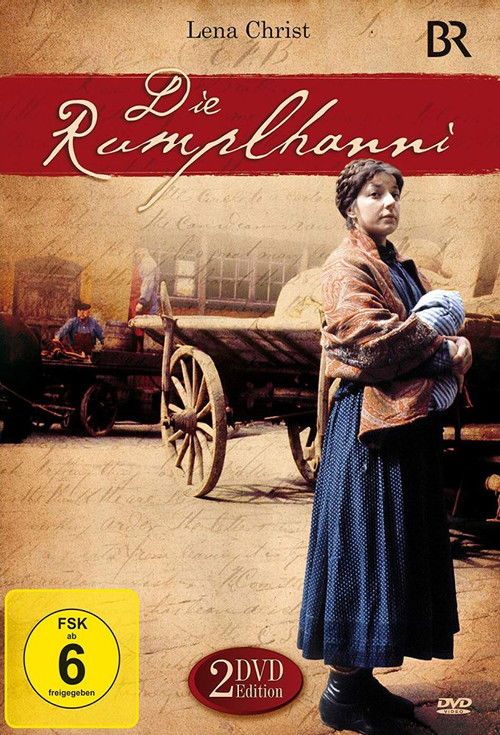
August 1914. In the village of Ă–d, the maid Rumplhanni has a love affair with Simon, son of the farmer Hauser. Before he goes to war, she dizzy to him, she expects a child from him. Simon can persuade his parents to say goodbye to Hanni as a daughter-in-law. Thus she has achieved what she wanted: to come out of the state of an illegitimate maid and to become peasant woman with house and farm. Since the old farmer wants to give her but nothing written, Hanni sets out another plan.