Kam Tong
Acting
Biography
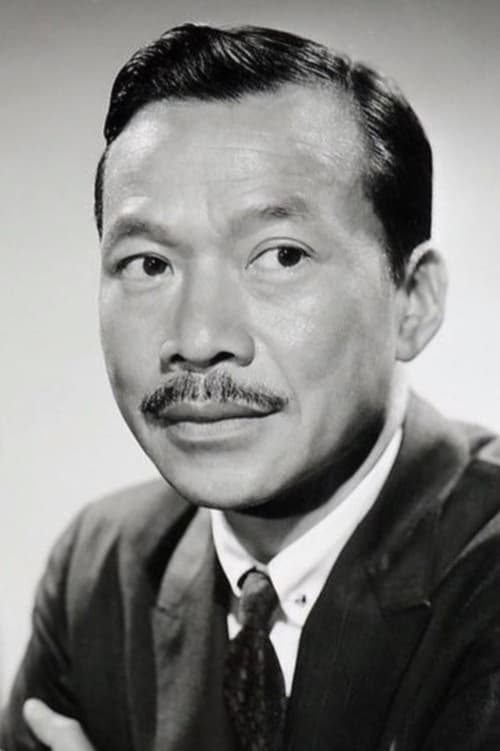
Kam Tong (December 18, 1906 – November 8, 1969) was a Chinese-American actor. He was best known for his role as Hey Boy on the CBS television series Have Gun, Will Travel and as Dr. Li in the film version of the Rodgers and Hammerstein musical Flower Drum Song. Curiously, though appearing as a series regular on Have Gun, Will Travel he was never afforded a regular featured credit, always instead listed undistinguished from the support guest cast, perhaps an indication of inherent discrimination in that regard. Kam was also a regular on the short run CBS-TV series Mr. Garlund in 1960. He appeared in many movies, often as an uncredited Chinese, Japanese, or Filipino character. He appeared in many television shows, including The Man from U.N.C.L.E., The Big Valley, The Time Tunnel, The Final War of Olly Winter, and I Spy. After serving in World War II in an OSS intelligence unit, he became involved in efforts to raise awareness over gun violence. He also owned and operated a restaurant called Shanghai Lil's in San Francisco. On November 8, 1969, Kam Tong died of non-communicable disease. At the time of his death, he was 63 years old. At the time of his death he survived by his large extended friends and family.
Known For

The Shiloh Ranch in Wyoming Territory of the 1890s is owned in sequence by Judge Henry Garth, the Grainger brothers, and Colonel Alan MacKenzie. It is the setting for a variety of stories, many more based on character and relationships than the usual western.
The Virginian

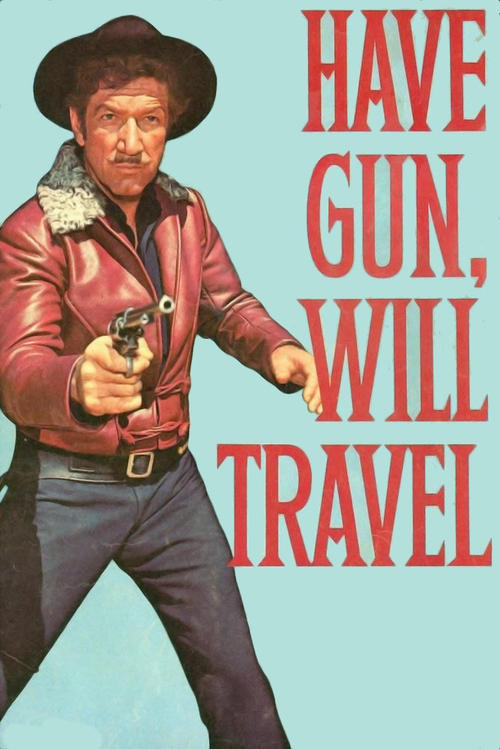
Have Gun – Will Travel is an American Western television series that aired on CBS from 1957 through 1963. It was rated number three or number four in the Nielsen ratings every year of its first four seasons. It was one of the few television shows to spawn a successful radio version. The radio series debuted November 23, 1958. The television show is presently shown on the Encore-Western channel. Have Gun – Will Travel was created by Sam Rolfe and Herb Meadow and produced by Frank Pierson, Don Ingalls, Robert Sparks, and Julian Claman. There were 225 episodes of the TV series, 24 written by Gene Roddenberry. Other contributors included Bruce Geller, Harry Julian Fink, Don Brinkley and Irving Wallace. Andrew McLaglen directed 101 episodes and 19 were directed by series star Richard Boone.
Have Gun, Will Travel

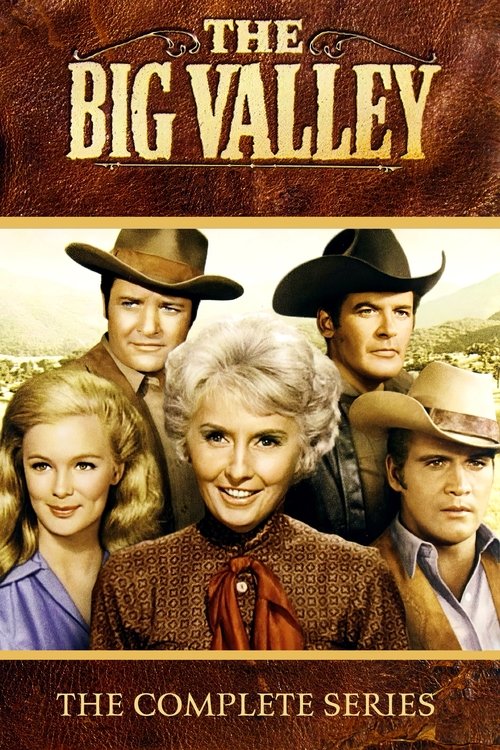
The Big Valley is an American western television series which ran on ABC from September 15, 1965, to May 19, 1969. The show stars Barbara Stanwyck, as the widow of a wealthy nineteenth century California rancher. It was created by A.I. Bezzerides and Louis F. Edelman, and produced by Levy-Gardner-Laven for Four Star Television.
The Big Valley

Agents Napoleon Solo and Illya Kuryakin work for a secret intelligence service working under the auspices of the U.N. Their immediate superior is Mr. Waverly. Together they operate out of a secret base beneath the streets of New York City, and accesses through several cover business such as Del Floria's Tailor Shop and the Masque Club. This secret intelligence service is called U.N.C.L.E. United Network Command for Law and Enforcement.
The Man from U.N.C.L.E.

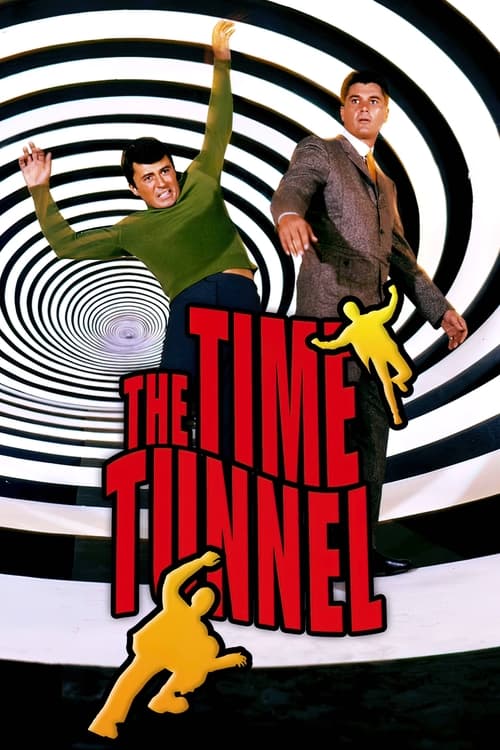
The Time Tunnel is a 1966–1967 U.S. color science fiction TV series, written around a theme of time travel adventure. The show was creator-producer Irwin Allen's third science fiction television series, released by 20th Century Fox and broadcast on ABC. The show ran for one season of 30 episodes. Reruns are viewable on cable and by internet streaming. A pilot for a new series was produced in 2002, although it was not picked up.
The Time Tunnel

Westinghouse Desilu Playhouse is an American television anthology series produced by Desilu Productions. The show ran on CBS television between 1958 and 1960. Two of its 48 episodes served as pilots for the 1950s television series The Twilight Zone and The Untouchables.
Westinghouse Desilu Playhouse

Telephone Time is an American anthology drama series that aired on CBS in 1956, and on ABC from 1957 to 1958. The series features plays by John Nesbitt who hosted the first season. Frank C. Baxter hosted the 1957 and 1958 seasons. The program was directed by Arthur Hiller.
Telephone Time

No description available.
The Third Man

Cavalcade of America is an anthology drama series that was sponsored by the DuPont Company, although it occasionally presented a musical, such as an adaptation of Show Boat, and condensed biographies of popular composers. It was initially broadcast on radio from 1935 to 1953, and later on television from 1952 to 1957. Originally on CBS, the series pioneered the use of anthology drama for company audio advertising. Cavalcade of America documented historical events using stories of individual courage, initiative and achievement, often with feel-good dramatizations of the human spirit's triumph against all odds. This was consistent with DuPont's overall conservative philosophy and legacy as an American company dating back to 1802. The company's motto, "Maker of better things for better living through chemistry," was read at the beginning of each program, and the dramas emphasized humanitarian progress, particularly improvements in the lives of women, often through technological innovation.
Cavalcade of America
CBS Playhouse is an American anthology drama series that aired on CBS from 1967 to 1970. Airing twelve plays over the course of its run, the series was nominated for a number of awards and featured many noteworthy actors and playwrights.
CBS Playhouse

No description available.
The Lone Wolf

Kraft Mystery Theatre is an American anthology series that aired on NBC from June 17, 1961 to September 25, 1963. A successor to Kraft Television Theater with a change of focus away from straight drama. The high productions remained along with the ability to attract well known talent.
Kraft Mystery Theatre

No description available.
All The Wrong Shoes

A group of unlikely travelling companions find themselves on the same stagecoach to Cheyenne. They include a drunken doctor, a bar girl who's been thrown out of town, a professional gambler, a travelling liquor salesman, a banker who has decided to embezzle money, a gun-slinger out for revenge and a young woman going to join her army captain husband. All have secrets but when they are set upon by an Indian war party and then a family of outlaws, they find they must all work together if they are to stay alive.
Stagecoach

A young woman arrives in San Francisco's Chinatown, from Hong Kong, with the intention of marrying a rakish nightclub owner, unaware he is involved with one of his singers.
Flower Drum Song

A widowed doctor of both Chinese and European descent falls in love with a married American correspondent in Hong Kong during China's Communist revolution.
Love Is a Many-Splendored Thing

In order to get back into the good graces with his wife with whom he has had a misunderstanding, a young chemistry professor concocts a wild story that he is an undercover FBI agent. To help him with his story he enlists the aid of a friend who is a TV writer. The wife swallows the story and the film's climax takes place in the sub-basements of the Empire State Building. The professor and his friend, believing themselves prisoners on an enemy submarine, patriotically try to scuttle the vessel and succeed only in rocking the building.
Who Was That Lady?

Stranded in Egypt, Bud and Lou find themselves in the buried tomb of a living mummy.
Abbott and Costello Meet the Mummy

In Shanghai amidst Sino-Japanese warfare an adventurer (Sanders) collecting money from gun suppliers falls in loves with a French singer (Del Rio).
International Settlement

An acerbic critic wreaks havoc when a hip injury forces him to move in indefinitely with a Midwestern family.