Matjaž Klopčič
Directing
Biography
Matjaž Klopčič (4 December 1934 – 15 December 2007) was a Slovenian film director and screenwriter. He directed 28 films between 1959 and 2005. His film Heritage (Slovene: Dediščina) was screened in the Un Certain Regard section at the 1985 Cannes Film Festival. Many of his films starred Polde Bibič. He was the son of the poet Mile Klopčič, and the nephew of the Communist activist and historian France Klopčič.
Known For

The first days of war in Ljubljana. The young hero Niko experiences the bloody and violent transition from childhood to manhood. Based on the novel by Beno Zupancic.
Funeral Feast

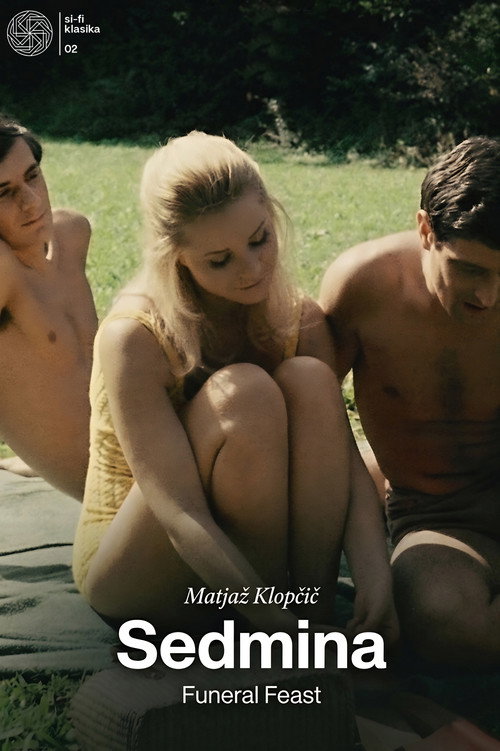
The feeling of being incapable of controlling your own life and general uselessness make people want to escape the world around them. In spite of the feeling that they possess some creative force, they still feel they waste their time and lives.
On the Run

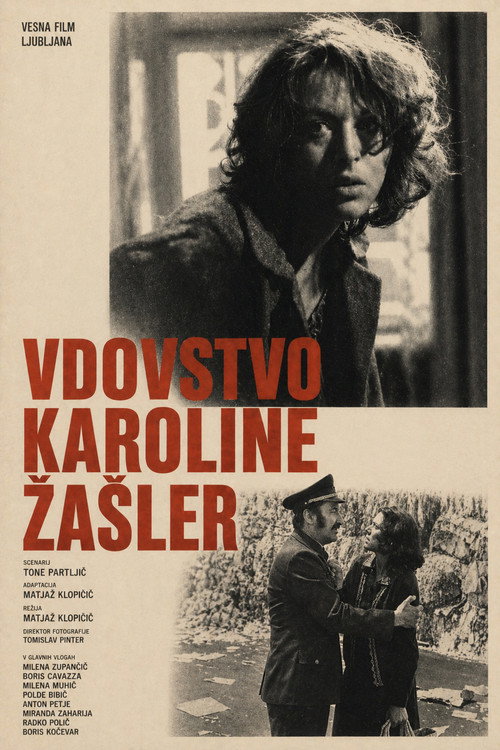
As she tries to cope with the changes in Yugoslav rural life brought about by increasing modernization, the Widow Karolina wishes she had become a mother. As difficult as things are for her, they are nonetheless much more difficult for her more-conservative and less-thoughtful neighbors.
The Widowhood of Karolina Žašler

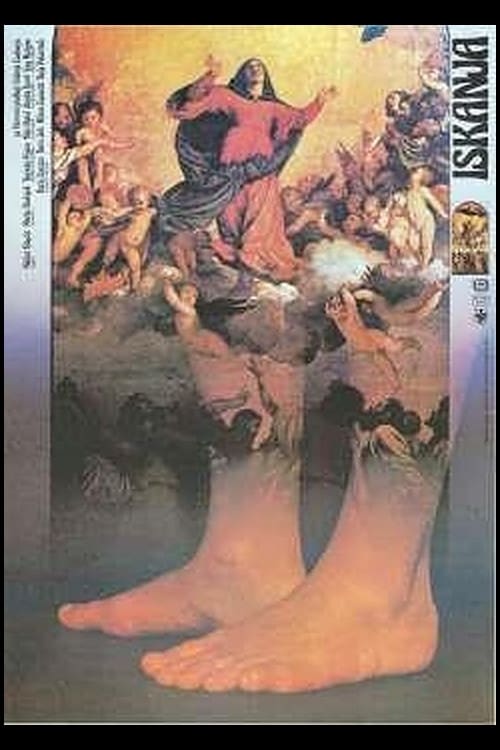
Some years before WWI, art historian and priest Ciril from Ljubljana and his friend Fritz set out on a journey through Italy. Ciril hopes that his doctorate on Italian art would provide him inner peace, thus starting a new life. Emotionally disturbed Fritz, on the other hand, tries to escape everyday life, as well as from commitment he has to his female friend.
Temptations
The manager of a whorehouse is in love with a young woman who works as a maid, there. He believes that his feelings are reciprocated, but the woman chooses instead to marry a rich man who has also been courting her. Punctuating the story of this romance are a magician's show, and an earthquake.
Fear

The film follows Ruža, a woman who returns to her hometown after a long absence. She faces challenges and conflicts related to her past and her relationships with the people around her.
Black Orchid

This three-part historical epic of the lives and misfortunes of the Vrhunc family in the former Yugoslavia is divided into the years of 1914, 1924, and 1944. In 1914, the wealthy Vrhunc patriarch owns valuable land and operates a lucrative mine. He is conservative and wants to hold on to the status quo, and so when the region breaks away from Hapsburg rule, he loses out. His wife, in the meantime, is a tragic figure who has an unhappy solution to her stifling existence with her husband and children. In part II, set in 1924, the fascists and communists are fighting for footholds among the population and in the government, and the Vrhunc family is torn apart because their own allegiances are divided between the two opposing extremes. In part III, the family suffers the most, as Nazi collaborators are rounded up and shot by Partisans, and chaos reigns.
Heritage

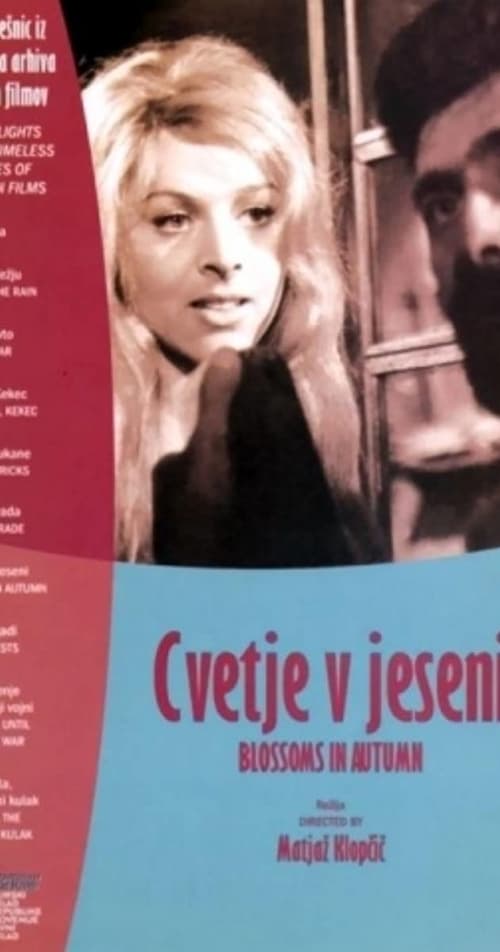
Doctor Janez, a somewhat elderly lawyer, tired of urban life, pays a few week's visit to his relative Presecnik, a well-off farmer living in highland village. Farm life holds a great attraction for him, particularly because a deep and secret love develops between himself and Presecnik's daughter Meta. After a few serene and cheerful days spent on the farm, filled with pleasant labor and walks together with Meta in the unspoilt surroundings, he has to return to Ljubljana to resume his office work. But he cannot forget Meta and he makes his mind to buy a property not far from the Presecnik home and and to become a farmer. He does indeed buy a farm and sets out again to the Presecnik home to ask Meta to be his wife.
Blossoms in Autumn
A meeting and a walk of two young people in Ljubljana's parks, Tivoli and Rožnik. In the inner dialogue of the young man, Ljubljana and his beloved face each other.
Ljubljana in Love

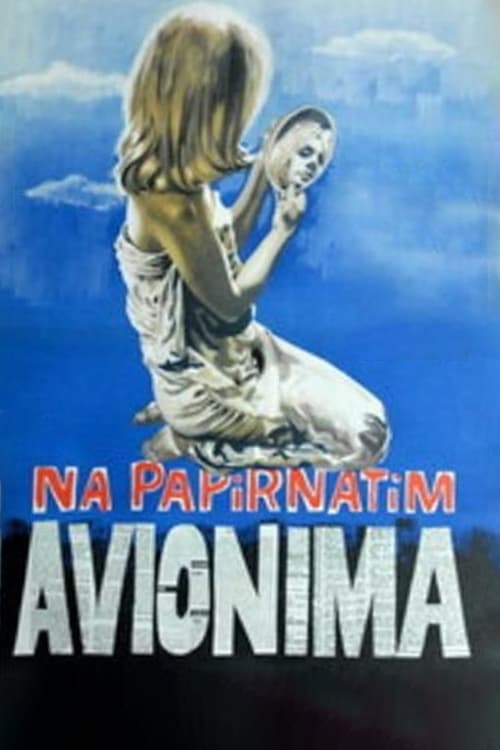
A love story of a couple who both reconsider the meaning of their former lives, only to come up with decision that they should marry.
On Paper Wings

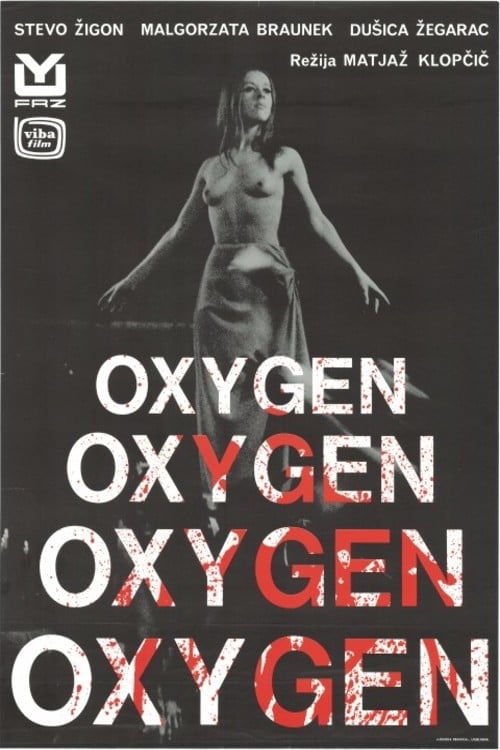
In this story set in near future, a group of young rebels, hippies and 1968 protesters want to cede and make an independent Island from the Mainland. A journalist who came to the Island to make a report about political summit that takes place there gets involved in the clash between young rebels and establishment.
Oxygen

A 1973 Serbo-Croatian-Italian language drama film directed by Matjaž Klopčič, starring Mira Stupica, Radmila Andrić and Dare Ulaga.
Hard Way

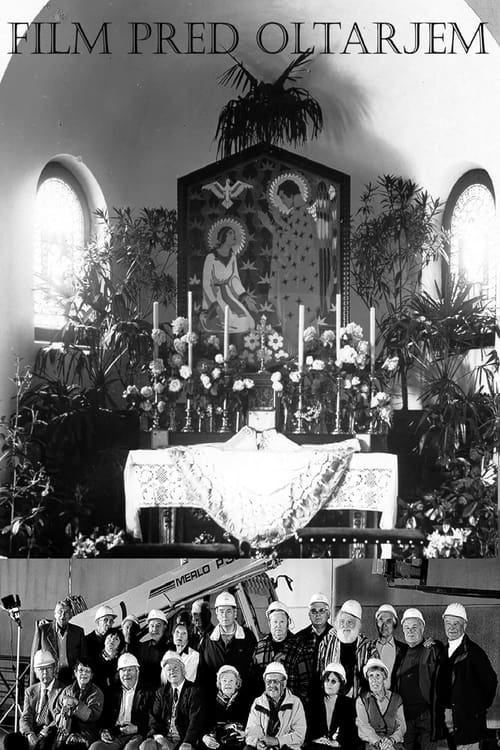
After the war, the young totalitarian authority was afraid of Jesuits that had good connections all over the world, even in the countries Slovenian political immigrants fled to. They were accused of hostile activities and put to a framed-up trial.
The Film Before the Altar
Slovenian actress with the pseudonym Mary comes from a well-to-do bourgeois family. She falls in love with Petar Kocmur, a final-year architecture student. One day she finds a girl in his bed, but she throws herself into the river because nothing in her life makes her happy.
Miss Mary

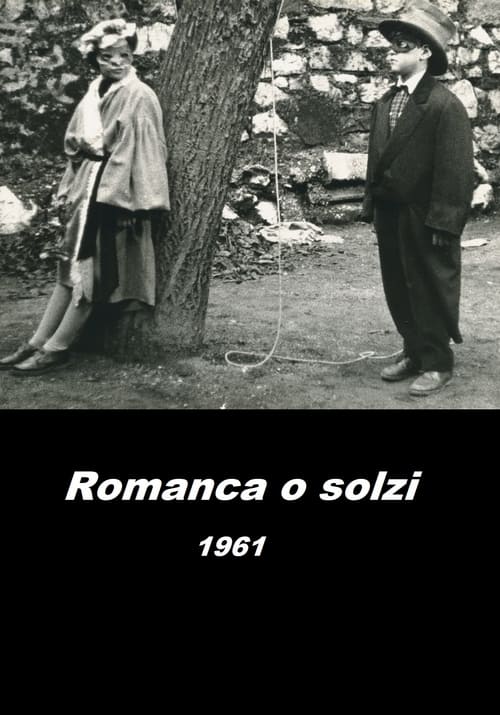
A boy and a girl meet in the middle of a carnival direnda and rejoice together until the crowd separates them. Their reunion is not possible, as they were wearing masks.
Romance of a Tear

The story describes a staid and apparently very ordinary Austrian teacher on holiday on the Southern Adriatic coast. The sensation of renewal and refreshment from the sea, sun and salt air is described in physical terms.
Summer in the South

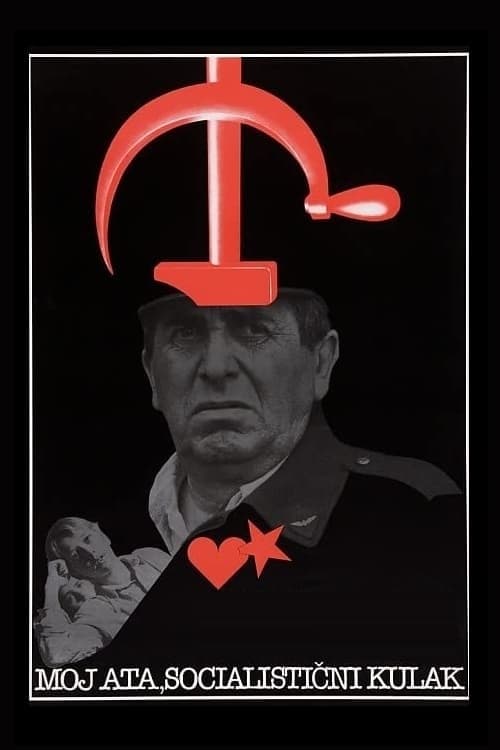
Year 1945. The second World War is over and the soldiers from the disbanded army are returning home. Yet there is still no sign of Joze Malek.
My Dad, the Socialist Kulak
The story of an artist who carves out cardboard silhouettes for small allowance on Tromostovje in Ljubljana.
On the Sunny Side of the Street

Šelig's heroine Agata lives torn between everyday, real life and the eternal woman within her: a woman who connects Agata with the mythical, the archetypal, the forces of nature and the primal elements. The primal forces and energies of life intrude into Agata's everyday life of voluntary servitude or passive devotion. Agata experiences them as a possibility for a different existence, while Agata Schwarzkobler's triptych, with its depiction of Agata's double image, presents the viewer with the eternal mystery of human existence.
Triptych of Agata Schwarzkobler

Oton, a young boy, is growing up while his hometown Ljubljana changes, from 1934, when King Alexander of Yugoslavia is killed in France, through first the Italian and then the German occupations of the city, until the arrival of Communism.