Acting
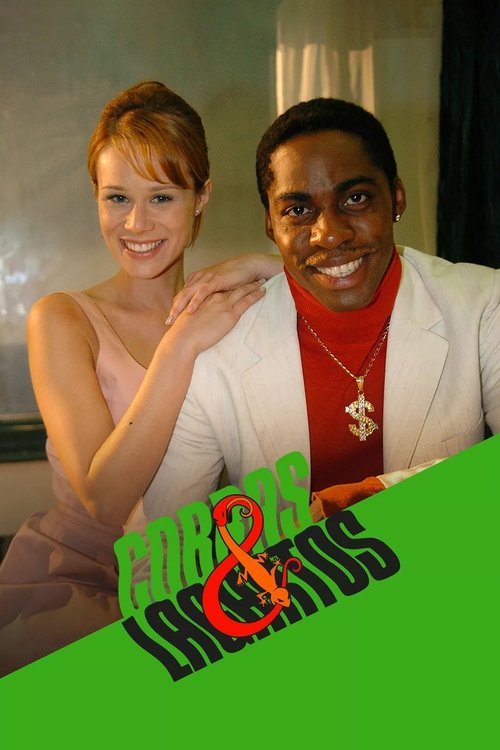
Is it possible that in a world ruled by appearance, there is room for loyalty, ethics, true love, honesty and solidarity? Is it possible, today, when unrelenting consumption is a way of life, to find someone who equates more value to being rather than having? Cobras & Lagartos is an urban tragic comedy, modern and humanist, that deals with two increasingly different worlds: one which values loyalty and solidarity and the other, where the seduction of superfluity and the power of money reign.
The destinies of sisters Nina and Lenita intertwine with that of the Portuguese man Daniel, who falls in love with Nina. The villain JJ joins forces with Lenita to prevent Daniel and Nina from living their love.
Salut les Terriens! is a French talk show hosted by Thierry Ardisson, launched on Canal+ on November 4, 2006, and then moved to C8 on September 10, 2016. The show subsequently changed its name and format in 2018 to become Les Terriens du Samedi! (The Earthlings of Saturday!). Initially conceived as a humorous take on current events with several guests and various games and segments, it later evolved into a more structured format with panel discussions and regular segments. In 2018, Thierry Ardisson sought to revamp the concept, believing the previous version had run its course, hence the transition to Les Terriens du samedi! with a new set and new segments, and a 360-degree turn in the ideology of the guests.
The program combines comedy, celebrity, musical guests, and human-interest stories.
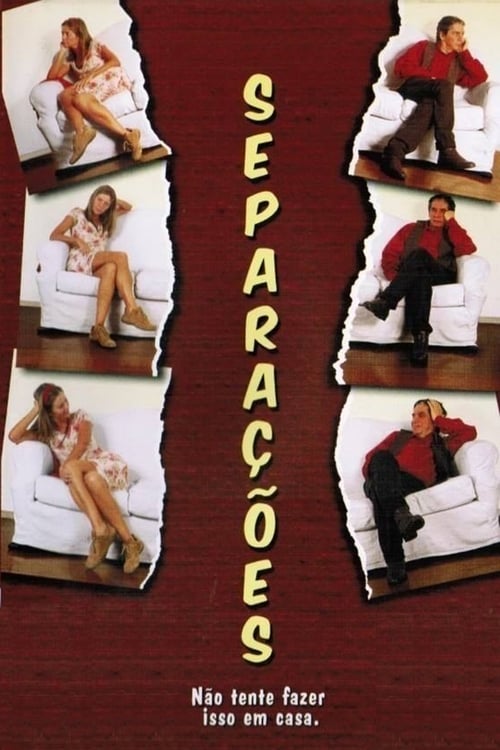
Cabral is a 60 year old playwright who's married to Glorinha, an actress who's 20 years younger than him. They've been together for half of her live, and now they're getting bored...
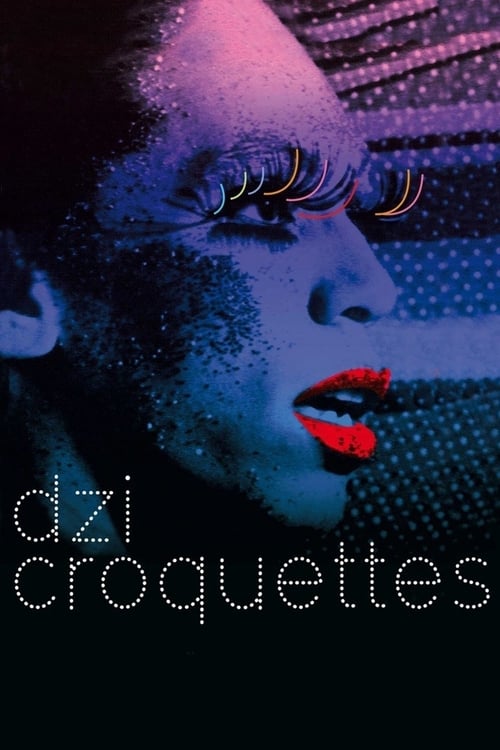
A Brazilian theatre group that through talent, irony and humour confronted the Brazilian violent dictatorship in the 1970s revolutionising the gay movement worldwide and changing theatre and dance language to an entire generation.
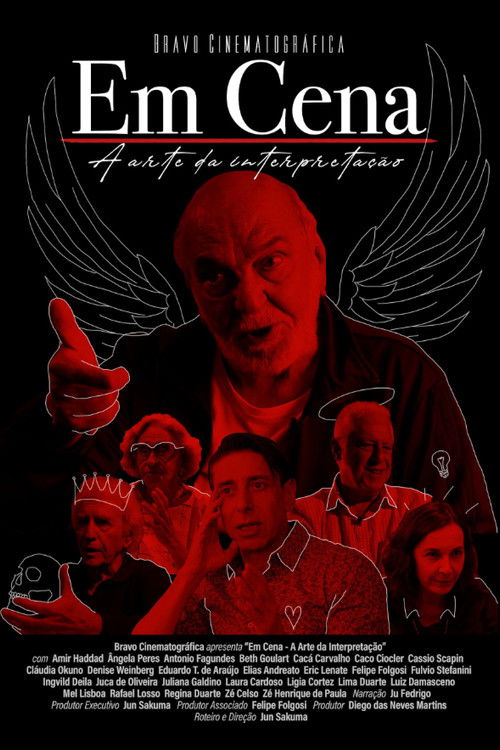
Em Cena – A Arte da Interpretação is a documentary series that deconstructs the actor's craft, revealing the creative process of the biggest names in theater, film, and television through the journey of preparing for a role.
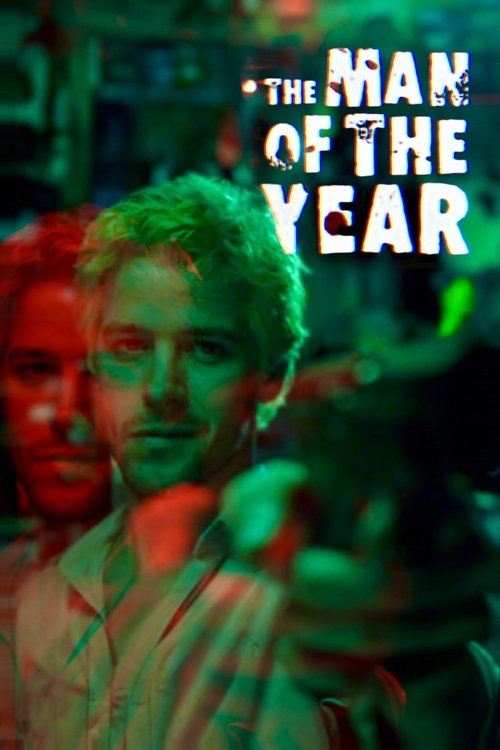
Maiquél has lost a bet and dyed his hair blond. This seemingly innocuous event triggers a head-on collision with destiny in which he goes from nobody to hero to outlaw — all in 24 hours.
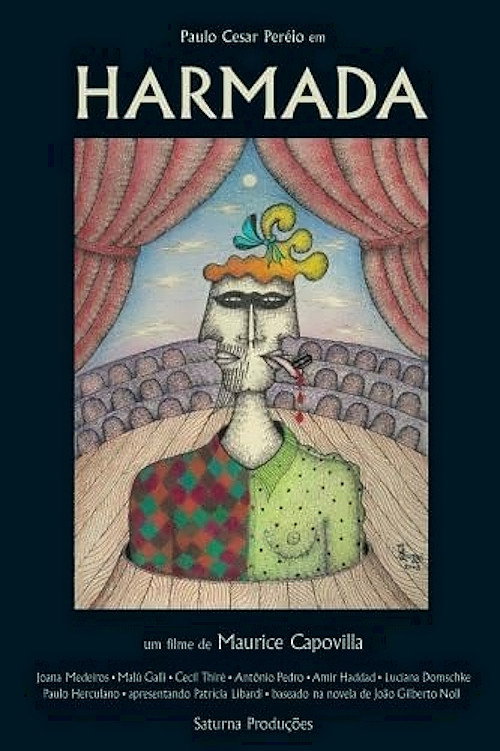
A failed artist searching strength to move ahead. By a young lady, who might be his daughter, he develops a project that changes his destiny.
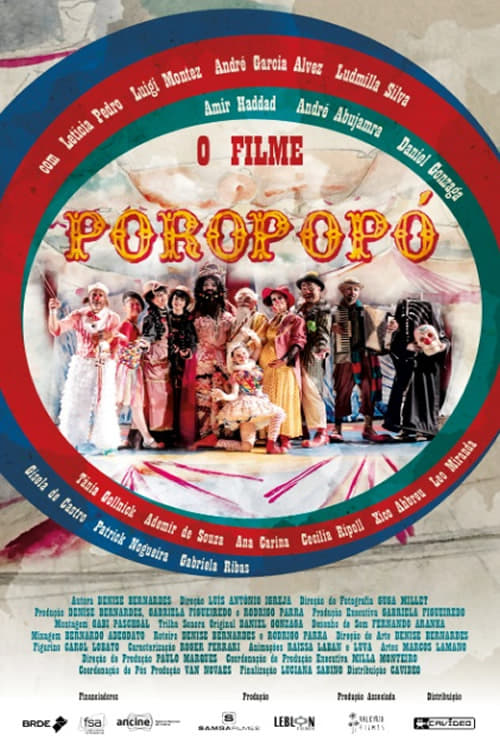
No description available.
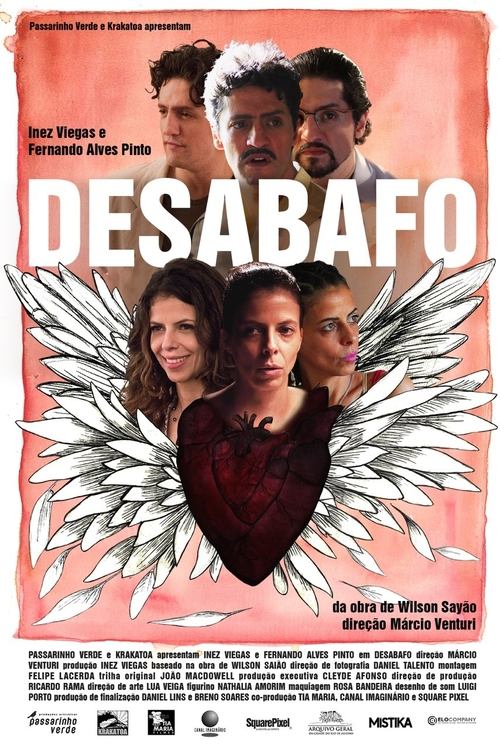
One reality. Two actors. Three couples in crisis. Outburst tells the story of three couples in crisis. Three families living a crucial moment in their lives. They each represent a different social class, a different group of values. The boring opulence of wealth, the frustrating character of a goal oriented middle-class life, the overpowering struggles of poverty, in a way, these couples represent each and every one of us. Together they sketch a destructive status quo.
Nando dreams of being a great Trap singer, but until his dream comes true, he makes deliveries for Lanchudo, a snack bar in Copacabana.
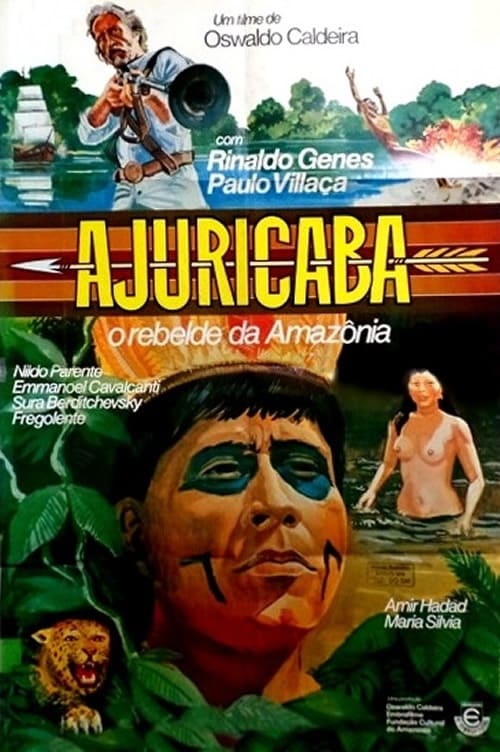
In the 17th century, to guarantee the possession of the region, disputed with Spanish and Dutch pirates, the Portuguese built a fort at the point where the dark waters of the Rio Negro meet the clear waters of the Rio Solimões, forming the Amazon River. Around the fort, the city of Manaus was born. Alli lived the Manaús Indians, warriors who worshiped Manari, the Good, and from him they received the order to fight all the invaders of the forest.
Filmed in a mini DV, the film "República Tiradentes" is an affective poetry, based on the stories of gafieira dancers, actors, rascals, girls and all the bohemians who lived and live moments of joy and glory in downtown Rio de Janeiro. It is a tribute mainly to the origin of the gafieira.
The documentary explores Clarice Niskier’s process of adaptation of the bestselling book, “A Alma Imoral”, by Rabbi Nilton Bonder to the hit play that’s been onstage for over 15 years.
The documentary is a tribute to Theater based on the trajectory of Clarice Niskier who made her job her own lifestyle. As a central axis, interviews with the three directors with whom Clarice developed long partnerships: Domingos Oliveira, Eduardo Wotzik and Amir Haddad. Through an intimate and sensitive look, the film reveals her passion for the craft, her life experience, her poetic worldview, her spiritual and intellectual search, pains, joys, losses and gains. Clarice makes the black box the more than perfect symbol of her own Universe: the Theater.
A journalist is placed upon the management of a large broadcasting company to the capital of Brazil at the time of local elections. She must now face ideological and ethical questions, brought back by a left-wing former boyfriend and her own colleagues. At the same time, a free-lancer spy is sent by an obscure figure in politics to manipulate the elections and its media coverage.
Silvio Tendler goes through his life remembering the movements he was part of during the brazilian dictatorship and his adherence to socialism.