Luther Adler
Acting
Biography
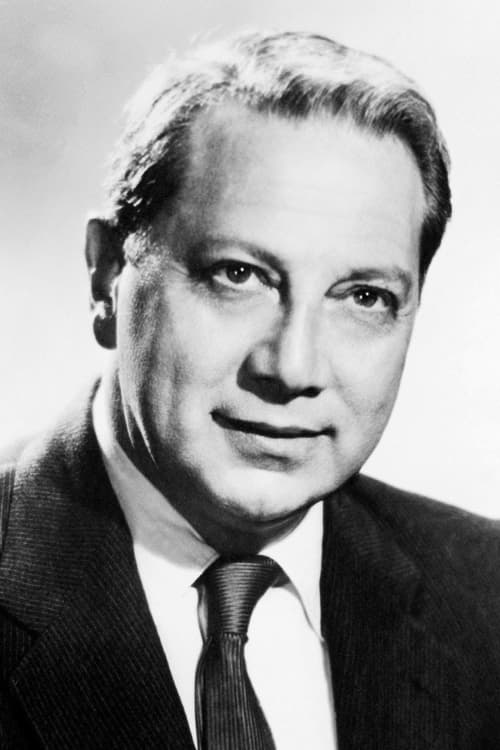
From Wikipedia, the free encyclopedia. He was an American actor best known for his work in theatre, but who also worked in film and television. He also directed plays on Broadway. Adler was born Lutha Adler on May 4, 1903 in New York City. He was one of six children born to Russian Jewish actors Sara and Jacob P. Adler. His father was considered to be one of the founders of the Yiddish theater in America. His siblings also worked in theatre; his sister Stella Adler achieved fame as an actress and drama teacher. His brother Jay also achieved some fame as an actor. Adler's father gave him his first acting job in the Yiddish play, Schmendrick, at the Thalia Theater in Manhattan in 1908; Adler was he 5 years old. His first Broadway plays were The Hand of the Potter in 1921; Humoresque in 1923; Monkey Talks in 1925; Money Business and We Americans in 1926; John in 1927; Red Rust (or Rust) and Street Scene in 1929
Known For

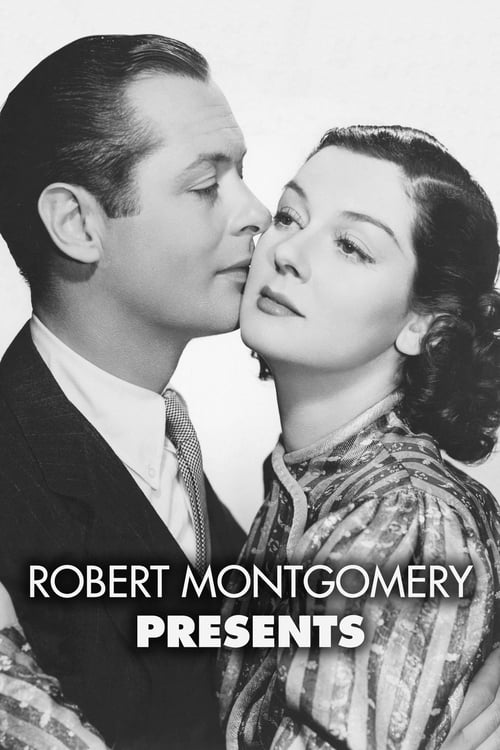
Robert Montgomery Presents is an American dramatic television series which was produced by NBC from January 30, 1950 until June 24, 1957. The live show had several sponsors during its seven-year run, and the title was altered to feature the sponsor, usually Lucky Strike cigarettes, for example, Robert Montgomery Presents Your Lucky Strike Theater, ....The Johnson's Wax Program, and so on.
Robert Montgomery Presents

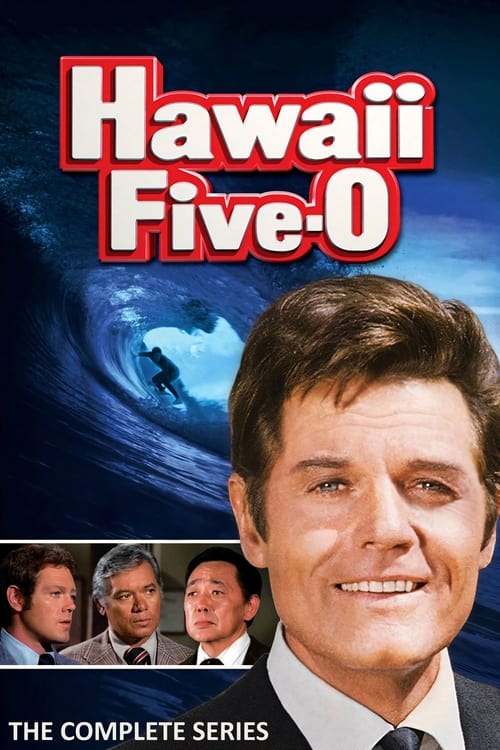
Hawaii Five-O is an American police procedural drama series produced by CBS Productions and Leonard Freeman. Set in Hawaii, the show originally aired for 12 seasons from 1968 to 1980, and continues in reruns. Jack Lord portrayed Detective Lieutenant Steve McGarrett, the head of a special state police task force which was based on an actual unit that existed under martial law in the 1940s. The theme music composed by Morton Stevens became especially popular. Many episodes would end with McGarrett instructing his subordinate to "Book 'em, Danno!", sometimes specifying a charge such as "murder one".
Hawaii Five-O

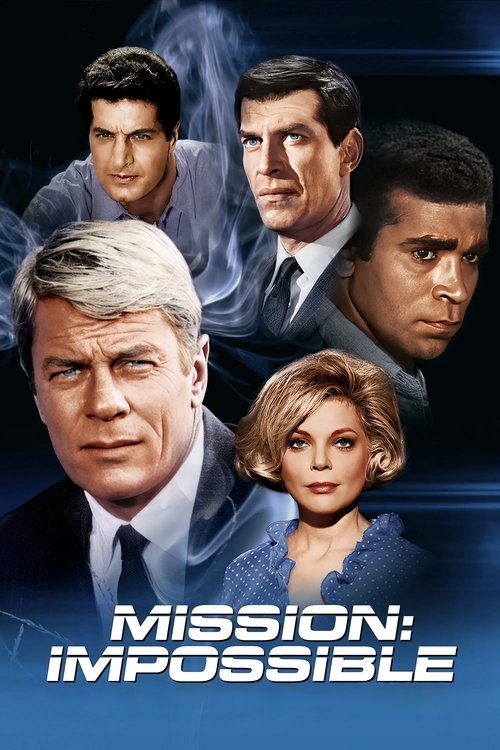
Mission: Impossible is an American television series that was created and initially produced by Bruce Geller. It chronicles the missions of a team of secret government agents known as the Impossible Missions Force. In the first season, the team is led by Dan Briggs, played by Steven Hill; Jim Phelps, played by Peter Graves, takes charge for the remaining seasons. A hallmark of the series shows Briggs or Phelps receiving his instructions on a recording that then self-destructs, followed by the theme music composed by Lalo Schifrin. The series aired on the CBS network from September 1966 to March 1973, then returned to television for two seasons on ABC, from 1988 to 1990, retaining only Graves in the cast. It later inspired a popular series of theatrical motion pictures starring Tom Cruise, beginning in 1996.
Mission: Impossible

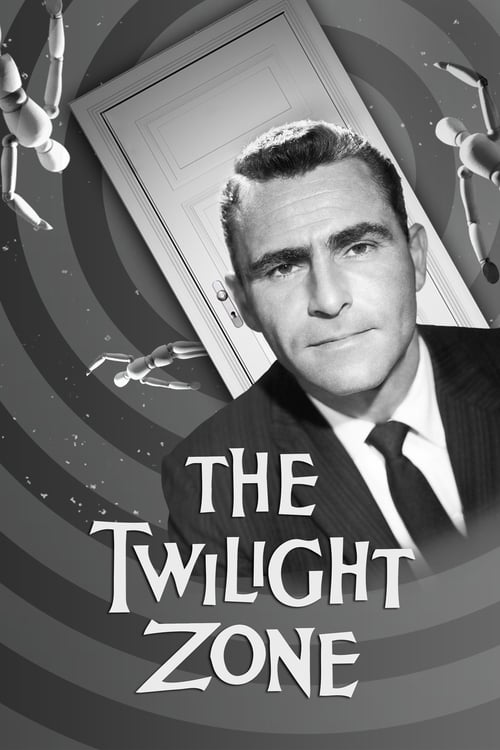
An anthology series containing drama, psychological thriller, fantasy, science fiction, suspense, and/or horror, often concluding with a macabre or unexpected twist.
The Twilight Zone

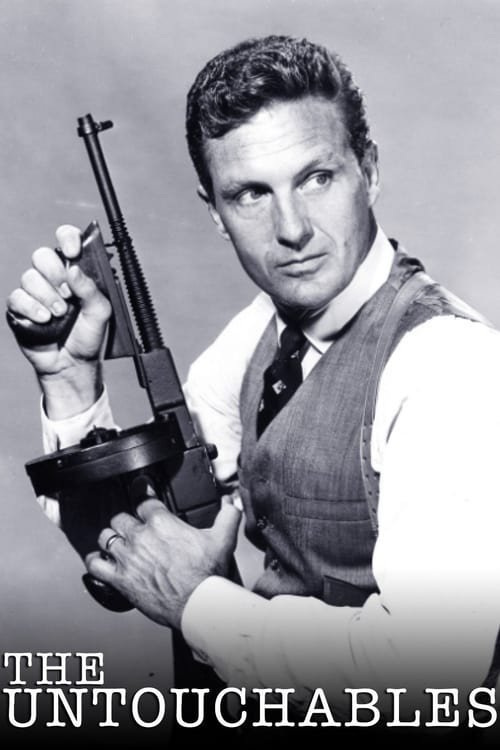
Special Agent Eliot Ness and his elite team of incorruptible agents battle organized crime in 1930s Chicago.
The Untouchables

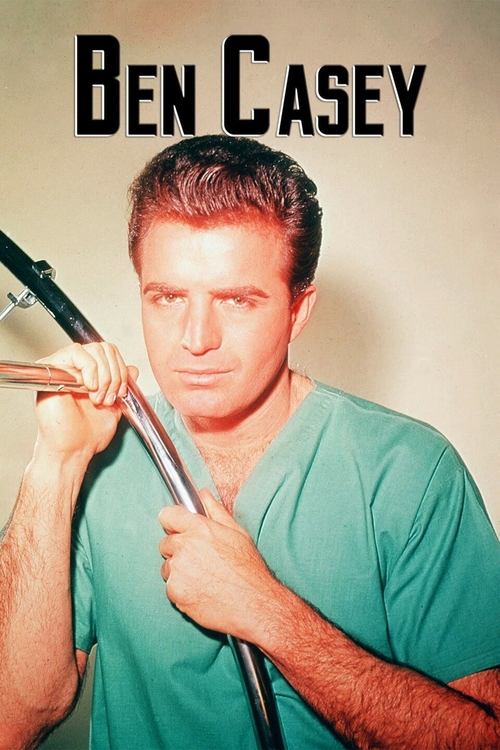
No description available.
Ben Casey

Naked City is a police drama series which aired from 1958 to 1963 on the ABC television network. It was inspired by the 1948 motion picture of the same name, and mimics its dramatic “semi-documentary” format. In 1997, the episode “Sweet Prince of Delancey Street” was ranked #93 on TV Guide’s “100 Greatest Episodes of All Time”.
Naked City

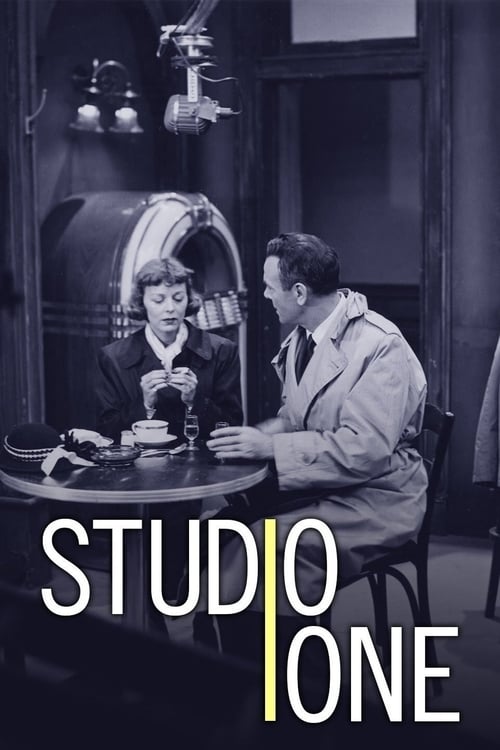
An American radio–television anthology series, created in 1947 by Canadian director Fletcher Markle, who came to CBS from the CBC. Studio One, presented by Westinghouse, was one of the first of the anthology TV programs. The episodes were often abridged remakes of movies from years gone by and many future well-known television and movie actors appeared in the productions.
Studio One

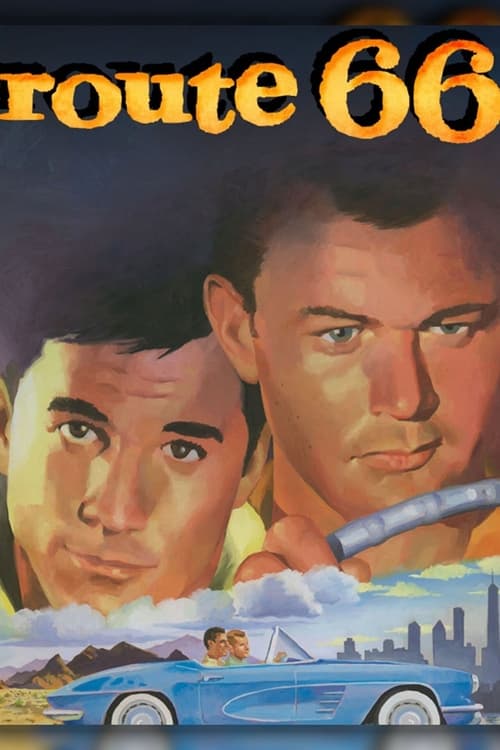
After discovering that his late father has gone through most of the family fortune, Tod Stiles hits the title trans-America highway in his Corvette in search of adventure with friend Buz Murdock, a survivor of New York's mean streets. The two work odd jobs as they meet and interact with colorful characters and find themselves plunged into one situation after another, some of them romantic, some of them very dangerous. Later, Linc Case, a Vietnam war hero trying to find himself, takes over as Tod's travel companion.
Route 66

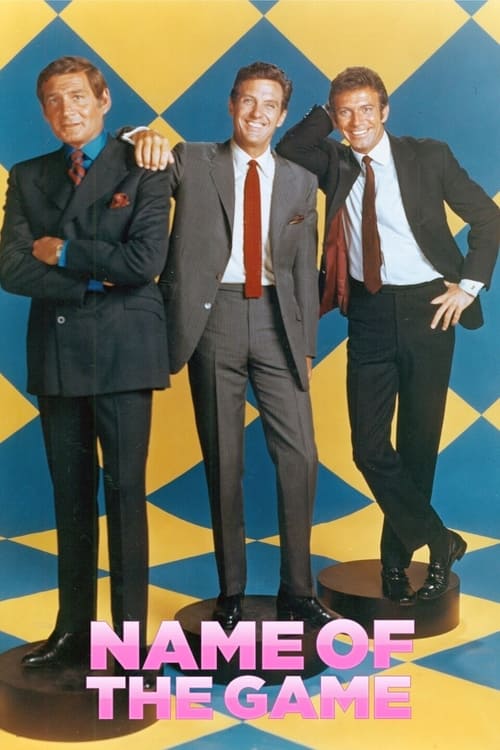
The Name of the Game is an American television series starring Tony Franciosa, Gene Barry, and Robert Stack that ran from 1968 to 1971 on NBC, totaling 76 episodes of 90 minutes. It was a pioneering wheel series, setting the stage for The Bold Ones and the NBC Mystery Movie in the 1970s. The show had an extremely large budget for a television series.
The Name of the Game

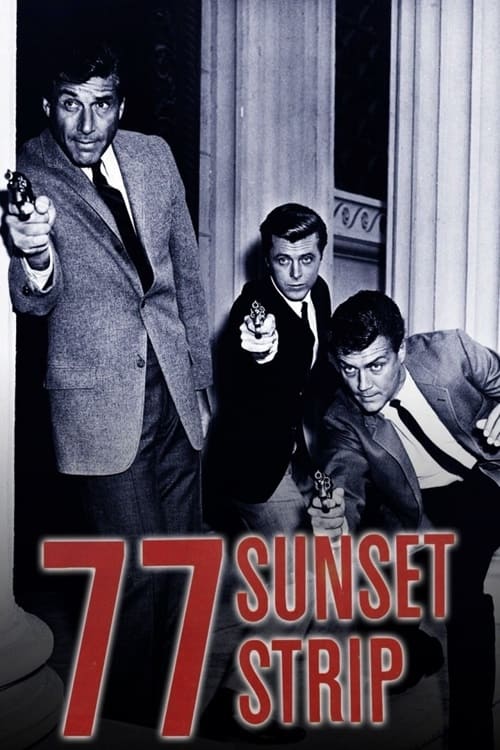
Stu Bailey and Jeff Spencer are the wisecracking, womanizing private-detective heroes of this Warner Brothers drama. They work out of an office located at 77 Sunset Strip in Los Angeles, California, right next door to a snazzy restaurant where Kookie works as a valet. The finger-snapping, slang-talking Kookie occasionally helps Stu and Jeff with their cases, and eventually becomes a full-fledged member of the detective agency. Rex Randolph and J.R. Hale also join the firm, and Suzanne is their leggy secretary.
77 Sunset Strip

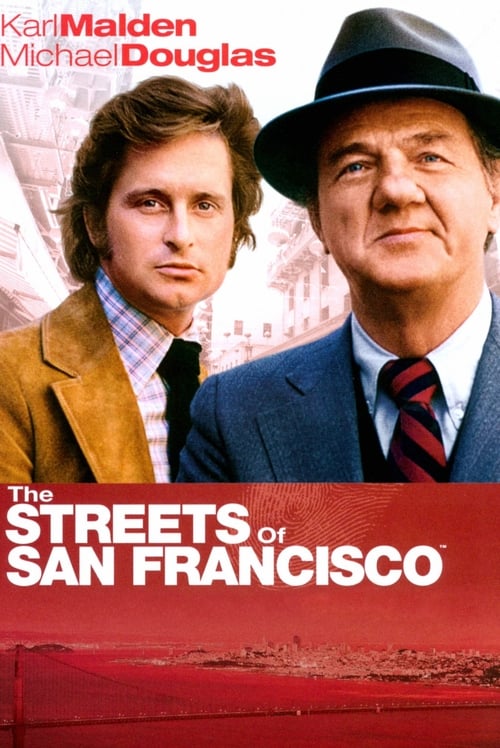
Two police officers, the older Lt. Stone and the young upstart Inspector Keller, investigate murders and other serious crimes in San Francisco. Stone would become a second father to Keller as he learned the rigors and procedures of detective work.
The Streets of San Francisco

Playhouse 90 is an American television anthology series that was telecast on CBS from 1956 to 1960 for a total of 133 episodes. It originated from CBS Television City in Los Angeles, California. Since live anthology drama series of the mid-1950s were usually hour-long shows, the title highlighted the network's intention to present something unusual, a weekly series of hour-and-a-half dramas rather than 60-minute plays. Playhouse 90 began as a pitch by Frank Stanton—the formidable, forward-thinking right-hand man to CBS chairman William S. Paley—during a brainstorming session for program ideas. The project was ultimately developed by Hubbell Robinson, a CBS vice president who received no screen credit on Playhouse 90 but is often described as its creator.
Playhouse 90

Westinghouse Desilu Playhouse is an American television anthology series produced by Desilu Productions. The show ran on CBS television between 1958 and 1960. Two of its 48 episodes served as pilots for the 1950s television series The Twilight Zone and The Untouchables.
Westinghouse Desilu Playhouse

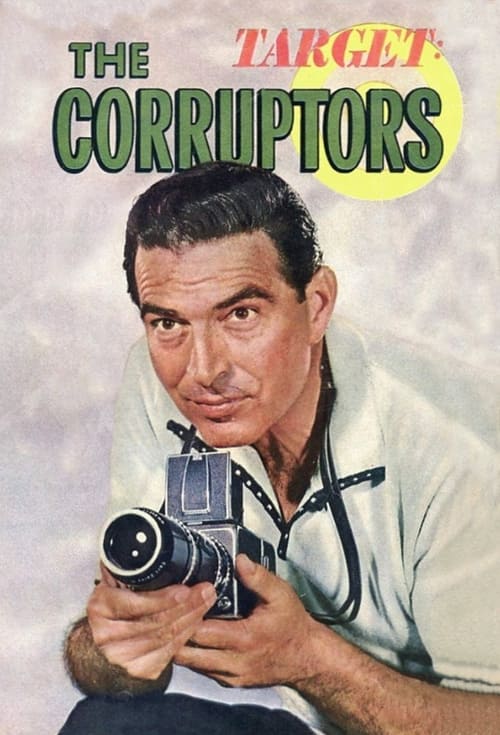
Target: The Corruptors! is an American crime drama series starring Stephen McNally which aired on ABC from September 29, 1961 to June 8, 1962. The series was produced by Dick Powell's Four Star Television.
Target: The Corruptors!

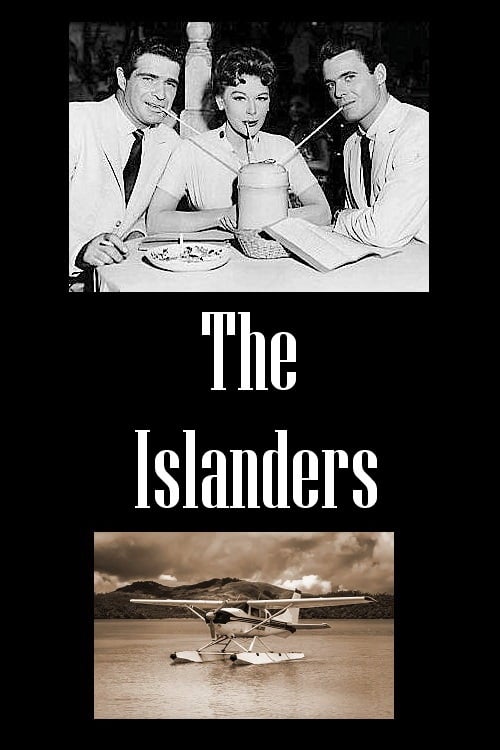
The Islanders is an American adventure television series which aired on ABC from 1960 to 1961, starring William Reynolds, James Philbrook, and Diane Brewster. At the beginning of the series, Sandy Wade and Zack Malloy, co-owners of a Grumman Goose amphibious aircraft, start their one-plane airline in the Moluccas or Spice Islands of the southeastern Pacific Ocean. Throughout the series they experience a variety of adventures where seemingly harmless charter flights put them into danger. They are frequently aided in their endeavours by the unusually-named Wilhelmina ”Steamboat Willy” Vanderveer and Shipwreck Callighan. The Islanders, primarily sponsored by Liggett & Myers' Chesterfield cigarettes, aired at 9:30 Eastern time on Sunday evenings opposite The Jack Benny Program and Candid Camera on CBS and the second half of The Dinah Shore Show and the last season of The Loretta Young Show on NBC. William Reynolds stated in an interview, "The series went from being sort of like a Terry and the Pirates or a Maverick type of concept to becoming just a bunch of people skulking around. It wasn't very good." After The Islanders, Philbrook co-starred in the 1962-1963 season as a magazine publisher and the love interest of Loretta Young in her short-lived The New Loretta Young Show, which aired Mondays on CBS. Reynolds went on to star in two other ABC series,The Gallant Men, a World War II series, and The FBI with Efrem Zimbalist, Jr..
The Islanders

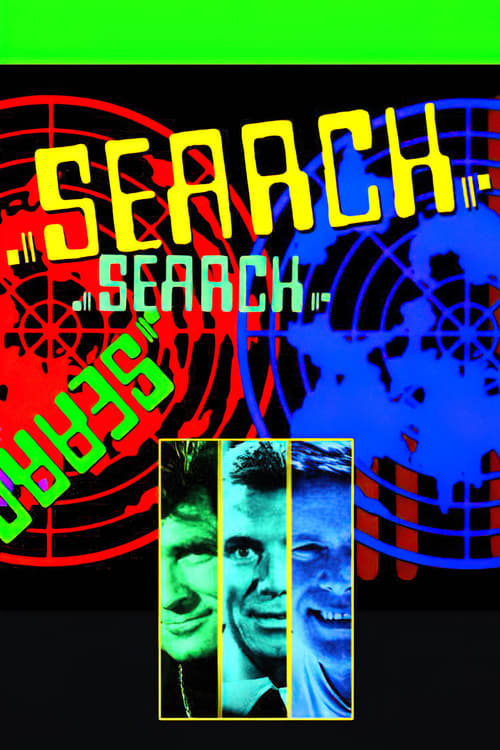
Search is an American science fiction series that aired on Wednesday nights on NBC at 10 pm ET, from September 1972 to August 1973. It ran for 23 episodes, not including the two-hour pilot film originally titled Probe. When picked up for series production, the title had to be changed because Probe was the name of an existing PBS series. In the UK the series aired on BBC 1 under the title Search Control. The show was created by Leslie Stevens, and produced by Leslie Stevens, Robert Justman, John Strong and Tony Spinner. The high concept was described as "science fiction in today's world" and the episodes featured many high-tech elements which are considered common in current science fiction shows.
Search

General Electric Theater is an American anthology series hosted by Ronald Reagan that was broadcast on CBS radio and television. The series was sponsored by General Electric's Department of Public Relations.
General Electric Theater

Hec Ramsey is a television Western, a production of Jack Webb's production company, Mark VII Limited, in association with Universal Studios, broadcast in the United States by NBC as part of the NBC Mystery Movie wheel show during the 1972-73 and 1973-74 seasons.
Hec Ramsey

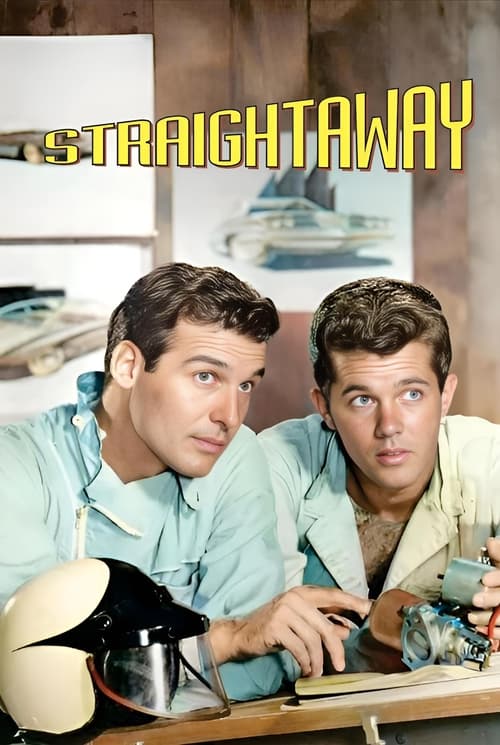
Straightaway is a 26-week half-hour adventure/drama television series which aired on ABC during the 1961–1962 season – the story of two young men who operate a garage and engage in auto racing. John Ashley and Brian Kelly played race car designers Clipper Hamilton and Scott Ross, respectively. Scott designs the vehicles, and Clipper is the mechanic. Asa Maynor was cast in four episodes as Dixie. Most episodes center on the clients who bring a race car to the Straightaway Garage. The series was originally planned to be named “The Racers”, but the title had to be altered because of sponsor problems. Straightaway ran at 7:30 Eastern on Fridays opposite CBS’s Rawhide with Clint Eastwood and Eric Fleming. Straightaway was moved to Wednesdays effective January 10, 1962, for the remainder of its brief run.