Directing
The everyday lives of working-class residents of Albert Square, a traditional Victorian square of terrace houses surrounding a park in the East End of London's Walford borough.
In the favelas of Rio de Janeiro of the 1930s, João Francisco dos Santos is several things — son of slaves, ex-convict, thug, homosexual and adopted father for a number of pariahs. João expresses himself on the stage of a cabaret as Madame Satã.
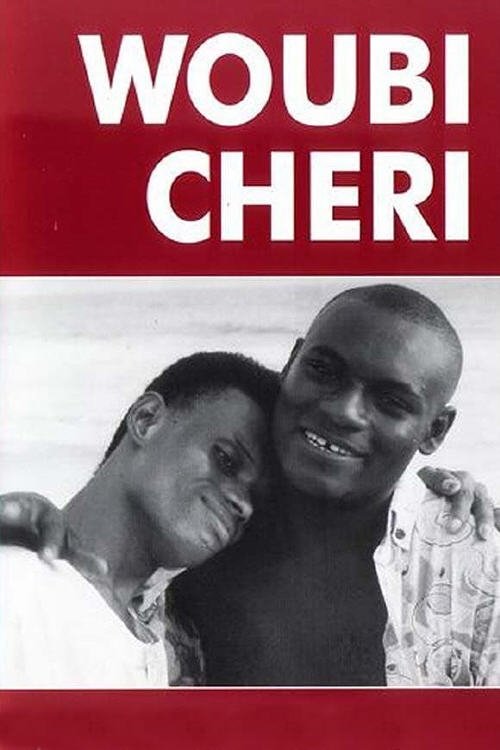
This documentary shows a few days in the life of various members of Abdijan, Ivory Coast's gay and transgender community. We get to meet a variety of woubis, yossis, etc. The hero/heroine of the film is a statuesque young man named Barbara who is organising the annual year-end party of the Ivory Coast Tranvestite Association, to be held December 27, 1997.
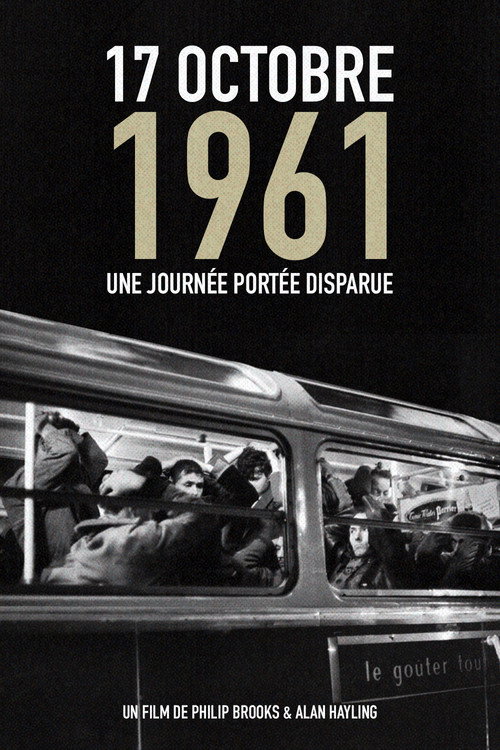
This documentary bears witness to the events that took place more than thirty years before the filming of this movie, on October 17, 1961, in Paris, during the Algerian War. It is a work not only about historical truth but also about memory. Constructed primarily from interviews conducted with those involved in the events, along with archival footage, photographs, and radio broadcasts from the time, our investigation proves that nearly 200 Algerians were killed (drowned, tortured) that night and in the days that followed by the French police. "A Missing Day" seeks to ask two key questions: how could such events have unfolded in the capital of a Western democracy barely thirty years ago? And why have they been silenced ever since?
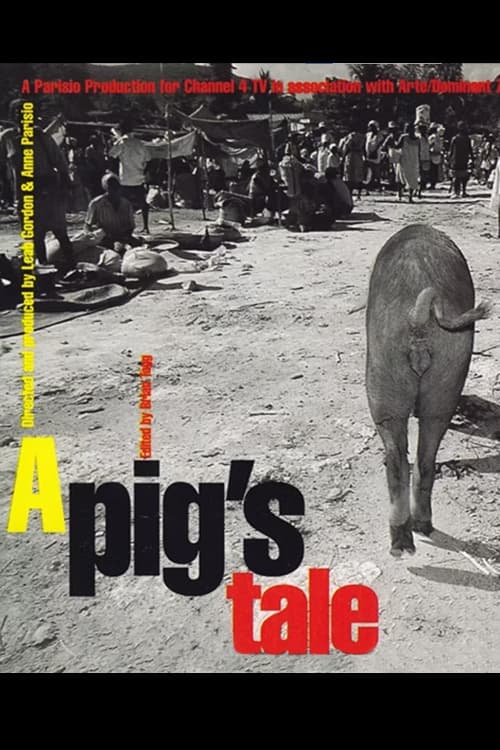
A piggyback ride of a documentary linking Haitian pigs, Vodou and US economic imperialism.
A testimonial film about events that took place over thirty years ago, on October 17, 1961, in Paris, during the Algerian war. Based primarily on interviews with those involved in the events, together with archive footage, photos and radio documents from the period, our investigation proves that almost 200 Algerians were killed (drowned, tortured) by the French police.The film asks two key questions: how could such events have taken place in the capital of a Western democracy just thirty years ago? And why have they been ignored ever since?
Made up of meetings with some of the actors of the gay community of Paris, this documentary evokes the development of the community phenomenon and its economic importance in districts handed over to traders and companies competing for the market. By comparing different points of view, this film produced in June 1997 during Europride offers a reflection on the identity of a community caught up in its own contradictions, divided between the desire to assert its difference and the desire to blend in with the company.
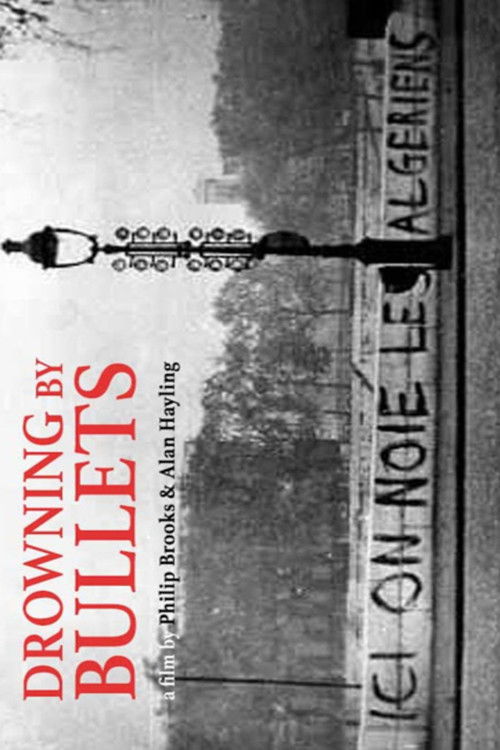
On the evening of October 17, 1961 about 30,000 Algerians, ostensibly French citizens, descended upon the boulevards of central Paris to protest an 8:30 curfew, imposed by the French authorities in response to repeated terrorist attacks by Algerian nationalists in Paris and other French cities. DROWNING BY BULLETS exposes the massacre and the cover-up of what was undoubtedly one of the darkest nights in the history of France. Policemen, demonstrators, former officials, and journalists who witnessed the events speak on camera for the first time.
Documentary on the Gay Games IV, held in New York City in June 1994, during widespread celebrations commemorating the 25th anniversary of the Stonewall Rebellion. Providing a comprehensive presentation of the games and various demonstrations that took place during that week, Spikes and Heels deals with homophobia, AIDS, and gay and lesbian identity in the 90's.