Acting
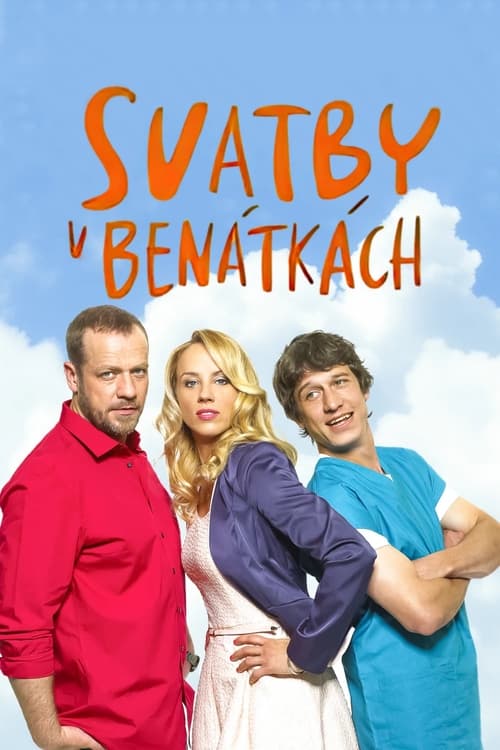
A Czech medical television series that focuses on an emergency department. Each episode follows cases inspired by real-life stories and the cases of patients and healthcare professionals.
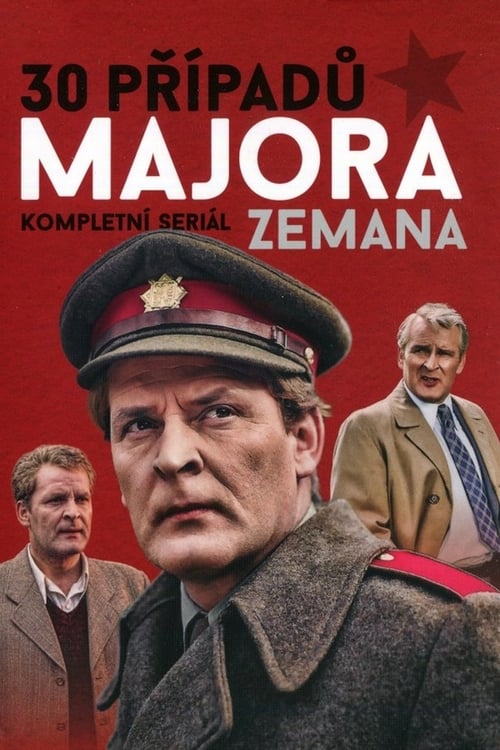
Thirty Cases of Major Zeman is a Czechoslovak action-drama television show intended as a political propaganda to support the official attitude of the communist party. The series were filmed in the 1970s. Each episode encompasses one year, and investigations are stylized to that year. Most are inspired by real cases. The series follows the life of police investigator Jan Zeman during his career from 1945 to 1975.
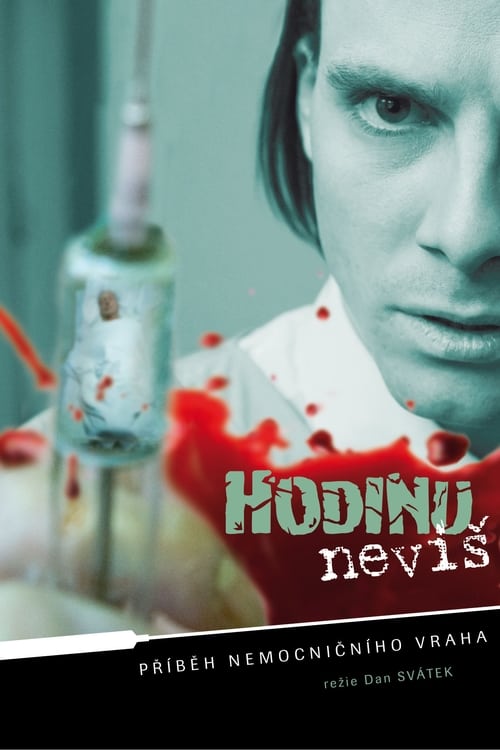
Hynek Michánek wants to study medicine but fails his entrance exams five times. He starts a job as an orderly in a district hospital where one of the doctors on the examining board works as well. He feels no-one takes him seriously and he loathes the doctors, who treat him with disdain. When an old man begs him to end his pain and suffering by helping him to die, Hynek gives him a "liberating" injection. But now he has done it once, he finds he can't stop. He continues killing other patients, even though he knows he can't get away with it for long.
No description available.
A group of outcasts, including a vagabond and a prostitute, gather at the outskirts of the industrial area of a large Czech city, one of the things that helps some of them survive is alcohol.
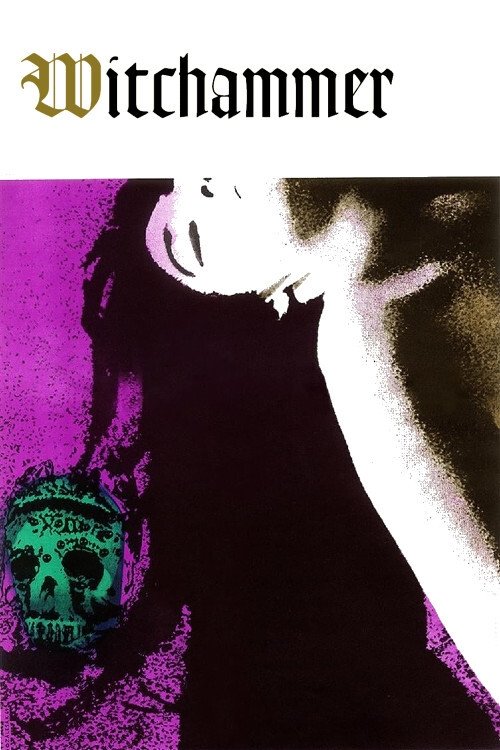
In the 1600s, an overzealous clergy hauls innocent women in front of tribunals, forces them to confess to imaginary witchery, and engages in brutal torture and persecution of their subjects.
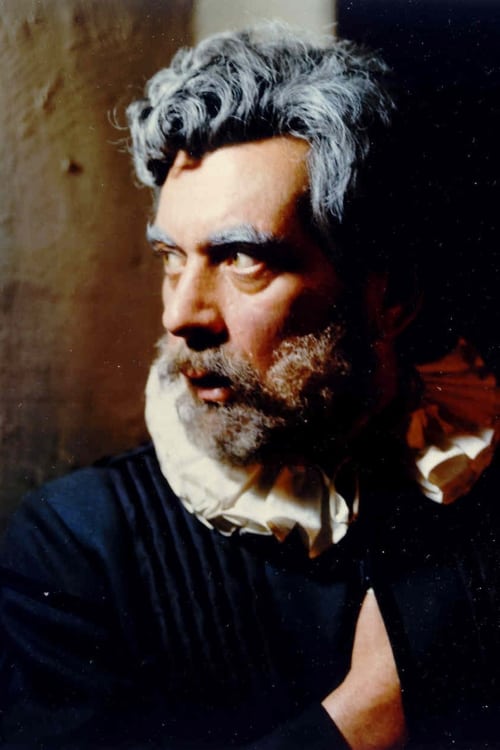
Series about the life of Renaissance anatomist, scholar and politic Johannes Jessenius. Already legendary series today, was produced by Czechoslovak Television Bratislava, directed by Slovak director Miroslav Luther in the first half of 80's in Barrandov Studios in Prague. The story and screenplay of the series wrote Czech writer Vladimír Körner. Five-episodes epic historical narration is a biographical story of distinguished Renaissance scholar, anatomist and politic of Slovak origin, Johannes Jessenius (Ján Jesenský, 1566–1621). It displays his life from the first studies and successes. In 1594 he became professor of surgery and anatomy on Wittenberg University, which he had attended years before. From that moment, his life went through social and personal wins and losses, to the sad end on the Prague Old Town Square gallows, among 27 noblemen, knights and burgenses, after lose Bohemian Revolt in 1621. His destiny was coupled with key events of Czech history in the break of 16th and 17th century, when Renaissance and European humanism slowly fade out.
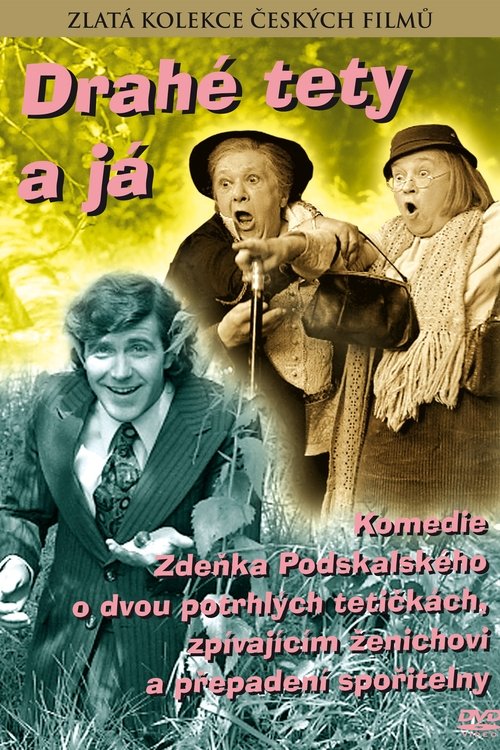
Two kind but foolish sisters live together in their villa in a small town in South Bohemia. Fany (Natasa Gollová) has never married and Andelka (Eva Svobodová) is a widow. In the morning, the two sisters go into town. They need to buy fuel oil, put money in the bank and give plums to the teller. In the meantime an smallish orange Skoda MB car parks at their house, with Hermínka (Iva Janzurová), the old ladies' niece, and her fiancé Michal (Jirí Hrzán) in it. Michal has forgotten to bring flowers and has to go into town to fetch them. At the bank, Fany wants to deposit money but the minute the teller opens the safe, a thief arrives. He knocks the teller and Fany unconscious and runs away with the money. When Fany comes to her senses again, she sees Michal and accuses him of being the thief.
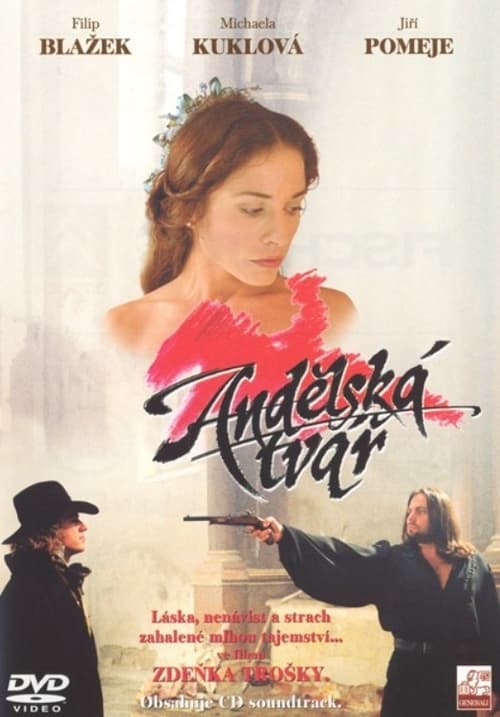
France, mid-19th century. Church bells ring out in alarm; a monastery is on fire. In the ensuing chaos, a passing rider catches sight of a girl in a first-floor window. The fire has cut off her escape route, so without hesitation she jumps into his outstretched arms. She does not even know the face of her savior. However, he takes her locket with him. Two years later. Two stepbrothers live at Mornay Castle. The heir to the title and estate, the aristocratically refined Raoul, and Philip, a rude, unsociable man with a bad reputation. It is here, to the castle ball, that Mrs. Collier brings her daughter Charlotte, a shy and inexperienced convent girl...
The accountants at a agricultural cooperative near Prague have completed the calculation of wages. The driver with the cashier are leaving for a bank in Prague to withdraw the cash amounting to over one million crowns. On returning back, an oncoming heavy truck appears, crashing into their car. The injured men cannot defend themselves, and the whole cash is stolen from them.
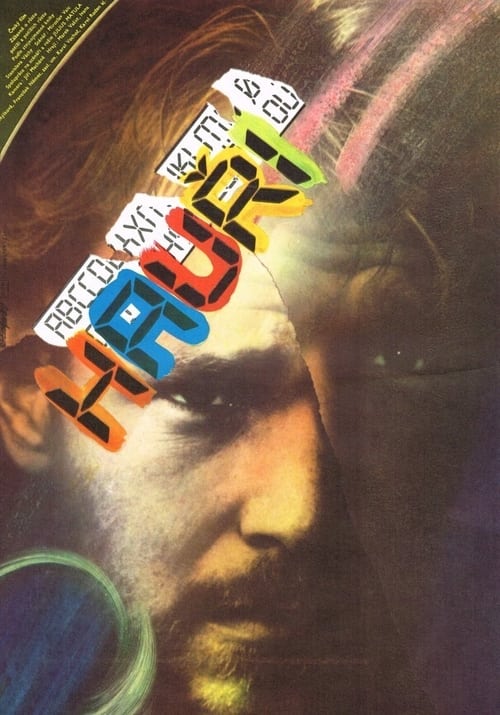
Building themes, however modified, permeated the nationalised cinema throughout its existence. This time, director Július Matula has focused on a young engineer who, with high hopes, accepts a position in a famous agricultural cooperative. However, he soon discovers that behind the proclaimed phrases there is in fact hypocrisy and protectionism. The authors criticise the fact that incompetence is often covered up, that shortcomings end up being cleverly camouflaged, that the social mood favours the mediocre and the adaptable. The hauers present a statement that is courageous, so to speak, within the limits of the law, and call for increased work consciousness.
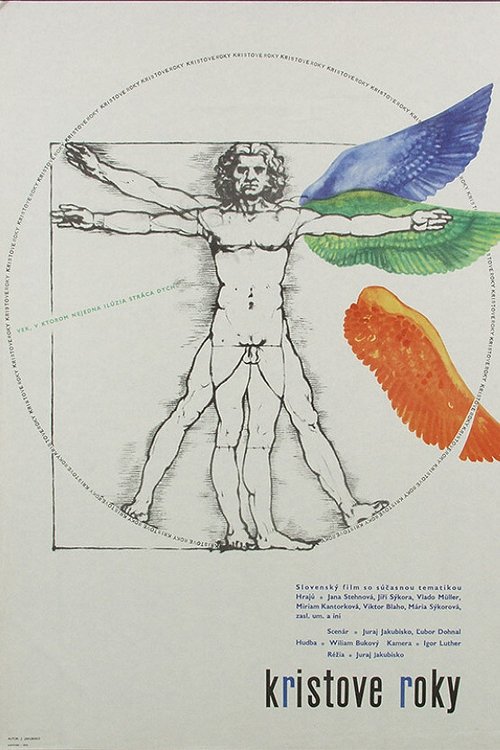
Juraj, a Slovak artist living in Prague, takes stock in his life, realizing that his days pass without purpose. He lives a carefree life. But now he has to choose between two women, between the city and the country, and between creative work and craftsmanship. He has a passion for art but he also has to make a living. Through his relationships with close people, he grows aware of his position and this knowledge helps him to live a more fulfilling and better life.