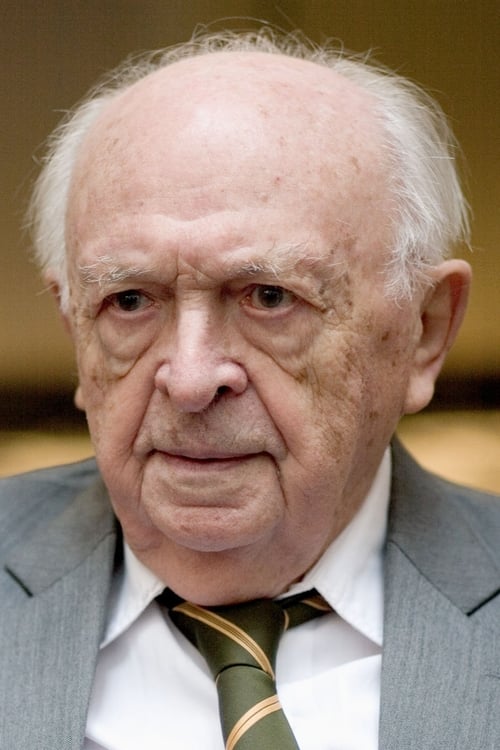
Otakar Vávra
Directing
Biography
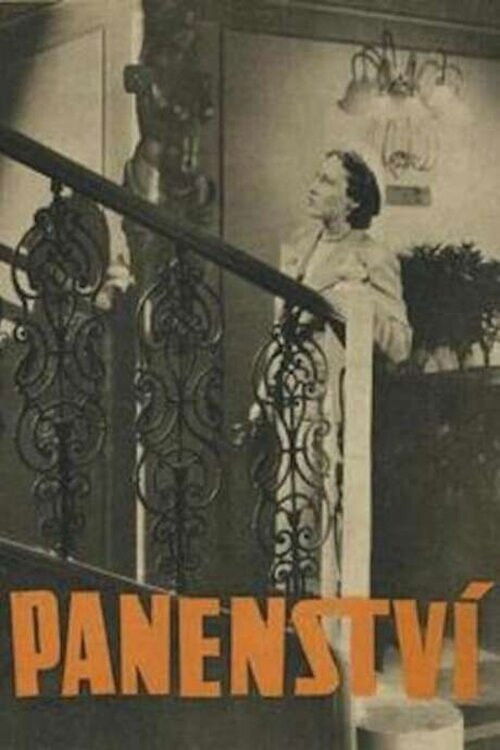
Otakar Vávra (28 February 1911 – 15 September 2011) was a Czech film director, screenwriter and pedagogue. Vávra attended universities in Brno and Prague, where he studied architecture. During 1929–30, while still a student, he participated in the making of a handful of documentaries and wrote movie scripts. In 1931, he produced the experimental film Světlo proniká tmou. The first movie he directed was 1937's Panenství. His 1938 film The Merry Wives was praised in Variety for "first-rate direction, a salty yarn and elaborate production effort", even though it had undergone certain cuts because it was considered too "ribald" by American censors. Vávra was a member of the Communist Party from 1945 to 1989. After the Communists seized power in 1948, Vávra adapted quickly to the new political climate and produced films praising the current regime and supporting the new, official interpretation of the past. In the 1950s he filmed the "Hussite Trilogy", one of his most famous works, consisting of Jan Hus (1954), Jan Žižka (1955) and Against All (1957).[2] In the 1960s, Vávra made his most celebrated films Zlatá reneta (1965), Romance for Bugle (1966) and Witchhammer (1969). Romance for Bugle was entered into the 5th Moscow International Film Festival where it won the Special Silver Prize. In the 1970s Vávra produced his "War Trilogy" consisting of semi-documentary movies Dny zrady, Sokolovo and Osvobození Prahy, all being heavily influenced by communist propaganda. The film Dny zrady (Days of Betrayal, 1973) was entered into the 8th Moscow International Film Festival where it won a Diploma. In 1979 he was a member of the jury at the 11th Moscow International Film Festival. Since the 1950s Vávra taught film direction at Film and TV School of the Academy of Performing Arts in Prague. Among his students were several directors of the "Czech New Wave".
Known For
No description available.
GENUS
Television series Golden Sixties examines new insights into Czech and Slovak cinema of the 1960s and the role of the Czechoslovak New Wave. Each episode focuses on a different filmmaker.
Golden Sixties

On 20th of April 1945 the Soviet army launches its attack on Berlin. The end has come for Nazi Germany and Hitler decides to commit suicide. In Prague K.H. Frank (Nazi Secretary of State and Chief of police in the Protectorate of Bohemia a Moravia) discusses with his commanders how to transform the city into an impregnable fortress, but the Praguers do not intend to wait any longer. From the early hours of 4th of May people start assembling in the streets and tearing down German signs. On the next day, the 5th of May, the uprising begins.
The Liberation of Prague

An innkeeper is grieving because his wife left him for a second-rate actor. His two nephews, who are not on speaking terms, have to take over the running of the establishment...
Hostinec „U kamenného stolu“
The 50th anniversary of the Barrandov studios was celebrated with a spectacular show: many directors and other important people gathered in the expensive decorations of the Variety Theatre auditorium (built for the Circus Humberto series). They smiled and showed well-deserved relaxation after a job well done in managing socialist cinema. Vladimir Sís interspersed this with excerpts from films, mainly his own and also a little of others who had worked on the "Hill of Dreams".
Barrandovské nokturno aneb Jak film tančil a zpíval

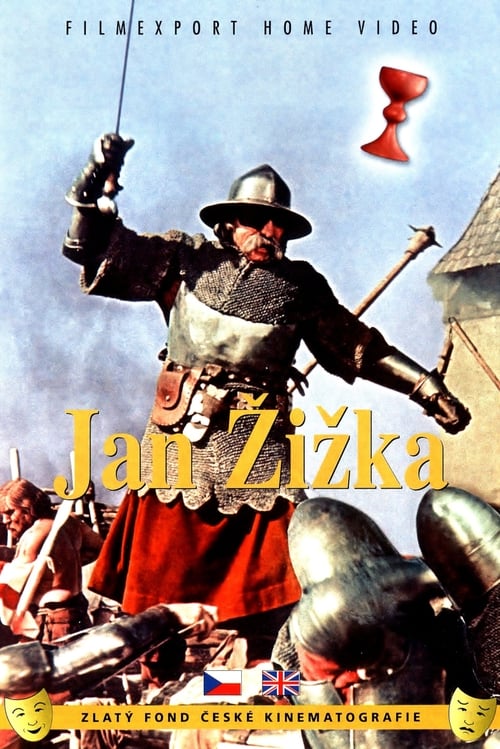
The second part of the revolutionary Hussite trilogy takes place in the years 1419-1420.
Jan Žižka
Otakar Vávra dedicated his latest film to events accompanying the devastation of the first World War. It takes place in representative centers of power, in the courts of Vienna, Berlin and Moscow. In parallel, it develops the fate of the Czech archivist, who will take part in the Serbian anti-Austrian branch.
Evropa tančila valčík

The plump, punctual and slightly despotic Mr. Tříška worked as a housing officer, which completely damaged his psychological resilience, he is short-tempered and easily angered. The intended rest in the countryside, where he went with his whole family, however, turns out completely differently than he expected - because all the hardworking hands join together to ensure the fastest possible completion of the agricultural work, and there is also time left for his singing interests. And the main character is finally so carried away by the new environment that he eagerly joins in.
Rodinné trampoty oficiála Tříšky

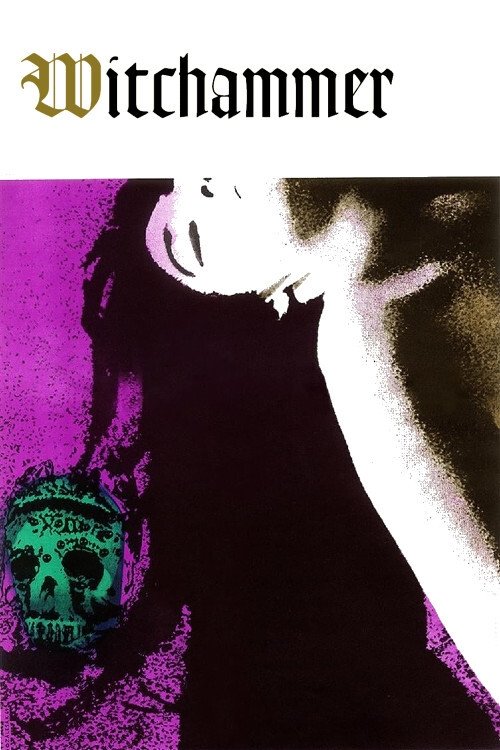
In the 1600s, an overzealous clergy hauls innocent women in front of tribunals, forces them to confess to imaginary witchery, and engages in brutal torture and persecution of their subjects.
Witchhammer

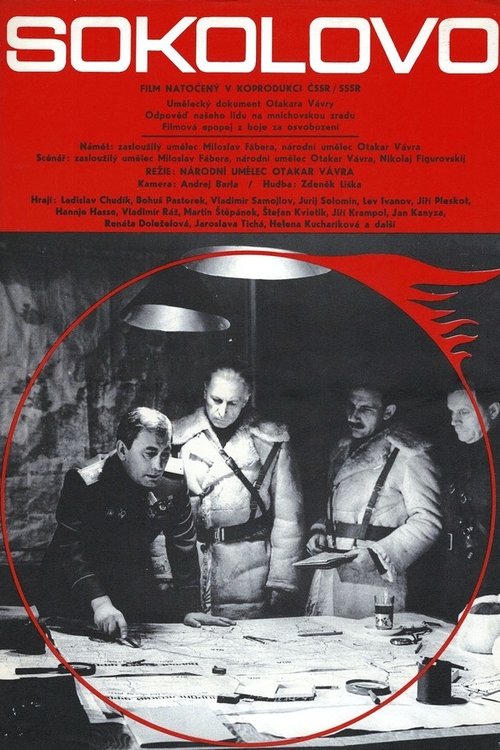
The plot begins in the Soviet Union showing first efforts to establish the Czechoslovak legion in 1942. The film also shows the assassination of Heydrich and the subsequent annihilation of Lidice. The main topis of the film is battles with German troops for Sokolovo.
Sokolovo

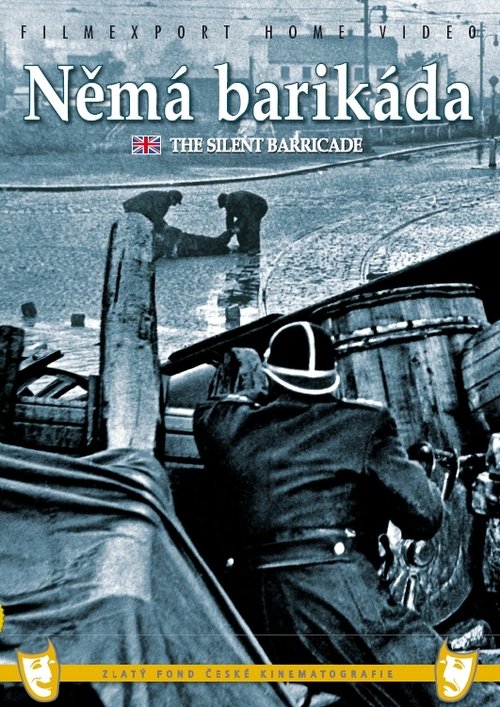
A fiction piece centered around the Czech resistance to the Nazis.
Silent Barricade

An epic exploration of the Czechoslovak New Wave cinema of the 1960s and 70s, structured around a series of conversations with one of its most acclaimed exponents - Closely Observed Trains director Jiří Menzel.
CzechMate: In Search of Jiří Menzel

In early 20th century Czechoslovakia, a gravely ill chemist recalls his discovery of a powerful explosive and how it landed in the hands of anarchists.
Krakatit

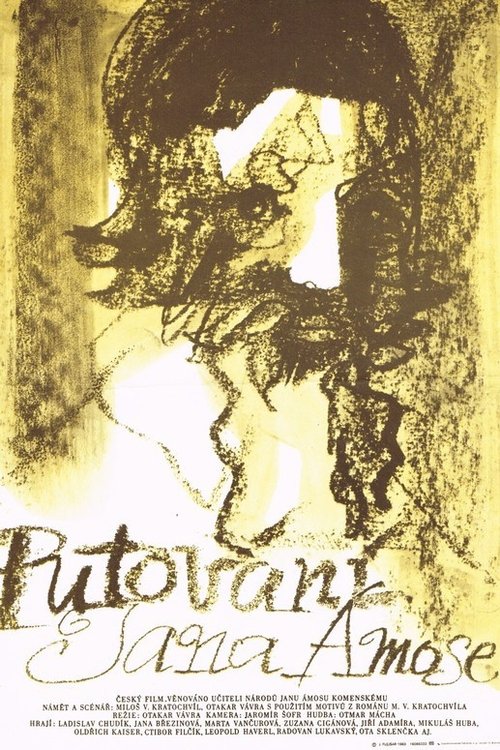
The distressing fate of the Czech great Jan Amos Komenský, forced to leave his homeland after the White Mountain disaster. It depicts his encounters with various European personalities of the 17th century - the Queen of Sweden, artists and scientists. It emphasises the hero's nobility, but also his inner resilience, which allowed him to overcome many personal and professional tragedies. The parable of The Labyrinth of the World and the Paradise of the Heart becomes part of the story. However, Comenius's concept is sculpturally lifeless and, in particular, the religious dimension is "erased" from it. The simplistic biography therefore does not avoid schoolboyish dryness.
Putování Jana Amose
A young doctor and a group of injured are hiding in an underground shelter and are liberated by Soviet soldiers.
White Darkness

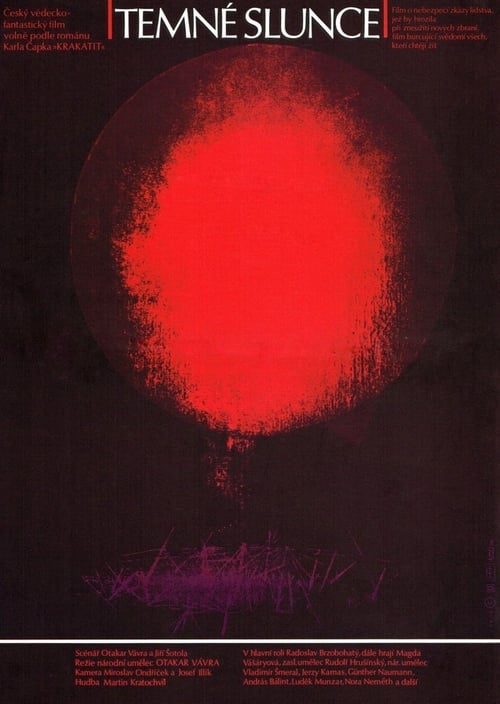
A remake of Vávra's 1948 atomic age thriller Krakatit. Engineer Prokop creates the devastating explosive “Krakatit” and soon confronts manipulative agents and imperialist conspiracies. Realizing his invention’s threat, he fights to prevent its misuse, risking everything to stop those who seek to exploit his epochal discovery.
Dark Sun

The film is essentially a feature-length commercial for an exhibition to mark the 40th anniversary of the nationalisation of the Czechoslovak film industry, to be held at the Prague U Hybernu venue. The protagonists of the piece are comedians Oldrich Kaiser and Jirí Lábus, who are set to accept an award from Japanese television representatives at the exhibition. At the same time, five gangsters plot to seize a revolutionary invention devised by professor Suzuki - a super holograph, which enables any figure from television to be transported in the flesh into the real world, and vice-versa.
The Great Movie Robbery

A morally questionable lord comes to the aid of a working class man who is to be executed for speaking out about thieving rich scoundrels sticking it to the poor.
The Merry Wives

Saxony, devastated by the Thirty Years' War, is led by the comedy troupe of the principal Fortunato. The student Vavrinec has fled Bohemia and greatly values the text of Shakespeare's tragedy Romeo and Juliet, which he has acquired on his wanderings around the world.
Komediant

A biographical film about a Czech mechanic and designer who was the first in the Czech lands to construct a steam car.